By James Paterson, Lydia Khalil
In the past two decades, drones have transformed from niche military tools into widely available 'commercial off-the-shelf' technologies. What was once the exclusive domain of state actors now rests within reach of nearly anyone with a credit card and a data signal. With uncrewed aircraft systems – or drone platforms – becoming cheaper, smaller, and easier to operate, the number of drone plots by domestic extremist groups has increased rapidly.
Key findings
Domestic extremist actors are incorporating drone technology into operational capabilities and attack plots, taking inspiration from the battlefield. The number of violent plots utilising drones has increased sharply over the past five years. Domestic counter-drone frameworks are mismatched to the threat. Effective protection requires layered, multi-system approaches across potential civilian targets and critical infrastructure. Easy-to-access technologies, such as 3D printing, open-source design files, additive hardware, and AI-assisted navigation are lowering the barriers to modifying and weaponising drones.
Recommendations
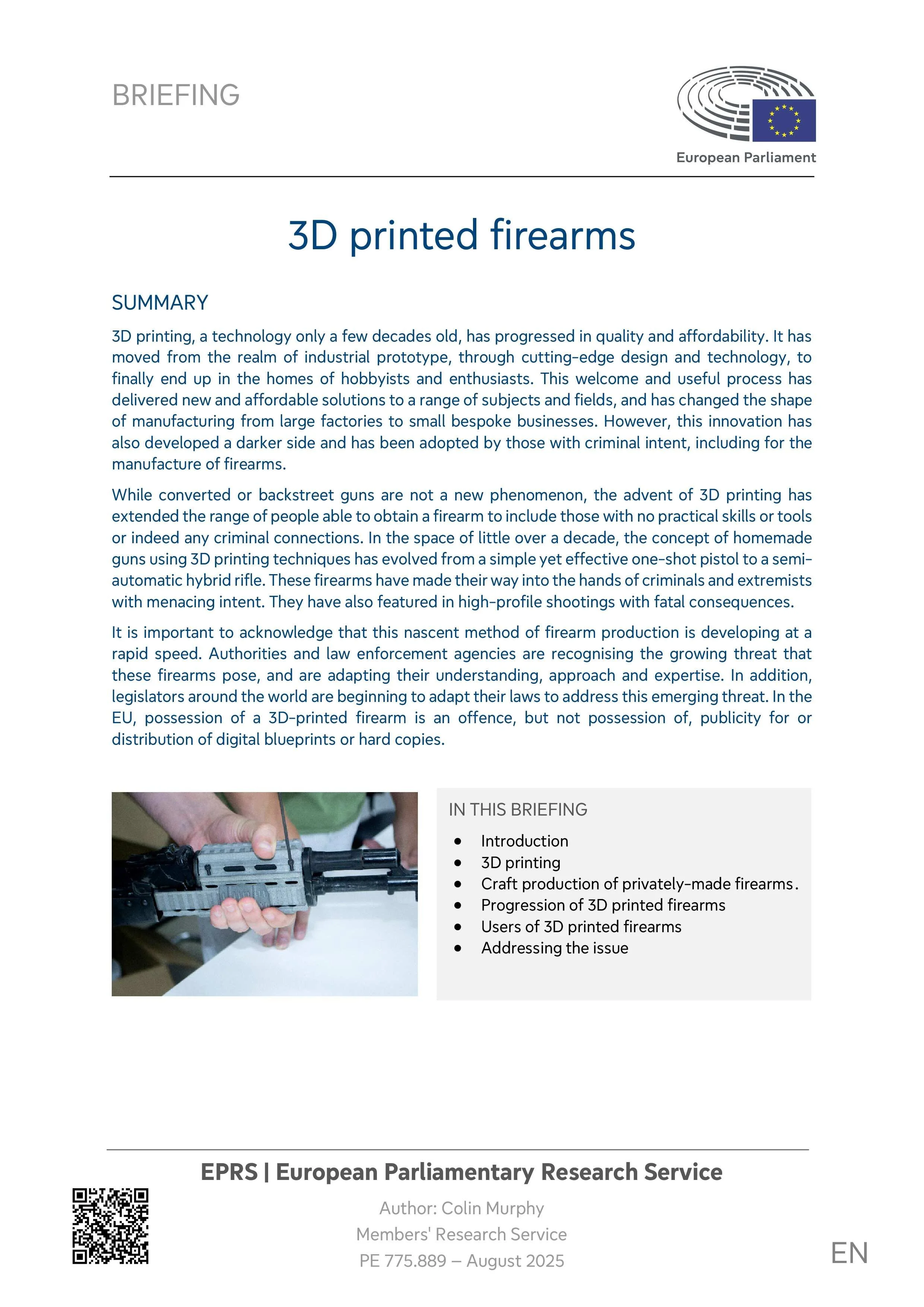
Countries should establish domestic counter-drone task forces to tackle domestic actor exploitation of drones. Internationally coordinated safety-by-design regulations should be implemented to make it easier to identify and respond to malicious drone use. Specific policy attention and response should be directed towards the threat posed by 3D printing in the additive manufacturing ecosystem.