Open Access Publisher and Free Library
SOCIAL SCIENCES.jpeg

SOCIAL SCIENCES

Social sciences examine human behavior, social structures, and interactions in various settings. Fields such as sociology, psychology, anthropology, and economics study social relationships, cultural norms, and institutions. By using different research methods, social scientists seek to understand community dynamics, the effects of policies, and factors driving social change. This field is important for tackling current issues, guiding public discussions, and developing strategies for social progress and innovation.

Posts in Social Science
Sex Differences in Risk Factors for Mortality After Release from Prison

By Susan McNeeley, Grant Duwe and Valerie Clark

A growing body of literature shows people released from prison have higher risk of mortality. However, few studies have identified characteristics that increase or decrease mortality among this population. Some studies suggest formerly incarcerated women may have especially high risk of death, despite their relatively lower mortality in the general population compared to men. We seek to contribute to the understanding of risk of mortality among people released from prison by testing whether demographic, social, and custodial factors differentially effect risk of mortality for men and women. We analyze a sample of 31,587 men and 5,129 women released from Minnesota state prisons between 2010 and 2019. We matched administrative data from the Minnesota Department of Corrections with death records from the Minnesota Department of Health. Separate Cox regression analyses were conducted for men and women to determine whether they exhibit different risk factors for all-cause, natural, and unnatural deaths. Our analyses found that release type and frequency of healthcare access were more strongly related to mortality among women, while educational achievement was more strongly related to mortality among men. The findings suggest there are sex-based differences in how programming, post-release community supervision, correctional health care, and education shape health outcomes during reintegration to the community. Examining how these aspects of correctional operations operate for men versus women may shed light on ways to improve releasees’ risk of mortality after release from prison.

St. Paul: Minnesota Department of Corrections, 2023. 32p.

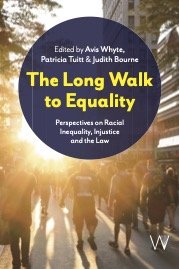
The Long Walk to Equality: Perspectives on Racial Inequality, Injustice, and the Law

Edited by Avis Whyte, Patricia Tuitt & Judith Bourne

In 1965 the UK enacted the Race Relations Act while the International Convention on the Elimination of all Forms of Racial Discrimination (ICERD) opened for signature and ratification. In the US, the changes that brought down the walls of segregation, conveying some equality to black people essentially began with the Civil Rights Act of 1964. These ground-breaking instruments marked a commitment—domestically and internationally by the state parties to the ICERD—to address racial injustice and inequality through legal means. Yet, the intervening years reveal the challenges of pursuing racial justice and equality through the medium of law. In recent years, allegations of institutional racism have been levelled against numerous public institutions in the UK, while the rise of populism globally has challenged the ability of law to effect change. This edited collection draws attention to the need to reflect on the persistence of racial inequalities and injustices despite law’s intervention and arguably because of its ‘unconscious’ role in their promotion. It does so from a multiplicity of perspectives ranging from the doctrinal, socio-legal, critical and theoretical, thereby generating different kinds of knowledge about race and law. By exploring contemporary issues in racial justice and equality, contributors examine the role of law—whether domestic or international, hard or soft—in advancing racial equality and justice and consider whether it can effect substantive change.

London: University of Westminster Press, 2024. 222p.

Fighting the Tide: Encounters with Online Hate Among Targeted Groups

By The Office of the eSafety Commissioner (Australia)

Online hate is one of the most prevalent forms of digital violence. It affects many internet users in Australia and globally, especially individuals from targeted groups, including sexually diverse individuals, Aboriginal and/or Torres Strait Islanders, individuals with disability, and those from other culturally and racially marginalised backgrounds. It can take the form of hateful posts or comments about a person based on discrimination or bias related to characteristics such as their sexual orientation, gender, race, disability, religion or ethnicity.

This report is the first in a series of two reports exploring encounters with online hate among adults in Australia. It explores the prevalence, nature and impact of online hate among adults who belong to one or more of the targeted groups, drawing on data from eSafety’s Australian Adults Online survey, conducted in November 2022.

Key findings

Adults who identify as sexually diverse, Aboriginal and/or Torres Strait Islander, with disability, and/or linguistically diverse are more likely to be targeted with online hate.

Adults from these targeted groups are more likely to experience online hate based on discrimination or bias related to at least one aspect of their identity.

Most targeted adults experience online hate on social media, with the hate most often perpetrated by a stranger.

Online hate has harmful effects on the wellbeing of adults from targeted groups.

A minority of targeted adults act after encountering online hate, but many refrain from acting because they don’t think anything will change.

Canberra: Commonwealth of Australia 2025

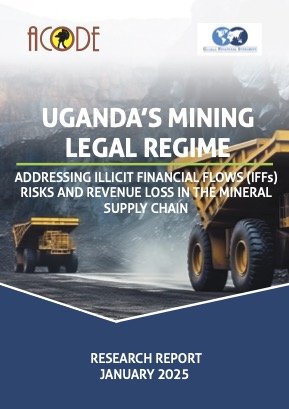
Uganda’s Mining Legal Regime: Addressing Illicit Financial Flows (IFFs) Risks and Revenue Loss in the Mineral Supply Chain

By Onesmus Mugyenyi, Paul Twebaze. et al. Global Financial Integrity (GFI) and Advocates Coalition for Development and Environment (ACODE)

The Advocates Coalition for Development and Environment (ACODE) and Global Financial Integrity (GFI) have published a new research report titled "Uganda's Mining Legal Regime: Addressing Illicit Financial Flows (IFFs) Risks and Revenue Loss in the Mineral Supply Chain." This research looks at the pervasive enablers of IFFs within Uganda's mineral supply chain, highlighting gaps and challenges undermining Uganda's efforts to curb these practices.

The report identifies various enablers of IFFs in Uganda’s mineral supply chain, including informal mining, corruption, insufficient funding for regulatory bodies, misuse of trade-free zones, double taxation agreements, and limitations in mineral database management. These systemic challenges create an environment conducive to various types of illicit financial activities occurring along Uganda's mineral supply chain, such as tax evasion and avoidance, illegal mineral exploitation, money laundering, smuggling, informal trade, and other forms of financial misconduct. Such activities deprive the country of essential revenue for development.

Additionally, the report also examines the challenges associated with the implementation of Uganda's mineral legal framework in addressing these issues. Key obstacles include limited inter-agency cooperation, resource limitations within regulatory bodies, and an insufficient alignment between Uganda’s mining legislation and international best practices. The challenges have hindered Uganda's ability to maximize revenue collection while ensuring sustainable governance of its mineral resources. “operationalization of the Mining and Minerals Act, 2022 by putting in place and enforcing the regulations is critical in mitigating illicit activities and revenue loss” Onesmus Mugyenyi, Research Fellow, ACODE.

The report presents actionable recommendations to address these challenges by enhancing transparency, strengthening enforcement mechanisms, and promoting regional and international cooperation. Proposed measures encompass the implementation of enhanced regulations regarding mineral traceability, the augmentation of investment in capacity-building for oversight institutions, and the establishment of effective mechanisms for data sharing and coordination among the relevant agencies. “It is imperative to enhance Uganda's mining legal framework in order to maximize the sector's revenue potential while curbing illicit financial flows. Actionable recommendations are provided in our report to ensure that mineral wealth benefits all Ugandans. It is time to implement reforms to protect Uganda's resources and future prosperity,” Philip Nyakundi, Policy Director, Global Financial Integrity.

This report is a call to action for policymakers, Civil Society Organizations, and industry stakeholders to prioritize reforms that can reduce IFFs risks and improve revenue collection from Uganda's mineral wealth.

Washington, DC: Global Financial Integrity, 2025. 35p.

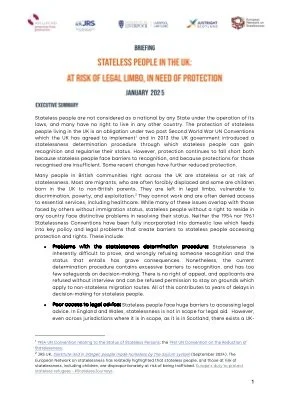
Stateless people in the UK: at risk of legal limbo, in need of protection

By Asylum Aid, et al.

 Stateless people are not considered as a national by any State under the operation of its laws, and many have no right to live in any other country. The protection of stateless people living in the UK is an obligation under two post Second World War UN Conventions which the UK has agreed to implement1 and in 2013 the UK government introduced a statelessness determination procedure through which stateless people can gain recognition and regularise their status. However, protection continues to fall short both because stateless people face barriers to recognition, and because protections for those recognised are insufficient. Some recent changes have further reduced protection. Many people in British communities right across the UK are stateless or at risk of statelessness. Most are migrants, who are often forcibly displaced and some are children born in the UK to non-British parents. They are left in legal limbo, vulnerable to discrimination, poverty, and exploitation.2 They cannot work and are often denied access to essential services, including healthcare. While many of these issues overlap with those faced by others without immigration status, stateless people without a right to reside in any country face distinctive problems in resolving their status. Neither the 1954 nor 1961 Statelessness Conventions have been fully incorporated into domestic law which feeds into key policy and legal problems that create barriers to stateless people accessing protection and rights. These include: ● Problems with the statelessness determination procedure: Statelessness is inherently difficult to prove, and wrongly refusing someone recognition and the status that entails has grave consequences. Nonetheless, the current determination procedure contains excessive barriers to recognition, and has too few safeguards on decision-making. There is no right of appeal, and applicants are refused without interview and can be refused permission to stay on grounds which apply to non-stateless migration routes. All of this contributes to years of delays in decision-making for stateless people. ● Poor access to legal advice: Stateless people face huge barriers to accessing legal advice. In England and Wales, statelessness is not in scope for legal aid. However, even across jurisdictions where it is in scope, as it is in Scotland, there exists a UK  wide crisis in legal aid provision, including poor rates of remuneration, complex bureaucracy and large advice deserts. ● Detention: Because they exist in legal limbo and are often unidentified, stateless people are at disproportionate risk of long and arbitrary detention, which compounds the limbo and uncertainty central to their lives. Immigration detention in the UK has no time limit, and relatively few procedural safeguards, and statelessness is often not considered in detention decisions, despite the obvious impact which having no nationality has on the likelihood of a stateless person being admitted to another country. ● Limited access to family reunification: Changes made to the Immigration Rules in January 2024 have made it significantly more onerous for stateless people to be joined by their family members. ● Barriers to Citizenship: Some children born in the UK to non-British parents are left at risk of statelessness because Home Office decision-makers have wide discretion to deny them citizenship.3 Further, citizenship fees are too expensive, sometimes prohibitively so, but there is no fee waiver for adults. The 1961 Convention does not permit any fees to be charged for children’s citizenship applications, yet although fee waivers are available for children in principle, the process for obtaining a fee waiver for children is excessively onerous. This both places people at risk of statelessness, and prevents those recognised as stateless from finally accessing citizenship.     

Jesuit Refugee Service UK, Asylum Aid, the University of Liverpool Law Clinic, the European Network on Statelessness, and JustRight Scotland : 2025. 11p.

Maritime Cargo Security: Additional Efforts Needed to Assess the Effectiveness of DHS's Approach

By Heather MacLeod, et al., GAO

The U.S. economy depends on the quick and efficient flow of millions of tons of cargo each day throughout the global supply chain. However, U.S.- bound vessels and maritime cargo shipments are vulnerable to criminal activity or terrorist attacks that could disrupt operations and limit global economic growth and productivity. The James M. Inhofe National Defense Authorization Act for Fiscal Year 2023 includes a provision for GAO to assess federal efforts to secure U.S.-bound vessels and maritime cargo from national security-related risks. This report addresses (1) how DHS secures these vessels and cargo from supply chain risks, (2) the extent that DHS used selected leading collaboration practices, and (3) the extent that DHS assessed its approach. GAO reviewed agency policies, procedures, and collaboration efforts and government-wide strategy documents, and assessed DHS collaboration efforts against five relevant leading practices identified in prior GAO work. GAO also interviewed Coast Guard and CBP officials from 16 field locations at a non-generalizable sample of eight U.S. seaports selected for varying volumes of cargo and diversity of geographic regions. What GAO Recommends GAO recommends that the Coast Guard, with sector partners, develop objective, measurable, and quantifiable performance goals and measures and use this performance information to assess progress towards the goals and effectiveness of the layered approach to securing vessels and maritime cargo on an ongoing basis. DHS concurred with our recommendations.

Washington, DC: United States Government Accountability Office, 2025. 56p.

Sustainability reporting and anti-corruption provisions: unlocking the potential for impact

By Guillaume Nicaise, Kaunain Rahman

Our research highlights that integrating anti-corruption measures within sustainability reporting frameworks can enhance corporate transparency and contribute to reducing corruption risks. However, inconsistent global sustainability standards and enforcement challenges limit the effectiveness of these measures. We present evidence and practice from the development cooperation sector to support practitioners in navigating governance and accountability frameworks in the private sector. Main points ▪ Integrating anti-corruption measures within sustainability reporting frameworks can enhance corporate transparency and improve governance. ▪ Sector-wide collective action initiatives can be effective in raising integrity standards and facilitating knowledge sharing among organisations. ▪ However, inconsistent global sustainability standards, superficial requirements, and enforcement difficulties can undermine the effectiveness of sustainability reporting. ▪ Detailed and transparent sustainability reporting by organisations like the United States Agency for International Development (USAID), the Swedish Development Cooperation (Sida), and the African Development Bank Group (AFDB) demonstrate the value of comprehensive anti-corruption measures in fostering accountability. ▪ These examples can help development professionals, aid donors, and policymakers who aim to improve governance frameworks and promote accountability in their practices.

Bergen, Norway: U4 is part of the Chr. Michelsen Institute (CMI), 2025. 37p.

Exposure to hate in online and traditional media: A systematic review and meta‐analysis of the impact of this exposure on individuals and communities

By Pablo Madriaza, Ghayda Hassan, Sébastien Brouillette-Alarie, Aoudou Njingouo Mounchingam, Loïc Durocher-Corfa, Eugene Borokhovski, David Pickup, Sabrina Paillé

Exposure to hate in online and traditional media: A systematic review and meta-analysis of the impact of this exposure on individuals and communities

Pablo Madriaza, Ghayda Hassan, Sébastien Brouillette-Alarie, Aoudou Njingouo Mounchingam, Loïc Durocher-Corfa, Eugene Borokhovski, David Pickup, Sabrina Paillé

The problem: People use social media platforms to chat, search, and share information, express their opinions, and connect with others. But these platforms also facilitate the posting of divisive, harmful, and hateful messages, targeting groups and individuals, based on their race, religion, gender, sexual orientation, or political views. Hate content is not only a problem on the Internet, but also on traditional media, especially in places where the Internet is not widely available or in rural areas. Despite growing awareness of the harms that exposure to hate can cause, especially to victims, there is no clear consensus in the literature on what specific impacts this exposure, as bystanders, produces on individuals, groups, and the population at large. Most of the existing research has focused on analyzing the content and the extent of the problem. More research in this area is needed to develop better intervention programs that are adapted to the current reality of hate.

Objective: The objective of this review is to synthesize the empirical evidence on how media exposure to hate affects or is associated with various outcomes for individuals and groups.

Search methods: Searches covered the period up to December 2021 to assess the impact of exposure to hate. The searches were performed using search terms across 20 databases, 51 related websites, the Google search engine, as well as other systematic reviews and related papers.

Selection criteria: This review included any correlational, experimental, and quasi-experimental study that establishes an impact relationship and/or association between exposure to hate in online and traditional media and the resulting consequences on individuals or groups.

Data collection and analysis: Fifty-five studies analyzing 101 effect sizes, classified into 43 different outcomes, were identified after the screening process. Initially, effect sizes were calculated based on the type of design and the statistics used in the studies, and then transformed into standardized mean differences. Each outcome was classified following an exhaustive review of the operational constructs present in the studies. These outcomes were grouped into five major dimensions: attitudinal changes, intergroup dynamics, interpersonal behaviors, political beliefs, and psychological effects. When two or more outcomes from the studies addressed the same construct, they were synthesized together. A separate meta-analysis was conducted for each identified outcome from different samples. Additionally, experimental and quasi-experimental studies were synthesized separately from correlational studies. Twenty-four meta-analyses were performed using a random effects model, and meta-regressions and moderator analyses were conducted to explore factors influencing effect size estimates.

Results: The 55 studies included in this systematic review were published between 1996 and 2021, with most of them published since 2015. They include 25 correlational studies, and 22 randomized and 8 non-randomized experimental studies. Most of these studies provide data extracted from individuals (e.g., self-report); however, this review includes 6 studies that are based on quantitative analysis of comments or posts, or their relationship to specific geographic areas. Correlational studies encompass sample sizes ranging from 101 to 6829 participants, while experimental and quasi-experimental studies involve participant numbers between 69 and 1112. In most cases, the exposure to hate content occurred online or within social media contexts (37 studies), while only 8 studies reported such exposure in traditional media platforms. In the remaining studies, the exposure to hate content was delivered through political propaganda, primarily associated with extreme right-wing groups. No studies were removed from the systematic review due to quality assessment. In the experimental studies, participants demonstrated high adherence to the experimental conditions and thus contributed significantly to most of the results. The correlational and quasi-experimental studies used consistent, valid, and reliable instruments to measure exposure and outcomes derived from well-defined variables. As with the experimental studies, the results from the correlation and quasi-experimental studies were complete. Meta-analyses related to four dimensions were performed: Attitudinal changes, Intergroup dynamics, Interpersonal behaviors, and Psychological effects. We were unable to conduct a meta-analysis for the "Political Beliefs" dimension due to an insufficient number of studies. In terms of attitude changes, exposure to hate leads to negative attitudes (d Ex = 0.414; 95% confidence interval [CI] = 0.005, 0.824; p < 0.05; n = 8 and d corr = 0.322; 95% CI = 0.14, 0.504; p < 0.01; n = 2) and negative stereotypes (d Ex = 0.28; 95% CI = -0.018, 0.586; p < 0.10; n = 9) about individuals or groups with protected characteristics, while also hindering the promotion of positive attitudes toward them (d exp = -0.227; 95% CI = -0.466, 0.011; p < 0.10; n = 3). However, it does not increase support for hate content or political violence. Concerning intergroup dynamics, exposure to hate reduces intergroup trust (d exp = -0.308; 95% CI = -0.559, -0.058; p < 0.05; n = 2), especially between targeted groups and the general population, but has no significant impact on the perception of discrimination among minorities. In the context of Interpersonal behaviors, the meta-analyses confirm a strong association between exposure to hate and victimization (d corr = 0.721; 95% CI = 0.472, 0.97; p < 0.01; n = 3) and moderate effects on online hate speech perpetration (d corr = 0.36; 95% CI = -0.028, 0.754; p < 0.10; n = 2) and offline violent behavior (d corr = 0.47; 95%CI = 0.328, 0.612; p < 0.01; n = 2). Exposure to online hate also fuels more hate in online comments (d = 0.51; 95% CI = 0.034-0.984; p < 0.05; n = 2) but does not seem to affect hate crimes directly. However, there is no evidence that exposure to hate fosters resistance behaviors among individuals who are frequently subjected to it (e.g. the intention to counter-argue factually). In terms of psychological consequences, this review demonstrates that exposure to hate content negatively affects individuals' psychological well-being. Experimental studies indicate a large and significant effect size concerning the development of depressive symptoms due to exposure (d exp = 1.105; 95% CI = 0.797, 1.423; p < 0.01; n = 2). Additionally, a small effect size is observed concerning the link between exposure and reduced life satisfaction(d corr = -0.186; 95% CI = -0.279, -0.093; p < 0.01; n = 3), as well as increased social fear regarding the likelihood of a terrorist attack (d corr = -0.206; 95% CI = 0.147, 0.264; p < 0.01 n = 5). Conversely, exposure to hate speech does not seem to generate or be linked to the development of negative emotions related to its content.

Author's conclusions: This systematic review confirms that exposure to hate in online and in traditional media has a significant negative impact on individuals and groups. It emphasizes the importance of taking these findings into account for policymaking, prevention, and intervention strategies. Hate speech spreads through biased commentary and perceptions, normalizing prejudice and causing harm. This not only leads to violence, victimization, and perpetration of hate speech but also contributes to a broader climate of hostility. Conversely, this research suggests that people exposed to this type of content do not show increased shock or revulsion toward it. This may explain why it is easily disseminated and often perceived as harmless, leading some to oppose its regulation. Focusing efforts solely on content control may then have a limited impact in driving substantial change. More research is needed to explore these variables, as well as the relationship between hate speech and political beliefs and the connection to violent extremism. Indeed, we know very little about how exposure to hate influences political and extremist views.

Campbell Syst Rev, 2025 Jan 16;21(1):e70018, doi: 10.1002/cl2.70018. eCollection 2025, 47.

Justice Reinvestment Equity Program Implementation Evaluation Report Per Senate Bill 1510 (2022)

By Angela E. Addae, Monica Cox

In 2022, Oregon legislators enacted Senate Bill 1510 (SB 1510). SB 1510 appropriated $10,000,000 to the Oregon Criminal Justice Commission (CJC) to create the Justice Reinvestment Equity Program (JREP). JREP is encompassed under the state’s Justice Reinvestment Initiative (JRI), which includes the Justice Reinvestment Program (JRP) established in 2013. The Oregon Legislature enacted JREP to “promote racial equity, reduce racial disparities, reduce recidivism and decrease a county’s utilization of imprisonment in a Department of Corrections institution, all while protecting public safety and holding offenders accountable.” JREP is administered by the Northwest Health Foundation Fund II (NWHF) and provides grant awards to culturally specific organizations and culturally responsive services, as defined in SB 1510. The Legislative Assembly directed the CJC to “evaluate the implementation of the Justice Reinvestment Equity Program and monitor the progress of subgrants provided by the Northwest Health Foundation Fund II under section 15 of this 2022 Act.” No later than September 30, 2024, the CJC must submit “a report detailing the progress of the evaluation . . . and include recommendations for additional evaluation needs.” The CJC convened an evaluation advisory group and contracted with two external researchers to facilitate the evaluation. Based on analyses of JREP administrative materials, surveys, secondary data, focus groups, interviews, and engagement with over 150 members of the JREP community, the evaluation advisory group proffers the following recommendations: 1. Support the adoption of community engagement practices that prioritize high levels of involvement, collaboration, and empowerment for all phases of JREP. 2. Provide robust support for equity-centric grantmaking, ensuring that grant administrators have the access, resources, flexibility, and time to effectively meet the diverse needs of grant recipients. 3. Implement leadership development and capacity-building initiatives that support emerging leaders and staff, particularly those with lived experience, to promote resiliency and sustainability among culturally specific organizations and culturally responsive programs. 4. Facilitate the creation and expansion of formal partnerships and collaborative frameworks between culturally specific organizations, culturally responsive programs, and state public safety institutions to promote shared goals and mutual accountability. 5. Develop and implement evaluative criteria that incorporate culturally grounded definitions of success, ensuring that the unique contributions of culturally specific organizations and culturally responsive programs are recognized and supported in legislative outcomes.

Salem: Oregon Criminal Justice Commission, 2024. 48p.

Just Transitions:  Advancing Environmental and Social Justice

By Éloi Laurent

This is an open access title available under the terms of a CC BY-NC-ND 4.0 License. It is free to read, download and share on Elgaronline.com. This innovative book promotes a holistic, pragmatic and proactive approach to just transitions. Arguing that justice is both a goal and condition of transitions it rearticulates environmental and social challenges and rethinks the policies designed to overcome them

Cheltenham, UK · Northampton, MA: E. Elgar Press, 2024. 136p.

Violence Against Perceived Blasphemers in the West: From Khomeini’s Fatwa to the Present

By Liam Duffy

Salman Rushdie finally sensed that normality was returning to his life, some 33 years after Ayatollah Khomeini’s four paragraph fatwa called for his murder. “Nowadays my life is very normal again,” he told German magazine Stern in an interview over the summer of 2022. Just two weeks later, he was knifed multiple times on stage in Chautauqua, New York. Having evaded the fatwa’s enforcers for so long, one had finally penetrated the layer of secrecy and security which had followed Rushdie for his own protection all those years. Rushdie survived, but has lost sight in one eye and the use of one of his hands. The story which led to this point is by now well known. On Valentine’s Day 1989, Ayatollah Khomeini, the Supreme Leader of Iran, called for the British-Indian author’s death in a fatwa, offering financial and spiritual reward to any Muslim willing to carry out the murder. The assassination order also extended to anyone connected to the publication and promotion of Rushdie’s novel, The Satanic Verses. There are various elements to the novel that were perceived to be insulting to Islam and the Prophet Muhammad. These will not be detailed at length here, save to say that the novel’s title refers to verses in the Quran which were relayed to Muhammad as the word of God, but later revealed to be a deceptive ploy by the devil. In English, these verses were sometimes referred to as the Satanic verses. The novel itself recounts and reimagines episodes in the life of Muhammad. Although the novel’s publication was met with protest in various parts of the world (including the United Kingdom), it was Khomeini’s fatwa that ignited the affair into a global controversy. It transformed not only Rushdie’s life but the relationship between the West and the Muslim world, as well as between Western states and their growing Muslim populations. As Kenan Malik put it in From Fatwa to Jihad: “With his four-paragraph pronouncement, the ayatollah had transcended the traditional frontiers of Islam and brought the whole world under his jurisdiction. At the same time, he helped relocate the confrontation between Islam and the West, which until then had been played out largely in the Middle East and south Asia, into the heart of western Europe. For the West, Islam was now a domestic issue.” This is not to mention the impact on the individuals concerned. There were attempts on the lives of publishers, promoters, and translators in Japan, Italy, Turkey, and Norway. The first assassin to successfully complete his task murdered Hitoshi Igarashi, Japanese translator of The Satanic Verses, in a frenzied attack outside of his office at Tsukuba University in 1991. Like so many of these incidents, the perpetrator was able to slip away and never face justice. The most tragic episode of the affair would unfold in Anatolia, Turkey, where a riled-up crowd would set the Madimak Hotel ablaze, targeting a secularist activist who had translated excerpts of The Satanic Verses in a newspaper. Their target, Aziz Nesin, would escape the inferno but 37 people would not. Owing to the fatwa, Rushdie spent much of his life in hiding, always on the move, with his public appearances tightly controlled. But just as the fatwa was fading from memory, it remained every bit as valid—and lethal—as the day it was pronounced. As The Atlantic’s Graeme Wood explains, “fatwas cannot be rescinded posthumously,” and so the bounty still “hung in the air like a putrid smell, inhaled deeply for inspiration by devout followers of Khomeini and his successors.” The fatwa also helped set the precedent for later blasphemy affairs and controversies. To Hassan Nasrallah, the secretary-general of Hezbollah, there was little doubt that later blasphemy affairs were connected. During the fallout from the 2005 Jyllands-Posten cartoons of the Prophet Muhammad, he complained that “if any Muslim had carried out the fatwa of Imam Khomeini against the apostate Salman Rushdie, those despicable people would not have dared to insult the Prophet Muhammad.” The logic of the fatwa, and of the violence was not only punishment, but deterrence. The fatwa would also cross the sectarian divide in Islam. Part of its logic was for the Shia regime in Tehran to assert itself over their Sunni rivals in Saudi Arabia for de facto leadership of global Islam. This did not stop the Shia regime’s power play from energizing Sunni Islamist movements the world over, including the indirect empowerment of legal, non-violent Islamist groups in the West. As Western governments scrambled for interlocutors with the suddenly vocal “Muslim community,” offshoots of organizations like the Islamist Muslim Brotherhood or Jamaat-e-Islami were happy to fill that hole. As will be returned to later in the discussion, on blasphemy too, one sees the ideological distance between jihadists and other Islamist movements reduce. After the initial round of violence connected to The Satanic Verses, much of which bears the fingerprints of the regime in Tehran and its proxies, the Sunni jihadists of al-Qaeda and the Islamic State (IS) would later lead the bloodshed against blasphemers. Islamists of all stripes and from across the spectrum of non-violence to violent jihadists would, at various times, jostle to take the initiative on blasphemy disputes and position themselves as the true defenders of Islam. On some occasions and for political expediency, they would take the backseat in blasphemy affairs, waiting for the right moment to capitalize. This demonstrates that for all their professed zeal and the alleged offence taken, strategic thinking can in some cases take precedence, even when it comes to insulting Islam. Allegations of insulting Islam and the Prophet Muhammad have often carried dire and bloody consequences globally. The Jyllands-Posten cartoons affair, for instance, sparked rioting and unrest around the world in which hundreds died. Other events have reverberated similarly, such as the demonstrations, violence, and internet blackouts which greeted the uploading of a trailer for the film The Innocence of Muslims to YouTube. This report will focus on the bloody consequences of those allegations and accusations against individuals and institutions in the West, detailing both the plots and the successful attacks directed against those perceived to have insulted Islam and the Prophet. Also included are those plots where blasphemy has been cited as the motivation, but their target is not the alleged transgressor.

New York: The Counter Extremism Project (CEP) , 2023. 46p.

Mapping The Far Right: The Movement’s Conferences Illuminate Its Growing Transnational Networks

By Global Project Against Hate and Extremism (GPAHE)

Post-war far-right movements have primarily been concerned with domestic issues, preferring to focus on national sovereignty over foreign entanglements, and interested predominantly in their particular domestic landscape. This is in contrast to traditional left-wing movements, particularly socialists and communists, which historically organized across borders.

But things have fundamentally changed in recent years, as an extensive far-right international network has developed over the past two decades. Nowadays, campaigns undertaken in one country by far-right groups and influencers leap quickly across borders and are adopted wholesale by others on the far right.

Key to this policy and campaign coordination are transnational far-right conferences, where movement leaders and supporters from multiple countries share their ideas. Through these interactions, relationships among far-right actors have deepened, creating a truly transnational movement that shares ideological positions, policy preferences, targets, tactics, and strategies. The support this transnational network provides has contributed to the global spread of far-right extremist ideologies.

Far-right activists are forthright about their global ambitions, which often target marginalized communities, restrict human rights, and push for more illiberal democratic systems.

To gain further insight into the far right, the Global Project Against Hate and Extremism (GPAHE) compiled a dataset of speakers and organizations involved in far-right conferences held between 2000 and 2024. The dataset includes 3,000 individuals representing 1,800 organizations, and 302 conferences that occurred in 35 countries during this 24-year time period.

In the 302 events analyzed, there were speakers from nearly every country in North America, South America, and Europe, as well as a significant number of participants from parts of Africa and Asia. Though the dataset is large, it still likely underrepresents the true number of events and participants during that period, since GPAHE only looked at speakers, not all attendees.

GPAHE’s data reveals a startling — and strengthening — network of events and speakers that has helped spread a global pandemic of far-right extremism.

Many of those conferences have continued over years, if not decades, expanding their audiences and demonstrating that far-right ideologies increasingly transcend national borders.

Birmingham, AL: Global Project Against Hate and Extremism (GPAHE) 2024.

School Racial Segregation and Late-Life Cognition

By Zhuoer Lin, Yi Wang, Thomas M. Gill, Xi Chen:

Disparities in cognition persist between non-Hispanic Black (hereafter, Black) and non-Hispanic White (hereafter, White) older adults, and are possibly influenced by early educational differences stemming from structural racism. However, the relationship between school racial segregation and later-life cognition remains underexplored. We examined a nationally sample of older Americans from the Health and Retirement Study. Utilizing childhood residence data and cognitive assessment data (1995-2018) for Black and White participants aged 65 and older, Black-White dissimilarity index for public elementary schools measuring school segregation, multilevel analyses revealed a significant negative association between school segregation and later-life cognitive outcomes among Black participants, but not among White participants. Potential mediators across the life course, including educational attainment, explained 58-73% of the association, yet the associations remained large and significant among Black participants for all outcomes. Given the rising trend of school segregation in the US, educational policies aimed at reducing segregation are crucial to address health inequities. Clinicians can leverage patients' early-life educational circumstances to promote screening, prevention, and management of cognitive disorders.

IZA DP No. 17466

Bonn: IZA – Institute of Labor Economics. 2024. 64p.

School Racial Segregation and Late-Life Cognition

By Zhuoer Lin, Yi Wang, Thomas M. Gill, Xi Chen:

Disparities in cognition persist between non-Hispanic Black (hereafter, Black) and non-Hispanic White (hereafter, White) older adults, and are possibly influenced by early educational differences stemming from structural racism. However, the relationship between school racial segregation and later-life cognition remains underexplored. We examined a nationally sample of older Americans from the Health and Retirement Study. Utilizing childhood residence data and cognitive assessment data (1995-2018) for Black and White participants aged 65 and older, Black-White dissimilarity index for public elementary schools measuring school segregation, multilevel analyses revealed a significant negative association between school segregation and later-life cognitive outcomes among Black participants, but not among White participants. Potential mediators across the life course, including educational attainment, explained 58-73% of the association, yet the associations remained large and significant among Black participants for all outcomes. Given the rising trend of school segregation in the US, educational policies aimed at reducing segregation are crucial to address health inequities. Clinicians can leverage patients' early-life educational circumstances to promote screening, prevention, and management of cognitive disorders.

IZA DP No. 17466

Bonn: IZA – Institute of Labor Economics. 2024. 64p.

The Consequences of Violent and Nonviolent Black Lives Matter Protests for Movement Support

By Susan Olzak


This study examines the effect of violent and nonviolent tactics in gaining support for social movements using information on protests by the Black Lives Matter (BLM) movement. The theoretical dispute over whether violence benefits or harms a movement remains unsettled, and the empirical evidence is inconclusive. Violence increases media attention and generates recognition of a movement and its goals, but violence also raises fears of instability and risks disapproval. This article aims to bring coherence to this debate by arguing that while violence can benefit a movement by emphasizing the contrast between peaceful and violent protesters, the costs associated with the use of violence ought to diminish support for a movement. The analysis that uses a hybrid model to analyze panel data from two national surveys finds evidence that both peaceful and violent BLM protests are associated with higher support for BLM, but they do not change individuals’ support over time.


Mobilization: An International Quarterly (2024) 29 (3): 287–307.

The Polarizing Effect of Anti-Immigrant Violence on Radical Right Sympathies in Germany

By Maureen A. Eger https://orcid.org/0000-0001-9023-7316 and Susan Olzak 

While radical right parties championing anti-immigrant platforms have made electoral gains throughout Europe, anti-immigrant sentiment—a key indicator of radical right support—has not dramatically increased during this same period. In this article, we seek to help make sense of this paradox by incorporating a contextual factor missing from previous studies: levels of anti-immigrant violence. Our key argument is that higher levels of collective violence targeting immigrants raise the salience of the immigrant/native boundary, which activates both positive and negative views of immigrants and makes these attitudes more cognitively accessible and politically relevant. This argument implies that exposure to violence against immigrants should strengthen existing prejudice (or empathy) toward immigrants and engender feelings of affinity (or antipathy) for radical right parties. Analyses of the German portion of the European Social Survey (ESS 2014 − 2019) and the Anti-Refugee Violence in Germany (ARVIG 2014 − 2017) datasets reveal a powerful interaction effect: exposure to higher levels of collective violence increased the probability of feeling closest to radical right parties among those who held neutral, negative, and extremely negative views of immigrants. However, these events were not associated with radical right sympathies among those holding pro-immigrant attitudes. We conclude that when violence against immigrants resonates with public opinion on immigrants, it opens new political opportunities for radical right parties. These findings should inform future research on the politicization of international migration, especially studies investigating how anti-immigrant attitudes translate into political outcomes.

International Migration ReviewVolume 57, Issue 2, June 2023, Pages 746-777

Ethno-nationalism and Right-Wing Extremist Violence in the United States, 2000 through 2018

By Susan Olzak

Influential studies of right-wing extremist violence offer evidence that such violence is motivated by grievances intensified by a perceived loss in status or by economic dislocations. This article moves away from an emphasis on grievances by turning to theories of ethno-nationalism and group conflict. Ethno-nationalism is in part driven by attitudes of dominant groups favoring ethnic exclusion, whereas group threat theories explain that ethnic diversity increases the salience of ethnic boundaries and fuels a collective response to group threat. Such threats encourage violence to contain this threat and restore dominance. Exclusionary attitudes and support for expanded gun rights in America further legitimize a culture of ethno-nationalism that encourages violent acts. I test these arguments with data from the Pew Research Center, the Southern Poverty Law Center, and the Extremist Crime Database on right-wing violence. The state-level and county-level results support the claim that rising ethnic diversity raises the rate and volume of right-wing violence significantly. State-level results also find that rising memberships in the National Rifle Association increase the rate of right-wing violence significantly.

Sociological Science 10(2):197-226, March 20, 2023

Breaking the Cycle: Effectively Addressing Homelessness and Safety

By Lisel Petis

This paper responds to municipalities' concerns about the increase in visible homelessness and its perceived impact on community safety. The overlap between the criminal justice system and homelessness is well-documented, but debates on how to best address these issues remain divisive. Many stakeholders entrenched in their viewpoints, often overlooking the complexity of homelessness and the need for a multifaceted approach. However, the reality is that singular solutions have proven insufficient. We must combine strategies and offer multiple options to address the diverse needs of different individuals. Arrest and jail should always be a last resort for addressing homelessness, as criminalizing survival behaviors only perpetuates the cycle of homelessness and incarceration. This approach is costly, can be harmful, and fails to address the underlying causes of homelessness. To break this cycle, it is crucial to find better solutions, some of which we explore in this piece. Key conclusions: • Immediate Actions: Providing jobs—such as trash cleanup in an encampment— to homeless individuals, managing public spaces, and offering safe parking lots for those living in vehicles can prove impactful. Additionally, involuntary hospitalization and scattered sites programs can offer immediate support to those needing urgent assistance. Homeless outreach teams can also play a crucial role by building trust, offering immediate assistance, and connecting individuals to essential services, ultimately reducing reliance on emergency services and jails. • Long-Term Strategies: Expanding transportation and housing options is critical for reducing homelessness, as doing so provides greater access to jobs and shelter. Innovative solutions like using vacant hotels for immediate housing, employing community courts for rehabilitative justice, creating “one-stop shops” for essential services, and using shelter-finder apps can help stabilize individuals and connect them to necessary resources. • Early Intervention: Providing financial training and support equips individuals with the skills to manage money effectively and plan for major life events, which can help prevent one setback from snowballing into homelessness. Predictive analytics can identify at-risk individuals before eviction, enabling targeted early intervention to stabilize their housing situation. Expanding supportive housing and improving access to mental health and substance use treatment are crucial for those transitioning from incarceration or facing behavioral health challenges. Efforts like the Clean Slate Initiative and the creation of “third places” help reintegrate individuals into society and build community-support networks.

R Street Policy Study No. 311 Washington, DC: R Street, 2024 23p.

Alcohol Delivery and Underage Drinking: A COVID-19 Case Study

By C. Jarrett Dieterle

Introduction In January 2020, the world of alcohol rules seemed to be mired in a kind of stasis. It had been 85 years since Prohibi琀椀on, but the broad legal structure governing alcohol remained remarkably unchanged. Just three months later, in March 2020, everything changed. The COVID-19 global pandemic that gripped America and the broader world led to unprecedented realignments in our way of life. Governments began issuing mask mandates, social distancing orders, and even rules around how—and if—businesses could con琀椀nue opera琀椀ng. In response, innova琀椀ons like to-go and delivery alcohol took hold across the country, leading to a substan琀椀al shi昀琀 in how alcohol was regulated. Now, three years later, opposi琀椀on to these changes has started to become more prevalent. Most of the pushback has been focused on concerns that less stringent alcohol regula琀椀on could create nega琀椀ve externali琀椀es. One of the prime areas of concern has been underage drinking and whether enhanced alcohol delivery will lead to a spike in youth drinking across the country. This study breaks down the latest underage drinking data to help provide a more informed debate around America’s pandemic-era alcohol reforms.

R Street Shorts No. 128, Washington, DC: R Street, 2023. 7p.

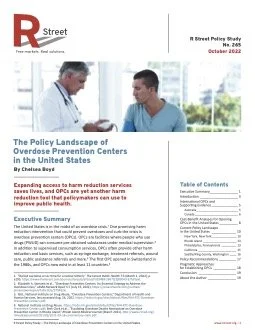
The Policy Landscape of Overdose Prevention Centers in the United States

By Chelsea Boyd

The United States is in the midst of an overdose crisis. One promising harm reduction intervention that could prevent overdoses and curb the crisis is overdose prevention centers (OPCs). OPCs are facilities where people who use drugs (PWUD) can consume pre-obtained substances under medical supervision. In addition to supervised consumption services, OPCs o昀琀en provide other harm reduction and basic services, such as syringe exchange, treatment referrals, wound care, public assistance referrals and more. The first OPC opened in Switzerland in the 1980s, and OPCs now exist in at least 11 countries Evidence supporting OPCs largely comes from the facilities operating in Canada and Australia. Evaluations of these centers have shown that they are remarkably effective at decreasing health harms associated with drug use, and there has never been a reported overdose death at an OPC. Additionally, OPCs have been shown to reduce syringe and consumption equipment sharing, decrease overdose deaths in the area around the center, prevent new HIV and hepatitis C infections, increase treatment uptake and decrease public injecting and syringe litter. Studies also have found that OPCs do not increase crime or drug use. Nevertheless, in both Canada and Australia, advocates who wanted to open the facilities faced uphill battles that left the OPCs in legal limbo for many years before ultimately receiving permanent legal authorization. The United States currently has two locally sanctioned OPCs in operation in New York City, and several states and cities are working toward opening OPCs despite their federally illegal status under the Controlled Substances Act (CSA). Although no jurisdiction other than New York City has opened an OPC in the United States, these centers have been authorized by policymakers at the state, county and local levels. In addition to New York City, Philadelphia, Seattle, Rhode Island and California have made progress toward authorizing OPCs. Policymakers at every level of government can take action to facilitate the opening of OPCs. Local policymakers and groups, such as mayors or city councils, can authorize OPCs, although this path provides the least protection from state or federal interference. States can pass legislation that authorizes OPCs through pilot programs, which allows them to be rigorously evaluated and ensures that an OPC’s existence does not conflict with state law. Nevertheless, federal action legitimizing OPCs is also necessary. Congress could consider amending the CSA to clarify that OPCs do not violate the act or stipulate that federal funds cannot be used to enforce the CSA in regard to OPCs. Alternatively, the administration could release a memorandum stating that the federal government will not interfere with OPCs operating under state or local authorization, or the Department of Justice could release a similar statement. The challenge with either of those actions is that future administrations could decide not to honor these statements. Regardless of how OPCs are authorized, policymakers can apply pragmatic approaches to authorize them in their jurisdictions. These include getting community buy-in, working with law enforcement, formalizing requirements for operation and evaluation and ensuring that the facilities and policies are designed to meet the needs of the populations they serve.

R Street Policy Study No. 265, Washington, DC: R Street, 2022. 19p.