Open Access Publisher and Free Library
CRIME+CRIMINOLOGY.jpeg

CRIME

Violent-Non-Violent-Cyber-Global-Organized-Environmental-Policing-Crime Prevention-Victimization

Posts in Violence & Oppression
Honour Killing and the Status of Woman in Pakistan

By Ghulam Hyder Sindhi

Historical Context: The document explores the historical and cultural roots of honour killings, highlighting how these practices have evolved over time and their deep-seated presence in various societies.

Status of Women: It discusses the status of women in Pakistan,emphasizing the social, economic, and political challenges they face,including limited access to education and economic opportunities.

Violence Against Women: The document provides an in-depth analysis of different forms of violence against women, including domestic violence, psychological violence, and honour killings.

Recommendations: It offers recommendations for improving the status of women, such as legal reforms, educational initiatives, and the need for a broader social movement to raise awareness and change societal attitudes.

National Institute of Pakistan Studies, 2007, 212 pages

Domestic Abuse Court Experiences - Perspectives of Victims and Witnesses: Research Findings

By Scottish Government. Safer Communities Directorate

This research reports on 22 victims' and witnesses' experiences of court since the introduction of the Domestic Abuse (Scotland) Act 2018 (DASA) in April 2019. The Act aimed to expand understandings of domestic abuse, improve the criminal justice system's ability to tackle domestic abuse effectively and increase courts' capacity to protect victims, witnesses and associated children. This in-depth qualitative study contributes to a programme of work to meet the Ministerial 3-year reporting requirement of DASA (S14(2) (f)) to provide: 'information about the experience of witnesses (including witnesses who are children) at court'. Early implementation of the Act (2019-22) coincided with the advent of COVID-19, which had an unprecedented impact on those experiencing domestic abuse and the operation of the justice system; these findings should be considered in that context.

Key findings

According to the 22 adult and child victims/witnesses involved in the research:

The new law better reflects how adult victims experience domestic abuse: participants reported a range of psychological, physical and, for some, sexual harm over time. However, there was limited awareness of what constitutes criminal behaviour under DASA amongst the public (including victims/witnesses) and the professionals that participants encountered.

Many participants felt DASA and/or its provisions were under-utilised. Most reported a continued focus on single/severe incidents of physical violence rather than ongoing abuse. Many felt the justice system struggled with prosecution of psychological abuse, particularly regarding verbal, telephone and online abusive behaviour.

Most parents/child witnesses reported that harm to children was insufficiently recognised; they felt perpetrators were not held accountable for the impact that domestic abuse had on children and that children's safety and specific needs/vulnerabilities were inadequately addressed. Many victims felt that abuse of a third party – for example, family and friends – had not been taken account of adequately throughout the process.

Although there were some positive examples of reporting to the police, this was not the experience of the majority of participants. The immediate aftermath of reporting domestic abuse was a time of particular vulnerability for victims and witnesses. Most participants felt an onus was on them to keep themselves safe during this time.

Participants had inadequate knowledge of decision-making processes and the rationale for decisions made throughout the investigation and court proceedings. They cited a lack of communication, collaboration and involvement/transparency in decision-making. Far from being at the centre of the justice process, they felt on the periphery and marginalised by it.

Participants reported that going to court was difficult and, for many, frightening and traumatic. Feeling uninformed, giving evidence in an adversarial process, court adjournments and delays significantly impacted on their mental health.

Participants raised the potential for court to empower and provide a sense of closure to victims and witnesses, particularly when support and advocacy was provided.

Participants had significant concerns that the investigation, prosecution and sentencing for domestic abuse offences did not adequately reflect the sustained level, severity or impact of abuse experienced.

Safety was not consistently ensured for all participants before, during or post proceedings. This was contrary to their expectations that reporting would stop abuse and provide safety for themselves, family and friends. Non-harassment orders (NHOs) offered some protection and reassurance for victims.

Advocacy and support were reported as the most significant mechanisms for minimising trauma and enhancing feelings of safety; however, participants identified gaps in provision, particularly earlier in the process and post court.

94p.

Repeat Violence in Scotland: A Qualitative Approach

By Susan A. Batchelor and Caitlin Gormley

Interpersonal repeat violent victimisation

The definition and conceptualisation of interpersonal repeat violent victimisation (RVV) is contested. Interpersonal violence refers to violence between individuals, often subdivided into community violence and violence against women and girls, including domestic abuse. These two forms of interpersonal violence are often studied separately, using divergent theoretical and methodological approaches (Batchelor et al. 2019). Mainstream research on RVV is largely quantitative in orientation, counting recurrent incidences of the same type of violent offence against the same target and identifying risk factors that make some people more prone to victimisation than others. Feminist research on men's violence against women and girls more often draws on qualitative methods to explore experiences of overlapping and intersecting forms of violence, conceptualising repeat physical violence as part of a process of coercive control located within a context of gendered inequality and norms.

Building on these insights, the current research adopts a qualitative approach to unpack patterns of RVV evident in official statistics on non-sexual violence in Scotland. Unlike survey research, which asks respondents to self-report the number of incidents they have experienced over a specified period, typically the previous 12 months, the present study acknowledges the impact of repeat violence and associated trauma on memory, imposing no time limit on participants' experiences. As a result, whilst we invited participants to reflect on recent experiences of physical violence, they also often related experiences of other forms of violence, experienced across the life course.

Edinburgh: Scottish Government, Safer Communities Directorate, 2023. 147p

Scotland's Approach to Antisocial Behaviour: Review Findings

By Scottish Government, Minister for Victims and Community Safety, Justice Directorate

The former Minister for Community Safety, Ash Regan MSP, asked the Scottish Community Safety Network (SCSN) and the Scottish Government to undertake a review of antisocial behaviour (ASB). This report presents the findings from work undertaken to gather views on the current approach to antisocial behaviour in Scotland. It is based on discussions with key stakeholders across Scotland including those who have experienced antisocial behaviour, frontline staff seeking to prevent and tackle antisocial behaviour and community and equality groups including those representing minority communities in Scotland. The discussions included people from both urban and rural settings across different areas of Scotland.

The findings do not amount to a definitive statement on what people feel needs to be done to change the way we view, prevent and address antisocial behaviour. However, they do provide a qualitative evidence base given the size and breadth of engagement. It is clear from these sessions that there are no quick fixes or easy solutions here. Therefore, we need to look at how we set the path to begin the journey and identify future work activity and milestones.

Overall, 25 engagement discussions involving close to 250 people, representing a wide range of interests (Annex B - methodology summary) were held by the Scottish Community Safety Network and the Scottish Government. We are indebted to all who shared their time and their expertise. This report reflects the views, opinions and experiences from those discussions, and additional written feedback received.

The Scottish Government and its partners believe that everyone has the right to be, and feel, safe in their community and homes. Embedding change which will have a positive sustainable impact, requires a process of innovating, evaluating and building on success. We can also learn from challenging issues and sharing best practice.

What has come across very clearly during this engagement, is that prevention is better than cure and that working collaboratively in partnership is essential to finding long term solutions to address antisocial behaviour and make all of our communities safer and more welcoming places to live.

We all have a role to play in preventing and tackling antisocial behaviour and hope that this report will be used as the starting point of a much broader and deeper discussion of these issues, leading to a long-term road map of how we can work collectively to prevent and address antisocial behaviour in effective ways.

We can, and should, come together to address the mutual problems we face in our communities, but we will achieve little if we approach this in a way that is not properly considered, including the potential for unintended consequences, and therefore we need to develop structures which we can work within to achieve change and incrementally build on approaches which are proven to be successful.

As such, two recommendations arise from our assessment of the qualitative evidence:

Recommendation one

That Scottish Ministers, and statutory, non-statutory and voluntary sector service providers and communities themselves recognise that our approach to preventing and tackling antisocial behaviour needs to be a long-term approach (that recognises societal changes and evolves) and that we need to make a commitment to a programme of activity which will provide a framework that will guide us in taking forward this agenda in alignment with other linked national policies.

Recommendation two

An independently chaired group of experts, potentially including statutory, non-statutory and voluntary service providers, community representatives and other key interests should be brought together to develop a long-term framework for addressing antisocial behaviour.

This should have a strong focus on steps that can be taken to prevent antisocial behaviour from occurring as well as considering the effectiveness of current approaches to tackling the antisocial behaviour which occurs.

The findings in this and other relevant, existing reports should form the foundations of the group’s work and they should not be restricted in identifying what areas are most important to move this agenda forward, which could include considerations of the effectiveness of current legislation.

The group should be able to commission and gather evidence to support their work and have a free hand to engage with anyone who can support this agenda. Central to this work should be building broad support for any long-term work that the group proposes.

Edinburgh:

2023. 63p.

Download here: The former Minister for Community Safety, Ash Regan MSP, asked the Scottish Community Safety Network (SCSN) and the Scottish Government to undertake a review of antisocial behaviour (ASB). This report presents the findings from work undertaken to gather views on the current approach to antisocial behaviour in Scotland. It is based on discussions with key stakeholders across Scotland including those who have experienced antisocial behaviour, frontline staff seeking to prevent and tackle antisocial behaviour and community and equality groups including those representing minority communities in Scotland. The discussions included people from both urban and rural settings across different areas of Scotland.

The findings do not amount to a definitive statement on what people feel needs to be done to change the way we view, prevent and address antisocial behaviour. However, they do provide a qualitative evidence base given the size and breadth of engagement. It is clear from these sessions that there are no quick fixes or easy solutions here. Therefore, we need to look at how we set the path to begin the journey and identify future work activity and milestones.

Overall, 25 engagement discussions involving close to 250 people, representing a wide range of interests (Annex B - methodology summary) were held by the Scottish Community Safety Network and the Scottish Government. We are indebted to all who shared their time and their expertise. This report reflects the views, opinions and experiences from those discussions, and additional written feedback received.

The Scottish Government and its partners believe that everyone has the right to be, and feel, safe in their community and homes. Embedding change which will have a positive sustainable impact, requires a process of innovating, evaluating and building on success. We can also learn from challenging issues and sharing best practice.

What has come across very clearly during this engagement, is that prevention is better than cure and that working collaboratively in partnership is essential to finding long term solutions to address antisocial behaviour and make all of our communities safer and more welcoming places to live.

We all have a role to play in preventing and tackling antisocial behaviour and hope that this report will be used as the starting point of a much broader and deeper discussion of these issues, leading to a long-term road map of how we can work collectively to prevent and address antisocial behaviour in effective ways.

We can, and should, come together to address the mutual problems we face in our communities, but we will achieve little if we approach this in a way that is not properly considered, including the potential for unintended consequences, and therefore we need to develop structures which we can work within to achieve change and incrementally build on approaches which are proven to be successful.

As such, two recommendations arise from our assessment of the qualitative evidence:

Recommendation one

That Scottish Ministers, and statutory, non-statutory and voluntary sector service providers and communities themselves recognise that our approach to preventing and tackling antisocial behaviour needs to be a long-term approach (that recognises societal changes and evolves) and that we need to make a commitment to a programme of activity which will provide a framework that will guide us in taking forward this agenda in alignment with other linked national policies.

Recommendation two

An independently chaired group of experts, potentially including statutory, non-statutory and voluntary service providers, community representatives and other key interests should be brought together to develop a long-term framework for addressing antisocial behaviour.

This should have a strong focus on steps that can be taken to prevent antisocial behaviour from occurring as well as considering the effectiveness of current approaches to tackling the antisocial behaviour which occurs.

The findings in this and other relevant, existing reports should form the foundations of the group’s work and they should not be restricted in identifying what areas are most important to move this agenda forward, which could include considerations of the effectiveness of current legislation.

The group should be able to commission and gather evidence to support their work and have a free hand to engage with anyone who can support this agenda. Central to this work should be building broad support for any long-term work that the group proposes.

Edinburgh: Scottish Government, Justice Directorate, 2023. 63p.

The Cost Crisis and Crime in Scotland

By Safer Communities Directorate

Executive Summary

  • There is an ongoing cost of living crisis in Scotland, and the rest of the United Kingdom, which is characterised by higher energy costs, higher food and other household costs and real term pay decreases. This paper focuses on the relationship between this cost crisis and crime in Scotland.

  • The academic evidence is by no means conclusive in favour of a certain economic variable having a relationship with overall or total crime. This is an important finding as it dispels the idea that worsening economic conditions will inevitably result in a rise in crime.

  • Unlike the recessions of the 1980s, the 1990s and 2008 which brought periods of higher unemployment and decreasing inflation, the current cost crisis is characterised by increasing levels of inflation, combined with low levels of unemployment. Therefore, whilst the existing literature helps us to understand how previous economic shifts have impacted upon crime in the past, any attempts to use this literature to predict the impact of the cost crisis on crime is methodologically unadvisable. We must rely on present day data to monitor crime trends during this current period of cost crisis in Scotland.

  • Gross Domestic Product is too broad a measure when it comes to determining the impact of the economy on crime. Therefore, we must specify and explore how changes in specific economic variables impacts upon crime.

  • For example, analysis undertaken by Scottish Government statisticians explored the relationship between levels of unemployment in Scotland, all recorded crime, and some specific crime types from 1971 until the present day. The analysis found a strong positive linear correlation between unemployment and overall recorded crime, housebreaking and, theft of a motor vehicle. Considering forecasted increases in unemployment, this relationship is noteworthy.

  • We know from the academic evidence that relative falls in the wages of low wage workers increases rates of property and violent crime. This finding has present-day relevance given recent real-term falls in wages as a result of the cost crisis.

  • The academic evidence also tells us that increases in inequality and poverty rates increase the rates of property crime and violent crime. However, it is not yet clear how these two economic variables are being affected by the cost crisis and therefore if, and how, they may impact upon crime.

  • Non-economic factors play a significant role with regard to fluctuations in overall crime rates as well as rates of specific crime types and are impossible to precisely disentangle from the economic factors that impact upon crime. Such factors include the COVID-19 pandemic, the number of police officers, and population demographics.

  • For example, analysis undertaken by Scottish Government statisticians found a strong, positive, linear correlation between the proportion of young men (16-24) in the population and overall recorded crimes of housebreaking and theft of a motor vehicle. Population forecasts tell us that over the next 10 years the size of this group is projected to steadily increase.

  • This paper's case study on housebreaking further explores this phenomenon of economic and non-economic factors impacting upon the rates of specific crimes. The case study suggests that housebreaking, an acquisitive crime, may not be susceptible to the cost crisis. This contrasts with findings from the academic evidence review and suggests the presence of non-economic factors that are acting to limit any rise in housebreaking.

  • That being said, analysis demonstrates a rise in overall recorded crime and Crimes of Dishonesty that may be the result of cost crisis pressures. It is unclear, however, whether crime is simply returning to pre-pandemic levels. Of particular note is the large uplift in shoplifting, which increased by 21% in the year ending June 2023, when compared to the previous year.

  • With regard to next steps, a second occasional paper will be published in 2024 which will draw on the latest Police Recorded crime data and the Scottish Crime and Justice Survey data and will focus on the impact of the cost crisis on violent crime and domestic abuse in addition to revisiting the crime types identified in this paper.

Edinburgh: Scottish Government, Social Research, 2023. 28p.

Comparing child and adult sexual homicides in Australia and New Zealand: A retrospective study

By Sophia Ricono-Kaufhold, Marie Czarnietzki, Rajan Darjee, Nathan Brooks, Aleshia Nanev, Michael R. Davis

The present study examined distinctions between child (n = 30) and adult (n = 212) sexual homicide offenders (SHOs) in Australia and New Zealand, contributing to the limited international research on the subject. Data, primarily sourced from judges' sentencing comments on AustLII and New Zealand Legal Information Institute, revealed significant differences. Child SHOs displayed elevated rates of pedophilia, sexual deviance, and adverse childhood experiences, including sexual abuse. They were more likely to be married, cohabitate, and target familial victims. Their crimes were more often committed during daylight and outdoors, involving tactics such as victim conning, restraints, strangulation, and hiding victim's bodies. No significant group differences emerged regarding offenders' psychopathy or sexual sadism scores. Results were interpreted in line with child SHOs' deviant sexual preferences and the routine activity theory. The study, as the first investigating child sexual homicides in Australia and New Zealand, sets the foundation for an evidence-based approach to policy and practice.

Behavioral Sciences & the Law; 2024 Volume 42, Issue 4Jul 2024

The Logic of Criminal Territorial Control: Military Intervention in Rio de Janeiro

By Nicholas Barnes

How Do Organized criminal groups (OCGs) respond to military interventions intended to weaken and subdue them? In many cases, such crackdowns have proven counterproductive as OCGs militarize, engage in violence, and confront state forces directly. Existing studies have pointed to several explanations: inter-criminal competition, unconditional militarized approaches, and existing criminal governance arrangements. Much of this work, however, has focused on national, regional, or even municipal level variation and explanations. This article takes a micro-comparative approach based on 18 months of ethnographic research in a group of Rio de Janeiro favelas (impoverished and informal neighborhoods) divided between three drug trafficking gangs and occupied by the Brazilian military from 2014 to 2015. It argues that an active territorial threat from a rival is the primary mechanism leading OCGs to respond violently to military intervention. It also demonstrates that geographic patterns of recruitment play an important role in where OCG rivalries turn violent during intervention.

Comparative Political Studies 2022, Vol. 55(5) 789–831

Applying a Systems Thinking Lens to Child Sexual Abuse in Sport: An Analysis of Investigative Report Findings and Recommendations"

By: KARL DODD, PAUL M. SALMON, and COLIN SOLOMON

Background: Sporting organisations and governing bodies are facing increased pressure to prevent child sexual abuse (CSA) in sport. This has led to an increase in investigative reports into CSA that include recommendations on how sporting organisations could improve child safeguarding. Current peer reviewed literature on the prevention of CSA in sport, indicates that the majority of research has been on interventions at the levels of the victim and perpetrator, rather than on broader components of the sports system. However, it is not clear whether this is the case in investigative reports. Objective: The aim of this study was to analyse investigative reports into CSA in five Australian sports (Swimming, Cricket, Gymnastics, Football, and Tennis), to evaluate the extent to which a systems thinking approach was adopted to understand the broader systemic factors enabling CSA in sport. Method: Factors enabling CSA detailed in the reports, as well as their accompanying recommendations, were mapped to a systems thinking-based framework. The identified enabling factors and recommendations were then evaluated to determine the extent to which a whole of systems focus had been adopted in the investigative reports. Results: In total, 30 enabling factors to CSA were identified, with the majority focused at the higher levels of the sports system (e.g., Governance, Policy, Reporting/Handling issues etc.). This contrasts with the peer reviewed literature. Conclusions: The findings indicate that the identified enabling factors to CSA align with a systems thinking approach, whereas the recommendations to safeguarding partially adhere to the tenets of system thinking.

CJRN Correlates of Crime eJournal, Vol. 7 No. 50, 09/11/2024

Unmasking Street Harassment in Spain: Prevalence, Psychological Impact, and the Role of Sexism in Women’s Experiences

By Ana M. Contreras-Merino, Naima Z. Farhane-Medina, and Rosario Castillo-Mayén,

Street harassment is a widespread problem that affects women from all backgrounds, often leading to negative psychological consequences such as anxiety, depression, and reduced self-worth. Despite the pioneering development of laws protecting women’s rights, Spanish culture often normalizes this type of violence against women, and research on this context remains limited. To address this gap, we conducted a cross-sectional study with 245 women in Spain to investigate the occurrence and impact of street harassment on psychological well-being. We used the Street Harassment Assessment Scale, a self-report measure designed to evaluate the prevalence and frequency of street harassment, and explored its asso ciation with anxiety, fear of rape, avoidance behavior, self-esteem, and adherence to sexist beliefs. The results showed that 98% of women experienced street harassment, with 80% reporting monthly occurrences. The frequency of street harass ment was correlated with increased anxiety, fear of rape and avoidance behavior, and lower self-esteem. Additionally, the results supported the link between the endorsement of sexist ideology and lower identification of events. Collectively, the results underscore the negative impact of street harassment on women’s well-being and freedom, highlighting its role as a patriarchal tool that perpetuates female objectification and subordination. An integrative feminist perspective involving various fields, including psychology, public policy, and education, among others, is necessary to create safer environments for women

Sex Roles (2024) 90:1136–1153

Maritime Security: Piracy in the Gulf of Guinea

By Thomas Greminger and Nayef Al-Rodhan

Pirates have existed in different guises since ancient times, from Cilician pirates seizing olive oil cargoes from Roman ships to corsairs seeking spoils along North Africa’s Barbary Coast and buccaneers attacking Spanish treasure ships in the Caribbean. Currently the Gulf of Guinea is the world’s hotspot for maritime piracy. Over the last 15 years container ships, fishing vessels, and oil tankers in the region have been the targets of numerous armed attacks and kidnappings.

The past year has seen some positive developments regarding global maritime security. According to the International Chamber of Commerce (ICC) International Maritime Bureau (IMB), global piracy and armed robbery incidents are at their lowest recorded figure in three decades. The IMB’s last annual report showed a 32% drop in overall attacks in 2021 compared to 2020. These promising trends are also evident in the Gulf of Guinea. Of the 90 global piracy and armed robbery incidents reported between January and September 2022, 13 have been reported in the Gulf of Guinea region, compared to 27 over the same period in 2021. The decline in the number of reported incidents in West African waters should be welcomed, but this progress is likely to be short-lived unless the international community increases its focus on the region.

The threat level in the Gulf of Guinea region remains high, as highlighted by United Nations Security Council (UNSC) Resolution 2634 on Piracy and Armed Robbery in the Gulf of Guinea, which was unanimously adopted in May 2022. Spearheaded by Ghana and Norway, the resolution expressed the UNSC’s deep concern about the “grave and persistent threat” posed by piracy and transnational organised crime in the Gulf of Guinea. The resolution correctly stressed that unless tackled head-on, piracy will continue to impede international security and navigation, and the sustainable development of states in the region. These challenges are particularly important given the Gulf of Guinea’s geopolitical significance.

Bordering 20 countries and with 6,000 kilometres of coastline, the Gulf of Guinea is a key shipping route for a region that relies heavily on imports. This is why the costs of piracy weigh so heavily on the region’s economic and trade potential, with direct and indirect costs estimated at US$1.925 billion annually for 12 Gulf of Guinea countries. Tackling piracy in the Gulf of Guinea will require both sustained political will at the national and regional levels and deeper and more effective cooperation among members of the international community. All sea-faring nations have a stake in improving the security of the region – including Switzerland, which assumes its seat on the UNSC at the start of 2023, with the aim of promoting global peace and security.

Geneva Centre for Security Policy, 2022. 12p.

Final Report: New Estimates of the Costs of Criminal Victimization

By John K. Roman,  Anthony Washburn,  Sofia Rodriguez; Caterina G. Roman, .; Elena I. Navarro; Jesse T. Brey; Benjamin M. Reist

The HAVEN Project (Harms After Victimization: Experience and Needs) was launched in 2020 by researchers at NORC at the University of Chicago and Temple University with support from the National Institute of Justice1 to address three gaps in the violence literature. First, the project was designed to update the pioneering 1996 NIJ study, Victim Costs and Consequences: A New Look using data, measurement and analytic tools that were not available thirty years ago, and that is the subject of this report2. In the same spirit, the project developed an expanded taxonomy of harms from victimization and develops a survey instrument and methodology to facilitate the collection of self-reported data on the harms from violent victimization across multiple dimensions that are commonly excluded from violent crime harms measurement. Finally, advances in criminology have included a growing reliance on causal models to estimate the effectiveness of crime and justice interventions and reforms: the HAVEN project introduced a regression-based cost-benefit model that can be integrated into causal models3  

Chicago: NORC, 2023. 37p.

Morocco: Moroccans Drive an Increase through the Western Mediterranean Route

By Tasnim Abderrahim

Morocco is a key departure point for both local and foreign migrants embarking on irregular sea crossings to Europe. The country is strategically linked to Spain in particular through three main migratory pathways. These include the land passages into the Spanish enclaves of Ceuta and Melilla, a maritime route to mainland Spain and a maritime route to the Canary Islands. Furthermore, substantial numbers of migrants cross in and out of Morocco over the border with Algeria.

In 2023, human smuggling trends in Morocco were broadly stable, although the dynamics differed by route. There was a significant rebound in movements from northern Morocco to Spain across the Alboran Sea and the Strait of Gibraltar. According to Frontex data, Moroccan arrivals in mainland Spain jumped from 4 307 in 2022 to 7 910 in 2023.1 Moroccan nationals dominated this route, as security measures restricted foreign migrants’ access to the north of the country.

This rise is especially notable given this heightened enforcement, which began during the COVID-19 pandemic and increased further following Spain’s endorsement of Morocco’s position on the Western Sahara conflict in 2022. Border controls along the northern coast remained tight in 2023 and security forces continued to crack down on smuggling networks. In addition, the government persisted in the forced transfer of undocumented migrants from the northern coastal areas to cities in the interior.

The other main northern Moroccan route to Spain, involving land crossings to Ceuta and Melilla, saw a dramatic drop in 2023. Only 467 arrivals were recorded from 1 January to 31 December, a 75% reduction compared to the same period in 2022.2 Despite this, persistent efforts to reach the enclaves continued, including attempts to climb over fences or swim around barriers, underscoring that the decline was largely due to heightened security operations by Spanish and Moroccan forces. To the south, in the Canary Islands, arrivals from Morocco rebounded slightly in 2023, after falling by almost a third between 2021 and 2022. This moderate increase appears to have been driven primarily by foreign migrants, as Moroccan arrivals decreased. Specifically, only 5 817 Moroccan migrants, the most easily identifiable of those departing from Morocco, arrived in the Canaries in 2023, down from 6 411 in 2022. This was likely due to heightened security and the perception among Moroccan migrants that the route was dangerous and costly, with an uncertain chance of success.

Finally, cross-border movement into Morocco from Algeria also continued. Although reliable estimates were limited, there were indications of a slight increase in arrivals through this route, particularly Algerians planning to attempt the sea crossing to the Spanish enclaves. Movement in the opposite direction, from Morocco to Algeria, also appeared to rise. This mainly involved Moroccans heading to Algeria’s north-west coast, from where smuggling to Spain is prevalent.

Over the course of 2023, irregular migration from and through Morocco was influenced by a combination of factors, with intensified enforcement playing a significant role. Morocco had moved to stem migratory flows in 2022, with the government orchestrating a structured crackdown on irregular migrants across the country. Throughout 2023, authorities continued to implement counter-migration measures, including restrictions on migrants’ mobility and the forced relocation of undocumented people.

Despite these efforts, poor economic prospects for both Moroccans and foreign migrants drove departures higher. In 2023, Morocco began to bounce back from the overlapping shocks the economy had experienced in the previous year, including a severe drought, rising commodity prices and the global economic slowdown, all of which derailed growth. However, despite the nascent recovery, many Moroccans continued to grapple with the effects of the successive economic blows that have been occurring since 2020, chiefly price hikes, which have strained the purchasing power of citizens and residents alike, especially low-income populations.

This is the latest Global Initiative Against Transnational Organized Crime (GI-TOC) monitoring report on human smuggling in Morocco. It builds on the series of annual reports that has been issued since 2021, tracking the evolution of human smuggling in Morocco, as well as the political, security and economic dynamics that influence it.

Geneva, SWIT: Global Initiative Against Transnational Organized Crime, 2024. 28p.

Chad: Breaking the Cycle of Farmer-Herder Violence

By The International Crisis Group

What’s new? Farmer-herder conflict in Chad has reached unprecedented levels during the political transition following the former president’s death in 2021, leaving more than 1,000 people dead and more than 2,000 injured. This violence is exacerbating the country’s perceived north-south divide.

Why does it matter? A growing number of cattle owners are from the north. The sedentary populations of the south and centre see the northerners as protected by the central authorities, fuelling resentment. The farmers’ grievances, sharpened by May’s disputed presidential election, could lead them to take the law into their own hands.

What should be done? President Mahamat Déby should make resolution of farmer-herder conflict a priority during his term. His government should provide security and impartial justice in the affected areas, involving residents in mediation efforts to help restore their confidence in the authorities.

New York: International Crisis Group, 2024. 24p.

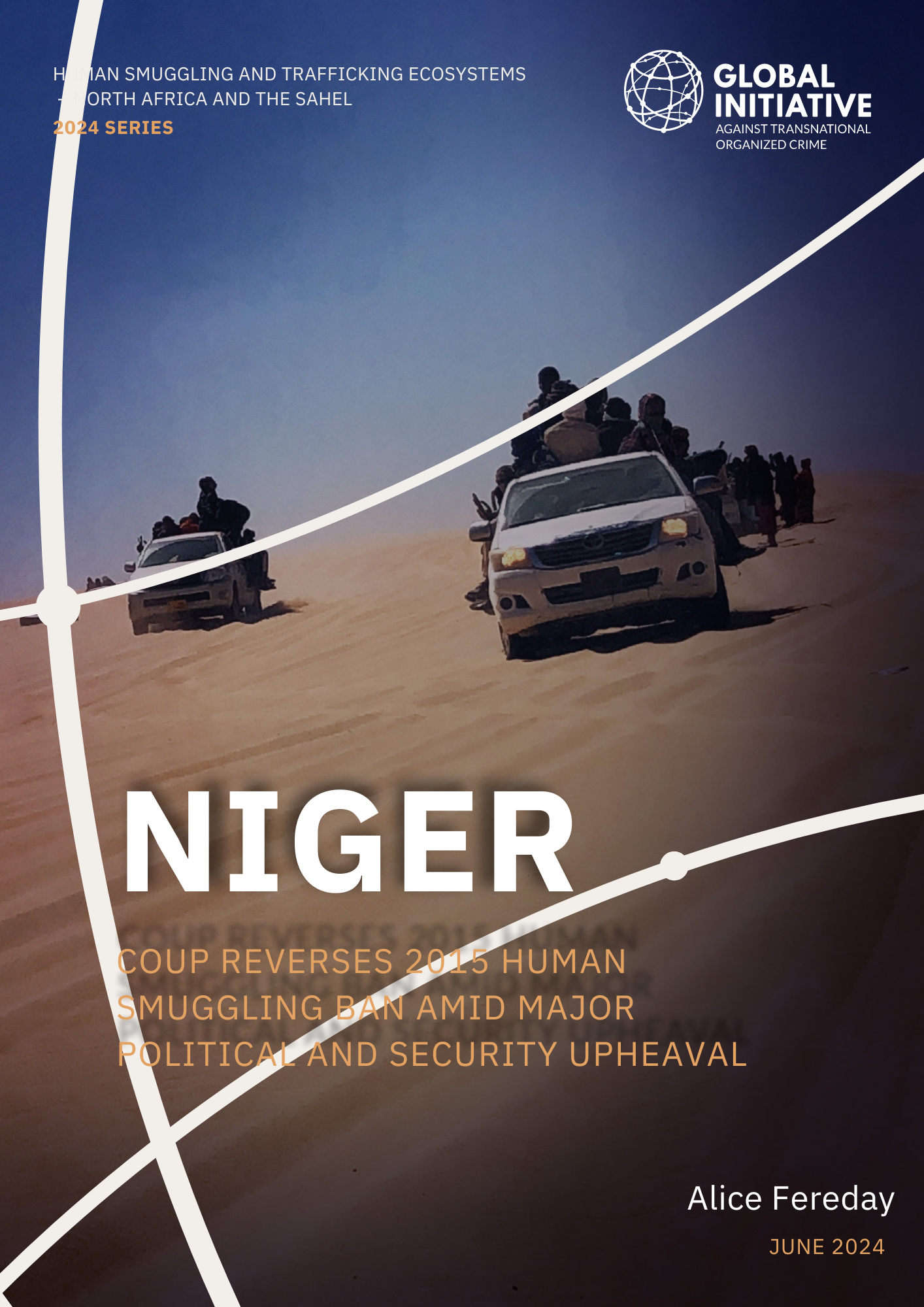
Niger: Coup Reverses 2015. Human Smuggling Ban Among Major Political and Security Upheaval

By Alice Fereday

Niger’s location at the crossroads of key trans-Sahelian routes has positioned it at the heart of migratory flows for decades. The country’s role as a transit hub for migrants heading north towards Libya with the aim of reaching Europe has also attracted the focus of extensive international efforts to curb irregular migration. In 2023, however, it was the major political and security developments at national and regional levels that had the greatest impact on human smuggling in Niger. On 26 July, a military coup overthrew the president, Mohamed Bazoum, and transitional authorities were formed under the Conseil National pour la Sauvegarde de la Patrie (National Council for the Safeguard of the Homeland – CNSP). The military takeover resulted in the closure of the country’s borders with Benin and Nigeria, further complicating movement into Niger, which was already severely affected by growing insecurity in Burkina Faso and south-west Niger. Rather than preventing movement, however, the border closures led to an increased demand for smuggling services, particularly at the Benin border, from both migrants and those transporting commodities. By March 2024, the Nigerian border had reopened, while the Benin border remained closed at the time of writing. An even more significant change came in November, when the CNSP repealed the 2015 anti-smuggling law that had caused the collapse of the industry in northern Niger. This led to one of the most profound shifts in the dynamics of human smuggling since 2015. Since the repeal of the law, passeurs – the colloquial name in the Sahel for transporters involved in human smuggling – across the country have been able to transport foreign migrants legally. The effects were immediately felt in Agadez, which had been the main focus of anti-smuggling operations, resulting in the demise of its human smuggling economy in 2016. With the repeal of the law, departures to Libya have risen steadily since November, as have departures to Algeria. Rather than a sharp spike in foreign movements, the repeal appears to have caused steady, though not exponential, growth since November. Some of the key factors that influenced human smuggling before the legislation change remain in place, such as a preference for routes to Algeria and persistent challenges on regional routes to reach Niger. As a result, the migration landscape in the country is unlikely to return to what it resembled pre-2015. In particular, the westbound displacement of routes, which led to the increased use of Algeria as a transit country to reach Tunisia and to a lesser extent Morocco, is now firmly established and unlikely to shift back. Insecurity linked to the expansion of violent extremist groups in Mali, Burkina Faso and south-west Niger also remains a major constraint on regional mobility, and could further deteriorate amid continued political and security upheaval in the Sahel.

Geneva, SWIT: Global Initiative Against Transnational Organized Crime. 2024. 38p.

A Community-Centric Perspective for Characterizing and Detecting Anti-Asian Violence-Provoking Speech

By Gaurav Verma, Rynaa Grover, Jiawei Zhou, Binny Mathew, Jordan Kraemer, Munmun De Choudhury, Srijan Kumar

Violence-provoking speech -- speech that implicitly or explicitly promotes violence against the members of the targeted community, contributed to a massive surge in anti-Asian crimes during the pandemic. While previous works have characterized and built tools for detecting other forms of harmful speech, like fear speech and hate speech, our work takes a community-centric approach to studying anti-Asian violence-provoking speech. Using data from ~420k Twitter posts spanning a 3-year duration (January 1, 2020 to February 1, 2023), we develop a codebook to characterize anti-Asian violence-provoking speech and collect a community-crowdsourced dataset to facilitate its large-scale detection using state-of-the-art classifiers. We contrast the capabilities of natural language processing classifiers, ranging from BERT-based to LLM-based classifiers, in detecting violence-provoking speech with their capabilities to detect anti-Asian hateful speech. In contrast to prior work that has demonstrated the effectiveness of such classifiers in detecting hateful speech (F1=0.89), our work shows that accurate and reliable detection of violence-provoking speech is a challenging task (F1=0.69). We discuss the implications of our findings, particularly the need for proactive interventions to support Asian communities during public health crises.

2024

Tunisia: Irregulation Migration Reaches Unprecedented Levels

By Team of Analysts at the Global Initiative Against Transnational Organized Crime (GI-TOC)’s Observatory

In 2023, Tunisia emerged as the primary country of embarkation for irregular migrants seeking to reach Europe, eclipsing Libya, which had long been the main North African departure point. In total, some 97 306 migrants arrived in Italy from Tunisia, just over three times as many as in 2022. Tunisia’s new status as North Africa’s leading embarkation hub followed four years of constant growth in irregular migration and human smuggling. In previous years, the increase in departures had primarily involved Tunisian nationals. In 2023, however, the surge in irregular migration was largely driven by foreigners, mostly from West Africa and Sudan. While some of these migrants were long-term residents in Tunisia, the spike was fuelled by a notable and rapid rise in the arrival of sub-Saharans across the border with Algeria and, to a lesser extent, the border with Libya. The high demand for departures led to a more complex smuggling ecosystem in Tunisia, with networks offering increased and diversified services. There were also key shifts in the way foreign migrants, in particular, embarked, with a growing number forgoing engagement with smugglers and turning instead to self-smuggling. However, as in previous years, it was the worsening of the country’s complex political, social and economic problems that spurred clandestine departures and licit migration. While some aspects of the multidimensional crisis facing Tunisia improved, overall the challenges remained acute, with severe drought, uncertain financing conditions and the slow pace of reforms hampering economic recovery, while failures of governance continued to affect the delivery of public services such as water, education and health care. Moreover, a dramatic shift in Tunisia’s approach to irregular migration led to a deterioration in conditions for migrants and an acceleration in the pace of foreign migrants leaving the country. In February, President Kais Saied denounced undocumented sub-Saharan migration to Tunisia, triggering a series of events that resulted in foreign migrants being evicted from their homes, dismissed from their jobs, and threatened with arrest and violence. This growing climate of fear in turn influenced and hastened the departure of undocumented migrants from the country. In response to rising migration, the Tunisian government instituted tighter security controls, with occasional escalations in response to spikes in departures. Enforcement in maritime areas and along the land borders with Libya and Algeria intensified in the second half of the year. In addition, the Tunisian government increasingly resorted to the forced transfer of migrants – mainly to and across the borders with Libya and Algeria – in order to manage tensions among the local population and curb departures. According to public reports documenting the testimonies of deported migrants, a notable element of these forced transfers was the level of violence and abuse inflicted by the Tunisian security forces. The exceptional growth in irregular migration from and through Tunisia in 2023 marked a rapid escalation of trends observed since 2020. Given the enduring influence of the factors driving irregular movement from Tunisia and other key countries of origin, interest in departures to Europe is expected to persist further into 2024. However, volumes will be influenced by a number of variables, including the effectiveness of security forces in managing increased migratory pressures and the adaptability of smuggling networks to evolving enforcement tactics. This is the latest Global Initiative Against Transnational Organized Crime (GI-TOC) monitoring report on human smuggling in Tunisia. It builds on the series of annual reports that has been issued since 2021, tracking the evolution of human smuggling in Tunisia, as well as the political, security and economic dynamics that influence it.

Geneva, SWIT: Global Initiative Against Transnational Organized Crime, 2024. 41p.

Human smuggling and trafficking in North Africa and the Sahel: CHAD

By: Alice Fereday

Over the past four years, the human smuggling ecosystem in Chad has continued to evolve and change. The Chadian government, for its part, has increasingly sought to tighten controls on the northbound movement of migrants, perceiving the flow of people as contributing to instability, rebel activity, and organized crime in the north as well as in southern Libya.

Movement north has remained robust, despite – and in some cases because of – conflict and instability, the COVID-19 pandemic, and government enforcement. The changed security landscape, however, has driven smuggling networks to adopt increasingly clandestine approaches to movement and operations. All of these dynamics remained salient in 2023. However, mobility in Chad was also substantially shaped by the outbreak of war in Sudan. The conflict led to a mass arrival of refugees in eastern Chad and, more broadly, posed significant risks to the stability of the country. The enormous influx of refugees into Chad further strained the limited assistance capacities in the Ouaddaï, Sila and Wadi Fira regions, triggering a large-scale humanitarian crisis in these areas, and negatively affecting the prices and availability of basic commodities. While most refugees remain in refugee camps in eastern Chad, some have begun to leave, intending to travel to northern Chad, Libya and Tunisia, often with the help of smugglers. The conflict initially reduced the number of Sudanese travelling to northern Chad, but movements picked up towards the end of the year. Human smuggling from western Chad, while less affected by the conflict in Sudan, continues to be suppressed, although there has been some relaxation of law enforcement efforts. Meanwhile, artisanal mining at the Kouri Bougoudi goldfield has flourished since its reopening in late 2022, with most operations now formalized. Efforts by the Société Nationale d’Exploitation Minière et de Contrôle (National Society for the Exploitation and Control of Mining – SONEMIC) to formalize and regulate activities caused tensions among gold miners, but security at the goldfield has reportedly improved. Mid-2023 also saw renewed rebel incursions into northern Chad and clashes between rebel groups and the Chadian military. However, pressure on rebel groups from the Libyan Arab Armed Forces (LAAF) in Libya and the surrender of significant numbers of rebels in northern Chad have weakened key groups such as the Conseil de Commandement Militaire pour le Salut de la République (Military Command Council for the Salvation of the Republic – CCMSR) and the Front pour l’Alternance et la Concorde au Tchad (Front for Change and Concord in Chad – FACT). As a result, the risk of rebel incursions into Chad, while not permanently eliminated, appears to be largely contained for the time being. Chad also entered the next phase of its transition process, preparing for the elections, which were held in May 2024. This was a crucial period for the transitional authorities to consolidate their power and credibility, given the high level of opposition to the largely controversial transition process. However, following a contested constitutional referendum in December 2023, which enshrined the principle of a unitary state pushed for by the transitional authorities, political violence escalated in early 2024. In February, following the announcement that presidential elections would be held on 6 May, a key opposition figure, Yaya Dillo Djérou, was killed by security forces amid clashes at the headquarters of his party, the Parti Socialiste sans Frontières (Socialist Party Without Borders – PSF).1 The Chadian government claimed that its forces were in fact involved in a shootout at the PSF’s headquarters, after an attack on government security forces the night before. This raised fears that there would be further violence and repression of opposition and civil society voices after the May elections. While the elections were in fact relatively peaceful, there are still ongoing concerns related to the contraction of civil society space and democratic process.

Geneva: SWIT: Global Initiative Against Transnational Organized Crime, 2024. 37p..

Cannabis Legalisation in Colombia: Exploring the potential impacts of organized crime.

By Felipe Botero Escobar

Cannabis is the most widely consumed illicit drug globally, with around 219 million users in 2021, according to the UNODC. It is also the illicit drug that is being legalized most rapidly for medicinal or recreational use. While Colombia has taken steps toward regulation, such as legalizing medicinal cannabis in 2015, the complete legalization of recreational cannabis is still under discussion.

This report draws on experiences from countries like Uruguay, Canada, and the United States, which have already implemented cannabis legalization, to explore the possible outcomes for Colombia. It concludes that while legalization could reduce the size of the illegal cannabis market, a grey market supplying both local and international demands is likely to persist.

A key focus is on how criminal control over cannabis production areas could hinder the transition of growers to a legal market. The report emphasizes the need for coordinated cannabis regulatory and security policies to protect small-scale and traditional growers and integrate them into the legal market. Furthermore, the potential for reduced violence is explored, though the report notes that this is unlikely to happen immediately. Criminal groups may resist the establishment of a legal market, leading to short-term increases in violence as they compete for control over remaining illicit markets.

Another significant finding is the potential transformation of Colombia’s criminal justice system. Legalization could free up resources, allowing law enforcement to prioritize more serious public safety issues and reducing low-level cannabis prosecutions and prison overcrowding.

This report offers crucial insights for policymakers, emphasizing that while cannabis legalization is not a cure-all for crime and violence in Colombia, it is a critical step toward more effective drug policy reform and organized crime reduction.

Geneva, SWIT: Global Initiative Against Transnational Organized Crime, 2024. 35p.

Loophole Masters: How enablers facilitate illicit financial flows from Africa

By Washington State Statistical Analysis Center

This project seeks to discover whether exclusionary discipline and later criminal justice system involvement are associated, and to determine whether race, sex, and homelessness are confounding factors.

The Washington Statistical Analysis Center (SAC) applied for and received the 2018 State Justice Statistics Grant from BJS. Among other projects, the SAC sought the grant to evaluate the connection between a student’s exclusionary discipline and their future justice system involvement in Washington. This evaluation connects data from schools and the courts to assess the strength of this relationship and examine the influence of other factors (such as race, sex, and homelessness).

Here are some of the main takeaways from this report:

  • Students identified as male were more than two times as likely to be associated with postgraduate convictions as compared to their female counterpart.

  • Students with any homelessness were 1.7 times as likely to be associated with a post graduate conviction than student with no record of homelessness.

  • Students identified as American Indian or Alaskan Native were more than two times more likely to have a post-graduate conviction than students identified as other races

  • Students identified as Black/African American had at least one exclusionary discipline event (25.1%) at nearly twice the proportion of the cohort average (13.6%), with students identified as American Indian/Alaskan Native and Hispanic/Latino not far behind.

  • Results should be interpreted with caution.

Olympia, WA: Washington State Statistical Analysis Center, 2022. 11p.

Illicit Order: The Militarization Logic of Organized Crime and Urban Security in Rio de Janeiro

By Antônio Sampaio

In the past decade, the Rio de Janeiro metropolitan area has witnessed, consecutively, some of the world’s most intense clashes between criminal groups over territorial control, implemented one of the most innovative urban security strategies and, later, reverted to a classic militarized, iron-fisted approach to fighting crime. At the core of these clashes, strategies and crackdowns is a long-standing armed struggle involving criminals, militias and state forces for territorial control in the second largest city in Brazil, one of the world’s top 10 economies. In the main, the security actor that responds to criminal groups’ grip over the city’s large, densely populated hillside slums (known as favelas in Portuguese) is the military police, which has acquired a reputation for a ‘shoot-first-askquestions-later’ approach. The force is also often associated with its elite special-operations squad, BOPE (Special Police Operations Battalion, translated from the Portuguese). This is a deadly force of heavily armed officers placed at the spearhead of police operations engaging with gang-controlled favelas. Its insignia is a skull perforated by two pistols and a knife. The state security forces, therefore, have been described as brutal and militarized – with good reason. Brazil’s new political leaders, sworn in in early 2019, both at the federal and state level, unleashed upon the country a vision of further repressive policies on public security without the accompanying governance and developmental approaches to the urban areas where armed criminal groups are concentrated. President Jair Bolsonaro’s security proposals have been thin on longterm solutions; he has resorted instead to deregulating gun possession and reducing penalties for police officers shooting suspects. The president’s lack of strategy to tackle the problem has not hindered his ‘tough-on-crime’ rhetoric: in August 2019 he said his proposals would make criminals ‘die in the streets like cockroaches’. Bolsonaro’s ally, the governor of the state of Rio, Wilson Witzel, has gone further. Witzel has ordered an increase in the use of snipers, deployed to shoot suspected criminals from helicopters. These kinds of policies mark a return to a long tradition of repressive security approaches in Rio (as analyzed in the second section of this report) and represent a radical reversal of previous governmental approaches focused on improving marginalized urban areas and communities where the grip of organized crime has been stronger. Despite this excessive focus on repression, the core security issue in Rio de Janeiro is not the authorities’ militarized policies on security. Rather, this, and the police, is just one part of the core issue, namely the consolidation of an illicit order in marginalized territories amid the declining legitimacy of the state. The militarization of security policies, which is part of declining state legitimacy, is a reaction that intensified and probably reinforced the core problem. Meanwhile, the rise of violent, armed non-state actors has been partially a response to the heavy-handed police crackdowns, but it is also a response to other criminal actors, one that serves the purpose of establishing, enforcing or defending the illicit order. (The term ‘illicit order’ refers to a situation in which an armed criminal actor has a permanent presence in a given urban territory, and establishes rules and punishments enforced by the threat or exercise of violence. The effectiveness and severity with which those rules are enforced may vary over time.) Another distinctive feature of Rio’s security landscape over the past decade has been experimentation with a stabilization strategy in gang strongholds, referred to locally as pacificação (‘pacification’). This strategy had been around for 10 years by 2018, showing that it is possible to reclaim areas from gangs (at least for a time). It also distinguished itself by the authorities’ attempt – successful for some time – to reconcile the use of armed force with socio-economic development initiatives, such as urban infrastructure and educational programmes. To break a vicious cycle of recurring police incursions in slums, which often resulted in intense gunfights and deaths, local authorities combined a heavily armed ‘occupation’ of slum areas with a gradual push for community policing, state-managed public-service delivery and development. In doing so, the government introduced a political element in its urban security policy, the thinking being that neither policing nor social development were sufficient by themselves to achieve the desired results. Instead, authorities recognized that urban security could be combined with a profoundly political purpose – to recover the allegiance of local residents, introduce state institutions and establish state governance. No wonder the pacification programme was compared to counterinsurgency by US diplomats and academics, given its parallels with the counterinsurgency principle of wrestling population support away from rebel groups and towards government authority. In the pursuit of this local political objective, policing, infrastructure investment, public services and social development programmes were deployed – with impressively positive results during the first five years or so of the pacification process (approximately from late 2008 to 2013). The programme marked a watershed moment in the perception of what is the goal of an urban security strategy: the transition of violent territories to stability through institutions, governance and security. An important reason why the programme has received worldwide attention as a case study on urban security is that it worked – for a time. A 2012 World Bank study, for instance, is titled ‘Bringing the state back into the favelas of Rio de Janeiro’....etc....

Geneva, SWIT: Global Initiative Against Transnational Organized Crime, 2019. 40p.