Open Access Publisher and Free Library
CRIME+CRIMINOLOGY.jpeg

CRIME

Violent-Non-Violent-Cyber-Global-Organized-Environmental-Policing-Crime Prevention-Victimization

Posts in Violence & Oppression
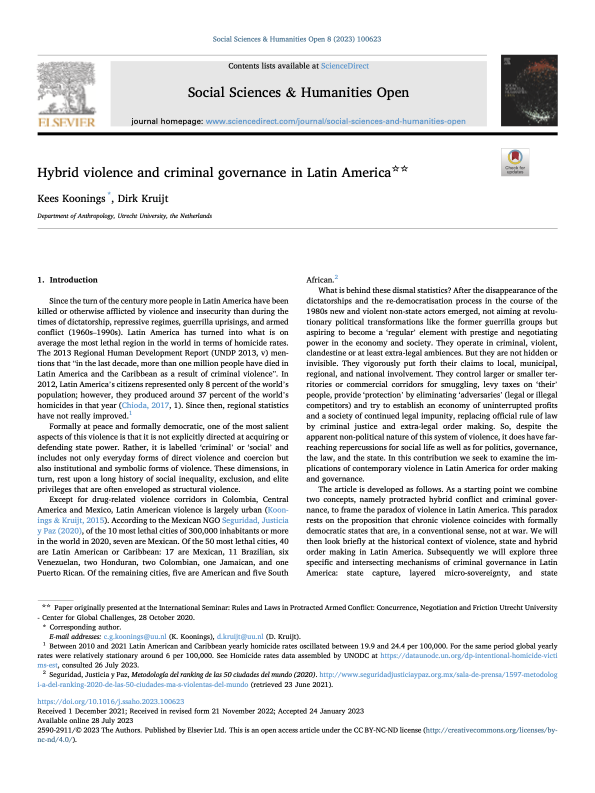
Hybrid violence and criminal governance in Latin America

By Kees Koonings, Dirk Kruijt

Show moreSince the turn of the century more people in Latin America have been killed or otherwise afflicted by violence and insecurity than during the times of dictatorship, repressive regimes, guerrilla uprisings, and armed conflict (1960s–1990s). Latin America has turned into what is on average the most lethal region in the world in terms of homicide rates. The 2013 Regional Human Development Report (UNDP 2013, v) mentions that “in the last decade, more than one million people have died in Latin America and the Caribbean as a result of criminal violence”. In 2012, Latin America’s citizens represented only 8 percent of the world’s population; however, they produced around 37 percent of the world’s homicides in that year (Chioda, 2017, 1). Since then, regional statistics have not really improved.1 Formally at peace and formally democratic, one of the most salient aspects of this violence is that it is not explicitly directed at acquiring or defending state power. Rather, it is labelled ‘criminal’ or ‘social’ and includes not only everyday forms of direct violence and coercion but also institutional and symbolic forms of violence. These dimensions, in turn, rest upon a long history of social inequality, exclusion, and elite privileges that are often enveloped as structural violence. Except for drug-related violence corridors in Colombia, Central America and Mexico, Latin American violence is largely urban (Koonings & Kruijt, 2015). According to the Mexican NGO Seguridad, Justicia y Paz (2020), of the 10 most lethal cities of 300,000 inhabitants or more in the world in 2020, seven are Mexican. Of the 50 most lethal cities, 40 are Latin American or Caribbean: 17 are Mexican, 11 Brazilian, six Venezuelan, two Honduran, two Colombian, one Jamaican, and one Puerto Rican. Of the remaining cities, five are American and five SouthAfrican.2 What is behind these dismal statistics? After the disappearance of the dictatorships and the re-democratisation process in the course of the 1980s new and violent non-state actors emerged, not aiming at revolutionary political transformations like the former guerrilla groups but aspiring to become a ‘regular’ element with prestige and negotiating power in the economy and society. They operate in criminal, violent, clandestine or at least extra-legal ambiences. But they are not hidden or invisible. They vigorously put forth their claims to local, municipal, regional, and national involvement. They control larger or smaller territories or commercial corridors for smuggling, levy taxes on ‘their’ people, provide ‘protection’ by eliminating ‘adversaries’ (legal or illegal competitors) and try to establish an economy of uninterrupted profits and a society of continued legal impunity, replacing official rule of law by criminal justice and extra-legal order making. So, despite the apparent non-political nature of this system of violence, it does have farreaching repercussions for social life as well as for politics, governance, the law, and the state. In this contribution we seek to examine the implications of contemporary violence in Latin America for order making and governance. The article is developed as follows. As a starting point we combine two concepts, namely protracted hybrid conflict and criminal governance, to frame the paradox of violence in Latin America. This paradox rests on the proposition that chronic violence coincides with formally democratic states that are, in a conventional sense, not at war. We will then look briefly at the historical context of violence, state and hybrid order making in Latin America. Subsequently we will explore three specific and intersecting mechanisms of criminal governance in Latin America: state capture, layered micro-sovereignty, and statetransgression.

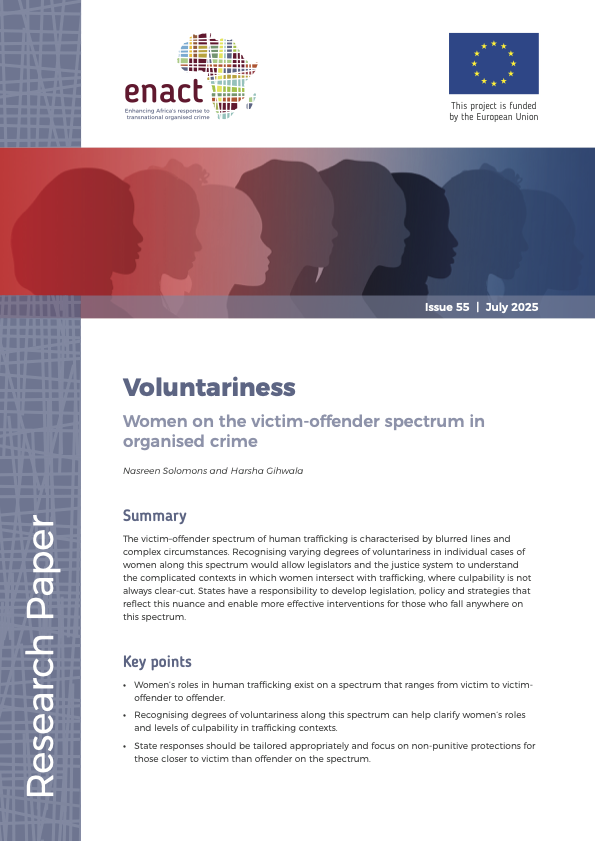
Voluntariness Women on the victim-offender spectrum in organised crime

By: Nasreen Solomons and Harsha Gihwala

Summary - The victim–offender spectrum of human trafficking is characterised by blurred lines and complex circumstances. Recognising varying degrees of voluntariness in individual cases of women along this spectrum would allow legislators and the justice system to understand the complicated contexts in which women intersect with trafficking, where culpability is not always clear-cut. States have a responsibility to develop legislation, policy and strategies that reflect this nuance and enable more effective interventions for those who fall anywhere on this spectrum.

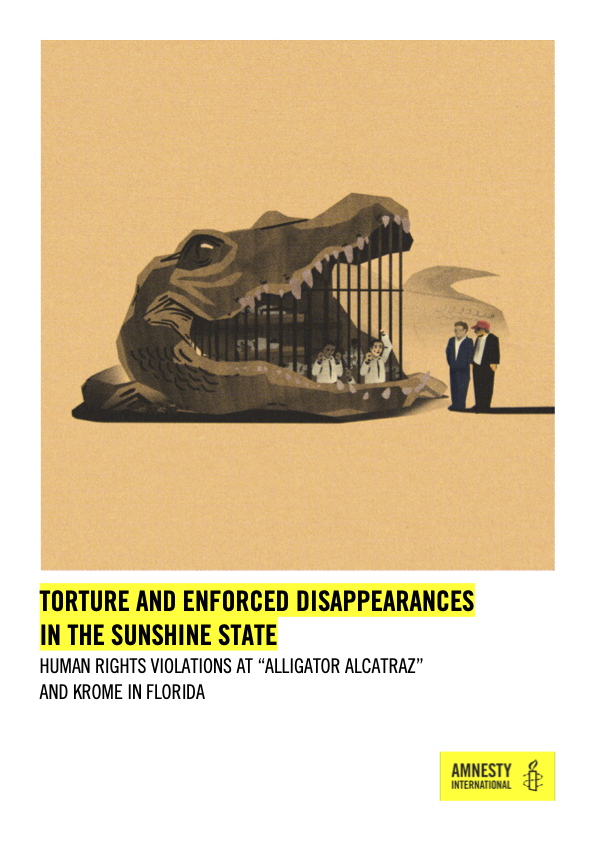
Torture And Enforced Disappearances In The Sunshine State Human Rights Violations At “Alligator Alcatraz” And Krome In Florida

By Amnesty International
This report presents Amnesty International’s findings from a research trip to southern Florida in September 2025, to document the human rights impacts of federal and state migration and asylum policies on mass detention and deportation, access to due process, and detention conditions since President Trump took office on 20 January 2025. In particular, it focuses on detention conditions at the Krome North Service Processing Center (Krome) and the Everglades Detention Facility, also known as “Alligator Alcatraz”.

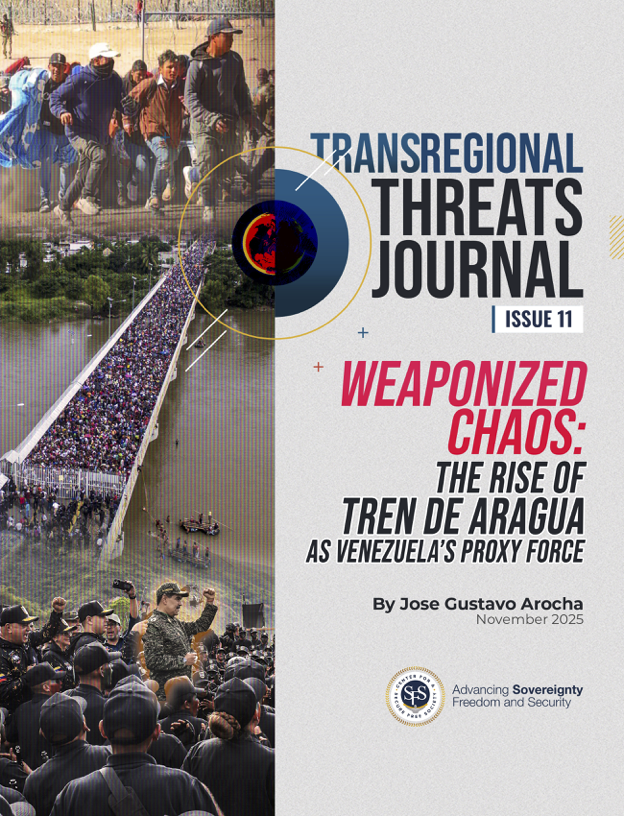
Weaponized Chaos: The Rise of Tren de Aragua as Venezuela's Proxy Force, 2014–2025

By José Gustavo Arocha

BOTTOM LINE UP FRONT: 

1 Tren de Aragua (TdA) has morphed from a prison gang into a paramilitary instrument of the Maduro regime, now active in at least eleven Latin American countries [1] and twenty-three U.S. states, [2] according to the U.S. House Oversight Committee (2025).

2 Strategic Alignment. TdA’s deliberate expansion complements Venezuela’s Guerra de Todo el Pueblo asymmetric-warfare doctrine, [3] erasing boundaries between statecraft and organized crime.

3 Elastic Network. The gang’s “insurgent archipelago” [4] of semiautonomous cells, linked through encrypted channels, makes it exceptionally resilient; when joint Peruvian-U.S. raids freed more than eighty trafficking victims in January 2025, [5] replacement cells reemerged within days. [6]

4 Weaponized Migration. By monetizing migrant flows, selling “all risk” travel packages that often devolve into debt bondage, [7] TdA offloads costs onto regional adversaries; more than 520,000 migrants transited through the Darién Gap in 2023. [8]

5 Persistent Threat. Despite terrorism designations by the United States, Argentina, Ecuador, and Trinidad and Tobago—and nearly 3,500 U.S. arrests as of August 2025, [9] TdA’s franchise model is regenerating faster than law enforcement can dismantle it.

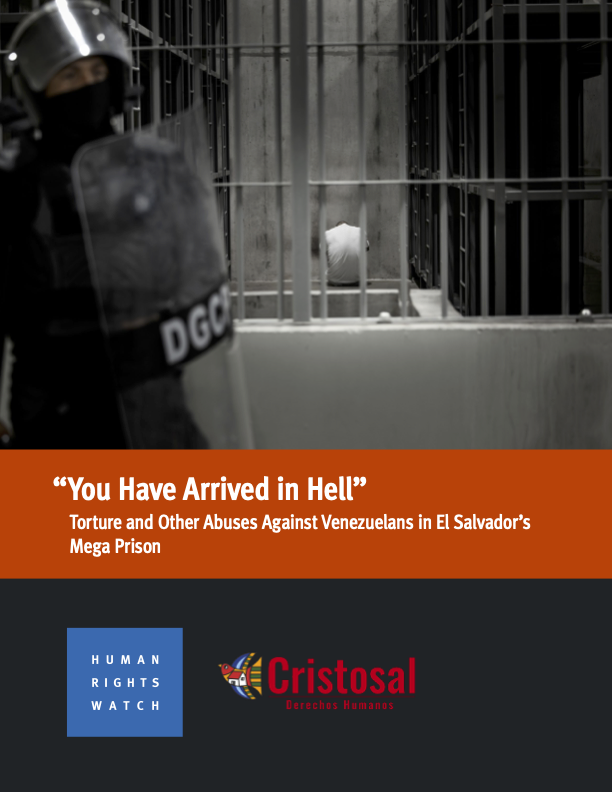
“You Have Arrived in Hell”. Torture and Other Abuses Against Venezuelans in El Salvador’s Mega Prison

By Human Rights Watch

The 81-page report, “‘You Have Arrived in Hell’: Torture and Other Abuses Against Venezuelans in El Salvador’s Mega Prison,” provides a comprehensive account of the treatment of these people in El Salvador. In March and April 2025, the US government sent 252 Venezuelans, including dozens of asylum seekers, to the Center for Terrorism Confinement (Centro de Confinamiento del Terrorismo, CECOT) mega prison in El Salvador, despite credible reports of serious human rights abuses in El Salvador’s prisons. The Venezuelans were subject to refoulement—being sent to where they would face torture or persecution—arbitrary detention, enforced disappearance, torture, inhumane detention conditions and, in some cases, sexual violence.

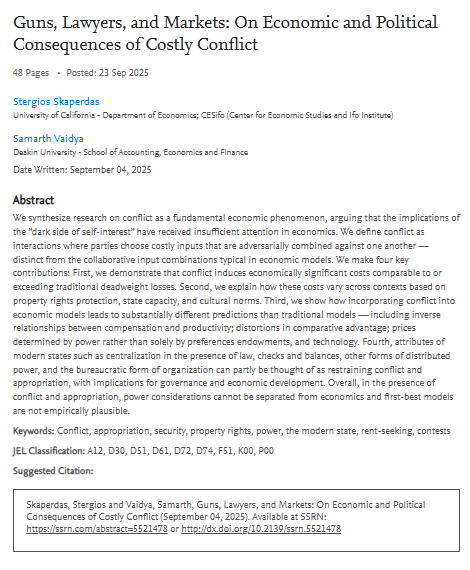
Guns, Lawyers, and Markets: On Economic and Political Consequences of Costly Conflict

By Stergios Skaperdas and Samarth Vaidya

We synthesize research on conflict as a fundamental economic phenomenon, arguing that the implications of the ”dark side of self-interest” have received insufficient attention in economics. We define conflict as interactions where parties choose costly inputs that are adversarially combined against one another — distinct from the collaborative input combinations typical in economic models. We make four key contributions: First, we demonstrate that conflict induces economically significant costs comparable to or exceeding traditional deadweight losses. Second, we explain how these costs vary across contexts based on property rights protection, state capacity, and cultural norms. Third, we show how incorporating conflict into economic models leads to substantially different predictions than traditional models — including inverse relationships between compensation and productivity; distortions in comparative advantage; prices determined by power rather than solely by preferences endowments, and technology. Fourth, attributes of modern states such as centralization in the presence of law, checks and balances, other forms of distributed power, and the bureaucratic form of organization can partly be thought of as restraining conflict and appropriation, with implications for governance and economic development. Overall, in the presence of conflict and appropriation, power considerations cannot be separated from economics and first-best models are not empirically plausible.

 CESifo Working Paper No. 12135, 2025

THE CRIME Volume 3.

BY Richard Grelling.. Translated By Alexander Gray. Introduction by Colin Heston.

Richard Grelling’s The Crime (Das Verbrechen), translated into English by Alexander Gray and published in London and New York between 1917 and 1919, is conceived as both a moral successor and completion to his earlier pacifist landmark, J’Accuse!, written between August 1915 and November 1916. In creating this extended work, Grelling sought to underscore the causes of World War I and dissect the self-justifying rhetoric that sustained the conflict long after its outbreak. Volumes I and II lay foundational groundwork, tracing the immediate antecedents of the war: imperialist tendencies within Germany and, on the part of the opposing Entente powers, ostensibly defensive motives followed by trait protectionism.

Never before in the annals of humankind has a crime of such sweeping magnitude been committed—and seldom has its perpetration been met with denial so unashamed. Within the very citadels of reason and culture, a proud civilization unleashed catastrophe under the guise of necessity—only to scramble afterward in self-exculpation. It is in this spirit of moral defiance—standing firm against voices of dissent, even from one’s own kin—that The Crime is offered to you. In the trilogy’s third volume, Grelling moves beyond the origins of war into the heart of wartime rationalization, exposing the “war-aims” that enabled aggression to persist under the cloak of purpose. May this work cast a clear light upon the structures of self-deception that allowed the world’s descent, and may it stir an unyielding clarity in us to recognize—and reject—such patterns again.

Read-Me.Org Inc. New York-Philadelphia-Australia. 2025. 261p.

Weaker the Gang, Harder the Exit

By Megan Kang

This study draws on 95 interviews and observations with gang-affiliated individuals in Chicago to examine how gang structures shape disengagement and desistance from crime. Over the last two decades, the city’s gangs have experienced a decline in group closure, or their capacity to regulate membership and member behavior, and a blurring of boundaries between those active in a gang from all others. In the past, Chicago’s gangs maintained closure and bright boundaries that made gang affiliations, norms, and territories clearly defined. Leaving these gangs required costly exit rituals that signaled an unambiguous departure while facilitating desistance. Today, with weaker gang structures and blurry boundaries, leaving a gang is no longer a distinct event. However, the ease of gang disengagement makes desistance harder, as inactive members struggle to knife off past ties and access turning points. In this uncertain landscape, desistance tactics can backfire, sending blurred signals—behaviors intended to create distance from former affiliates and rivals but appear as wavering commitment to supporters—that trap individuals in a liminal space between social worlds. Contrary to leading desistance theories that emphasize individual readiness, opportunity, and pro-social bonds, this study underscores how group structures critically shape pathways out of crime

Unpublished paper 2025, 55p.

Alcohol and Violence: Isolating the Impact of the Of-Trade

By Carly Lightowlers, Lucy Bryant

COVID-19 restrictions significantly altered alcohol availability across England, at times with on-trade premises closed, presenting a novel opportunity to examine the efects of of-trade alcohol availability on violence. Police recorded violent crime data were used to examine changes in the level and proportion of (i) violence as well as (ii) domestic violence, which was alcohol-related during this period. On-trade closures saw the proportion of violent incidents recorded as alcohol-related fall only subtly (by 3 percentage points in months of closure) and did not lead to a significant difference in the proportion of domestic violence, which was recorded as alcohol-related. Tis suggests of- and on-trade alcohol availability may be comparable contributory factors to levels of violence and domestic violence

Te British Journal of Criminology, 2025, XX, 1–18

BROKEN AMBITIONS: The Global Struggle to Halve Violent Deaths by 2030

By Gianluca Boo and Gergely Hideg

Overview The year 2021 saw a concerning increase in global violent death rates after the relative calm of the Covid-19 pandemic era. While violent deaths in 2020 reached a historic low since 2004, 2021 marked a global increase of six per cent, halting the previous trend of improvement. Intentional homicides remained stable, comprising two-thirds of all violent deaths, while conflict-related deaths surged, especially in Afghanistan and Myanmar, due to political upheavals. Firearms played a significant role— accounting for about 45 percent of global violent deaths— albeit less than in previous years. Men disproportionately bore the brunt of violence, with death rates more than five times higher than those of women. Geographic patterns also revealed stark disparities. Asia and Africa exhibited the highest violent death rates, and regions such as Europe and Oceania experienced the lowest levels. Forecasts for the 2030 horizon suggest a need for concerted efforts to prevent violence, as the ‘business-as-usual’ analysis —assuming that current trends remain—projects a continued increase in deadly violence. Key findings The year 2021 saw a concerning six per cent rise in global deadly violence compared to 2020. Of the approximately 580,000 violent deaths, about 45 per cent were inflicted by firearms. Violence overwhelmingly and disproportionately affected men, with a rate of 12.27 victims per 100,000 population among men and boys versus 2.33 for women and girls. Compared to the 2015 benchmark of Agenda 2030, the number of intentional homicides has decreased by only 2.6 per cent. Just over a quarter of the world’s countries and territories are currently on track to meet SDG Target 16.1. Current trends suggest the world will miss this target by 2030. The year 2020 marked a high point in progress towards reducing violent deaths. From a rate of 7.0 violent deaths per 100,000 population that year, rates have since exhibited an upward trend, reaching 7.3 in 2021 and on track to reach 7.6 by 2030.

Geneva: Small Arms Survey, 2024. 20p.

THE BENEFITS OF ELIMINATING COLORADO’S SEXUAL ASSAULT KIT BACKLOG

By MITCH MORRISSEY & ERIK GAMM

DNA evidence, where it’s available, is crucial to solving sexual assault cases—according to one study, it raises the likelihood of a guilty verdict from less than a third to nearly 75%. The trouble and expense of processing it, however, can create backlogs that put cases on hold for years. Dozens of state and local law-enforcement agencies have faced this problem over the decades since DNA technology emerged.

This year, due in part to years of alleged misconduct by one of its forensic scientists, the Colorado Bureau of Investigation (CBI) found itself with a queue of more than 1,400 untested sexual assault kits and without the means to process new ones promptly. The unsolved cases stuck in this backlog represent substantial further crime risks from repeat offenders, delayed justice for victims, and tangible costs to Colorado’s economy.

Key Findings

By processing all of the 1,369 DNA kits in the state’s backlog, Colorado could prosecute up to 200 rape cases.

This would also prevent up to 1,030 sexual assaults, 108 other violent crimes, 230 property offenses, and 113 drug/alcohol, public disorder, and other crimes.

At a testing cost of $2,000 per kit and adjudication, public-services, and work-loss costs totaling $82,000 per case, clearing the backlog and prosecuting cases associated with it will cost the state $21 million. In return, Colorado’s economy will eventually save $234.7 million due to prevention of future crimes.

The longer authorities take to clear the backlog, the larger the costs and smaller the savings will become.

CSI estimates that, by training 15 more DNA scientists over the next year, CBI will clear its DNA backlog of excess kits by July 2027. Delayed processing of kits currently in the backlog, which are expected to be tested by September 2026, will have allowed $51.8 million worth of additional criminal activity.

Even kits that don't lead to convictions are worth testing for the qualitative benefits they offer, like identifying deceased and incarcerated perpetrators, adding to the national DNA database, and providing closure to victims.

Common Sense Institute, 2025. 12p.

The Impact of Retail Theft & Violence 2024

By the National Retail Federation, The Loss Prevention Research Council, Sensormatic Solutions

Retailers reported a 93% increase in the average number of shoplifting incidents per year in 2023 versus 2019 and a 90% increase in dollar loss due to shoplifting over the same time period. Conducted in partnership with the Loss Prevention Research Council and sponsored by Sensormatic Solutions, "The Impact of Retail Theft & Violence 2024" examines how theft and violence have evolved since before COVID and how retailers are combating today's retail crime landscape.

The survey was conducted online among senior loss prevention and security executives in the retail industry June 10 through July 12. The study contains results from mid-size to large retailers across 164 retail brands, which accounted for $1.52 trillion in annual sales in 2023 or 30% of total retail sales. The brands represent a variety of retail sectors including specialty and luxury retail, home improvement, mass merchandise, grocery and pharmacy.

Washington, DC: National Retail Federation, 2024. 26p.

A STUDY OF GANG DISENGAGEMENT IN HONDURAS

By Cruz, J. M., Coombes, A., Mizrahi, Y., Vorobyeva, Y., Tanyu, M., Campie, P., Sánchez, J., & Hill, C

Can a gang member in Honduras leave the gang, abandon criminal activities, and rehabilitate? What factors facilitate the process of disengagement from gangs in Honduras? To answer these questions, the American Institutes for Research (AIR), the Kimberly Green Latin American and Caribbean Center at Florida International University (LACC-FIU), and Democracy International (DI) conducted a study with Honduran gang members and former gang members across the country. The study is based on a survey with a sample of 1,021 respondents with a record of gang membership and 38 indepth interviews with former gang members and other community members. Active gang members do disengage from the gang and its activities, but this disengagement depends on a myriad of factors, including the types of social relationships which the individual establishes outside the gang, the type of gang organization, and the availability of faith-based programs willing to reach out to the individual. This study, funded through the United States Agency for International Development (USAID) Latin America and Caribbean Youth Violence Prevention project, builds on previous academic scholarship on gangs in Honduras and Central America. We conducted the survey interviews in three adult penitentiaries, three juvenile detention centers, two juvenile parole programs, and several faith-based centers which work with former gang members in Tegucigalpa and San Pedro Sula. We complemented the information with semistructured interviews with 14 former gang members in the metropolitan areas of San Pedro and La Ceiba. We also interviewed 24 subject-matter experts and community members in Tegucigalpa, San Pedro Sula, and La Ceiba. We contracted a local firm, ANED, to conduct the survey interviews and trained a local team of interviewers, who collected the information under our direct supervision. For the in-depth interviews, we contracted and trained two local specialists. Data collection was conducted between October and December 2019. PRIMARY RESULTS The results indicate that gangs remain a predominantly male phenomenon, and the average age at which males join a gang is 15. Interviewed females joined the gang at an average age of 13.2. Nearly 46 percent of the subjects interviewed for this study are active members of a gang, while the rest are in different stages of gang membership. Approximately 54 percent of the subjects interviewed in the survey belong—or have belonged—to Mara Salvatrucha (MS-13), while 35 percent expressed their loyalty to the 18th Street Gang, also known as Pandilla 18 (or 18th Street Gang). The rest of the interviewees indicated membership in smaller gang groups: Los Chirizos, El Combo que no se deja, Los Olanchanos, Los Vatos Locos, etc. Education The average number of years that individuals with a record of gang membership spent in school was 9.6 years, and 90 percent of our respondents never finished high school. Half of the respondents have a household income of less than 250 USD, and 84 percent did not have a regular job, either in the formal or informal sector, even before going to prison. One in every four gang members lived with their parents or step-parents, while 31 percent lived with other relatives or alone. Furthermore, 56 percent of gang members had children of their own, and 45 percent were married or in a stable relationship. Gang Activities Violence and criminal activities are essential components of gang life. Extortion, murder, and drug trafficking are the most common crimes of which gang members are accused. Nearly 69 percent of the respondents were accused of committing these types of crimes in addition to assaults, robberies, and illicit association. In Honduras, both gangs control territories through the use of extortion, drug trafficking, and violence. Such activities, in combination with seniority as an active gang member, are critical components for ascending the gang structure ranks. Contrary to the common assumption that gang members had to complete a “mission” to join the gang, evidence collected by the study suggests that most of them did not have to go through rites of initiation or perform a mission. Rather, “missions” become an important mechanism by which to ascend the gang ranks once the individual has joined the gang. Gang Structure Over the past two decades, the structures of MS-13 and Barrio 18 seem to have evolved and “mutated.” Gangs appear to be more structured and mandated by a system of unwritten norms and rules common to each organization and shared by the diverse subgroups who share the same gang affiliation. Gangs preserve a regionally fragmented structure (sectors and cliques) which enables them to operate with certain autonomy while adhering to the rules established by membership. The structure of both MS-13 and Barrio 18 include different levels of management, which typically start with the clique as its lowest operational level (i.e., at the neighborhood level). Cliques are the basic gang unit and are composed of several members. On average, cliques are composed of 36 male members, but they vary by size. However, cliques from other gangs (Los Chirizos, El Combo que no se deja, etc.) tend to be larger on average, with 45.8 male members per clique. Cliques are clustered in regional groups called sectores (sectors). Both cliques and sectores are run by a senior member of the gang. Senior members of the MS-13 gang are known as Compas and Palabreros, and Barrio 18 leaders are known as Toros and Homies. Half of the survey respondents (49 percent) held what can be considered a soldier position within the structure of the gang, 17 percent held some position of leadership, and 25 percent were aspiring members of the gang who served as collaborators or informants. Gang leaders do not consider collaborators or informants to be official members of the gang, yet they participate in core activities and play a significant role in the dynamics of gang survival and operation. Joining the Gang From the standpoint of former and active gang members, most (63 percent) joined the gang because of the “pull forces” which peers in the gang exert over them in their teenage years. Gang involvement revolves around the opportunity of disenfranchised teens to join a group which provides them with affection and care, which many do not find at home. Thus, gang members value the “solidarity,” “social respect,” and resources the gang provides, which otherwise would be absent if they were not part of the organization. Evidence suggests that several gang members grew up in environments in which problematic families, lack of opportunities, and lack of respect and affection from their communities were common. Gang recruiters appeal to youth by promising to supply such needs to grow and exert stronger control inside their territories. Thus, findings suggest that most people end up joining gangs in Honduras for “innocent” reasons rather than because of criminal intent. Gang Disengagement The findings of this study suggest that many members do in fact disengage from gangs, but they go through a process in which the interaction of several conditions determines how soon or how complicated the separation could be. More than half of active gang members want to leave the gang. There are four significant predictors of active gang members’ intentions to leave a gang: the type of organization to which the person belongs, the number of years that the person has been active in the gang, the individual’s religious affiliation, and the person’s immediate social circle. Members of the two major gangs expressed less intention of leaving the gang compared to members of the smaller gangs. Active members of MS-13 demonstrated fewer intentions of leaving the gang compared to their rivals in Barrio 18. Additionally, there is a U-shaped curve relationship between the number of years in the gang and intentions to leave. During the first years of gang membership, intentions to leave are stronger; then they subside for a while and start growing again after six years of being in the gang. This pattern suggests that the early months and years of gang life are probably full of doubts about membership. These doubts are later quenched by gratifying experiences as a gang member and then re-emerge as the individual matures. This finding is significantly different from that in Cruz and colleagues’ 2018 study in El Salvador, in which researchers found that intentions to leave the gang are low during the first years of gang membership and then grow as time passes. Religion plays an important role in the process of leaving the gang, although comparatively, this role seems less prevalent than in El Salvador. Belonging to an evangelical church not only contributes to one’s intention to disengage from the gang but also is approved by leaders of the gang (more specifically, MS-13). Further, evangelical churches seem to be more successful than other denominations in connecting with the spiritual needs of the gang population. In the in-depth interviews, half of the respondents referred to a connection to God as the most powerful change mechanism which enabled gang members to disengage from the gang. Survey data also reveal that one of the most important factors in an individual’s intention to leave a gang is social interaction. Gang members who spent the most time with non-gang individuals (their family, non-gang friends, or even alone) before they were detained in prison were more prone to thoughts about leaving the gang. Thus, one’s social circle has a significant influence on the intent to disengage. Gang members who are exposed to social groups different from the gang appear to be more willing to abandon gang life. Reintegration The process of leaving a gang doesn’t end there. Rather, being a defector is the beginning of a series of challenges and obstacles which a former gang member has to face. The most common reintegration challenges by a former gang member include lack of opportunities, insecurity, police abuse, social discrimination, poverty, and lack of family support. Most study participants (69.2 percent) said that church or faith-based organizations are the appropriate institutions to lead rehabilitation and reintegration programs. Otherwise, 14.6 percent of respondents said that nongovernmental organizations should lead rehabilitation programs. Few people interviewed saw government agencies leading rehabilitation efforts, and experts interviewed thought there was little to no political will to approach the gang phenomenon from a rehabilitation standpoint. RECOMMENDATIONS Our research indicates that violence prevention efforts should target the root causes of joining a gang, which are mostly related to absence of positive youth development opportunities in their communities, including lack of employment, insufficient access to education, weak family structures, and negative peer influences. We recommend that programming focus on providing relational, educational, community, and economic supports to young people from an early age to both prevent youth from joining gangs, as well as to support those who have disengaged. Prevention strategies should include efforts to support disengagement from the gangs during the first years of gang membership, when many youth are considering disengagement. Finally, once gang members disengage from gangs, we recommend supporting rehabilitation and reintegration of former gang members to help them become productive members of society and prevent their reinsertion into gang activity.

Washington, DC: American Institutes for Research & Florida International University. 2020. 91p.

Bus Robberies in Belo Horizonte, Brazil: Solutions for Safe Travel

By De Souza Oliveira, Elenice De Souza; Natarajan, Mangai; and da Silva, Bráulio

Abstract This study examines the spatial patterns and other situational determinants leading to the high number of bus robberies in Belo Horizonte. Main research questions include patterns of robberies, spatial concentration, locations prone to robberies, and environmental characteristics therein. This study also provides a variety of safety measures based on the Situational Crime Prevention approach. The Rapid Assessment Methodology (RAM) was employed using both quantitative and qualitative data. It involves spatial analysis, direct observation of hot spots using a safety audit protocol, and focus group discussions with key participants. Bus robberies involve minimum risk and low detection and arrest. The “hottest products” to be stolen include electronic devices and cash. The robberies occur at specific times and locations depending on opportunity. As many crimes go unreported, police data have inaccuracies. Therefore, it is impossible to verify the exact location of the robberies. This study concludes that for safe travel preventive measure should focus on reducing crime opportunities. A collaborative effort is needed from agencies and individuals alike. Further research should focus on examining why the majority of bus robberies are concentrated in only two main bus routes. Are these hot spots just recent spikes or are they chronic?

Crime & Delinquency 1–25 © The Author(s) 2019, 26p.

Cognitive Behavioral Therapy for Gender-based Violence Prevention: Evidence from a Randomized Trial in Mexico

By Beatriz Magaloni, Kerpel Sofía Marinkovic Dal Poggetto, Tommy E. Murphy, Florencia Pucci, Beatriz Serra Fernández

Cognitive behavioral therapy (CBT) has become a powerful and effective tool to deal with violence in many at-risk areas in the world. However, its use for gender-based violence (GBV) and dating violence, although promising, has been limited and used as a response service for survivors, rather than for prevention. To understand to what extent such interventions can help provide tools and skills to young people in their impressionable years to produce behavioral changes that prevent GBV, we carried out such an intervention among high school students in the municipality of Ecatepec in Mexico. We assessed the intervention with a randomized control trial. We introduce the novelty of collecting objective measures from automated neuropsychological tests to explore whether CBT might be functioning through the development of subjects' executive functions. Results from this intervention fail to show any clear change in self-reported violence. They do show, however, impacts on executive functions related to violence, such as emotional recognition and inhibitory control skills.

Washington, EC: Inter-American Development Bank Gender and Diversity Division May 2025 79p.

Groundbreaking Rigorous Evidence on Violence against Women

By Agustina Suaya, Karen Martínez, Monserrat Bustelo, Claudia Martínez

Violence against women (VAW) remains a pervasive and deeply entrenched issue, posing significant challenges to policymakers, researchers, and practitioners worldwide. This policy brief contributes to advancing the field by presenting new evidence on innovative approaches to VAW prevention and response. Despite increasing global attention, VAW prevention remains an evolving area of research, with critical gaps in understanding what interventions work, under what circumstances, and for whom (Araujo et al., 2024). The studies discussed in this document aim to address some of these gaps, focusing on key interventions in Latin America and the Caribbean (LAC). In LAC, VAW persists at alarming levels. Twenty-five percent of women aged 15–49 have experienced physical or sexual violence by an intimate partner at some point in their lives, a figure that mirrors the global average of 27%. Furthermore, 11% of women in the region have faced sexual violence by non-partners, nearly double the global average of 6% (WHO, 2021). Psychological violence is even more widespread, with 64% of women in Colombia and 57% in Ecuador reporting such experiences (Araujo et al., 2024; Pispira et al., 2022). The region also faces the devastating toll of femicidal violence—the most extreme form of VAW. In 2022 alone, 4,050 women were victims of femicide across 26 LAC countries, with intimate partners or family members perpetrating a significant proportion of these crimes (ECLAC, 2023). Younger women are particularly vulnerable, with over 70% of femicide victims aged 15 to 44. These figures underline the critical need for comprehensive, evidence-based strategies to address the multifaceted nature of VAW.

POLICY BRIEF No IDB-PB-418

Washington, DC: Inter-American Development Bank Gender and Diversity Division , 2025. 18p.

Inequality and Crime in Latin America and the Caribbean: New Data for an Old Question

By Ernesto Schargrodsky and Lucía Freira

The purpose of this paper is to study the relationship between inequality and crime, with a focus on the Latin America and Caribbean region. We find a significant, positive, and robust association between these variables.

The results persist if one instruments for inequality with historical variables in crime regressions, suggesting that a causal interpretation of the estimated effect is reasonable. Moreover, inequality is the only variable showing this robust regularity. Education levels, economic activity, income per capita, and poverty show weaker and unstable relationships with crime. The analysis of the distribution of crime victimization indicates that men and youth suffer more crime than women and the elderly. By socio-economic strata, high-income groups suffer more victimization relative to poorer groups in LAC countries, but the poor suffer more homicides.

UNDP LAC Working Paper 13.

Panama City, Panama: United Nations Development Programme, Latin America and the Caribbean , 2021. 48p.

Homicide Victimization in the United States, 2023

By Lizabeth Remrey

In 2023, there were an estimated 19,800 homicide victimizations in the United States, a rate of 5.9 homicides per 100,000 persons (figure 1). This was lower than the estimated 22,240 victimizations (6.7 per 100,000) in 2022 but higher than the 16,670 victimizations (5.0 per 100,000) in 2019. (See appendix table 1 for state estimates.) Homicide refers to the offenses of murder and nonnegligent manslaughter and is defined as “the willful (nonnegligent) killing of one human being by another.”1 Findings in this report are based on the Bureau of Justice Statistics’ and FBI’s National IncidentBased Reporting System (NIBRS) Estimation Program and the FBI’s Supplementary Homicide Reports (SHR).

Washington, DC: U.S. Department of Justice, Office of Justice Programs, Bureau of Justice Statistics , 2025. 23p.

Assessing the Quality of the National Crime Victimization Survey (NCVS) Supplemental Fraud Survey (SFS)

By Lynn Langton, Christopher Krebs, Michael Planty, Marcus Berzofsky

This report describes efforts to compare estimates from the Bureau of Justice Statistics’ (BJS) National Crime Victimization Survey (NCVS) Supplemental Fraud Survey (SFS) to estimates and victimization patterns from other available sources of fraud data. There are numerous sources of data on the prevalence and nature of personal financial fraud. Each source uses different definitions of fraud, employs different methodologies, and suffers from a variety of limitations. BJS developed the SFS to address the major limitations and shortcomings of other existing fraud data collections. It was the first effort by BJS to estimate the prevalence and characteristics of fraud in the United States. The survey was administered to all NCVS respondents age 18 or older from October to December 2017. This paper examines initial SFS estimates of the prevalence and nature of personal financial fraud and explores the similarities and differences between the SFS and other sources of fraud data as one component of an effort to validate the SFS estimates.

Washington DC: U.S. Bureau of Justice Statistics, 2023. 95p.

Strengthening Domestic Violence Service for Deaf Survivors: An Evaluation of Barrier Free Living’s Deaf Services Program

By Malore Dusenbery, Jeanette Hussemann, Teresa Crowe

More than 11 million people in the United States are Deaf, deaf, hard of hearing, late-deafened, or Deaf-Blind. Research indicates deaf people report experiencing victimization at higher rates, but a lack of accessible resources and trauma-informed services for American Sign Language (ASL) speakers makes it difficult for deaf people to report crimes and access support. In response to these issues, the Manhattan District Attorney’s Office in 2017 began funding Barrier Free Living (BFL), a provider of services for survivors of domestic violence and their families, to increase access to direct services for deaf survivors and increase local stakeholders’ awareness of deaf survivors’ needs through its Deaf Services (DS) program.

In 2019, Urban, in collaboration with Gallaudet University and NORC at the University of Chicago, began a multimethod process evaluation of BFL’s DS program to document its implementation and assess to what extent it achieved its intended goals. Drawing on information gathered from BFL staff, deaf consumers of BFL’s services, and community partners, we identified the following key findings:

The DS program provided a range of services to meet the diverse needs of deaf survivors, including counseling and support groups, legal services, case management, housing support, employment support, occupational therapy, and child care. Consumers reported overall positive experiences with the services they received and communication accessibility at BFL.

The DS program helped increase BFL’s ability to communicate with deaf survivors by increasing routine use of interpreters, training hearing staff in ASL, and improving communications technology.

The DS program led to increased awareness and collaboration around services provided to deaf clients, but communication and staffing challenges remain.

The DS program partners with a range of external agencies to support referrals or coordinate service provision, provide education and training, and conduct outreach and advocacy.

Funding and staffing are the primary factors that impede the provision of enhanced services for deaf survivors, but a community-wide lack of accessible and available services and housing also hinders providers from meeting their clients’ needs.

Based on these findings, we provide recommendations for

how BFL and similar direct service programs can improve and adapt staffing, services, and outreach to strengthen their response to deaf survivors;

how policymakers, funders, and system-level stakeholders can address societal and policy-level barriers to meeting the needs of deaf survivors; and

how researchers and funders of research can fill critical gaps in research on deaf survivors and deaf-focused services by increasing and improving the research done with the deaf community.

Washington, DC: The Urban Institute, 2022. 83p.