Open Access Publisher and Free Library
CRIME+CRIMINOLOGY.jpeg

CRIME

Violent-Non-Violent-Cyber-Global-Organized-Environmental-Policing-Crime Prevention-Victimization

Posts in Violence & Oppression
Wyoming Missing & Murdered Indigenous People Task Force 2025 Update

By Emily Grant, Lena Dechert

Wyoming is home to a little over 16,000 Indigenous residents, who make up nearly 3% of the state's population. However, Indigenous people in Wyoming continue to experience disproportionately high rates of homicide and disappearances compared to White residents. This means they go missing and are killed more often than their population size alone would predict. The Wyoming Missing and Murdered Indigenous Persons (MMIP) Task Force is dedicated to tracking and sharing data on these cases. This fifth-annual publication includes the latest available information on Indigenous homicide victims and missing persons in Wyoming, along with updates on efforts to improve law enforcement protocols for missing person cases.

Laramie: Wyoming Survey & Analysis Center, University of Wyomingm 2025. 7p.

Missing and Murdered Indigenous People: Wyoming Statewide Report

By Emily Grant, Lena Dechert, Laurel Wimbish, Andria Blackwood

HOMICIDE 105 Indigenous people (34 females, 71 males) were victims of homicide between 2000 and 2020. Indigenous homicide victims were 21% of the total homicide victims in Wyoming between 2000 and 2020. Between 2010 and 2019, the homicide rate per 100,000 for Indigenous people was 26.8, eight times higher than the homicide rate for White people. The homicide rate for Indigenous females was 15.3 per 100,000, 6.4 times higher than the homicide rate for White females. MISSING Between 2011 and September 2020, 710 Indigenous persons were reported missing. Some Indigenous people were reported missing more than once during the time period, resulting in a total of 1,254 missing person records for Indigenous people. Eighty-five percent were juvenile, and 57% were female. They were reported missing from 22 counties in Wyoming. Ten percent of missing Indigenous people are found within the same day they are reported missing, 50% are found within one week. One-fifth of the Indigenous people reported missing were missing for 30 or more days, which is a higher percentage than White people missing for 30 or more days (11%). Currently, 10 Indigenous people are listed as missing (3 females and 7 males). MEDIA COVERAGE Only 30% of Indigenous homicide victims had newspaper media coverage, as compared to 51% of White homicide victims. Indigenous female homicide victims had the least amount of newspaper media coverage (18%). MEDIA PORTRAYAL The newspaper articles for Indigenous homicide victims were more likely to contain violent language, portray the victim in a negative light, a nd provide less information as compared to articles about White homicide victim COMMUNITY BARRIERS Lack of trust in law enforcement and the judicial system, no single point of contact during an investigation, and lack of information during the investigation and after the final outcome were seen as barriers in the community related to the reporting and response to MMIP. RECOMMENDATIONS Develop consistent protocols and data systems for MMIPs to inform both law enforcement and families. Pay particular attention to documenting tribal affiliation in official records, coroner reports, and vital records. Create an Indigenous advocacy position/response team to help families navigate the reporting and investigation process. The advocate can serve as a communication point person, helping to reduce the emotional burden for families of repeating incident details to multiple agencies. Raise community awareness about the prevalence of MMIP, contributing risk and protective factors, and available resources. Distribute a list of community resources and efforts

Laramie: Wyoming Survey & Analysis Center University of Wyoming , 2021. 51p.

Intimate Partner and Domestic Violence: EIGE’s Data Collection (2023–2024) Methodological Report

By The European Institute for Gender Equality (EIGE)

Introduction The European Institute for Gender Equality (EIGE) has developed 13 indicators on intimate partner violence and domestic violence to guide the data collection efforts of the police and the justice sector. EIGE’s indicators support EU Member States to measure intimate partner violence and domestic violence and to assess the progress made to combat and monitor these forms of violence. Ultimately, the indicators enhance the comparability of national administrative data on intimate partner and domestic violence in alignment with the minimum requirements of Directive (EU) 2024/1385 on combating violence against women and domestic violence; Directive 2012/29/EU on establishing minimum standards on the rights, support and protection of victims of crime; and the Council of Europe convention on preventing and combating violence against women and domestic violence (the Istanbul Convention). Between 2018 and 2020, EIGE used the 13 indicators to measure intimate partner violence across the EU. Between 2021 and 2022, EIGE revised and simplified the 13 indicators, the data collection tool used to populate the indicators and the data collection methodology. Between 2023 and 2024, EIGE conducted a new EU-wide data collection exercise to measure intimate partner violence and domestic violence using the updated indicators, data collection tool and methodology. This document describes the methodological approach for the 2023–2024 data collection exercise. The structure of this report is as follows. • The following section provides an overview of EIGE’s data collection exercise, indicators and data collection tool and provides general methodological details. • The remaining sections provide indicator-specific details on the methodological approach used to collect data on EIGE’s 13 indicators on intimate partner violence and domestic violence. • The annexes present mapping tables with further information on the availability and comparability of the data collected, and the sources of the data.

Luxembourg: Publications Office of the European Union, 2025, 152p.

A Rough Cut Trade: Africa’s Coloured-Gemstone Flows to Asia

By Marcena Hunter and Lynda Lawson

Known for their beauty, coloured gemstones have been used in jewellery, to adorn clothing and in religious ceremonies for centuries. Fuelled by demand from jewellers and investors, the coloured gemstone sector is an international trade linking supply countries in Africa and traders in Thailand and elsewhere in Asia. Today, there are more than 50 source countries and over a hundred gemstone varieties. In 2015, a conservative estimate of the global annual market for rough coloured gemstones – the term used to describe uncut, unpolished stones – valued the sector at between US$17 billion and US$23 billion. Africa is a prominent supplier of gemstones, which are shipped across the Indian Ocean to Asia for beneficiation. Rough coloured gemstones are mined throughout Africa, largely by artisanal and small-scale mining (ASM) operators. Small-scaling mining will continue to be a vital source of gemstones for the international market because many gem deposits are small, which means they are short-lived and therefore not appropriate for large-scale mining operations. From Africa, the rough stones are shipped mainly to Thailand, India and Sri Lanka, which are home to long-established, traditional processing centres, and are the main global hubs for cutting and polishing stones for the global retail market. China is also expanding its market share of this industry through increasing use of machine cutting (a process traditionally done manually). Dubbed the ‘ruby trading kingdom’, Thailand is one of the world’s major processing centres for coloured gemstones. The country has been the world’s leading exporter of precious coloured gemstones for the last eight years consecutively,5 with overall exports in 2017 valued at US$1.9 billion. Thailand plays an especially prominent role in ruby and sapphire supply chains. The Thai gemstone industry is known to be heavily dependent on African rough coloured gemstones (see the map); however, official trade records fail to reflect the immense scale of the trade. This is because of the clandestine nature of flows, which are of both an informal and illegal nature. Most African coloured gemstones are moved undeclared through informal channels or are under-declared in official channels. African rough-gemstone traders play a significant role in these supply chains, and have been able to exploit their knowledge of the gemstone industry, as well as their close social and ethnic networks, to buy and export stones from Africa to Asia with ease. In Thailand it is openly acknowledged that the country’s import figures for coloured gemstones from Africa are underreported. For example, according to participants in this research, Madagascar has been an important source of sapphires and other gemstones supplying the Thai industry for over 20 years. After the discovery of brilliant-blue sapphires in the 1990s, numerous gem rushes ensued and Madagascar became the centre of the sapphire universe, but has only recently started to be included as a source country in official Thai trade records. The informal nature of the coloured-gemstone trade, combined with the inherent difficulty in valuing rough stones at the site of extraction, provides ample opportunity for criminal and corrupt actors to exploit and profit from it. This includes large-scale smuggling of stones, resulting in significant underreporting of export and trade figures. Based on Thai trade figures and estimates of authorities and stakeholders, there is a strong likelihood that hundreds of millions of dollars of coloured gemstones are smuggled annually from Africa to Thailand. According to authorities and those engaged in the trade, coloured gemstones may also be being used in money-laundering schemes.

Geneva: Global Initiative Against Transnational Organized Crime (GI-TOC) 2020. 56p.

Domestic Abuse and Child Contact: The Interface Between Criminal and Civil Proceedings

By Michele Burman | Ruth Friskney | Jane Mair | Richard Whitecross 

This Report presents the findings of the Domestic Abuse and Child Contact: The Interface Between Criminal and Civil Proceedings research project, funded by the Scottish Government. The study set out to examine the relationship between civil and criminal law in the context of child contact proceedings which raise issues of domestic abuse. The impetus behind the study is to better understand how, if at all, developments in domestic abuse proceedings and changing definitions in the context of criminal law in Scotland, inform the handling of child contact cases which are conducted within the scope of civil justice. Scotland has seen several major policy and legislative developments aimed at reforming responses to domestic abuse, most recently the introduction of the Domestic Abuse (Scotland) Act 2018. These developments have been primarily situated within the context of criminal law and the criminal justice process. There has been relatively less attention paid to civil law. The negative impact of domestic abuse on children is well-recognised in Scotland (see, e.g., Callaghan et al 2018). Growing awareness of the nature and impact of domestic abuse is reflected to some extent in the explicit statutory obligations, introduced by the Family Law (Scotland) Act 2006, on the civil courts to consider domestic abuse in the context of actions for child contact. In further recent debate and reform of child law and family justice, domestic abuse has been highlighted and children placed at the heart of the decision-making process. Decisions in respect of child contact generally, and in particular where there are allegations of domestic abuse, continue to present significant challenges. Relatively little is known of how these provisions of Scots family law work in practice; of the extent to which the treatment of domestic abuse in the civil courts reflects criminal practice, or of the ways in which individual child contact cases may (or may not) interact with criminal justice proceedings. How child contact, more generally, works in practice in Scotland, is an under-researched area with Wilson and Laing’s (2010) study a rare exception. The significance of the interaction of the criminal and the civil, in the context of domestic abuse and child contact, was clearly identified by the Scottish Government in the commissioning of a significant scoping project: Contact Applications Involving Allegations of Domestic Abuse: Feasibility Study (McGuckin & McGuckin 2004) but the planned Phase 2 did not follow. Much of the research evidence we have on this specific issue in Scots family law derives from two doctoral theses (Mackay 2012; Morrison 2014). Overall, there is limited research evidence on the operation of family law in child contact cases, and whether and how the interpretation and application of the civil law statutory provisions are informed by contemporary understandings of domestic abuse and changing definitions or practices in the criminal law. The research which has been published has consistently stressed the need for further, large scale (e.g., McGuckin & McGuckin 2004; Wilson & Laing 2010) and longitudinal study (e.g., Mays & Christie 2001). Through a focus on the interrelationship between the investigation and prosecution of domestic abuse in criminal justice and parallel child contact proceedings advancing through civil justice processes, this research study contributes to addressing the current knowledge gap. The key stated aims of the study are: a. to understand the ways in which domestic abuse proceedings may inform the handling of and decision-making in child contact cases; b. to explore family law practitioner understandings of the impact and relevance of a course of conduct of domestic abuse and its implication in contact cases under s.11 7A – C of the Children (Scotland) Act 1995; c. to identify and explain perceived impediments or obstacles to communication and information exchange in such cases; and d. to examine the links or lack thereof between domestic abuse criminal proceedings and Child Welfare Hearings (contact). 

Edinburgh: Scottish Civil Justice Hub, Scottish Centre for Crime & Justice Research, 2022. 78p.

A Growing Threat? Online Child Exploitation and abuse in Ghana, Côte d’Ivoire and Cape Verde

By Thi Hoang and Livia Wagner

This report examines the prevalence of online child sexual exploitation and abuse (OCSEA) in West Africa, specifically in Ghana, Côte d’Ivoire and Cape Verde, highlighting key risk factors. Data on OCSEA is scarce due to under-reporting and weak reporting mechanisms, but preliminary data indicates an acceleration in uploads since 2019. Case studies in Côte d’Ivoire, Ghana and Cape Verde reveal gaps and shortcomings in victim identification, protection and prosecution. Urgent action is required to prevent devastating consequences for individuals in West Africa. Key points l Risk factors for OCSEA are prevalent and increasing across the ECOWAS region. l Limited evidence exists regarding the regional prevalence and trends of OCSEA, but preliminary findings suggest that it is more widespread than official data indicates. l Global trends indicate that regions with weak OCSEA identification processes and under-reporting tend to have higher prevalence of OCSEA. l Addressing the challenges of detection, investigation, prosecution and victim support requires sustained political will and greater prioritisation of OCSEA in the policy agenda. l This is an opportune moment for ECOWAS states to take action and implement practical measures to prevent the expansion of OCSEA and strengthen identification and follow-up processes 

OCWAR-T Research Report 7 | August 2023, ENACT Africa, 2023. 48p.

Violence against family animals in the context of intimate partner violence

By Kylie Butler and Jasmine B. MacDonald

This policy and practice paper describes what we know about the relationship between intimate partner violence (IPV) and violence against family animals. It covers: (a) the forms of violence against family animals in an IPV context; (b) why perpetrators of IPV use violence against family animals; (c) how violence against family animals affects victim-survivors; and (d) implications for practice including tips for supporting clients who may be experiencing violence against family animals in an IPV context. Key messages ƒ Some evidence suggests that violence against family animals may be an indicator of frequent and severe IPV patterns. ƒ Perpetrators may threaten, harm or kill family animals with an intention to control victimsurvivors, cause emotional distress and/or control animals. ƒ Violence against family animals has negative effects on the physical and psychological wellbeing of victim-survivors, including children and family animals. ƒ Many victim-survivors report staying with, delaying leaving or returning to perpetrators due to fears for the safety of family animals left with the perpetrator. ƒ Actions at the practitioner, service and systemic levels to strengthen support for victimsurvivors of IPV who have experienced violence against family animals include: − screening for violence against family animals and providing support with animal-inclusive safety planning − increasing access to animal-inclusive crisis accommodation ƒ strengthening relationships between IPV support services, animal welfare services and law enforcement

Southbank VIC 3006 Australia Australian Institute of Family Studies, 2024. 16p

Pathways to Safety: An Examination of Federal and State-Level Barriers and Facilitators to Elder Abuse Reporting and Response

By Kristin Lees Haggerty; Olanike Ojelabi; Randi Campetti; Kathy Greelee

The authors of this paper report on a research project aimed at addressing unreported cases of elder abuse, and specifically exploring what guidance policy and decision-makers need in order to address barriers to reporting. Specifically, the authors’ research sought to improve understanding of elder abuse reporting pathways, facilitators, barriers, and outcomes. Over the course of their research, the authors report achieving three main objectives: conducting an environmental scan of policies and practices across states; conducting an in-depth case study of policy changes made in the state of Massachusetts; and developing recommendations for improving communication between Adult Protective Services (APS) and reporters based on findings from the first two objectives. The project was guided by two main research questions: what the legal, ethical, and practical barriers and facilitators are to establishing feedback loops about reported cases of potential elder abuse; and how regulations are interpreted and put into practice at the state and local levels in Massachusetts. The authors discuss their research design, methods, and analytical data analysis techniques, expected applicability of the research, limitations, outcomes, and recommendations.

Waltham, MA: Education Development Center, 2023. 67p.

Murder By Contract: Targeted killings in eastern and southern Africa

By Kim Thomas

  Targeted killings instil fear, silence activists and whistle-blowers, corrode democracies, and assist criminal actors in achieving their goals. The criminal economies of Kenya, Mozambique and South Africa are marked by these killings for social, political or economic gain. Yet, their nature and extent remain underexplored. We have chosen these three countries for analysis for several reasons. South Africa has a long history of targeted violence in various sectors of society, and our established database on the country provided a methodological framework for expanding the study. Kenya was chosen, as it has struggled not only with political violence, but also organized crime and gang culture, all of which, based on our South African research, provide a foundation for assassinations. Its fairly extensive media coverage also provided a good framework for the study. Although Mozambique’s media coverage is limited and less free, Mozambique was included in the study because our ongoing fieldwork there has revealed that targeted killings are prevalent in the country, particularly in manipulating political outcomes. The sociopolitical landscape of these three countries, although different from one another, all have commonalities that are conducive to targeted killings. South Africa has a long-standing history of violence deployed to achieve various political or economic outcomes, as was seen during the apartheid government’s administration and in the various post-democratic political party struggles. Violence in the mass-transit minibus-taxi industry as well as interpersonal violence are not new to the country. However, the use of targeted violence, by means of contracting a third party, to achieve political, economic or personal gain is something that has increased over the past two decades. Previous research on assassinations in South Africa by the Global Initiative Against Transnational Organized Crime (GI-TOC) has revealed that targeted violence increased from 2000 to 2017 and that there were particularly high rates of assassinations in the KwaZulu-Natal province, owing to both political motives and the taxi industry’s power struggles and conflict over routes. The research further revealed that, nationally, the taxi industry made up over 40% of the assassinations during that data period. Continued data collection and analysis up to 2020 seeks to determine if these trends are continuing or if there have been any significant changes in the targeted-killing landscape.  Kenya, although not as violent as South Africa, also has a history of political struggles and interconnectedness of the state and organized crime. This relationship is particularly evident in the deployment of gangs by politicians to intimidate the opposition and rally support for their campaigns. Kenya’s matatu industry, much like South Africa’s taxi industry, is also deeply criminalized. The industry experiences high levels of extortion, intimidation and corruption. Kenya has also experienced various land disputes over the years, which have led to violence and assassinations. It is in light of all these factors and their similarities with the South African landscape for assassinations, that the Kenyan database was compiled to determine the extent of these assassinations and their impact in Kenya. Mozambique has long been afflicted with political instability and violence. The current insurgency in the northern province of Cabo Delgado is one of many examples of the violence that has plagued the country. Although our research picked up some assassinations related to terrorism in the region, they were generally excluded from our database, as they were not linked to organized crime and did not fit within our methodological criteria. This is consistent with our field research in the country that has shown that the Islamic militants are in fact not profiteering from the illicit economy. The GI-TOC’s ongoing research in the country, as well our network of local journalists, has revealed that assassinations, particularly politically motivated ones, are having a profound impact on Mozambican society and democracy. This was first documented in a short GI-TOC data collection and article on the problem titled ‘Mozambique’s quiet assassination epidemic’. It is in light of this research that we decided to expand the database to better understand this phenomenon. As a result of the contexts in these countries, and their histories of violence, there are sources of violence available to those who have historically deployed it. This experience, coupled with dire social circumstances and limited economic opportunities, as seen in the context of Kenyan and South African gangs, creates reservoirs of violence that fuel targeted killings.8 Once involved in the business of targeted killings, the hired hitmen become vulnerable themselves. Interviews with hitmen in Cape Town gangs revealed that they were often as vulnerable as those whom they killed. In the gang context particularly, hitmen often exist outside of the formal gang structure and as a result do not have protection from gangs. However, they are still beholden to the gang bosses.  

Geneva:  Global Initiative Against Transnational Organized Crime , 2021. 64p.

Deepfake Nudes & Young People: Navigating a New Frontier in Technology-Facilitated Nonconsensual Sexual Abuse and Exploitation

By Thorn and Burson Insights, Data & Intelligence

Since 2019, Thorn has focused on amplifying youth voices to better understand their digital lives, with particular attention to how they encounter and navigate technologyfacilitated forms of sexual abuse and exploitation. Previous youth-centered research has explored topics such as child sexual abuse material (CSAM)1 —including that which is self-generated (“SG-CSAM”)—nonconsensual resharing, online grooming, and the barriers young people face in disclosing or reporting negative experiences. Thorn’s Emerging Threats to Young People research series aims to examine emergent online risks to better understand how current technologies create and/or exacerbate child safety vulnerabilities and identify areas where solutions are needed. This report, the first in the series, sheds light specifically on young people’s perceptions of and experiences with deepfake nudes. Future reports in this initiative will address other pressing issues, including sextortion and online solicitations. Drawing on responses from a survey of 1,200 young people aged 13-20, this report explores their awareness of deepfake nudes, lived experiences with them, and their involvement in creating such content. Three key findings emerged from this research: CSAM Any visual depiction of sexually explicit conduct involving a person less than 18 years old 1. Young people overwhelmingly recognize deepfake nudes as a form of technology-facilitated abuse that harms the person depicted. Eighty-four percent of those surveyed believe that deepfake nudes cause harm, attributing this largely to the emotional and psychological impacts on victims, the potential for reputational damage, and the increasingly photorealistic quality of the imagery, which leads viewers to perceive—and consume—it as authentic. 2. Deepfake nudes already represent real experiences that young people have to navigate. Not only are many young people familiar with the concept, but a significant number report personal connections to this harm—either knowing someone targeted or experiencing it themselves. Forty-one percent of young people surveyed indicated they had heard the term “deepfake nudes,” including 1 in 3 (31%) teens. Additionally, among teens, 1 in 10 (10%) reported personally knowing someone who had deepfake nude imagery created of them, and 1 in 17 (6%) disclosed having been a direct victim of this form of abuse. 3. Among the limited sample of young people who admit to creating deepfake nudes of others, they describe easy access to deepfake technologies. Creators described access to the technologies through their devices’ app stores and accessibility via general search engines and social media

El Segundo, CA: Thorn, 2025. 32p.

Who benefits? Shining a light on the business of child sexual exploitation and abuse

By Childlight (Global Child Safety Institute)

The sexual exploitation and abuse of children is a global health crisis. This report – presenting a diverse set of studies into the nature of the crisis – underscores the need for urgent action, provides solutions and shines a light on the financial networks that fuel child sexual exploitation and abuse (CSEA). The theme – who benefits? – asks a critical question: who is making money from this vile trade? The answer is as disturbing as it is clear. Organised crime groups profit, of course, but so do mainstream technology companies. 

The report shows that advertising revenue increases when platforms attract high volumes of traffic, including traffic generated by offenders engaging in CSEA. The exploitation of children is not just an atrocity — it is an industry, generating billions of dollars in profits. This is a market, structured and profitable, designed to generate revenue off the backs of vulnerable children. But markets can be disrupted, and that is where change must begin. Governments, businesses and communities must shift to a prevention-focused approach that stops CSEA before it begins.

Key findings

  • Offenders are evolving, adapting and exploiting gaps in legislation and regulations.

  • Offenders groom single parents via dating apps to access their children.

  • Offenders target displaced children in conflict zones like Ukraine.

  • Images are traded using sophisticated payment methods, including cryptocurrencies, to evade detection.

Key solutions

  • Law enforcement and financial institutions can use tell-tale digital breadcrumbs to track and dismantle CSEA networks.

  • Tech companies must be held accountable, pro-actively detect and remove child sexual abuse material (CSAM), and make more effective use of tried and tested tools, like blocklists, to shut down access to CSAM.

  • Policymakers must act decisively, as the United Kingdom has begun to do, by criminalising AI-generated CSAM and banning so-called ‘how-to’ manuals for paedophiles. 

Edinburgh: University of Edinburgh, Childlight, 2025. 15p.

Homicide in Australia 2023–24

By Hannah Miles Samantha Bricknell

The National Homicide Monitoring Program is Australia’s only national data collection on homicide incidents, victims and offenders. This report describes 262 homicide incidents recorded by Australian state and territory police between 1 July 2023 and 30 June 2024. During this 12-month period there were 277 victims of homicide and 278 identified offenders

Statistical Report no. 52.

Canberra: Australian Institute of Criminology. 2025. 77p.

States on the Cusp: Overcoming Illicit Trade’s Corrosive Effects in Developing Economies

By Mark Shaw, Tuesday Reitano, Simone Haysom, Peter Tinti

  I llicit trade is an umbrella term that covers multiple crimes and commodities, including the theft, diversion, adulteration, counterfeiting, and production of substandard goods, all acts which can occur at multiple points along a supply chain. It is initiated, enabled, and protected by a wide range of actors, from unethical corporations and corrupt officials at all levels of government to armed violent groups in conflict zones and organized crime networks operating locally and transnationally. As global trade routes increasingly encompass developing economies—as a source, transit, and market for consumer goods—they present unique challenges to creating effective national and, by implication, regional and global regimes against illicit trade. For many states around the world, and especially in the Global South, these challenges threaten to destabilize social, economic, and political structures. These states are the world’s “states on the cusp.” The term illicit trade, for the purpose of this report, refers to illegal production, movement, or sale of normally legal goods. Such illegal movement is often carried out to derive profit by avoiding costs such as those imposed by taxes or customs duties. There is a particularly strong incentive for illicit trade in cases where goods are subject to high duties, or where goods are subsidized to be cheaper in one jurisdiction (food, sugar, and flour are examples) but not in another, providing incentives for illegal cross-border trade. The phrase “licit goods traded illicitly” captures this phenomenon neatly. Importantly, however, this definition also includes some goods that are counterfeited to pass off as being licit, and then traded either illicitly (avoiding scrutiny) or, on occasion, in legal markets. The trade in counterfeit goods alone has been estimated to be worth between 3 and 7 percent of global GDP. Many forms of illicit trade, including counterfeit medicines, substandard goods, and the falsification or adulteration of food and agricultural commodities, medical equipment, and consumer and industrial goods have serious public health and safety implications. Other forms of illicit trade have huge environmental, social, and economic impacts, not least of which is reduced revenue collection which weakens state institutions, creating a downward spiral of higher illicit trade intertwined with weaker state capacity. Reversing this trend, therefore, must be a global public good. This complex mix of products and commodities being traded illegally raises the important question of whether advances in technology can assist in more effective regulation. At the core of these efforts is ensuring that commodities are both produced and traded legally to protect consumers from harm. Here, “harm” refers to harms to the public (arising from poor quality or counterfeit products) and to the state (such products harms the state’s ability to collect essential revenues and to control markets in accordance with democratic processes). Global economic trends in international trade and ever more complex supply chains are, however, reducing the role that governments can play in monitoring and regulating trade, creating both greater vulnerabilities and increasing the importance of the private sector as a critical actor. This poses significant new challenges. With an estimated 80 percent of global trade travelling by sea, the trend toward the privatization of ports and other critical infrastructure and the proliferation of free trade zones have created a growing blind spot for governments seeking to understand and regulate supply chains and illicit trade. For some forms of illicit trade, the role of small air shipments through private carriers has had a similar effect, eroding law enforcement’s ability to monitor, predict, and interdict where and how illicitly traded goods will reach the hands of their consumers. Online marketplaces and small package shipping are replacing the physical spaces where illicit transactions used to take place; their market size and reach are expanding while at the same time reducing the stigma of illegality. In short, the scope for illegality is growing, just as the capacity for states to respond is weakening. Can advances in technology fill the gap? Sophisticated and rapidly evolving technologies are bringing new ways to track, trace, monitor, and maintain records with integrity. They are steadily reinforcing law enforcement’s capacity to identify criminality in the vastness of the surface and dark web. Despite the promise that technology has to offer, some longstanding stumbling blocks need to be overcome. Some of these are particularly acute in developing economies. At the most basic level, for example, no system can provide quality control over data entry when those responsible for entering the primary data are either willfully or through lack of capacity corrupting that content. More generally, the lack of global standards and effective and consistent legal frameworks, and, increasingly, questions about jurisdiction caused by cyber-enabled trade and global supply chains, may limit the impact of purely national regimes of oversight and enforcement regimes. Lack of capacity, insecurity, and multiple forms and levels of corruption are pertinent features of developing economies that  compound the inherent challenges of responding to illicit trade. Evidence from case studies around the world, as well as two commissioned for this report—examining the political economy of illicit tobacco in Southern Africa and of counterfeit medicines in Central America—reveal that political actors and state institutions are complicit in enabling, promoting, and protecting illicit trade at the very highest levels of the state. They also show that it is often the most vulnerable and underserved in society who rely on illicit markets to meet basic needs. While there are clear distinctions by commodity and context, the perpetuation of illicit markets and trade within developing economies often can be exacerbated by systematic and serious failures in governance and political will, rather than technical shortcomings that can easily be overcome. Technical solutions also may have unintended consequences for governance and the poor. That does not mean that they should not be used, rather that a better understanding of the economic, political, and social context in which they are implemented is desirable. Implemented effectively, they hold great promise in taking forward steps to undercut illicit markets and improve citizens’ well-being. However, the changing landscape for infrastructure, investment, and development assistance also has reduced the leverage of more traditional multilateral institutions to insist upon the governance and policy reforms that would address these issues. These changes have had contradictory outcomes: increasing trade on the one hand but weakening regulatory systems and conditionalities (that had been a growing part of traditional multilateral development bank practices) on the other. Requirements for transparency, broad-based development benefits for the citizenry, or democratic governance have been weakened, although not removed, in the new financing landscape. Against this backdrop, private sector innovation for providing technology-based tools to enhance regulatory capacity combined with citizen empowerment is key. Such innovations, however, should be grounded in an understanding of the context into which they are introduced and be governed by effective oversight systems, including effective and transparent public-private partnerships. How to address illicit trade in developing economies, therefore, remains unsurprisingly complex. Wins often will be incremental and setbacks frequent. The overall goal simply may be to constrain the enabling environment for illicit trade rather than allowing it to endlessly expand, to target efforts where they have the greatest chance of sustained success, and to prioritize those commodities where the harmful implications are the greatest. This is a volatile time in global history, marked by rapid technological and political changes plus a global COVID-19 pandemic. We must develop a better understanding of the political economy of illicit trade and craft an active monitoring capacity for intervenening. In this report, we put forward a commodity- and context-specific political economy approach to achieve this and conclude with some guidance for policy makers from any sector, public or private, to assess when and how to respond to i o illicit trade, and to work in and with developing economies.  

Washington, DC: Atlantic Council,  Scowcroft Center for Strategy and Security , 2020. 57p.

High-Level Corruption: An Analysis of Schemes, Costs and of Policy Recommendations

By Giorgia Cascone, Caterina Paternoster, Michele Riccardi , Viktoriia Poltoratskaya, Bence Tóth: Claudia Baez-Camargo, Jacopo Costa

• Corruption is a complex and multifaced phenomenon, often defined broadly as “the misuse of public office for private gain” [1]. Despite the absence of consensus on its definition [2,3], scholars, practitioners, and policymakers acknowledge corruption as a longstanding issue heavily affecting nations around the world [3]. Its negative impacts are extensive, undermining civil, political, economic, social, and cultural rights [4]. • The FALCON Project is a three-year Horizon Europe research project which will develop new data-driven indicators and tools to strengthen the global fight against corruption by following an evidence-based, multiactor and interdisciplinary approach. • Specifically, FALCON covers four corruption domains: Corruption and fraud in public procurement; Circumvention of sanctions by "kleptocrats" and oligarchs; Border corruption; Other high-level corruption cases • This Policy Brief summarizes the main results of the analysis carried out on these four corruption domains under Work Package 2 of the FALCON Project. The document is structured as follows

Policy Brief of Project FALCON.

Milan: Transcrime – Joint Research Centre on Innovation and Crime, 2025. 22p.

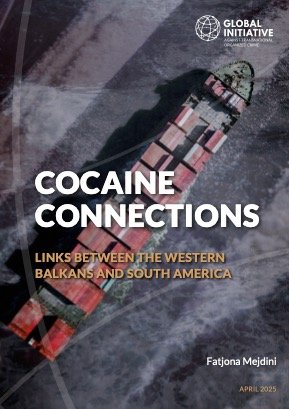
Cocaine Connections: Links Between the Western Balkans and South America

By Fatjona Mejdini

Organized crime groups from the Western Balkans have over the last 20 years established a remarkably strong foothold in South America in their pursuit of cocaine that they ship to and distribute in Europe and beyond. They have evolved from minor European players into prominent international criminal enterprises in this illicit global commodity trade, building durable relationships at both ends of the highly lucrative supply chain. Their rise has been spurred, in part, by luck. Two key factors have favoured them: an unprecedented surge in cocaine production in South America and insatiable demand for the drug in Europe. The Global Initiative Against Transnational Organized Crime (GI-TOC)’s European Drug Trends Monitor suggests that after reaching record high levels in 2023, and despite a drop in seizures in the beginning of 2024, cocaine availability remains stable, if not on the rise, in Europe.1 Indeed, record seizures are being documented at key EU ports and the bloc’s drugs monitoring agency, the European Union Drugs Agency, announced in March 2023 another annual increase in the levels of cocaine detected in wastewater, continuing an upward trend that began in 2016.2 But guile has played an equally important role in the success of these groups, which have leveraged the smuggling expertise and paramilitary training established during the Balkan ethnic conflicts and civil unrests of the 1990s. Playing the long game, they have learned from and won the respect of the Italian mafia, among others, while retaining an agility that has allowed them to seize market opportunities. This has largely been achieved – so far, at least – without provoking debilitating blowback from rival players. The research for this report focused on Western Balkan organized crime groups and was conducted within this framework. Consequently, the dynamics observed in South American countries are explored solely in relation to these criminal groups. The report aims to provide a detailed understanding of their presence in South America and the broader implications that this has for their future in the context of the Western Balkans. Balkan brokers have been crucial to their success in establishing symbiotic local relationships. They have forged strong and enduring connections in the cocaine-producing countries of Colombia, Peru and Bolivia, from cartels to coca farmers. They have also been able to establish strong bases and key relationships in dispatching countries such as Brazil, Ecuador and, more recently, the neighbouring Caribbean region. Not only have they managed to navigate the South America’s criminal environment with relative ease, but in some cases they have also proved able to forge relationships within high-level business and political circles in the countries where they operate.3 To avoid disruptions to their operations at the wholesale source, they have intentionally maintained a professional working distance from other foreign criminal organizations operating in South America, especially the infamous Mexican cartels. However, they have managed to expand their footprint in global cocaine markets, partly through arrangements with some of Europe’s most prominent criminal organizations, such as the Dutch–Moroccan networks, the Kinahan cartel and Italian mafia groups like the ’Ndrangheta and the Camorra. They have also displayed creativity by employing various forms of trafficking methods. These extend beyond the use of container ships, to also encompass cargo and leisure vessels and planes. Their presence in South America and the international cocaine supply chain has left a conspicuous footprint that has been tracked by law enforcement activity. Over the past three years, half of the targets of Europol-coordinated cocaine operations have been linked to individuals and networks from this region, thanks in part to the crackdown on communication platforms such as EncroChat and SKY ECC, which were widely used by criminal organizations from the Western Balkans.4 Western Balkan criminals have been accused of transporting tens of tonnes of cocaine from South America to major ports in Belgium, the Netherlands, Spain and elsewhere. Although these major European entry hubs appear to be the primary channels for criminal organizations from the Western Balkans, these actors also utilize ports in the Balkans region as transit points for trafficking cocaine elsewhere in Europe. Their involvement in the global illicit cocaine trade is not confined to the European consumer market, however. Western Balkan groups have been linked to significant seizures on other continents as well, including one of the largest cocaine seizures in US history (more than 20 tonnes, worth more than US$1 billion).5 Western Balkans groups have also, in recent years, been using their strong presence in South America to target even wealthier markets, such as Australia, using Africa and Southern Europe as transit regions.6 These criminal entities have also left a trail of blood. Since 2010, at least 19 people from the Western Balkans believed to be linked with cocaine trafficking have been killed in South America, according to GI-TOC records. Their activities have exacerbated instability in certain South American countries such as Ecuador, as they relentlessly secure supplies of cocaine and its safe shipment – at any cost. This research report identifies the links between criminal actors from the Western Balkans and the South American cocaine trafficking market. It provides an overview of the factors that have impelled the region’s organized crime groups towards South America and addresses the implications arising from their presence in that region. The study sheds light on their origins and operations, revealing common patterns despite the diverse backgrounds from which they have emerged. The study finds that links between the Western Balkans and South America have existed for around three decades but have significantly intensified in the last two. It predominantly focuses on organized crime groups from Albania, Bosnia and Herzegovina, Kosovo, Montenegro, North Macedonia and Serbia, but also makes reference to those from other countries in South Eastern Europe where relevant, in relation to their collaboration in the cocaine trade. It is important to note that international law enforcement organizations, in their reporting, often refer to criminal groups from the Western Balkans as ‘Albanian-speaking networks’7 or the ‘Balkan Cartel’.8 The former is used to denote criminal groups of Albanian nationality that speak Albanian, while the latter refers to criminal groups of Slavic origin that speak the Bosnian-Croatian-Montenegrin-Serbian language.9 These terms indicate ethnicity and linguistic variations among actors rather than their organizational characteristics. Inter-ethnic cooperation between organized crime groups in the Western Balkans has a long history, particularly in the trafficking of weaponry and ammunition, cigarettes, fuel and drugs, and human smuggling. In some cases, integrated organized crime groups have emerged bringing together members from different countries within the region. But these groups prefer to retain their independence, and there is no evidence of the creation of cartels in the Western Balkan region.10 Organized crime groups in the region generally have a clear leadership structure, but Balkan organized crime groups operating in South America appear to prefer a horizontal organizational structure that allows flexibility. Due to the transnational nature of cocaine trafficking, these groups have become adaptable. Often, their trafficking operations in South America are seen as ‘joint ventures’ or ‘projects’ that bring together organizations or groups of criminals from different countries and ethnic backgrounds who happen to be in the right place and have the necessary resources and skills to achieve the desired outcome. The extensive supply chain coordination needed to procure, transport, process and distribute the drug has prompted enhanced flexibility within these groups. Therefore, in this report, the terms ‘organized crime groups’ and ‘criminal networks’ will be used interchangeably.

Geneva, SWIT: Global Initiative Against Transnational Organized Crime , 2025. 48p.

A Process Evaluation of the Victim Notification Scheme A scheme for victims of stalking, harassment and coercive and controlling behaviour, where the sentence is less than 12 months

By Jacki Tapley, David Shepherd, Veronika Carruthers, Jennifer Grant, Chloe Hawkins, Michelle McDermott, Megan Thomas 

  The Victim Contact Scheme (VCS) requires the Probation Service to offer contact to victims of specified sexual and/or violent offences to provide information about the offender’s sentence and release. The VCS applies to cases where the sentence is 12 months or more, or where the offender is made subject to a hospital order. The 2021 Target Operating Model for the unified Probation Service highlighted the desire to provide a similar service to victims of stalking, harassment and coercive and controlling behaviour, where the length of sentence is less than 12 months. The Victim Notification Scheme (VNS) differs from the VCS; it is a non-statutory scheme and due to the nature of the shorter sentences there is a need to contact victims more quickly. The VNS was initially trialled from April 2022 in three Probation regions: Hampshire and Thames Valley, Northumbria, and the whole of Kent, Surrey and Sussex. This report provides findings from a process evaluation of the VNS. The aim of the research was to explore the process by which the VNS has been rolled out in the pilot areas, and its perceived impact on those criminal justice professionals responsible for its delivery, as well as the perceived impact on victims’ experiences and the specialist support services assisting them. It also aimed to identify parts of the new process that are working well and areas where further improvements are required, particularly in relation to the shorter timescales required for VNS cases.   

 Ministry of Justice Analytical Series, London: UK Ministry of Justice, 2025. 71p.

Child sexual abuse of African, Asian and Caribbean heritage children: A knowledge review

By Sukhwant Dhaliwal

This knowledge review is the first to provide an up-to-date overview of published research in relation to the sexual abuse of African, Asian and Caribbean heritage children. It sets out what this research says about the nature of that abuse, its impacts, the barriers that prevent children talking about it, and how concerns about it are identified and responded to – both within communities and by services. Equally importantly, it identifies significant gaps in knowledge and understanding, and recommends how these can be addressed. Commissioned by the Centre of expertise on child sexual abuse (the CSA Centre) and Barnardo’s SEEN Centre for children and young people of African, Asian and Caribbean heritage, the review was conducted by the Child and Woman Abuse Studies Unit (CWASU) at London Metropolitan University. In addition to examining 79 publications (including research studies, journal articles, book chapters and ‘grey’ literature) which related to 59 distinct research or evaluation projects, it collated information on ongoing research and convened four focus groups involving African, Asian and Caribbean heritage people with knowledge of child sexual abuse as academics/researchers, practitioners and ‘experts by experience’. Overview of the research literature The publications reviewed dated from between 1988 and 2023. There is a shape to their content and quantity, with recent years seeing rapid growth in the number of publications. Only a small number of studies were published up to the early 2000s. The period between 2010 and 2015 focused principally on the sexual exploitation of African, Asian and Caribbean heritage children; subsequently, there was a shift towards talking about child sexual abuse and sexual violence more widely. Most of the published studies were based on qualitative research and were small in scale. They typically focused on a particular ethnic group or on abuse in particular settings such as religious institutions, with an emphasis on the experiences of women and girls; the distinct experiences of boys were largely absent. Very few included quantitative analysis of larger samples. As a result, the literature tells us about the nature of the sexual abuse experienced by African, Asian and Caribbean heritage children, and the contexts in which it takes place, but not its scale. The review found that the sexual abuse of Asian heritage children, primarily those of North Indian and Pakistani heritage, received more research attention than the sexual abuse of African and Caribbean heritage children: only four studies focused solely on African victims/survivors, and another four on Black Caribbean victims/survivors. Moreover, children of African, East Asian and Southeast Asian heritage received hardly any attention. There was little research engaging directly with African, Asian and Caribbean heritage children; most relied instead on accounts from adult victims/survivors or practitioners, or on analysis of children’s case files. Studies involving the greatest direct engagement with children as research participants were those on gang-associated sexual violence, one on intra-familial child sexual abuse, and two on the experiences of unaccompanied asylumseeking minors. Although many of the studies included discussion of service responses to the sexual abuse of African, Asian or Caribbean heritage children, there were only three evaluations of support services or interventions.

Barkingside<Ilford: Centre of Expertise on Child Sexual Abuse, 2024. 112p.

Interventions for Improving Informal Social Support for Victim‐Survivors of Domestic Violence and Abuse: An Evidence and Gap Map

By Karen L. Schucan Bird, Nicola Stokes, Carol Rivas

Background: Domestic Violence and Abuse (DVA) is a significant global problem that warrants a robust, multi‐sectoral response. The Covid‐19 pandemic highlighted that informal and social networks play a critical role in responding to victim‐survivors, alongside formal agencies and specialist services. Friends, relatives, neighbours and colleagues are uniquely placed to recognise abuse, respond and refer to wider services, where appropriate. Seeking to harness this potential, interventions tailored towards such informal supporters are being developed and implemented around the world. Yet little is known about such interventions. By pulling together the research on such programmes, this evidence and gap map begins to advance the understanding of informal support interventions, pinpointing the range and type of interventions implemented around the world, and the extent of the available evidence. This provides valuable insights for policy makers and practitioners seeking to commission or develop interventions and research in this area, with a view to facilitating a holistic, societal‐wide response to domestic abuse. The evidence and gap map was a collaboration of academics and specialists, as well as domestic abuse researchers, with input and guidance from an Advisory Group.Objectives: This evidence and gap map aims to establish the nature and extent of the empirical primary research on interventions aiming to create or enhance informal support for victim‐survivors of domestic abuse, identifying clusters of evidence potentially suitable for synthesis, and gaps in the research base.Search Methods: The following bibliographic databases were searched for published studies from inception to 31st October2022: APA PsycINFO, Social Policy and Practice, ASSIA, PubMed, and Social Science Citation Index. Identifying grey literature was an important pillar of the search strategy and so websites of domestic abuse organisations, predominantly in the United Kingdom, were also searched. Similarly, a targeted search of specialist systematic review, policy and domestic abuse database was undertaken from inception to 10th July 2023.Selection Criteria: The evidence and gap map focused on any interventions that explicitly aimed to create or enhance informal social support for victim‐survivors of domestic abuse. Eligible interventions targeted the providers of the support (i.e., friends,relatives, neighbours or colleagues), the victim‐survivor, the relationship between them, and/or the wider community within which the informal support was provided. All study designs were included, reporting qualitative or quantitative data for samplesor victim‐survivors (adults who were/had been experiencing abuse in an intimate relationship) or informal supporters.Outcomes were not used as part of the eligibility criteria. Eligible studies needed to be published in English. Collection and Analysis: All studies included in the evidence and gap map were coded by two independent reviewers,using specialist systematic review software EPPI Reviewer. Details were collected about the study sample, study design,intervention and outcomes. Quality appraisal was not undertaken.Main Results: The EGM identified 47 primary studies of interventions that aimed to create, enhance or facilitate informal support for victim‐survivors of domestic violence and abuse. The overwhelming majority of evidence is drawn from the GlobalNorth, and there is dissonance between the small evidence base and the relatively larger number of informal support interventions implemented around the world. The EGM highlights the importance of diverse study designs and grey literature in this field. The body of research is unevenly distributed, with the greatest concentration of studies around interventions directed towards victim‐survivors, such as support groups or mentoring, and those tailored towards informal supporters, such as education and training. Most research reported on female, adult victim‐survivors with a particular emphasis on their mental health and wellbeing, and their help‐seeking behaviours. The reporting of such outcomes aligns with wider service user/provider priorities and highlights the imperative of DVA research to improve the lives of victim‐survivors. The EGM found little research focused on interventions targeting structural factors that shape informal support, such as social relationships or community norms, and a lack of data on specific population groups including victim‐survivors in the longer term, ethnic minority groups and men. There are major gaps in the research for informal supporters with limited data or outcomes for this group, and specific types of informal supporters (namely friends and family members) are notably absent from samples. TheEGM also highlights a gap in the research on community‐level outcomes.Authors' Conclusions: To our knowledge, this EGM is the first to provide a comprehensive and rigorous overview of the evidence on informal support interventions in domestic abuse. The EGM provides a valuable tool for policymakers, practi-tioners and researchers seeking to navigate the evidence around such interventions. Whilst the EGM provides a partial picture of interventions around the world, the studies offer insight into informal support for victim‐survivors of DVA and the potential effects of intervening. The suite of interventions covered by the EGM can inspire policymakers to broaden the response to domestic abuse beyond frontline services, identify stakeholders and commission pilot studies to further understanding of informal support interventions. The evidence base can be strengthened with additional studies examining interventions that target relationships and communities, as well as individuals, and assessing a wider range of population groups. At the sametime, the EGM offers pockets of rich data, such as outcomes on victim‐survivor mental health or interventions in faith‐basedorganisations, which can be utilised to inform current and future service provision.

Campbell Systematic Reviews, Volume 21, Issue 2, 2025; 48p.

Pregnancy-Associated Mortality Due to Homicide, Suicide, and Drug Overdose

By Maeve E. Wallace; Jaquelyn L. Jahn

IMPORTANCE Despite growing national concern about high and increasing rates of pregnancyassociated mortality due to homicide, suicide, and drug overdose, state-level incidence has previously not been available. OBJECTIVE To identify cases of pregnancy-associated homicide, suicide, drug overdose, and deaths involving firearms in the US from calendar year 2018 to 2022 and estimate 5-year proportionate mortality and mortality ratios per 100 000 live births by state and cause of death. DESIGN, SETTING, AND PARTICIPANTS This cross-sectional study is a population-based analysis of the 2018-2022 restricted-use mortality files provided by the National Center for Health Statistics. These data include all deaths occurring in the US, with geographic identifiers for state of residence. All records in which the decedent was female aged 10 to 44 years and pregnant at the time of death or up to 1 year earlier were included in the analysis. Data were analyzed from July 1 to December 1, 2024. MAIN OUTCOMES AND MEASURES International Statistical Classification of Diseases and Related Health Problems, Tenth Revision codes for underlying cause of death were used to identify cases of homicide, suicide, drug overdose, and deaths involving firearms occurring in each state from 2018 to 2022. Proportionate mortality was estimated as the count of cases divided by the total count of deaths of pregnant and postpartum women in each state. Cause-specific mortality ratios were estimated as the count of cases divided by the total count of live births in each state from 2018 to 2022. RESULTS Nationally, there were 10 715 deaths of people who were pregnant or within 1 year post partum from 2018 to 2022, including 837 homicides, 579 suicides, 2083 drug overdoses, and 851 that involved firearms. Proportionate mortality and mortality ratios for homicide, suicide, and drug overdose varied across the US. Of states with more than 9 cases, pregnancy-associated homicide mortality was highest in Mississippi (12.86 per 100 000 live births), pregnancy-associated suicide mortality was highest in Montana (21.55 deaths per 100 000 live births), and pregnancy-associated drug overdose was highest in Delaware (36.03 deaths per 100 000 live births). Firearms accounted for as many as 15.56% of pregnancy-associated deaths in Colorado, and pregnancy-associated firearm mortality was highest in Mississippi (13.42 deaths per 100 000 live births). CONCLUSIONS AND RELEVANCE The information in this study may provide relevant guidance for state and local intervention strategies to advance the health, safety, and well-being of women during pregnancy and beyond.

JAMA Network Open. 2025;8(2):e2459342. doi:10.1001/jamanetworkopen.2024.59342 (R

A Randomized Controlled Trial of the Scenarios and Solutions Gang Prevention Program

By Stacy Calhoun

This randomized controlled trial to assess the effectiveness of a curriculum-based gang prevention program in addressing gang risk factors within a school setting encountered delays and challenges in implementing the program and completing the study. Despite challenges, progress was made as the clinic adapted to the evolving circumstances. Although the clinic lost its dedicated space, it successfully established Memorandums of Understanding (MOUs) with two new school districts where they implemented their universal screening program and services at one middle school and two high schools. Despite efforts by the clinic team, school staff, and SSGP facilitator to enhance student engagement during the project performance period through special events, motivating students to submit signed enrollment forms and to attend clinic and group appointments remained challenging. Participation in this study allowed the clinic to significantly expand its focus, addressing gang risk factors on a much broader scale than before. Despite facing substantial challenges, including adapting to COVID-19 disruptions, forming relationships in new school districts with differing policies, and coping with the loss of dedicated clinical space and staff, the clinic has remained committed to refining their processes to better support these students. Moreover, the clinic has taken a proactive role in educating stakeholders about the potential of integrating gang prevention services within school-based systems of care.

Los Angeles: Department of Psychiatry and Biobehavioral Sciences University of California, Los Angeles, 2024. 29p.