Open Access Publisher and Free Library
CRIME+CRIMINOLOGY.jpeg

CRIME

Violent-Non-Violent-Cyber-Global-Organized-Environmental-Policing-Crime Prevention-Victimization

Posts in Social Sciences
Internet Organised Crime Threat Assessment (IOCTA) 2024

Europol; European Union. Publications Office

From the document: "This edition marks 10 years since the release of Europol's first IOCTA [Internet Organised Crime Threat Assessment]. Throughout this time, the threats posed by cybercrime have evolved dynamically in terms of volume, intensity and harm potential. The number of cybercriminals entering the market continued to grow steadily, thanks to the adoption of new technologies as well as the increasing complexity of digital infrastructures, which expands the potential attack surface. In 2023, millions of victims across the EU were attacked and exploited online on a daily basis. Small and medium businesses were increasingly popular targets for cyber-attacks, while e-merchants experienced the most digital skimming attacks. Adults were victimised through phishing, investment and romance frauds, and more and more minors were targeted by child sexual exploitation offenders and online sexual extorters. In parallel, a number of worldwide law enforcement actions shook the cybercriminal underground through continued arrests of ransomware affiliates and operators. Law enforcement also carried out coordinated disruption operations against cybercriminals' digital infrastructures. Notwithstanding the growing presence of law enforcement in the dark web, this environment continues to function as an enabler for cybercrime, allowing offenders to share knowledge, tools and services in a more concealed way. In addition, the use of cryptocurrencies in a wider variety of crime areas has become more noticeable in 2023, alongside the growing number of requests for investigative support in cryptocurrency tracing received by Europol. Cybercriminals are keen to leverage Artificial Intelligence, which is already becoming a common component in their toolbox and is very likely to see even wider application. Law enforcement agencies are expected to build a robust capacity to counter the growing threats stemming from this, both in terms of human resources and technical skills."

Europol; European Union. Publications Office . 2024. 38p.

download
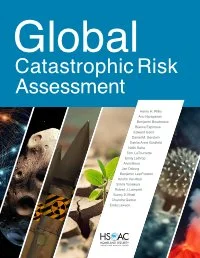
Global Catastrophic Risk Assessment

RAND CORPORATION

From the document: "Global catastrophic and existential risks hold the potential to threaten human civilization. Addressing these risks is crucial for ensuring the long-term survival and flourishing of humanity. Motivated by the gravity of these risks, Congress passed the Global Catastrophic Risk Management Act in 2022, which requires the Secretary of Homeland Security and the administrator of the Federal Emergency Management Agency to coordinate an assessment of global catastrophic risk related to a set of threats and hazards. The U.S. Department of Homeland Security Science and Technology Directorate and the Federal Emergency Management Agency requested the Homeland Security Operational Analysis Center's support in meeting this requirement. This report documents findings from our analysis." Authors include: Henry H. Willis, Anu Narayanan, Benjamin Boudreaux, Bianca Espinosa, Edward Geist, Daniel M. Gerstein, Dahlia Anne Goldfeld, Nidhi Kalra, Tom LaTourrette, Emily Lathrop, Alvin Moon, Jan Osburg, Benjamin Lee Preston, Kristin Van Abel, Emmi Yonekura, Robert J. Lempert, Sunny D. Bhatt, Chandra Garber, and Emily Lawson.

RAND CORPORATION. HOMELAND SECURITY OPERATIONAL ANALYSIS CENTER. 30 OCT, 2024.237p.

download
What Role Does Social Media Play in Violence Affecting Young People? 

By Cassandra Popham, Ellie Taylor and William Teager

The Youth Endowment Fund surveyed over 10,000 teenage children (aged 13-17) in England and Wales about their experiences of violence. The findings are detailed across five reports, each focusing on a different aspect. In this second report, we examine teenage children’s experiences of violence on social media. We aim to understand its prevalence, the nature of the content the children encounter and its impact on their lives. Here’s what we found. Violence is widespread on social media. Exposure to real-life violence on social media has become the norm rather than the exception for teenage children. Our findings reveal that 70% of respondents have encountered some form of real-world violence online in the past 12 months. The most frequently observed content is footage of fights involving young people, with 56% of respondents reporting that they’ve seen such videos. Other common types of violence witnessed online include threats of physical harm (43%) and content related to gang activity (33%) and weapons (35%). Notably, one in nine children who say they’ve encountered weapon-related content have seen footage involving zombie knives or machetes — a figure significantly higher than the 1% of 13–17-year-olds who’ve reported that they carry such weapons, as highlighted in our first report. This suggests that social media may amplify fear by making certain behaviours appear more widespread than they are. Sexually violent content or threats have been reported by more than a quarter of teenage children (27%). For the second year in a row, TikTok is the platform where children are most likely to witness violent content.  While the majority of teenage children encounter violent content online, few actively seek it out. In fact, only 6% of those who’ve come across such content do so intentionally. Most are exposed to it inadvertently: half (50%) have seen it via someone else’s profile or feed, and just over a third (35%) have had it shared directly with them. Alarmingly, 25% of children have reported that the social media platforms themselves promote this violent content through features like ‘Newsfeed’, ‘Stories’ and the ‘For You Page’. This underscores the significant role social media companies play in amplifying exposure to violent content beyond what users might encounter by chance. Seeing violence online has real-world impacts. Viewing violent content online has impacts that extend far beyond the screen. The vast majority (80%) of teenage children who encounter weapons-related content on social media say it makes them feel less safe in their local communities. This perceived threat has tangible consequences: two-thirds (68%) of teenagers who’ve seen weapons on social media say it makes them less likely to venture outside, and 39% admit that it makes them more likely to carry a weapon themselves. The influence of social media doesn’t stop there. Nearly two-thirds (64%) of teenagers who report perpetrating violence in the past year say that social media has played a role in their behavior. Factors like online arguments and the escalation of existing conflicts are commonly cited as catalysts for real-world violence  Children support limiting access to phones and social media. The widespread exposure to real-world violence online may partly explain why many teenagers believe that access to social media should come later than access to smartphones. Our findings highlight the responsibility of social media companies to remove or restrict harmful content. They also point to the need for effective support and education to help children navigate these dangers while still benefiting from the positive aspects that social media can offer.  

London: Youth Endowment Fund, 2024. 28p.

download
Temporal and Spatial Trends of Fentanyl Co-Occurrence in The Illicit Drug Supply in The United States: a Serial Cross-Sectional Analysis

By Tse Yang Lim , Huiru Dong , Erin Stringfellow , Zeynep Hasgul , Ju Park , Lukas Glos , Reza Kazemi , Mohammad S Jalali 

Fentanyl and its analogs contribute substantially to drug overdose deaths in the United States. There is concern that people using drugs are being unknowingly exposed to fentanyl, increasing their risk of overdose death. This study examines temporal trends and spatial variations in the co-occurrence of fentanyl with other seized drugs.

Methods

We identified fentanyl co-occurrence (the proportion of samples of non-fentanyl substances that also contain fentanyl) among 9 substances or substance classes of interest: methamphetamine, cannabis, cocaine, heroin, club drugs, hallucinogens, and prescription opioids, stimulants, and benzodiazepines. We used serial cross-sectional data on drug reports across 50 states and the District of Columbia from the National Forensic Laboratory Information System, the largest available database on the U.S. illicit drug supply, from January 2013 to December 2023.

Findings

We analyzed data from 11,940,207 samples. Fentanyl co-occurrence with all examined substances increased monotonically over time (Mann-Kendall p < 0.0001). Nationally, fentanyl co-occurrence was highest among heroin samples (approx. 50%), but relatively low among methamphetamine (≤1%), cocaine (≤4%), and other drug samples. However, co-occurrence rates have grown to over 10% for cocaine and methamphetamine in several Northeast states in 2017–2023.

Interpretation: 

Fentanyl co-occurs most commonly with heroin, but its presence in stimulant supplies is increasing in some areas, where it may pose a disproportionately high risk of overdose.

Lancet Reg Health Amicas, 2024 Sep 27;39:100898. doi: 10.1016/j.lana.2024.100898

download
Unauthorized Access: The Crisis in Online Privacy and Security

By Robert H. Sloan • Richard Warner

 Going beyond current books on privacy and security, Unauthorized Access: The Crisis in Online Privacy and Security proposes specific solutions to public policy issues about online privacy and security. Requiring no technical or legal expertise, the book explains complicated concepts in clear, straightforward language. The authors two renowned experts on computer security and law explore the well-established connection between social norms, privacy, security, and technological structure. This approach is the key to understanding information security and informational privacy, providing a practical framework to address ethical and legal issues. The authors also discuss how rapid technological developments have created novel situations that lack relevant norms and present ways to develop these norms for protecting informational privacy and ensuring sufficient information security. Bridging the gap among computer scientists, economists, lawyers, and public policymakers, this book provides technically and legally sound public policy guidance about online privacy and security. It emphasizes the need to make trade-offs among the complex concerns that arise in the context of online privacy and security.

Boca Raton, FL;  London; New York;  CRC Press, 2017. 401p.

download
Dirty Money: Assessing the vulnerability of financial institutions in the Balkans to illicit finance

By Dardan Kocani

Despite efforts to prevent illicit finance – such as the adoption of international frameworks, Financial Action Task Force (FATF) standards and the EU’s anti-money laundering (AML) directives – financial institutions in the Western Balkans remain highly vulnerable to sophisticated criminals and the inherent risks in the formal financial system. Financial institutions such as banks, microfinance institutions, cryptocurrency services and money transfer services are frequently exploited by criminals to move illicit money across borders.

This report delves into the structural weaknesses and vulnerabilities that facilitate money laundering in the Western Balkans. One major insight is the impact of cryptocurrency, where regulatory shortcomings enable anonymous, cross-border transactions that are hard to trace. Financial technology, while promising innovation, also introduces fresh risks, especially where compliance and monitoring frameworks have yet to catch up. With no centralized registry for politically exposed persons (PEPs) or beneficial owners, financial institutions often lack critical information, inadvertently providing cover for criminal actors.

The study identifies specific methods used to launder money, such as smurfing through bank accounts, taking out suspicious bank loans, engaging in real estate purchases, and employing frontmen. Notable cases in the region expose systemic vulnerabilities in banks, where criminal actors leverage insider support or regulatory gaps to move substantial amounts undetected. Furthermore, public-private partnerships in AML enforcement remain insufficient, creating weak links that are frequently exploited.

This report provides strategic recommendations for governments, financial institutions and non-state actors in the region to address these gaps, emphasizing the need for robust inter-agency collaboration, stronger regulatory frameworks, and consistent training for AML officers. The region needs a heightened, collaborative effort to prevent local financial institutions from becoming conduits for transnational organized crime and dirty money laundering.

Geneva: Global Initiative Against Transnational Organized Crime (GI-TOC)’s Observatory of Illicit Economies in South Eastern Europe. 2024. 40p.

Download
A scoping study of crime facilitated by the metaverse

By Juliana Gómez-Quintero, Shane D. Johnson, Hervé Borrion, and Samantha Lundrigan

The metaverse is an emerging convergence of technologies (e.g., virtual reality and blockchains) that enables users to experience mixed/extended realities for various legitimate purposes (e.g., gaming, tourism, manufacturing and education). Unfortunately, the crime and security implications of emerging technologies are often overlooked. To anticipate crimes that the metaverse might facilitate, we report the findings of a nominal group technique (NGT) study, which involved a state-of-the-art scoping review of the existing literature and elicitation exercises with two groups of experts (one a diverse group from the UK and Europe, the other representing international law enforcement) with a wide range of expertise. A total of 30 crime threats were identified in the literature or by participants. The elicitation exercises also explored how harmful, frequent, achievable and defeatable participants anticipated that the crimes identified would be. Ratings for these aspects were largely consistent across the two samples, with crimes of a sexual nature (e.g., child sexual abuse material), and crimes against the person (e.g., hate crime) being rated as presenting the highest future risks (i.e. being high harm and high frequency) and being the most difficult to address. The findings illuminate understanding of the most (and least) harmful and likely crime threats the metaverse could facilitate and consequently help stakeholders to prioritise which offences to focus on. In discussing how the crime threats might be addressed, we consider roles and responsibilities and how theory about the management of physical places might inform crime prevention in the metaverse(s).

Futures, Volume 157, March 2024, 103338

Download
Identifying trends and patterns in offending and victimization on Snapchat: A rapid review

By Kelly Huie, Michelle Butler, & Andrew Percy

Few studies have examined crime on Snapchat despite its popularity and growing accounts of victimization occurring on the application. This study addresses this gap in knowledge by conducting a rapid review of crime on Snapchat across 18 databases. The findings indicate this area is under-researched, with only 35 articles eligible for inclusion and fve focusing solely on crime on Snapchat. Nevertheless, eleven types of crimes were identified as occurring on Snapchat, including: blackmail; the sharing of private, sexual material without consent; grooming/solicitation of minors; stalking; posting threatening, intimidating or harassing material; hate crime; sharing offensive, menacing or obscene content; obtaining illicit goods; identity theft; fraud; and hacking. The findings additionally revealed some patterns in offending and victimization that are also discussed.

Security Journal (2024) 37:903–920

Download
Social and health characteristics of mothers involved in family court care proceedings in England

By Georgina Ireland, Linda Wijlaars, Matthew A Jay, Claire Grant, Rachel Pearson, Johnny Downs and Ruth Gilbert

This study aimed to determine the risk of mothers being involved in public law family court care proceedings and their social and health characteristics by analysing linked administrative family court and healthcare records. Involvement in care proceedings reflects serious concerns for the care or safety of a child. Local Authority (LA) social care departments can bring care proceedings under Section 31 of the Children Act 1989 due to concerns about significant harm, or risk of significant harm to the child attributable to care given by the parents or the child being beyond parental control. Each year, around 10,000 mothers in England are involved in care proceedings. In 80% of these proceedings, the child is placed with friends or family, unrelated foster carers, in residential care or for adoption. One fifth remain with one or both birth parents, with or without a supervision order.

Recent developments in national and regional linkages of administrative health data to family court or social services data have contributed insights into maternal health needs in Wales, Sweden and Canada, but evidence is lacking for England (5-15). Similar linked data for England would contribute new insights due to the population size, the regional and ethnic variation in England, and variability in determinants of service access and outcomes across different population subgroups. From a policy and practice perspective, evidence from linked data on the health of parents involved in family court care proceedings could inform how and when healthcare and related services could intervene to improve parental health and support, and thereby prevent or mitigate child maltreatment, and in some cases, avoid care proceedings.

Aims and objectives

This study aimed to address the evidence gap in England on the health of mothers involved in care proceedings compared with their peers. We conducted two sub-studies:

  1. In the first, we studied all first-time mothers between 2007-19 in the English NHS, including those involved in care proceedings, to:

  • Create a database of first-time mothers using hospital admission data, linked to care proceedings in England and assess linkage accuracy.

  • Estimate the 10-year risk of care proceedings for first-time mothers in England and describe differences in maternal social and health characteristics at a first birth.

  • Compare the number of births within 10 years to first-time mothers involved and not involved in care proceedings.

  • Assess maternal and birth characteristics associated with recurrent care proceedings.

  • Estimate differences in mortality among mothers involved and not involved in care proceedings.

2. Second, we studied mothers involved in care proceedings and other women using mental health service records in four LAs in south London to:

  • Create a research database that linked records of mothers involved in care proceedings in south London to mental health service data and assess linkage accuracy.

  • Compare the characteristics of mental health service use among mothers involved in care proceedings and other women using mental health services.

  • Compare the risk of death among mothers involved in care proceedings with other women using mental health services.

  • Evaluate patterns of mental health service use before and after start of care proceedings.

London: Nuffield Foundation, 2024. 63p.

Download
Data in the Family justice system: What is available and to whom

By Terry Ng-Knight, Nandita Upadhyay and Kostas Papaioannou

The evaluation of the first three transparency pilot sites, undertaken by NatCen, was published in July. The report explores the availability and accessibility of data within the family justice system in England and Wales. The findings show there are data gaps, inconsistent data collection and limited accessibility with recommendations to develop a full data strategy for the Family Justice system.

London: The National Centre for Social Research (NatCan): 2024. 28p.

Download
The Fragility of Freedom: Online Holocaust Denial and Distortion

By Alina Bricman, Guenther Jikeli, Ada Baumkotter, Linus Kebba Pook, Grischa Stanjek, Karolina Placzynta, Yfat Barak-Cheney, Hannah Maman

Reflecting on the months since the recent October 7 attack, rarely has the theme of Holocaust Memorial Day 2024, ‘The Fragility of Freedom’, felt so poignant. Communities globally experienced the shattering of presumed security, and antisemitic incidents responsively spiked. Antisemitism rose across both mainstream and fringe social media platforms, and communities resultantly reported a rise in insecurity and fear. CCOA constituent countries have recorded significant rises in antisemitic incidents, including an immediate 240% increase in Germany, a three-fold rise in France, and a marked increase in Italy. The antisemitism landscape, including Holocaust denial and distortion, had shifted so drastically since October 7 that previous assumptions and understands now demand re-examination. In the run up to Holocaust Memorial Day 2024, this research compilation by members of the Coalition to Counter Online Antisemitism offers a vital contemporary examination of the current and emergent issues facing Holocaust denial and distortion online. As unique forms of antisemitism, denial and distortion are a tool of historical revisionism which specifically targets Jews, eroding Jewish experience and threatening democracy. Across different geographies and knowledge fields, this compilation unites experts around the central and sustained proliferation of Holocaust denial and distortion on social media.

Amman | Berlin | London | Paris | Washington DC: Institute for Strategic Dialogue,  2024. 34p.

download
Crime and Problem Gambling: A Research Landscape The Report of The Commission on Crime and Problem Gambling

By Sarah Ramanauskas  

This report reviews the relationship between crime and problem gambling. It was carried out using thematic searches and existing systematic reviews and is predominantly based on academic literature, drawing on grey literature where relevant. Despite the vast number of people who gamble regularly in the jurisdictions covered by this literature review, and the millions affected directly or indirectly by gambling addiction, there appear to be fewer than 50 peer-reviewed papers in the last 25 years which specifically address the links between the problem gambling and crime (see, for example, Calado and Griffiths, 2016). Whilst the overall quantity of research is not huge, there is consistency in findings across all jurisdictions. A number of terms are used throughout this document to describe the issue of problem gambling. ‘Problem gambling’ is the most commonly used term to describe individuals who are unable to control their gambling behaviour which in turn disrupts personal, family, financial and employment relations. The term ‘pathological gambling’ is used to indicate where this behaviour is extreme and requires significant treatment interventions. Both problem and pathological gamblers are seen as suffering from a behavioural addiction to gambling, as defined by the American Psychiatric Association. The following summary outlines the key findings of this body of work: • There is a clear relationship between disordered gambling and crime, with high prevalence rates of crimes being committed by people to fund their gambling (Williams et al, 2005) • A wide variety of crimes are committed as a result of gambling addiction; not just ‘white collar’ crimes such as theft and fraud, but also crimes that occur in public spaces such as street robbery. There is significant evidence of domestic abuse and child neglect linked to problems and pathological gambling (Breen et al, 2013; Cuadrado and Lieberman, 2011) • There is a complex interplay of causes of crime linked with the causes of disordered gambling. Cross-addictions, mental disorders, impulse control disorders and difficult life events all may play an additional role in the causation of crime – and inhibit treatment (See for example: Lahn, 2005; Sundqvist and Rosendahl, 2019; Templer et al, 1993; Turner et al 2007) • Certain demographics are more likely to commit crimes, in addition to having increased vulnerability to gambling addiction (Perrone et al, 2013; Turner et al, 2017)  • The more complex, prolonged and persistent the gambling problem, the more likely that a crime will be committed and, indeed, that many crimes may result (Turner et al, 2009; Perrone et al, 2013) • There has been a growing understanding that gambling addiction is a behavioural disorder, however, little of this has been translated to sentencing; problem gambling is not considered to be a mitigating factor in sentencing in the way mental health problems or drug and alcohol addiction are (Folino and Abait, 2009) • Whilst not always imprisoned as a direct result of problem gambling, there are extremely high rates of gambling addiction amongst prisoners. The research suggests that prisons only offer limited treatment in any of the jurisdictions covered. Research suggests that the rate of problem gambling is higher among male and female prisoners in prison, compared to the general population. Problem gambling is markedly higher amongst women than in the general population (as reported in Finnish research by Lind and Kääriäinen, 2018 and Australian research by Perrone et al, 2013) • Research suggests that there is little treatment and support for problem gamblers in prison, however, there is evidence of resistance to undertaking treatment amongst prisoners (Lahn, 2005; Turner et al, 2017) • There is some evidence that treatment for gambling addiction may significantly reduce recidivism; however, this finding is caveated by the fact there is a paucity of treatment for prisoners and those on probation • Several of the studies reviewed agreed that custodial sentences, especially when no treatment is available for gambling addiction, was not a cost-effective way of avoiding further harm to the individual or society once the sentence is completed. (see for example Ledgerwood et al, 2007) • A small number of specialised gambling courts have been established in the USA, with the aim of ensuring that gambling addicts who have committed crimes receive appropriate treatment, however, there is limited data on the success or otherwise of these initiatives (Turner et al, 2017) • There needs to be research into the potential effect of gambling addiction treatment on the rate of recidivism, as well as more general research on how best to help vulnerable populations avoid the criminal justice system.  

London: Howard League for Penal Reform’s Commission on Crime and Problem Gambling. 2020. 44p.

download
The Presence of School Resource Officers (SROs) in America’s Schools

By The Justice Policy Institute

The presence of law enforcement in schools has been a controversial issue for decades. Dual concerns about rising rates of violence among youth coupled with increased attention paid to school shootings were a catalyst for federal funding for more police, frequently referred to as “School Resource Officers” (SROs), in schools. In fact, rates of youth violence were plummeting independent of law enforcement interventions and the impact of SROs on school shootings has been dubious at best. Additionally, SROs have been linked with exacerbating racial disparities in justice involvement and youth being driven deeper into the juvenile and adult criminal justice systems. Rather than preventing crime, SROs have been linked with increased arrests for non-criminal, youthful behavior, commonly known as the school-to-prison pipeline.  

Washington, DC: Justice Policy Institute, 2020. 8p.

download
Time in Crime: An Added Dimension to the Study of Crime Guns 

By Rick Dierenfeldt, Grant Drawve, Joshua May, Ellee Jackson

A growing body of literature has explored the ‘life course’ of crime guns, with a particular focus on the time between the initial point of sale of firearms and their eventual recovery by police following a crime. We contend that this examination is incomplete, with limited consideration given to the period between a firearm's first known use in a criminal offense and its recovery by police—which we refer to as time in crime. Increased understanding of this time frame is important given that crime guns are frequently recirculated among criminally involved groups and the recent finding that time in circulation following first known use in a crime is a significant predictor of multiple uses of crime guns. We add to the literature through the application of negative binomial regression to a sample of 310 crime guns used in offenses in a city in the Southeastern United States to examine how neighborhood context and initial incident characteristics influence the number of days that firearms remain in circulation after their first known use in a crime. We found that increased levels of concentrated disadvantage and gang involvement during the original incident correspond with significant increases in time in crime, while increased levels of residential stability and the ability of police to identify suspects are linked with more rapid recovery of crime guns. Notably, these findings hold even after the inclusion of popular time-to-crime covariates, including firearm quality, caliber, and status as a stolen gun. 

Journal of Criminal Justice Volume: 49 Dated: July 2024 Pages: 723-744

download
Gang Research in the Twenty-First Century

By Caylin Louis Moore, and Forrest Stuart

For nearly a century, gang scholarship has remained foundational to criminological theory and method. Twenty-first-century scholarship continues to refine and, in some cases, supplant long-held axioms about gang formation, organization, and behavior. Recent advances can be traced to shifts in the empirical social reality and conditions within which gangs exist and act. We draw out this relationship—between the ontological and epistemological—by identifying key macrostructural shifts that have transformed gang composition and behavior and, in turn, forced scholars to revise dominant theoretical frameworks and analytical approaches. These shifts include large-scale economic transformations, the expansion of punitive state interventions, the proliferation of the Internet and social media, intensified globalization, and the increasing presence of women and LGBTQ individuals in gangs and gang research. By introducing historically unprecedented conditions and actors, these developments provide novel opportunities to reconsider previous analyses of gang structure, violence, and other related objects of inquiry.

Annu. Rev. Criminol. 2022. 5:299–320  

download
The Meaning of the Victim–Offender Overlap for Criminological Theory and Crime Prevention Policy

By Mark T. Berg and Christopher J. Schreck

The criminological theory developed without an expectation of a victim-offender overlap. Among most crime theorists and policymakers, to solve crime it is necessary to solve the criminal offender. Modern choice theories took a different view by evolving from victim data, treating target vulnerability as essential to the criminal act and with full awareness of the overlap. Here, we discuss the emphasis on offenders in criminology as being inconsistent with the facts of the overlap. The evidence shows that the victim-offender overlap is consistently found, implying that offending and victimization arise for similar substantive reasons and that offenders act principally in response to targets. This conclusion has important implications. First, any theory of crime that cannot logically predict the overlap as a fact may be subject to falsification. Second, the choice perspective suggests a theory of precautionary behavior, which urges a policy agenda that encourages actions against crime by potential targets.

Annu. Rev. Criminol. 2022. 5:277–97  

download
Monitoring Online Illegal Wildlife Trade. Insights From Brazil and South Africa 

By Global Initiative Against Transnational Organized Crime 

The last decade and a half has seen an alarming surge in illegal wildlife trade (IWT) on the internet. However, a dearth of data regarding the scale of the market, its dynamics, operations and ramifications, especially on a global scale, is a significant hindrance to combating this crime. To address this, ECO-SOLVE is developing a Global Monitoring System (GMS) to systematically monitor global online IWT and gather data to feed into law enforcement activity and to inform policymaking. The GMS is a network of data hubs in countries whose domestic online markets are considered the largest or most consequential in their regions. The GMS’s national monitoring nodes are being set up in a staggered process and the size and scope of the network will grow with each edition of the Report. This Global Trend Report draws on data from two national data hubs: Brazil and South Africa. By identifying areas of high pressure on endangered species and ecosystems, monitoring may enable targeted interventions and inform law enforcement action to prosecute those responsible for wildlife crimes. Additionally, monitoring can help detect emerging trends and shifts in the trade, allowing for timely and effective responses to new threats and challenges. This is the second publication in a series of Global Trend Reports that aim to showcase and contextualize trends in online IWT. Reports will be published throughout the three years of the ECO-SOLVE project, with about two to four reports released per year. Drawing on findings generated by the GMS, each Global Trend Report will highlight the latest trends in statistical data, including the number of advertisements found, the species advertised as well as the platforms that host these adverts. Diving deeper into individual topics, the reports will offer regional breakdowns and include sections that contextualize and analyze findings, while also investigating changes in regulations and their effects on online IWT as well as trends in law enforcement. The reports will also discuss case studies of online IWT. Following the structure of the first Global Trend Report, the second issue begins with a trend analysis of online IWT drawing on data from regular monitoring carried out between May and July 2024 by GMS data hubs in Brazil and South Africa. The report then takes a closer look at the online and offline illegal trade in Pirarucu in Brazil, as well as the trade routes used and links to cocaine markets. The third section presents a case study of the illegal wildlife trade as linked to traditional medicines in South Africa, highlighting gaps around regulations and enforcement.   

Geneva:  Global Initiative Against Transnational Organized Crime, 2024. 33p.

read
Spatiotemporal Impacts of Drug Crop and Commodity Agriculture on Cultural Ecosystem Services: The Case of Ischnosiphon in Ticuna Communities of Loreto, Peru

By Juan José Palacios Vega, Manuel Martín Brañas, Sydney Silverstein, Ricardo Zárate Gómez, Nicholas Kawa, Margarita del Águila Villacorta

In recent decades, drug crop eradication and drug trafficking interdiction have pushed drug crop cultivation into new areas of the Amazonian rainforest. The presence of the drug industries in these regions—followed by alternative development programs that aim to substitute illicit drug crops with commodity crops like cacao—has transformed forest ecologies, risking loss to both biodiversity and cultural ecosystem services (CES) for surrounding communities. In the last ten years, forest loss linked to the increase in cultivation of commodity crops—both licit and illicit—has been monitored, generating extensive geospatial data. However, the spatiotemporal impacts on key plant species utilized by indigenous communities who have recently shifted to drug crop and commodity agricultural production remain poorly understood. In this paper, we use geospatial modeling to explore the potential impacts of drug crop cultivation and alternative development programs on the CES of Ticuna indigenous communities of the Peruvian Amazon. We analyze the spatiotemporal impact of drug and commodity crop cultivation on three culturally significant species of the genus Ischnosiphon, known locally as dexpe or huarumá, by generating a model of the potential distribution of the three species. The rate of increase of legal and illegal crops was also calculated and the spatiotemporal impact was measured and represented using spatial analysis techniques. Our analysis finds that, between 2010 and 2020, the increase in both illicit and licit commodity crop cultivation is correlated with changes in the distribution of huarumá species, which in turn affects the cultural ecosystem services of Ticuna communities.

Journal of Illicit Economies and Development, 6(1): pp. 93–111. 

download
The Anti-illicit Activity Regime of the Multilateral Development Banks: Criminal Acts or Prohibited Practices?

By Adrian Robert Bazbauers and Anthea McCarthy-Jones

 The spread of illicit activity across the global economy presents significant challenges to international development. Despite the well-recognized global incidence of corruption, fraud, and money laundering in development-focused investment projects, the responses of the multilateral development banks (MDBs) to these threats remain understudied. Our article offers the first comprehensive study into the comparative historical emergence and evolution of MDB responses to illicit activity. By identifying and analyzing critical junctures in this history, we argue that the MDBs have tended to approach illicit activity as prohibited practices rather than criminal acts. We contend that this is an intentional choice made by the MDBs that absolves these organizations from any real responsibility in minimizing illicit activity, finding their concern to be ensuring contractual compliance in their lending operations rather than curtailing criminal behavior and their preference to be resolving contractual deviations in-house as opposed to coordinating with local jurisdictions and law enforcement agencies.

Journal of Illicit Economies and Development, 6(1): pp. 112–128.

download
The Intended and Unintended Consequences of Ban the Box

By Steven Raphael

I review the growing body of research that either directly assesses the effect of Ban the Box (BTB) on the employment prospects of those with criminal histories, tests for spillover effects operating through statistical discrimination, or assesses the labor-market impacts of related screening practices. I begin with a theoretical discussion that works through how widespread reluctance to hire those with criminal histories is likely to generate market-level employment and earnings penalties for various groups of workers, and how the size and distribution of these penalties likely depend on the information available to employers. I then turn to a review of research over the past 15 years or so that either directly assesses the impact of BTB or addresses highly related and relevant research questions. The weight of the empirical evidence suggests that BTB does not improve the employment prospects of those with criminal histories at private-sector employers, although there is some evidence of an improvement in employment prospects in the public sector. Regarding spillover effects operating through statistical discrimination, several studies indicate that BTB harms the employment prospects of African-American men. Furthermore, research on the effects of credit checks, occupational licensing, and drug testing appears to indicate that more information available to the employer improves the employment prospects of African Americans. Collectively, these findings imply that in the absence of objective information, employers place weight on stereotypes about the characteristics of black workers that are generally negative and inaccurate.

Annu. Rev. Criminol. 2021. 4:191–207

download