Open Access Free Library
CRIME+CRIMINOLOGY.jpeg

CRIME

Violent-Non-Violent-Cyber-Global-Organized-Environmental-Policing-Crime Prevention-Victimization

Bad Pharma: trafficking illicit medical products in West Africa

By Flore Berger and Mouhamadou Kane 

West Africa has become a hotspot for the trafficking of medical products, with estimations that the illicit market makes up to 80% of medical products in Burkina Faso and Guinea, the two case studies of this brief. Despite its enormous scale, there are gaps in knowledge that this report seeks to address by providing a qualitative analysis of the market’s key characteristics and enablers (corruption and insecurity), and an assessment of national and regional responses. Recommendations l The complex supply chains feeding the illicit market for medical products dictate that responses must be international, and at the very least regional, to be effective. ECOWAS hence has a key role to play at the regional level to enhance cross-border intelligence gathering and cooperation. l National authorities are best placed to tackle the structural drivers (affordability and accessibility) behind the demand for illicit medical products, and should work simultaneously on awareness campaigns, as well as on wider distribution of and access to key high-demand products such as antimalarials. l Civil society has a key role to play. In addition to supporting the awareness-raising effort, civil society is also central in holding people accountable (including customs officials and politicians, for example) by denouncing cases of corruption and malfeasance.  

  OCWAR-T Policy Brief 5 | August 2023, Institute for Security Studies, 2023. 10p.

Homicide in Australia 2023–24

By Hannah Miles Samantha Bricknell

The National Homicide Monitoring Program is Australia’s only national data collection on homicide incidents, victims and offenders. This report describes 262 homicide incidents recorded by Australian state and territory police between 1 July 2023 and 30 June 2024. During this 12-month period there were 277 victims of homicide and 278 identified offenders

Statistical Report no. 52.

Canberra: Australian Institute of Criminology. 2025. 77p.

States on the Cusp: Overcoming Illicit Trade’s Corrosive Effects in Developing Economies

By Mark Shaw, Tuesday Reitano, Simone Haysom, Peter Tinti

  I llicit trade is an umbrella term that covers multiple crimes and commodities, including the theft, diversion, adulteration, counterfeiting, and production of substandard goods, all acts which can occur at multiple points along a supply chain. It is initiated, enabled, and protected by a wide range of actors, from unethical corporations and corrupt officials at all levels of government to armed violent groups in conflict zones and organized crime networks operating locally and transnationally. As global trade routes increasingly encompass developing economies—as a source, transit, and market for consumer goods—they present unique challenges to creating effective national and, by implication, regional and global regimes against illicit trade. For many states around the world, and especially in the Global South, these challenges threaten to destabilize social, economic, and political structures. These states are the world’s “states on the cusp.” The term illicit trade, for the purpose of this report, refers to illegal production, movement, or sale of normally legal goods. Such illegal movement is often carried out to derive profit by avoiding costs such as those imposed by taxes or customs duties. There is a particularly strong incentive for illicit trade in cases where goods are subject to high duties, or where goods are subsidized to be cheaper in one jurisdiction (food, sugar, and flour are examples) but not in another, providing incentives for illegal cross-border trade. The phrase “licit goods traded illicitly” captures this phenomenon neatly. Importantly, however, this definition also includes some goods that are counterfeited to pass off as being licit, and then traded either illicitly (avoiding scrutiny) or, on occasion, in legal markets. The trade in counterfeit goods alone has been estimated to be worth between 3 and 7 percent of global GDP. Many forms of illicit trade, including counterfeit medicines, substandard goods, and the falsification or adulteration of food and agricultural commodities, medical equipment, and consumer and industrial goods have serious public health and safety implications. Other forms of illicit trade have huge environmental, social, and economic impacts, not least of which is reduced revenue collection which weakens state institutions, creating a downward spiral of higher illicit trade intertwined with weaker state capacity. Reversing this trend, therefore, must be a global public good. This complex mix of products and commodities being traded illegally raises the important question of whether advances in technology can assist in more effective regulation. At the core of these efforts is ensuring that commodities are both produced and traded legally to protect consumers from harm. Here, “harm” refers to harms to the public (arising from poor quality or counterfeit products) and to the state (such products harms the state’s ability to collect essential revenues and to control markets in accordance with democratic processes). Global economic trends in international trade and ever more complex supply chains are, however, reducing the role that governments can play in monitoring and regulating trade, creating both greater vulnerabilities and increasing the importance of the private sector as a critical actor. This poses significant new challenges. With an estimated 80 percent of global trade travelling by sea, the trend toward the privatization of ports and other critical infrastructure and the proliferation of free trade zones have created a growing blind spot for governments seeking to understand and regulate supply chains and illicit trade. For some forms of illicit trade, the role of small air shipments through private carriers has had a similar effect, eroding law enforcement’s ability to monitor, predict, and interdict where and how illicitly traded goods will reach the hands of their consumers. Online marketplaces and small package shipping are replacing the physical spaces where illicit transactions used to take place; their market size and reach are expanding while at the same time reducing the stigma of illegality. In short, the scope for illegality is growing, just as the capacity for states to respond is weakening. Can advances in technology fill the gap? Sophisticated and rapidly evolving technologies are bringing new ways to track, trace, monitor, and maintain records with integrity. They are steadily reinforcing law enforcement’s capacity to identify criminality in the vastness of the surface and dark web. Despite the promise that technology has to offer, some longstanding stumbling blocks need to be overcome. Some of these are particularly acute in developing economies. At the most basic level, for example, no system can provide quality control over data entry when those responsible for entering the primary data are either willfully or through lack of capacity corrupting that content. More generally, the lack of global standards and effective and consistent legal frameworks, and, increasingly, questions about jurisdiction caused by cyber-enabled trade and global supply chains, may limit the impact of purely national regimes of oversight and enforcement regimes. Lack of capacity, insecurity, and multiple forms and levels of corruption are pertinent features of developing economies that  compound the inherent challenges of responding to illicit trade. Evidence from case studies around the world, as well as two commissioned for this report—examining the political economy of illicit tobacco in Southern Africa and of counterfeit medicines in Central America—reveal that political actors and state institutions are complicit in enabling, promoting, and protecting illicit trade at the very highest levels of the state. They also show that it is often the most vulnerable and underserved in society who rely on illicit markets to meet basic needs. While there are clear distinctions by commodity and context, the perpetuation of illicit markets and trade within developing economies often can be exacerbated by systematic and serious failures in governance and political will, rather than technical shortcomings that can easily be overcome. Technical solutions also may have unintended consequences for governance and the poor. That does not mean that they should not be used, rather that a better understanding of the economic, political, and social context in which they are implemented is desirable. Implemented effectively, they hold great promise in taking forward steps to undercut illicit markets and improve citizens’ well-being. However, the changing landscape for infrastructure, investment, and development assistance also has reduced the leverage of more traditional multilateral institutions to insist upon the governance and policy reforms that would address these issues. These changes have had contradictory outcomes: increasing trade on the one hand but weakening regulatory systems and conditionalities (that had been a growing part of traditional multilateral development bank practices) on the other. Requirements for transparency, broad-based development benefits for the citizenry, or democratic governance have been weakened, although not removed, in the new financing landscape. Against this backdrop, private sector innovation for providing technology-based tools to enhance regulatory capacity combined with citizen empowerment is key. Such innovations, however, should be grounded in an understanding of the context into which they are introduced and be governed by effective oversight systems, including effective and transparent public-private partnerships. How to address illicit trade in developing economies, therefore, remains unsurprisingly complex. Wins often will be incremental and setbacks frequent. The overall goal simply may be to constrain the enabling environment for illicit trade rather than allowing it to endlessly expand, to target efforts where they have the greatest chance of sustained success, and to prioritize those commodities where the harmful implications are the greatest. This is a volatile time in global history, marked by rapid technological and political changes plus a global COVID-19 pandemic. We must develop a better understanding of the political economy of illicit trade and craft an active monitoring capacity for intervenening. In this report, we put forward a commodity- and context-specific political economy approach to achieve this and conclude with some guidance for policy makers from any sector, public or private, to assess when and how to respond to i o illicit trade, and to work in and with developing economies.  

Washington, DC: Atlantic Council,  Scowcroft Center for Strategy and Security , 2020. 57p.

Crime-Related Illicit Financial Flows: Latest Progress

By United Nations Office on Drugs and Crime (UNODC)

  As defined in the Conceptual Framework for the Statistical Measurement of Illicit Financial Flows,  Illicit Financial Flows (IFFs) are “financial flows that are illicit in origin, transfer or use,that reflect an exchange of value and that cross country borders.”IFFs may arise from criminal activities, but also from some behaviours related to tax and commercial practices. Such flows are either directly generated by illicit income, including cross-border transactions performed in the context of illicit trade of goods such as drugs, or the management of illicit income through investment in financial and non-financial assets. National data on IFFs remain limited worldwide, but significant progress has been made since 2017, when the UN Assembly adopted indicator 16.4.1. ("Total value of inward and outward illicit financial flows") for the monitoring of progress towards Sustainable Development Target 16.4, which aims to significantly reduce illicit financial and arms flows by 2030.  The United Nations Office on Drugs and Crime (UNODC) was entrusted, alongside the United Nations Commission on Trade and Development (UNCTAD), with the custodianship of SDG indicator 16.4.1. The International Classification of Crime for Statistical Purposes (ICCS)  provides definitions of illegal activities generating IFFs. Moreover, since 2017, UNODC and UNCTAD have taken a series of coordinated actions leading to a conceptual framework for the statistical measurement of IFFs, the implementation of pilot measurement exercises and the development of methodological guidelines to measure IFFs from selected illegal market activities. Additionally, in October 2019, the 10th session of the Inter-agency and Expert Group on Sustainable Development Goals Indicators,  held in Addis Ababa, reviewed the methodology and reclassified the indicator from Tier III to Tier II, meaning that the indicator is conceptually clear and has set out internationally established standards, although data are not yet regularly produced by countries. This document details the crime-related IFF estimates resulting from the engagement of UNODC with countries to implement the methodology outlined in the UNODC-UNCTAD conceptual framework.

Vienna: UNODC, 2023. 23p.

High-Level Corruption: An Analysis of Schemes, Costs and of Policy Recommendations

By Giorgia Cascone, Caterina Paternoster, Michele Riccardi , Viktoriia Poltoratskaya, Bence Tóth: Claudia Baez-Camargo, Jacopo Costa

• Corruption is a complex and multifaced phenomenon, often defined broadly as “the misuse of public office for private gain” [1]. Despite the absence of consensus on its definition [2,3], scholars, practitioners, and policymakers acknowledge corruption as a longstanding issue heavily affecting nations around the world [3]. Its negative impacts are extensive, undermining civil, political, economic, social, and cultural rights [4]. • The FALCON Project is a three-year Horizon Europe research project which will develop new data-driven indicators and tools to strengthen the global fight against corruption by following an evidence-based, multiactor and interdisciplinary approach. • Specifically, FALCON covers four corruption domains: Corruption and fraud in public procurement; Circumvention of sanctions by "kleptocrats" and oligarchs; Border corruption; Other high-level corruption cases • This Policy Brief summarizes the main results of the analysis carried out on these four corruption domains under Work Package 2 of the FALCON Project. The document is structured as follows

Policy Brief of Project FALCON.

Milan: Transcrime – Joint Research Centre on Innovation and Crime, 2025. 22p.

Money Laundering and Terrorist Financing in the Art and Antiquities Market

By The Financial Action Task Force (FATF)

The market of art, antiquities and other cultural objects has attracted criminals, organised crime groups and terrorists to launder proceeds of crime and fund their activities. Criminals seek to exploit the sector’s history of privacy and the use of third-party intermediaries while terrorist groups can use cultural objects from areas where they are active to finance their operations.

The vast majority of market participants do not have a connection to illicit activities, but there are risks associated with these markets and many jurisdictions do not have sufficient awareness and understanding of them. This results in a lack of investigative resources and expertise, and difficulties with pursuing cross-border investigations.

The report includes a list of risk indicators that can help public and private sector entities identify suspicious activities in the art and antiquities markets, and also highlights the importance of rapidly identifying and tracing cultural objects involved in money laundering or terrorist financing.

The report includes some good practices that countries have taken to address the challenges they face, including the establishment of specialised units and access to relevant databases and cooperation with experts and archaeologists to help identify, trace, investigate and repatriate cultural objects.

Paris: The Financial Action Task Force (FATF), 2023. 60p.

Countering Ransomware Financing

By The Financial Action Task Force (FATF)

Ransomware attacks target individuals, businesses and government agencies, across the world. The impact of these attacks can be devastating for individuals, government agencies and business activity and even disrupt essential infrastructure and services.

This FATF report analyses the methods that criminals use to carry out their ransomware attacks and how payments are made and laundered. Criminals are almost exclusively using crypto, or virtual assets and have easy access to virtual asset service providers around the world. Jurisdictions with weak or non-existent AML/CFT controls are therefore of concern.

The report proposes a number of actions that countries can take to more effectively disrupt ransomware-related money laundering. This includes building on and leveraging existing international cooperation mechanisms, given the transnational nature of ransomware attacks and related laundering. Authorities also need to develop the necessary skills and tools to quickly collect key information, trace the nearly instantaneous financial transactions and recover virtual assets before they dissipate. The multi-disciplinary nature of ransomware also means that authorities must extend their collaboration beyond their traditional counterparts to include cyber-security and data protection agencies.

The FATF also finalized a list of potential risk indicators that can help public and private sector entities identify suspicious activities related to ransomware.

Paris: The Financial Action Task Force (FATF) 2023. 54p.

Opacity in Real Estate Ownership Index: Assessing Data Transparency and Anti-Money Laundering Rules in Global Markets

By Transparency International


Despite international standards and collective commitments, the world’s biggest economies and some key financial hubs remain far too open to corrupt people and other criminals laundering and enjoying their ill-gotten gains through real estate.

To help policymakers address these ongoing challenges, Transparency International and the Anti-Corruption Data Collective (ACDC) developed the Opacity in Real Estate Ownership (OREO) Index. The Index evaluates the ideal framework to protect real estate markets from dirty money, using two pillars. The first pillar assesses the availability and adequacy of real estate data. The second measures the coverage and scope of the anti-money laundering legal framework as it applies to the real estate sector.

The first edition of the index reveals gaps that make global property markets vulnerable to corrupt money flows through assessing and ranking 24 jurisdictions, including 18 G20 member nations plus guest countries Spain and Norway, as well as Hong Kong, Panama, Singapore and the United Arab Emirates (UAE).

No country achieves a perfect mark, with 10 jurisdictions scoring below five out of possible 10 points.

By exposing weaknesses, the OREO Index aims to drive reforms that enhance transparency and accountability in the real estate sector. Both an effective data system and comprehensive anti-money laundering safeguards are essential for effectively preventing, detecting and investigating money laundering, and identifying policy gaps that allow it to go undiscovered.

Berlin: Transparency International, 2025. 49p.

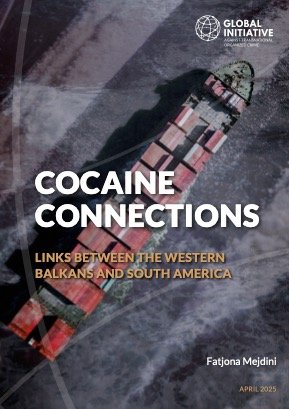
Cocaine Connections: Links Between the Western Balkans and South America

By Fatjona Mejdini

Organized crime groups from the Western Balkans have over the last 20 years established a remarkably strong foothold in South America in their pursuit of cocaine that they ship to and distribute in Europe and beyond. They have evolved from minor European players into prominent international criminal enterprises in this illicit global commodity trade, building durable relationships at both ends of the highly lucrative supply chain. Their rise has been spurred, in part, by luck. Two key factors have favoured them: an unprecedented surge in cocaine production in South America and insatiable demand for the drug in Europe. The Global Initiative Against Transnational Organized Crime (GI-TOC)’s European Drug Trends Monitor suggests that after reaching record high levels in 2023, and despite a drop in seizures in the beginning of 2024, cocaine availability remains stable, if not on the rise, in Europe.1 Indeed, record seizures are being documented at key EU ports and the bloc’s drugs monitoring agency, the European Union Drugs Agency, announced in March 2023 another annual increase in the levels of cocaine detected in wastewater, continuing an upward trend that began in 2016.2 But guile has played an equally important role in the success of these groups, which have leveraged the smuggling expertise and paramilitary training established during the Balkan ethnic conflicts and civil unrests of the 1990s. Playing the long game, they have learned from and won the respect of the Italian mafia, among others, while retaining an agility that has allowed them to seize market opportunities. This has largely been achieved – so far, at least – without provoking debilitating blowback from rival players. The research for this report focused on Western Balkan organized crime groups and was conducted within this framework. Consequently, the dynamics observed in South American countries are explored solely in relation to these criminal groups. The report aims to provide a detailed understanding of their presence in South America and the broader implications that this has for their future in the context of the Western Balkans. Balkan brokers have been crucial to their success in establishing symbiotic local relationships. They have forged strong and enduring connections in the cocaine-producing countries of Colombia, Peru and Bolivia, from cartels to coca farmers. They have also been able to establish strong bases and key relationships in dispatching countries such as Brazil, Ecuador and, more recently, the neighbouring Caribbean region. Not only have they managed to navigate the South America’s criminal environment with relative ease, but in some cases they have also proved able to forge relationships within high-level business and political circles in the countries where they operate.3 To avoid disruptions to their operations at the wholesale source, they have intentionally maintained a professional working distance from other foreign criminal organizations operating in South America, especially the infamous Mexican cartels. However, they have managed to expand their footprint in global cocaine markets, partly through arrangements with some of Europe’s most prominent criminal organizations, such as the Dutch–Moroccan networks, the Kinahan cartel and Italian mafia groups like the ’Ndrangheta and the Camorra. They have also displayed creativity by employing various forms of trafficking methods. These extend beyond the use of container ships, to also encompass cargo and leisure vessels and planes. Their presence in South America and the international cocaine supply chain has left a conspicuous footprint that has been tracked by law enforcement activity. Over the past three years, half of the targets of Europol-coordinated cocaine operations have been linked to individuals and networks from this region, thanks in part to the crackdown on communication platforms such as EncroChat and SKY ECC, which were widely used by criminal organizations from the Western Balkans.4 Western Balkan criminals have been accused of transporting tens of tonnes of cocaine from South America to major ports in Belgium, the Netherlands, Spain and elsewhere. Although these major European entry hubs appear to be the primary channels for criminal organizations from the Western Balkans, these actors also utilize ports in the Balkans region as transit points for trafficking cocaine elsewhere in Europe. Their involvement in the global illicit cocaine trade is not confined to the European consumer market, however. Western Balkan groups have been linked to significant seizures on other continents as well, including one of the largest cocaine seizures in US history (more than 20 tonnes, worth more than US$1 billion).5 Western Balkans groups have also, in recent years, been using their strong presence in South America to target even wealthier markets, such as Australia, using Africa and Southern Europe as transit regions.6 These criminal entities have also left a trail of blood. Since 2010, at least 19 people from the Western Balkans believed to be linked with cocaine trafficking have been killed in South America, according to GI-TOC records. Their activities have exacerbated instability in certain South American countries such as Ecuador, as they relentlessly secure supplies of cocaine and its safe shipment – at any cost. This research report identifies the links between criminal actors from the Western Balkans and the South American cocaine trafficking market. It provides an overview of the factors that have impelled the region’s organized crime groups towards South America and addresses the implications arising from their presence in that region. The study sheds light on their origins and operations, revealing common patterns despite the diverse backgrounds from which they have emerged. The study finds that links between the Western Balkans and South America have existed for around three decades but have significantly intensified in the last two. It predominantly focuses on organized crime groups from Albania, Bosnia and Herzegovina, Kosovo, Montenegro, North Macedonia and Serbia, but also makes reference to those from other countries in South Eastern Europe where relevant, in relation to their collaboration in the cocaine trade. It is important to note that international law enforcement organizations, in their reporting, often refer to criminal groups from the Western Balkans as ‘Albanian-speaking networks’7 or the ‘Balkan Cartel’.8 The former is used to denote criminal groups of Albanian nationality that speak Albanian, while the latter refers to criminal groups of Slavic origin that speak the Bosnian-Croatian-Montenegrin-Serbian language.9 These terms indicate ethnicity and linguistic variations among actors rather than their organizational characteristics. Inter-ethnic cooperation between organized crime groups in the Western Balkans has a long history, particularly in the trafficking of weaponry and ammunition, cigarettes, fuel and drugs, and human smuggling. In some cases, integrated organized crime groups have emerged bringing together members from different countries within the region. But these groups prefer to retain their independence, and there is no evidence of the creation of cartels in the Western Balkan region.10 Organized crime groups in the region generally have a clear leadership structure, but Balkan organized crime groups operating in South America appear to prefer a horizontal organizational structure that allows flexibility. Due to the transnational nature of cocaine trafficking, these groups have become adaptable. Often, their trafficking operations in South America are seen as ‘joint ventures’ or ‘projects’ that bring together organizations or groups of criminals from different countries and ethnic backgrounds who happen to be in the right place and have the necessary resources and skills to achieve the desired outcome. The extensive supply chain coordination needed to procure, transport, process and distribute the drug has prompted enhanced flexibility within these groups. Therefore, in this report, the terms ‘organized crime groups’ and ‘criminal networks’ will be used interchangeably.

Geneva, SWIT: Global Initiative Against Transnational Organized Crime , 2025. 48p.

A Process Evaluation of the Victim Notification Scheme A scheme for victims of stalking, harassment and coercive and controlling behaviour, where the sentence is less than 12 months

By Jacki Tapley, David Shepherd, Veronika Carruthers, Jennifer Grant, Chloe Hawkins, Michelle McDermott, Megan Thomas 

  The Victim Contact Scheme (VCS) requires the Probation Service to offer contact to victims of specified sexual and/or violent offences to provide information about the offender’s sentence and release. The VCS applies to cases where the sentence is 12 months or more, or where the offender is made subject to a hospital order. The 2021 Target Operating Model for the unified Probation Service highlighted the desire to provide a similar service to victims of stalking, harassment and coercive and controlling behaviour, where the length of sentence is less than 12 months. The Victim Notification Scheme (VNS) differs from the VCS; it is a non-statutory scheme and due to the nature of the shorter sentences there is a need to contact victims more quickly. The VNS was initially trialled from April 2022 in three Probation regions: Hampshire and Thames Valley, Northumbria, and the whole of Kent, Surrey and Sussex. This report provides findings from a process evaluation of the VNS. The aim of the research was to explore the process by which the VNS has been rolled out in the pilot areas, and its perceived impact on those criminal justice professionals responsible for its delivery, as well as the perceived impact on victims’ experiences and the specialist support services assisting them. It also aimed to identify parts of the new process that are working well and areas where further improvements are required, particularly in relation to the shorter timescales required for VNS cases.   

 Ministry of Justice Analytical Series, London: UK Ministry of Justice, 2025. 71p.

Bringing Together the Criminologies of Atrocity and Serious Economic Crimes

By Andy Aydın-Aitchison

The paper reflects on the value of linking criminological research on atrocity with that on serious economic crime. The two areas of criminological research are outlined briefly, before common challenges around complexity and interdependence are set out. An example of a criminal career encompassing both atrocity and serious economic criminality is put forward to support claims that atrocity and economic crime can usefully be studied together. Three further examples of research are discussed to show the possible merits of bringing together two criminological strands. Ultimately, studying the two forms of criminality together would respect the lived experience of victims, who see firsthand how atrocity and serious economic crime go hand in hand.

International Criminal Law Review (2023) 1–17

Child sexual abuse of African, Asian and Caribbean heritage children: A knowledge review

By Sukhwant Dhaliwal

This knowledge review is the first to provide an up-to-date overview of published research in relation to the sexual abuse of African, Asian and Caribbean heritage children. It sets out what this research says about the nature of that abuse, its impacts, the barriers that prevent children talking about it, and how concerns about it are identified and responded to – both within communities and by services. Equally importantly, it identifies significant gaps in knowledge and understanding, and recommends how these can be addressed. Commissioned by the Centre of expertise on child sexual abuse (the CSA Centre) and Barnardo’s SEEN Centre for children and young people of African, Asian and Caribbean heritage, the review was conducted by the Child and Woman Abuse Studies Unit (CWASU) at London Metropolitan University. In addition to examining 79 publications (including research studies, journal articles, book chapters and ‘grey’ literature) which related to 59 distinct research or evaluation projects, it collated information on ongoing research and convened four focus groups involving African, Asian and Caribbean heritage people with knowledge of child sexual abuse as academics/researchers, practitioners and ‘experts by experience’. Overview of the research literature The publications reviewed dated from between 1988 and 2023. There is a shape to their content and quantity, with recent years seeing rapid growth in the number of publications. Only a small number of studies were published up to the early 2000s. The period between 2010 and 2015 focused principally on the sexual exploitation of African, Asian and Caribbean heritage children; subsequently, there was a shift towards talking about child sexual abuse and sexual violence more widely. Most of the published studies were based on qualitative research and were small in scale. They typically focused on a particular ethnic group or on abuse in particular settings such as religious institutions, with an emphasis on the experiences of women and girls; the distinct experiences of boys were largely absent. Very few included quantitative analysis of larger samples. As a result, the literature tells us about the nature of the sexual abuse experienced by African, Asian and Caribbean heritage children, and the contexts in which it takes place, but not its scale. The review found that the sexual abuse of Asian heritage children, primarily those of North Indian and Pakistani heritage, received more research attention than the sexual abuse of African and Caribbean heritage children: only four studies focused solely on African victims/survivors, and another four on Black Caribbean victims/survivors. Moreover, children of African, East Asian and Southeast Asian heritage received hardly any attention. There was little research engaging directly with African, Asian and Caribbean heritage children; most relied instead on accounts from adult victims/survivors or practitioners, or on analysis of children’s case files. Studies involving the greatest direct engagement with children as research participants were those on gang-associated sexual violence, one on intra-familial child sexual abuse, and two on the experiences of unaccompanied asylumseeking minors. Although many of the studies included discussion of service responses to the sexual abuse of African, Asian or Caribbean heritage children, there were only three evaluations of support services or interventions.

Barkingside<Ilford: Centre of Expertise on Child Sexual Abuse, 2024. 112p.

How environmental features and perceptions influence the perceived risks and rewards of criminal opportunities

By William P. McClanahan, Daniel S. Nagin, Marco Otte, Peter Wozniak, Jean-Louis van Gelder

A central tenet of the criminal decision-making literature is that perceptions of the environment shape decisions. Yet the underlying mechanisms linking environmental features to perception remain mostly untested. Those that have been tested have relied on methods that are either correlational or have limited generalizability. We aimed to fill this gap by harnessing the power of virtual reality. Using burglary as a case study, incarcerated residential burglars with varying degrees of proficiency (N = 160) explored a virtual neighborhood with houses that differed in features related to the risks and rewards of burglary. In support of our preregistered hypotheses, offenders adjust their perceptions in response to environmental features related to risks and rewards. Moreover, proficiency modifies these perceptions, with more proficient offenders believing they are less likely to get caught and seen and, as a result, more likely to break into a house. We support our statistical findings with rich data from qualitative interviews.

Criminology, Volume 63, Issue 1, February 2025, Pages 155-182

The Effect of Education Policy on Crime: An Intergenerational Perspective

By Costas Meghir Marten Palme Marieke Schnabel

We study the intergenerational effect of education policy on crime. We use Swedish administrative data that links outcomes across generations with crime records and we show that the comprehensive school reform, gradually implemented between 1949 and 1962, reduced conviction rates both for the generation directly affected by the reform and for their sons. The reduction in conviction rates occurred across many types of crime. Key mediators for this reduction in the child generation are an increase in education and a decline in crime amongst their fathers.

COWLES FOUNDATION DISCUSSION PAPER NO. 2356, New Haven, CT: Yale University, 2023. 40p.

Interventions for Improving Informal Social Support for Victim‐Survivors of Domestic Violence and Abuse: An Evidence and Gap Map

By Karen L. Schucan Bird, Nicola Stokes, Carol Rivas

Background: Domestic Violence and Abuse (DVA) is a significant global problem that warrants a robust, multi‐sectoral response. The Covid‐19 pandemic highlighted that informal and social networks play a critical role in responding to victim‐survivors, alongside formal agencies and specialist services. Friends, relatives, neighbours and colleagues are uniquely placed to recognise abuse, respond and refer to wider services, where appropriate. Seeking to harness this potential, interventions tailored towards such informal supporters are being developed and implemented around the world. Yet little is known about such interventions. By pulling together the research on such programmes, this evidence and gap map begins to advance the understanding of informal support interventions, pinpointing the range and type of interventions implemented around the world, and the extent of the available evidence. This provides valuable insights for policy makers and practitioners seeking to commission or develop interventions and research in this area, with a view to facilitating a holistic, societal‐wide response to domestic abuse. The evidence and gap map was a collaboration of academics and specialists, as well as domestic abuse researchers, with input and guidance from an Advisory Group.Objectives: This evidence and gap map aims to establish the nature and extent of the empirical primary research on interventions aiming to create or enhance informal support for victim‐survivors of domestic abuse, identifying clusters of evidence potentially suitable for synthesis, and gaps in the research base.Search Methods: The following bibliographic databases were searched for published studies from inception to 31st October2022: APA PsycINFO, Social Policy and Practice, ASSIA, PubMed, and Social Science Citation Index. Identifying grey literature was an important pillar of the search strategy and so websites of domestic abuse organisations, predominantly in the United Kingdom, were also searched. Similarly, a targeted search of specialist systematic review, policy and domestic abuse database was undertaken from inception to 10th July 2023.Selection Criteria: The evidence and gap map focused on any interventions that explicitly aimed to create or enhance informal social support for victim‐survivors of domestic abuse. Eligible interventions targeted the providers of the support (i.e., friends,relatives, neighbours or colleagues), the victim‐survivor, the relationship between them, and/or the wider community within which the informal support was provided. All study designs were included, reporting qualitative or quantitative data for samplesor victim‐survivors (adults who were/had been experiencing abuse in an intimate relationship) or informal supporters.Outcomes were not used as part of the eligibility criteria. Eligible studies needed to be published in English. Collection and Analysis: All studies included in the evidence and gap map were coded by two independent reviewers,using specialist systematic review software EPPI Reviewer. Details were collected about the study sample, study design,intervention and outcomes. Quality appraisal was not undertaken.Main Results: The EGM identified 47 primary studies of interventions that aimed to create, enhance or facilitate informal support for victim‐survivors of domestic violence and abuse. The overwhelming majority of evidence is drawn from the GlobalNorth, and there is dissonance between the small evidence base and the relatively larger number of informal support interventions implemented around the world. The EGM highlights the importance of diverse study designs and grey literature in this field. The body of research is unevenly distributed, with the greatest concentration of studies around interventions directed towards victim‐survivors, such as support groups or mentoring, and those tailored towards informal supporters, such as education and training. Most research reported on female, adult victim‐survivors with a particular emphasis on their mental health and wellbeing, and their help‐seeking behaviours. The reporting of such outcomes aligns with wider service user/provider priorities and highlights the imperative of DVA research to improve the lives of victim‐survivors. The EGM found little research focused on interventions targeting structural factors that shape informal support, such as social relationships or community norms, and a lack of data on specific population groups including victim‐survivors in the longer term, ethnic minority groups and men. There are major gaps in the research for informal supporters with limited data or outcomes for this group, and specific types of informal supporters (namely friends and family members) are notably absent from samples. TheEGM also highlights a gap in the research on community‐level outcomes.Authors' Conclusions: To our knowledge, this EGM is the first to provide a comprehensive and rigorous overview of the evidence on informal support interventions in domestic abuse. The EGM provides a valuable tool for policymakers, practi-tioners and researchers seeking to navigate the evidence around such interventions. Whilst the EGM provides a partial picture of interventions around the world, the studies offer insight into informal support for victim‐survivors of DVA and the potential effects of intervening. The suite of interventions covered by the EGM can inspire policymakers to broaden the response to domestic abuse beyond frontline services, identify stakeholders and commission pilot studies to further understanding of informal support interventions. The evidence base can be strengthened with additional studies examining interventions that target relationships and communities, as well as individuals, and assessing a wider range of population groups. At the sametime, the EGM offers pockets of rich data, such as outcomes on victim‐survivor mental health or interventions in faith‐basedorganisations, which can be utilised to inform current and future service provision.

Campbell Systematic Reviews, Volume 21, Issue 2, 2025; 48p.

Pregnancy-Associated Mortality Due to Homicide, Suicide, and Drug Overdose

By Maeve E. Wallace; Jaquelyn L. Jahn

IMPORTANCE Despite growing national concern about high and increasing rates of pregnancyassociated mortality due to homicide, suicide, and drug overdose, state-level incidence has previously not been available. OBJECTIVE To identify cases of pregnancy-associated homicide, suicide, drug overdose, and deaths involving firearms in the US from calendar year 2018 to 2022 and estimate 5-year proportionate mortality and mortality ratios per 100 000 live births by state and cause of death. DESIGN, SETTING, AND PARTICIPANTS This cross-sectional study is a population-based analysis of the 2018-2022 restricted-use mortality files provided by the National Center for Health Statistics. These data include all deaths occurring in the US, with geographic identifiers for state of residence. All records in which the decedent was female aged 10 to 44 years and pregnant at the time of death or up to 1 year earlier were included in the analysis. Data were analyzed from July 1 to December 1, 2024. MAIN OUTCOMES AND MEASURES International Statistical Classification of Diseases and Related Health Problems, Tenth Revision codes for underlying cause of death were used to identify cases of homicide, suicide, drug overdose, and deaths involving firearms occurring in each state from 2018 to 2022. Proportionate mortality was estimated as the count of cases divided by the total count of deaths of pregnant and postpartum women in each state. Cause-specific mortality ratios were estimated as the count of cases divided by the total count of live births in each state from 2018 to 2022. RESULTS Nationally, there were 10 715 deaths of people who were pregnant or within 1 year post partum from 2018 to 2022, including 837 homicides, 579 suicides, 2083 drug overdoses, and 851 that involved firearms. Proportionate mortality and mortality ratios for homicide, suicide, and drug overdose varied across the US. Of states with more than 9 cases, pregnancy-associated homicide mortality was highest in Mississippi (12.86 per 100 000 live births), pregnancy-associated suicide mortality was highest in Montana (21.55 deaths per 100 000 live births), and pregnancy-associated drug overdose was highest in Delaware (36.03 deaths per 100 000 live births). Firearms accounted for as many as 15.56% of pregnancy-associated deaths in Colorado, and pregnancy-associated firearm mortality was highest in Mississippi (13.42 deaths per 100 000 live births). CONCLUSIONS AND RELEVANCE The information in this study may provide relevant guidance for state and local intervention strategies to advance the health, safety, and well-being of women during pregnancy and beyond.

JAMA Network Open. 2025;8(2):e2459342. doi:10.1001/jamanetworkopen.2024.59342 (R

A Randomized Controlled Trial of the Scenarios and Solutions Gang Prevention Program

By Stacy Calhoun

This randomized controlled trial to assess the effectiveness of a curriculum-based gang prevention program in addressing gang risk factors within a school setting encountered delays and challenges in implementing the program and completing the study. Despite challenges, progress was made as the clinic adapted to the evolving circumstances. Although the clinic lost its dedicated space, it successfully established Memorandums of Understanding (MOUs) with two new school districts where they implemented their universal screening program and services at one middle school and two high schools. Despite efforts by the clinic team, school staff, and SSGP facilitator to enhance student engagement during the project performance period through special events, motivating students to submit signed enrollment forms and to attend clinic and group appointments remained challenging. Participation in this study allowed the clinic to significantly expand its focus, addressing gang risk factors on a much broader scale than before. Despite facing substantial challenges, including adapting to COVID-19 disruptions, forming relationships in new school districts with differing policies, and coping with the loss of dedicated clinical space and staff, the clinic has remained committed to refining their processes to better support these students. Moreover, the clinic has taken a proactive role in educating stakeholders about the potential of integrating gang prevention services within school-based systems of care.

Los Angeles: Department of Psychiatry and Biobehavioral Sciences University of California, Los Angeles, 2024. 29p.

Financing the War on Drugs: The Impact of Law Enforcement Grants on Racial Disparities in Drug Arrests

By Robynn S Cox, Jamein P. Cunningham

We estimate the effectiveness of the Edward Byrne Memorial State and Local Law Enforcement Assistance Program, a grant program authorized under the 1988 Anti-Drug Abuse Act to combat illicit drug abuse and to improve the criminal justice system, on racial bias in policing. Funds for the Byrne Grant program could be used for a variety of purposes to combat drug crimes, as well as violent and other drug related crimes. The event-study analysis suggests that implementation of this grant resulted in an increase in police hiring and an increase in arrests for drug trafficking. Post-treatment effect implies a 107 percent increase in white arrests for drug sales compared to a 44 percent increase for blacks 6 years after the first grant is received. However, due to historical racial differences in drug arrests, the substantial increase in white drug arrest still results in large racial disparities in drug arrests. This is supported by weighted least squares regression estimates that show, for every $100 increase in Byrne Grant funding, arrests for drug trafficking increased by roughly 22 per 100,000 white residents and by 101 arrests per 100,000 black residents. The results provide strong evidence that federal involvement in narcotic control and trafficking lead to an increase in drug arrests; disproportionally affecting blacks

Journal of Policy Analysis and Management, Volume 40, Issue 1, Winter 2021, Pages 191-224

From criminals to citizens: the applicability of Bolivia’s community-based coca control policy to Peru

By Thomas Grisaffi, Linda Farthing, Kathryn Ledebur, Maritza Paredes, Alvaro Pastor

Between 2006-2019, Bolivia emerged as a world leader in formulating a participatory, non-violent model to gradually limit coca production in a safe and sustainable manner while simultaneously offering farmers realistic economic alternatives to coca. Our study finds that not only has this model reduced violence, but it has effectively expanded social and civil rights in hitherto marginal regions. In contrast, Peru has continued to conceptualize ‘drugs’ as a crime and security issue. This has led to U.S.-financed forced crop eradication, putting the burden onto impoverished farmers, generating violence and instability. At the request of farmers, the Peruvian government has made a tentative move towards implementing one aspect of Bolivia’s community control in Peru. Could it work? We address this question by focusing on participatory development with a special emphasis on the role of local organizations and the relationship between growers and the state. Drawing on long-term ethnographic fieldwork, interviews, focus group discussions and secondary research, we find that for community control to have any chance of success in Peru, grassroots organizations must be strengthened and grower trust in the state created. The study also demonstrates that successful participatory development in drug crop regions is contingent on land titling and robust state investment, which strengthens farmer resolve to participate so as to avoid a return to the repression of the past.

World Development, 2021, 14p.

Outlaw biker crime The relationship between Outlaw Motorcycle Gang membership and criminal behavior

By Sjoukje van Deuren

Although Dutch Outlaw Motorcycle Gangs (OMCGs) have been around since the late nineteen seventies, it was not until the turn of the century that Dutch OMCGs increasingly started to attract attention from both the authorities and the general public. In 1996, a report on Dutch organized crime provided a starting point for the government’s view that OMCGs in general and the Hells Angels in particular, are hotbeds for serious and organized crime that need to be addressed. In the report, members of the Amsterdam Hells Angels were accused of being involved in serious and organized crime, such as the trade, import, and transit of synthetic drugs (Bovenkerk & Fijnaut, 1996). In 2012, the presumption that members of at least some OMCGs were involved in organized crime, a growing fear of inter-club feuds, and the feeling that Dutch OMCGs were exhibiting themselves as untouchable and above the law, spurred the minister of Security and Justice to announce a multi-pronged, whole-of-government approach (Van Ruitenburg, 2020). This integrated approach was aimed at combating criminal OMCGs via all legal options available, including criminal, civil, and administrative means. Initially all OMCGs of the former Dutch Council of Eight – a consultative body established in 1996 by the Hells Angels and seven other motorcycle clubs to avoid turmoil and inter-club rivalry – were subjected to the integrated approach. In the context of the integrated approach, various actors, such as the police, local governments, and tax authorities closely work together to raise barriers against the OMCG subculture.1 The approach aims to hinder the criminal opportunities of OMCG members, reduce the popularity of the OMCG subculture, and target the untouchable image of OMCGs by addressing the OMCGs on the individual and on the club level. On the individual level, focal points of the approach are prioritizing the criminal prosecution of individual OMCG members, and reducing the number of OMCG members working for the private security sector or the government. Criminal prosecution is specifically targeted at OMCG board members in an effort to rid the clubs of their management. On the club level, club houses are closed down and OMCG-related events are prohibited. Clubhouses are believed to be important locations for the planning and execution of (organized) crime, while OMCGrelated events provide opportunity for the escalation of conflict. More recently, the Dutch Public Prosecution Office successfully filed petitions to the civil court to ban those Dutch OMCGs deemed to be most heavily involved in crime. Overall, the integrated approach is much more focused on the structural aspects of OMCGs as collectives, rather than on specific forms of (organized) crime committed by individual members. Importantly, when the integrated approach was implemented in 2012, there was scant knowledge on the crimes of the various Dutch OMCGs, and on whether and in which (continued)

Amsterdam: Free University of Amsterdam, 2023. 175p.