Open Access Publisher and Free Library
TERRORISM.jpeg

TERRORISM

Terrorism-Domestic-International-Radicalization-War-Weapons-Trafficking-Crime-Mass Shootings

Posts in Violence and Oppression
White Supremacist and Anti‐government Extremist Groups in the US

Keneally, Katherine; Davey, Jacob

From the document: "This project by the Global Network on Extremism and Technology (GNET) looks at the user journeys of individuals who enter and participate in the online spaces of extremist communities. A user journey here refers to the distinct path a user may follow to reach their goals when accessing and using an online space belonging to extremist communities. User journeys are particularly important in offering insights into the rationale and motivations of users on the one hand, and to the inner workings of extremist online communities on the other. This is vital for understanding their goals and objectives. In selecting the ideologies for this project, we drew upon extremist communities - rather than extremist and terrorist organisations or groups - including those actors that participate in the extremist milieu and share ideas but do not necessarily operate in concert. These ideologies include those of formal and well-defined extremist organisations of White supremacist and anti-government extremist groups in the United States, supporter networks of Islamic State (IS), and looser communities of extremist actors including accelerationists, incels and chan site members who operate on shared platforms, congregating around common beliefs but without the connection of formal membership. This project is a response to the growing interest in understanding how individuals enter and participate in online spaces of extremist communities."

Global Network On Extremism And Technology (GNET). 24 JUL, 2024.

Catalyzing Crisis: A Primer on Artificial Intelligence, Catastrophes, and National Security

DREXEL, BILL; WITHERS, CALEB

From the document: "Since ChatGPT [Chat Generative Pre-Trained Transformer] was launched in November 2022, artificial intelligence (AI) systems have captured public imagination across the globe. ChatGPT's record-breaking speed of adoption--logging 100 million users in just two months--gave an unprecedented number of individuals direct, tangible experience with the capabilities of today's state-of-the-art AI systems. More than any other AI system to date, ChatGPT and subsequent competitor large language models (LLMs) have awakened societies to the promise of AI technologies to revolutionize industries, cultures, and political life. [...] This report aims to help policymakers understand catastrophic AI risks and their relevance to national security in three ways. First, it attempts to further clarify AI's catastrophic risks and distinguish them from other threats such as existential risks that have featured prominently in public discourse. Second, the report explains why catastrophic risks associated with AI development merit close attention from U.S. national security practitioners in the years ahead. Finally, it presents a framework of AI safety dimensions that contribute to catastrophic risks."

CENTER FOR A NEW AMERICAN SECURITY. UN, 2024. 42p.

Digital Weaponry of Radicalisation: AI and the Recruitment Nexus

SHAH, MARIAM

The following excerpt from the document contains multiple links embedded in the original text: "Islamic State (IS) recently released a powerful recruitment message for 'distracted Muslim youth' to travel and join IS territories across the world. It highlights a disturbing trend in how terrorist organisations are using technology to recruit and mobilise members through a single message. It also shows that contemporary terror groups and extremist organisations are adapting fast to emerging technologies. This Insight aims to highlight an alarming reality: the exploitation of Artificial Intelligence (AI) technology by terrorist and violent extremist groups to strengthen recruitment efforts. These groups proficiently manipulate online platforms, leveraging sophisticated AI tools to disseminate tailored propaganda content to exploit psychological vulnerabilities and amplify divisive narratives, thereby fostering radicalisation and recruitment. From using encrypted messaging apps like Telegram and WhatsApp to seeking refuge in the anonymity of the Dark Web, these groups employ various tactics to evade AI detection and exploit vulnerabilities. By leveraging AI tools, these groups engage in personalised messaging, rapid distribution, and exploitation of social media algorithms to amplify their reach and influence susceptible individuals."

GLOBAL NETWORK ON EXTREMISM AND TECHNOLOGY (GNET). 4 JUL, 2024. 8p.

Firearm Violence: A Public Health Crisis in America

UNITED STATES. PUBLIC HEALTH SERVICE. OFFICE OF THE SURGEON GENERAL

From the document: "A recent nationally representative survey (n=1,271) found that the majority of U.S. adults or their family members (54%) have experienced a firearm-related incident. Among all respondents, 21% have personally been threatened with a firearm, 19% have a family member who was killed by a firearm (including by suicide), 17% have witnessed someone being shot, 4% have shot a firearm in self-defense, and 4% have been injured by a firearm (Figure 2). 'Nearly 6 in 10 U.S. adults say that they worry 'sometimes,' 'almost every day,' or 'every day,' about a loved one being a victim of firearm violence.' Such high levels of exposure to firearm violence for both children and adults give rise to a cycle of trauma and fear within our communities, contributing to the nation's mental health crisis. This Advisory describes the public health crisis of firearm violence in America and describes strategies for firearm injury and violence prevention, with a focus on the health and well-being of children, families, and communities."

United States. Public Health Service. Office of the Surgeon Genera. . 2024. 49p.

“You are doomed!" Crisis-specific and Dynamic Use of Fear Speech in Protest and Extremist Radical Social Movements

By Simon Greipl, Julian Hohner, Heidi Schulze, Patrick Schwabl, Diana Rieger

Social media messages can elicit emotional reactions and mobilize users. Strategic utilization of emotionally charged messages, particularly those inducing fear, potentially nurtures a climate of threat and hostility online. Coined fear speech (FS), such communication deliberately portrays certain entities as imminently harmful and drives the perception of a threat, especially when the topic is already crisis-laden. Despite the notion that FS and the resulting climate of threat can serve as a justification for radical attitudes and behavior toward outgroups, research on the prevalence, nature, and context of FS is still scarce. The current paper aims to close this gap and provides a definition of FS, its theoretical foundations, and a starting point for (automatically) detecting FS on social media. The paper presents the results of a manual as well as an automated content analysis of three broadly categorized actor types within a larger radical German Telegram messaging sphere (2.9 million posts). With a rather conservative classification approach, we analyzed the prevalence and distribution of FS for more than five years in relation to six crisis-specific topics. A substantial proportion between 21% and 34% within the observed communication of radical/extremist actors was classified as FS. Additionally, the relative amount of FS was found to increase with the overall posting frequency. This underscores FS's potential as an indicator for radicalization dynamics and crisis escalation.

Journal of Quantitative Description: Digital Media. Vol. 4, 2024.

'Substitution': Extremists' New Form of Implicit Hate Speech to Avoid Detection

RISIUS, MARTEN; NAMVAR, MORTEZA; AKHLAGHPOUR, SAEED; XIE, HETIAO (SLIM)

The following excerpt from the document contains multiple links embedded in the original text: "'Content Warning: This insight contains antisemitic, racist, and hateful imagery.' [...] Extremists exploit social media platforms to spread hate against minority groups based on protected attributes such as gender, religion, and ethnicity. Platforms and researchers have been actively developing AI tools to detect and remove such hate speech. However, extremists employ various forms of implicit hate speech (IHS) to evade AI detection systems. IHS spreads hateful messages using subtle expressions and complex contextual semantic relationships instead of explicit abusive words, bringing challenges to automatic detection algorithms. Common forms of IHS include dog whistles, coded language, humorous hate speech, and implicit dehumanisation. Moreover, the forms and expressions of IHS evolve rapidly with societal controversies (e.g., regional wars). Identifying and tracking such changes in IHS is crucial for platforms trying to counter them. In this Insight, we report and analyse 'Substitution' as a new form of IHS. Recently, we observed extremists using 'Substitution' by propagating hateful rhetoric against a target group (e.g., Jews) while explicitly referencing another label group (e.g., Chinese). We show that Substitution not only effectively spreads hate but also exacerbates engagement and obscures detection."

GLOBAL NETWORK ON EXTREMISM AND TECHNOLOGY (GNET). 24 JUN, 2024. 8p.

2024 Department of Defense Arctic Strategy

UNITED STATES. DEPARTMENT OF DEFENSE

From the document: "The United States is an Arctic nation, and the region is critical to the defense of our homeland, the protection of U.S. national sovereignty, and our defense treaty commitments. I am issuing this 2024 Arctic Strategy to guide the U.S. Department of Defense (DoD) in a concerted approach to preserve the Arctic as a stable region in which the U.S. homeland remains secure and vital national interests are safeguarded. Major geopolitical changes are driving the need for this new strategic approach to the Arctic, including Russia's full-scale invasion of Ukraine, the accession of Finland and Sweden to the NATO Alliance, increasing collaboration between the People's Republic of China (PRC) and Russia, and the accelerating impacts of climate change. This increasingly accessible region is becoming a venue for strategic competition, and the United States must stand ready to meet the challenge alongside Allies and partners. This new DoD strategy directs the Department to enhance its Arctic capabilities, deepen engagement with Allies and partners, and exercise our forces to build readiness for operations at high latitudes. The document supports the 2022 National Security Strategy as well as the 2022 National Strategy for the Arctic Region, and its lines of effort implement the 2022 National Defense Strategy direction to adopt a 'monitor-and-respond' approach to preserving stability in the Arctic. This strategy represents prudent and measured efforts to protect U.S. interests in the face of new challenges and an evolving security environment."

Washington DC. UNITED STATES. DEPARTMENT OF DEFENSE. 21 JUN, 2024. 28p.

Fulcrum: The Department of Defense: Information Technology Advancement Strategy

UNITED STATES. DEPARTMENT OF DEFENSE. CHIEF INFORMATION OFFICER

From the document: "Fulcrum represents the Department's ambitious Information Technology (IT) advancement strategy designed to leverage the power of technology to drive transformative change and serves as a tipping point for catalyzing digital modernization for the warfighter. To propel the Department forward, we must ensure continued success and relevance in the digital age. Fulcrum will enable achievement of the DoD mission and strategic objectives with unparalleled efficiency and effectiveness. [...] The DoD Chief Information Officer's (DoD CIO) mission is to 'connect', 'protect', and 'perform'. Fulcrum outlines a vision guided by four lines of effort (LOEs) representing a strategic shift that embraces technology as a mission enabler. [...] Fulcrum features the DoD CIO's IT goals and objectives for Fiscal Years (FYs) 2025-2029 that provide essential support to the priorities in the National Defense Strategy (NDS), and the supporting DoD Strategic Management Plan (SMP)."

UNITED STATES. DEPARTMENT OF DEFENSE. 6 JUN, 2024

Firearm Homicide Demographics Before and After the COVID-19 Pandemic

By Alex R. Piquero, John K. Roman

In 2020, the US experienced the largest 1-year increase in homicide since 1960. The spike began in the first few months of the year, accelerating during the COVID-19 pandemic, emergency measures, the murder of George Floyd, and social protests.1 Three additional observations are relevant. First, the US Centers for Disease Control and Prevention (CDC) reported that the homicide increase in 2020 was due to firearm injuries. While the overall homicide rate increased 28.4%, the firearm homicide rate increased 34.6%.2 Second, the spike in violence was concentrated within certain demographic groups. CDC researchers found 19 384 victims of firearms homicide in 2020.3 Of those victims, 61% were Black individuals, and they experienced firearm homicide at 14 times the rate of White indviduals in 2020. This racial disparity does not exist for other types of violence.4 Third, the largest increases in death by firearm homicide were for Black men aged between 10 and 44 years old

JAMA Network Open. 2024;7(5):e2412946. doi:10.1001/jamanetworkopen.2024.12946

Firearm Violence: A Public Health Crisis in America

By The U.S. Surgeon General

Since 2020, firearm‑related injury has been the leading cause of death for U.S. children and adolescents (ages 1–19), surpassing motor vehicle crashes, cancer, and drug overdose and poisoning (Figure 1). In 2022, 48,204 total people died from f irearm‑related injuries, including suicides, homicides, and unintentional deaths. This is over 8,000 more lives lost than in 2019 and over 16,000 more lives lost than in 2010 .

Washington, DC: Office of the U.S.Surgeon General, 2024. 40p.

Grievance-fuelled violence: Modelling the process of grievance development

By Emily Corner and Helen Taylor

Acts of extreme or mass violence perpetrated by lone offenders have become increasingly common in liberal democracies over the past 20 years. Some describe these acts as politically motivated, while others attribute them to mental disorder or criminal intent. This has led to the development of distinct research and practice areas focusing on either violent extremism, mass murder, fixation, stalking, or familial and intimate partner homicide. However, there is increasing understanding that the distinction between political ideology, criminal intent and personal motivation is blurred, and that the violence carried out by these individuals is better understood using the broader concept of grievance-fuelled violence. This work is the first to empirically consolidate the existing research in these distinct areas, employing a multifaceted analytical approach to develop a holistic model of the processes of grievance development among those who commit grievance-fuelled violence.

Research Report no. 27. Canberra: Australian Institute of Criminology. 2023. 95p.

Review of violent extremism risk assessment tools in Division 104 control orders and Division 105A post-sentence orders

By Timothy Cubitt and Heather Wolbers

Risk assessment for violent extremism plays a critical role in understanding the threat posed by radicalised offenders and determining how these individuals are managed both in correctional settings and in the community. The Australian Institute of Criminology (AIC) was engaged by the Department of Home Affairs’ Countering Violent Extremism (CVE) Branch to conduct a review of the use of risk assessments for violent extremism in Australia.

The aim of this review was to:

• identify and describe violent extremism risk assessment tools currently available to support risk assessments of convicted terrorist offenders;

• assess each tool’s suitability to assist an expert to conduct an assessment of the risk to the community from an offender, when a court is considering whether to issue a control order under Division 104 or a post-sentence order under Division 105A of the Criminal Code Act 1995 (Criminal Code); and

• review current risk assessment frameworks, including the use of Structured Professional Judgement, to assess the risk of violent extremist offending and consider how violent extremism risk assessment tools might be improved.

A review of relevant peer-reviewed and grey literature was undertaken alongside semi-structured interviews with a group of experts in violent extremism risk assessment. Findings from this review are organised according to the Terms of Reference.

Special reports. no 14. Canberra: Australian Institute of Criminology. 2023. 70p.

Racial and ethnic differences to the effects of state firearm laws: a systematic review subgroup analysis

By Rosanna Smart

Background

Despite growing evidence about how state-level firearm regulations affect overall rates of injury and death, little is known about whether potential harms or benefits of firearm laws are evenly distributed across demographic subgroups. In this systematic review, we synthesized available evidence on the extent to which firearm policies produce differential effects by race and ethnicity on injury, recreational or defensive gun use, and gun ownership or purchasing behaviors.

Main body

We searched 13 databases for English-language studies published between 1995 and February 28, 2023 that estimated a relationship between firearm policy in the USA and one of eight outcomes, included a comparison group, evaluated time series data, and provided estimated policy effects differentiated by race or ethnicity. We used pre-specified criteria to evaluate the quality of inference and causal effect identification. By policy and outcome, we compared policy effects across studies and across racial/ethnic groups using two different ways to express effect sizes: incidence rate ratios (IRRs) and rate differences. Of 182 studies that used quasi-experimental methods to evaluate firearm policy effects, only 15 estimated policy effects differentiated by race or ethnicity. These 15 eligible studies provided 57 separate policy effect comparisons across race/ethnicity, 51 of which evaluated interpersonal violence. In IRR terms, there was little consistent evidence that policies produced significantly different effects for different racial/ethnic groups. However, because of different baseline homicide rates, similar relative effects for some policies (e.g., universal background checks) translated into significantly greater absolute differences in homicide rates among Black compared to white victims.

Conclusions

The current literature does not support strong conclusions about whether state firearm policies differentially benefit or harm particular racial/ethnic groups. This largely reflects limited attention to these questions in the literature and challenges with detecting such effects given existing data availability and statistical power. Findings also emphasize the need for additional rigorous research that adopts a more explicit focus on testing for racial differences in firearm policy effects and that assesses the quality of race/ethnicity information in firearm injury and crime datasets.

Inj Epidemiol. 2023; 10: 67.

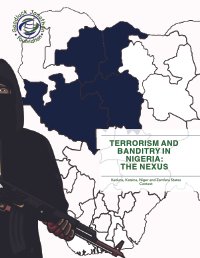
Terrorism and Banditry in Nigeria: The Nexus : Kaduna, Katsina, Niger and Zamfara States Context

By Oluwole Ojewale, et al.

This report details the findings of the research study that examined the plausibility between terrorism and banditry towards shedding new light on the dynamics of the country’s security challenges especially in northwest and north central Nigeria, within the focal context of Kaduna, Katsina, Niger and Zamfara States. Nigeria faces a plethora of security challenges ranging from the Boko Haram religious/violent extremism cum insurgency in the northeast to farmer-herder conflict and banditry in the northcentral and northeast, a revived secessionist movement in the southeast, police repression, piracy, and more recently attacks the nexus between banditry and terrorism; highlight the strategies and actions required by various stakeholders at various levels to counter the spread of banditry and terrorism in these focal states. Predominantly, the report utilises both qualitative and descriptive methods, generated from primary and secondary data gotten through desk review, and a consolidation of findings with feedback from consultations with stakeholders in selected focal states. The report undertook qualitative research in the focal states, documenting the experiences of some critical stakeholders through key on security installations, among others. In spite of government efforts, the security situation in Nigeria is deteriorating. The report thus explores the question of whether banditry and terrorism are the alternate side of the same coin and the security and policy implications of conflating both. The purpose of this report is to ascertain informant interviews. These interviews were cluster-based to provide a better context to the literature and systemically present the experiences of stakeholders. The report finds that while banditry gravely endangers public safety and security in the focal states, there are contextual differences in the origin, evolution, and manifestations of banditry in the focal states. Understanding these local variations is important to deploying effective and sustainable solutions to this spectre of banditry that defines governance in the states. The report also notes that there is no discernible ideological persuasion underpinning banditry beyond theft, extortion, and wanton violence. Bandits are primarily motivated by the alluring prospects of wealth in a region blighted by poverty and poor socioeconomic outcomes. However, this does not exclude the fact that fundamentalist Islamist groups operate in the same space as bandits. There is the possibility that some bandit groups might have adopted more of a religious modus operandi on their initiative or through limited contact with extremist groups. While the report notes the dearth of studies investigating in detail the theoretical and functional nature of the relationship between banditry and terrorism in these four states, the preliminary evidence points to the existence of both environmental and operational convergence between bandits and Islamist fundamentalist groups in the focal states.

Africa: Goodluck Jonathan Foundation (GJF) 2021. 43p.

Research on a 15-Year Statewide Program to Generate Enhanced Investigative Leads on Crime Gun Violence

By Glenn L. Pierce; David Lambert; Daniel Trovato; and Peter Gagliardi

This study examines the innovative use of firearms related evidence to enhance violent crime investigations in New Jersey. This effort changed the use of firearms forensic evidence from a sole evidential focus to one that also incorporates a premonitory focus required to generate investigative leads. This project demonstrated the critical importance of fusing firearms forensic evidence such as ballistics imaging with locally available information, such as arrest and incident data on a statewide basis. This study further demonstrated the value of ballistics imaging to connect previously unconnected incidents, individuals, and weapons particularly when combined with other law enforcement data sets. This project demonstrated the critical importance of fusing firearms forensic evidence such as ballistics imaging with locally available information, such as arrest and incident data on a statewide basis. This study further demonstrated the value of ballistics imaging to connect, previously unconnected incidents, individuals, and weapons particularly when combined with other law enforcement data sets. It illustrated the critical need of information sharing across forensic, criminal intelligence (such as fusion and real time crime centers), and investigative entities across all levels of government – local, state, and federal - in supporting violent crime suppression efforts. The study is a mixed methods approach to policy analysis using both quantitative and qualitative analysis. The researchers’ analyzed ballistics imaging submissions over a multi-year period in addition to examining open source and agency documents that tracked many of the crime reduction projects the New Jersey State Police incorporated into their crime gun intelligence effort.

Boston: Northeastern University, 2023. 120p.

Extreme risk protection orders, race/ethnicity, and equity: Evidence from California

By V A Pear , J P Schleimer , A J Aubel , S Buggs , C E Knoepke , R Pallin , A B Shev , E Tomsich , G J Wintemute , N Kravitz-Wirtz

Extreme risk protection orders (ERPOs) provide a civil mechanism to temporarily remove firearm access from individuals at high risk of harming themselves or others. Evidence and theory suggest that ERPOs can prevent firearm-related harm, but the policy's impact on racial/ethnic equity is largely unknown. To examine potential inequities by race/ethnicity in public perceptions and use of California's ERPO law, we drew on two complementary data sources: 1) a 2020 state-representative survey of California adults, and 2) ERPO court documents for the first 3 years of policy implementation (2016-2018). Majorities (54-89%) of all racial/ethnic groups reported that ERPOs are at least sometimes appropriate, and 64-94% were willing to ask a judge for an ERPO for a family member. However, Black and Hispanic/Latinx survey participants less often perceived ERPOs as appropriate and were less willing to serve as petitioners, with Black participants citing lack of knowledge about ERPOs and not trusting the system to be fair as their top reasons for unwillingness. Similarly, review of ERPO court documents revealed that no family or household members served as petitioners for Black and Hispanic/Latinx ERPO respondents. Additionally, Black respondents were the least likely to have documented access to a firearm and legal representation in court. Racial/ethnic equity in ERPO use may be improved by reducing barriers to petitioning, incorporating non-law enforcement intervention professionals like behavioral health specialists into the ERPO process, providing legal assistance to respondents and petitioners, and investing in the social safety net.

Prev Med. 2022 Dec;165(Pt A):107181. doi: 10.1016/j.ypmed.2022.107181. Epub 2022 Aug 6. PMID: 35940474.

The Contours of the Gun Industry Impunity: Separation of Powers, Federalism, and the Second Amendment

By Hillel Y. Levin & Timothy D. Lytton

In 2005, Congress passed the Protection of Lawful Commerce in Arms Act (PLCAA), granting the firearms industry sweeping immunity from civil lawsuits. However, PLCAA immunity is not absolute. This Article demonstrates that both state and federal courts have fundamentally misread PLCAA when adjudicating cases involving the scope of gun industry immunity. Properly understood, PLCAA permits lawsuits against the gun industry so long as they are based on statutory causes of action rather than common law. While broadly preempting state common law claims, PLCAA affords state legislatures autonomy in deciding how to regulate the gun industry within their borders.

Additionally, this Article addresses unresolved questions concerning constitutional limits on gun industry regulation. PLCAA explicitly strikes a balance between three constitutional principles. It safeguards the individual right to keep and bear arms by protecting the gun industry from civil litigation that would unduly curtail civilian access to firearms. It insists that the separation of powers requires that gun industry regulation should derive from legislation not common law adjudication. It affords state governments autonomy in deciding how to regulate the gun industry, recognizing that there are regional differences in attitudes about how to best reduce firearms-related violence. We counsel against interpretations of the Second Amendment’s application to gun industry regulation that would expand the right to keep and bear arms at the expense of other important constitutional principles such as the separation of powers and federalism

75 Florida Law Review 833 (2023),

Washington State Assault Weapon Firearm Violence Before and After Firearm Legislation Reform

By Avneet Bhullar, Jonathan Shipley, […], and Jeffry Nahmias, , et al,

Background

In January of 2019, Washington State (WA) passed Initiative 1639 making it illegal for persons <21 years-old to buy assault weapons (AWs). This study aimed to evaluate the effects of WA-1639 on firearm-related incidents involving AWs by those <21 years-old in WA, hypothesizing a decrease in incidents after WA-1639.

Methods

Retrospective (2016-2021) data on firearm violence (FV) events were gathered from the Gun Violence Archive. The rate of FV was weighted per 100,000 people. Total monthly incidents, injuries, and deaths were compared pre-law (January 2016-December 2018) vs post-law (January 2019-December 2021) implementation. Mann-Whitney U tests and Poisson’s regression were used for analysis.

Results

From 4091 FV incidents (2210 (54.02%) pre-law vs 1881 (45.98%) post-law), 50 involved AWs pre- (2.3%) and 15 (.8%) post-law. Of these, 11 were committed by subjects <21 years-old pre-law and only one occurred post-law. Total incidents of FV (z = −3.80, P < .001), AW incidents (z = −4.28, P < .001), and AW incidents involving someone <21 years-old (z = −3.01, P < .01) decreased post-law. Additionally, regression analysis demonstrated the incident rate ratio (IRR) of all FV (1.23, 95% CI [1.10-1.38], P < .001), all AW FV incidents (3.42, 95% CI [1.70-6.89], P = .001), and AW incidents by subjects <21 years-old (11.53, 95% CI [1.52-87.26], P = .02) were greater pre-law vs post-law.

Discussion

Following implementation of WA-1639, there was a significant decrease in FV incidents and those involving AWs by individuals <21 years-old. This suggests targeted firearm legislation may help curtail FV. Further studies evaluating FV after legislation implementation in other states is needed to confirm these findings.

The American SurgeonTM. 2024;0(0). doi:10.1177/00031348241244644 (Online First)

The Wars Are Here: How the United States’ Post-9/11 Wars Helped Militarize U.S. Police

By Jessica Katzenstein

Six years after the germinal United States protests against anti-Black police violence in Ferguson, MO, and months after the 2020 police killings of George Floyd and Breonna Taylor, police in mine-resistant vehicles have once again occupied both the streets and mass public attention. In 2014, images from the Ferguson protests—of snipers pointing semi automatic rifles into crowds and officers tear-gassing unarmed civilians—prompted activists and politicians to compare the St. Louis suburb to occupied Gaza, Ukraine, or Iraq.2 During the summer of 2020, as the U.S. witnessed its largest public uprisings since the 1960s, police militarization again came under scrutiny. The Department of Homeland Security flew surveillance aircraft over protests in 15 cities, as officers on the ground deployed flash-bang grenades, sound cannons, rubber bullets, and tear gas against peaceful demonstrators.3 Since protests began, at least 14 local law enforcement agencies in 10 states have received free mine-resistant vehicles built for the U.S. military.4 In response, some lawmakers have revived efforts to curtail such transfers of military equipment.5 Reform groups are advocating to demilitarize the police by limiting when and how they can use armored vehicles and camouflage uniforms.6 In this moment of potential transformation, we must analyze both the deep roots and the recent upsurge of police “militarization” in order to grasp what calls for “demilitarizing” the police could mean. This paper argues that today’s high level of police militarization is one of the cruel, complex domestic costs of recent American wars abroad. Police militarization is in a sense as old as U.S. policing itself, yet it has exploded since September 11, 2001 and its intensification must be counted among the costs of this country’s post-9/11 wars.

Providence, RI: Brown University, Watson Institute, 2020. 20p.

Prosecuting Terror in the Homeland: An Empirical Assessment of Sentencing Disparities in United States Federal Terrorism Cases

By Michael A. Jensen and Elena Akers

Recent mass casualty attacks in the United States have renewed a long-standing debate over the need for novel legislation to effectively prosecute domestic terrorism. Those who advocate for a new terrorism law argue that deficiencies in the US legal code present challenges to prosecuting domestic extremists, leading to unwarranted sentencing disparities in international and domestic terrorism cases. Critics of the proposal for a domestic terrorism law counter that the US legal code is sufficiently flexible for the courts to punish domestic extremists to the same extent as their international counterparts. Neither side, however, has produced an empirical assessment to support their claims. In this article, we address this research gap by analysing data on 344 US federal terrorism cases that were initiated between 2014 and 2019. We find that significant disparities are endemic to US federal terrorism prosecutions for three types of sentencing outcomes: length of incarceration; time spent on supervision upon release from prison; and the use of restrictive monitoring conditions. International terrorism defendants are more likely than domestic extremists to receive severe penalties for all three sentencing decisions even when controlling for criminal severity. Sentencing disparities in US federal terrorism cases are especially large when domestic extremists are prosecuted using common criminal charges, like weapons violations. We conclude with a discussion of what these findings mean for promoting judicial fairness in US terrorism prosecutions.

Perspectives on Terrorism Volume XVIII, Issue 1 March 2024