Open Access Publisher and Free Library
TERRORISM.jpeg

TERRORISM

Terrorism-Domestic-International-Radicalization-War-Weapons-Trafficking-Crime-Mass Shootings

Criminal Justice Interventions for Preventing Radicalisation, Violent Extremism and Terrorism: An Evidence and Gap Map

By Michelle Sydes | Lorelei Hine | Angela Higginson4 | James McEwan | Laura Dugan | Lorraine Mazerolle3

Background: Criminal justice agencies are well positioned to help prevent the radicalisation of individuals and groups, stop those radicalised from engaging in violence, and reduce the likelihood of terrorist attacks. This Evidence and Gap Map (EGM) presents the existing evidence and gaps in the evaluation research. Objectives: To identify the existing evidence that considers the effectiveness of criminal justice interventions in preventing radicalisation, violent extremism and terrorism. Search Methods: We conducted a comprehensive search of the academic and grey literature to locate relevant studies for the EGM. Our search locations included the Global Policing Database (GPD), eight electronic platforms encompassing over 20 academic databases, five trial registries and over 30 government and non‐ government websites. The systematic search was carried out between 8 June 2022 and 1 August 2022. Selection Criteria: We captured criminal justice interventions published between January 2002 and December 2021 that aimed to prevent radicalisation, violent extremism, and/or terrorism. Criminal justice agencies were broadly defined to include police, courts, and corrections (both custodial and community). Eligible populations included criminal justice practitioners, places, communities or family members, victims, or individuals/groups who are radicalised or at risk of becoming radicalised. Our map includes systematic reviews, randomised controlled trials, and strong quasi‐experimental studies. We placed no limits on study outcomes, language, or geographic location. Data Collection and Analysis: Our screening approach differed slightly for the different sources, but all documents were assessed in the systematic review software program DistillerSR on the same final eligibility criteria. Once included, we extracted information from studies using a standardised form that allowed us to collect key data for our EGM. Eligible systematic reviews were assessed for risk of bias using the AMSTAR 2 critical appraisal tool. Main Results: The systematic search identified 63,763 unique records. After screening, there were 70 studies eligible for the EGM (from 71 documents), of which two were systematic reviews (assessed as moderate quality), 16 were randomised controlled trials, and 52 were strong quasi‐experimental studies. The majority of studies (n = 58) reported on policing interventions. Limited evidence was found related to courts or corrections interventions. The impact of these interventions was measured by a wide variety of outcomes (n = 50). These measures were thematically grouped under nine broad categories including (1) terrorism, (2) extremism or radicalisation, (3) non‐terror related crime and recidivism, (4) citizen perceptions/intentions toward the criminal justice system and government, (5) psychosocial, (6) criminal justice practitioner behaviours/attitudes/ beliefs, (7) racially targeted criminal justice practices, (8) investigation efficacy, and (9) organisational factors. The most commonly assessed outcomes included measures of terrorism, investigation efficacy, and organisational factors. Very limited research assessed intervention effectiveness against measures of extremism and/or radicalisation. Authors’ Conclusions: Conducting high‐quality evaluation research on rare and hidden problems presents a challenge for criminal justice research. The map reveals a number of significant gaps in studies evaluating criminal justice responses to terrorism and radicalisation. We conclude that future research should focus attention on studies that consolidate sound measurement of terrorism‐related outcomes to better capture the potential benefits and harms of counter‐terrorism programs, policies and practices which involve criminal justice agencies.

Campbell Systematic Reviews, 19(4). 2023. 53p.

The Use of Artificial Intelligence in Countering Online Radicalisation in Indonesia

By Raneeta Mutiara

Digitalisation of the activities of Islamic State in Iraq and Syria (ISIS) has been a longstanding issue in Southeast Asia. In recent years, the nature of this threat has become more widespread and complex. In countries like Indonesia, where radicalisation is primarily offline, online platforms still play a role in spreading extremist ideas and maintaining ideological networks. The phenomenon of online radicalisation can erode social cohesion, highlighting the need for strategic measures to counter its destabilising impact.

Indonesia has made several attempts to combat online radicalisation. The National Counter Terrorism Agency of Indonesia (BNPT) initiated the Duta Damai Dunia Maya campaign to counter harmful content on the Internet. Other online initiatives, such as BincangSyariah and Islamidotco, have also been promoting Islamic literacy, moderating religious interpretations, and correcting misleading narratives.

Nevertheless, Indonesia still encounters online radicalisation cases. In July 2024, Indonesia’s elite counterterrorism unit, Densus 88, detained a 19-year-old student who had expressed allegiance to ISIS through social media and was believed to be planning attacks on religious sites before he was caught.

The swift progress of Artificial Intelligence (AI), especially in areas of machine learning (ML) and natural language processing (NLP), presents both opportunities and challenges in combating online radicalisation in Indonesia. AI, generally defined as machines mimicking human intelligence, enables systems to recognise patterns, analyse content, and produce outputs in text, images, and videos. Within this AI landscape, ML allows models to enhance themselves through data, while NLP, as a specific ML application, deals with understanding and generating human language. These advancements provide possibilities for creating early detection systems, content moderation tools, and sentiment analysis tools that can spot and counter extremist messages online.

For the research, the author conducted interviews with fifteen experts across different fields, including law enforcement officers, academics, representatives from civil society organisations (CSOs), and employees of AI start-ups in Indonesia. The qualitative data collected from this process have been analysed through thematic analysis, and the preliminary findings reveal that AI can indeed complement the conventional CVE (countering violent extremism) methods in the country, albeit not without challenges

S. Rajaratnam School of International Studies, NTU Singapore, 2025. 6p.

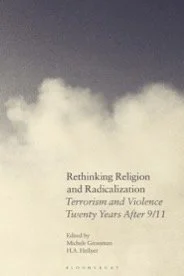
Rethinking Religion and Radicalization: Terrorism and Violence Twenty Years After 9/11

Edited by Michele Grossman

With contributions from a range of regions and disciplines, this open access volume offers theoretically compelling and empirically rich new insights on the relationship between religion and violent extremism. The role of religion and religiosity in processes of radicalisation to violence has been at the forefront of debates around terrorism and extremism for decades. The events of 9/11 gave new impetus to these debates, cementing assumptions about the role of Islam as the key driver for religiously inspired violent radicalisation, and defining the way in which radicalisation to violence is understood. The years since 9/11 have seen a striking diversification in the terrorist and violent extremist landscape, yet the treatment of how religious beliefs, concepts and histories are entangled with established and emergent violent ideologies and social movements has changed far less. By looking beyond Islamist-inspired or attributed terrorism, this volume explores how violent extremists instrumentalise religion and religiosity in unexpected ways, from Orthodox Christianity and Hindutva to ‘conspirituality’, far-right extremism, and single-issue social movements. The eBook editions of this book are available open access under a CC BY-NC-ND 4.0 licence on bloomsburycollections.com

London: Bloomsbury Academic, 2025. 312p.

The Terrorism News Beat: Professionalism, Profit, and the Press

By Aaron M. Hoffman

Critics of terrorism news coverage often describe it as a sensationalized and intimidating area of reporting. However, this characterization offers a misleading guide to the coverage of terrorist threats and attacks, counterterrorism, and community responses to terrorism that appears in U.S. newspapers. Counterterrorism—not terrorist threats or attacks—is the most reported-on subject in newspapers such as the New York Times and Wall Street Journal. Rather than focusing on accounts of terrorist attacks, militarized counterterrorism, or counterterrorism failures, journalists more often cover counterterrorism successes, criminal justice, and diplomatic or community responses to terrorism. The Terrorism News Beat engages thinking about terrorism and the news media from the fields of political science, communication, criminology, economics, and sociology using multimethod research involving more than 2,500 newspaper articles published between 1997 and 2018. Chapters analyze the terrorism news beat’s subject matter, language, and coverage of the Oklahoma City Bombing, Olympic Park bombing, 9/11 attacks, DC Sniper case, and Dallas Police shooting. When it comes to language use, Hoffman finds that, rather than giving into the temptation to convey the news in lurid detail, journalists are minimalists. The language used to depict events on the terrorism beat is typically moderate and extreme words like “torture” appear only as necessary. The Terrorism News Beat shows that contrary to claims of sensationalism, the tone of terrorism coverage becomes even more sober during terrorism crises than it is during non-crisis periods and meets journalistic standards for quality.

Ann Arbor: University of Michigan Press, 2025. 255p.

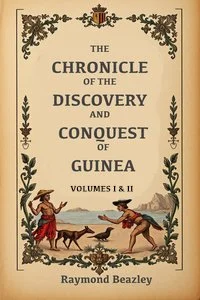
The Chronicle Of The Discovery And Conquest Of Guinea: Volumes 1 & 2

By Gomes Eannes De Azurara (Author), Colin Heston (Editor), Raymond Beazley (Translator)

The Chronicle of the Discovery and Conquest of Guinea is one of the most important early historical sources on the European Age of Discovery. Written in the mid-fifteenth century by Gomes Eannes de Zurara, the royal chronicler of Portugal, the work offers a detailed and vivid narrative of Prince Henry the Navigator’s sponsorship of voyages along the West African coast. Zurara’s chronicle records the systematic exploration of the Atlantic islands and the African shoreline, the capture and enslavement of Africans, and the establishment of the Portuguese presence south of Cape Bojador — a turning point that opened the way for European maritime expansion.

This English edition, translated and edited by historian Charles Raymond Beazley and lusitanist Edgar Prestage for the Hakluyt Society (published 1896–1899), makes Zurara’s text accessible to a modern audience. Their careful translation preserves the rich detail of the original, while their scholarly introduction and notes provide historical context about fifteenth-century Portugal, Prince Henry’s motives, and the wider significance of these early voyages.

Part narrative history, part celebration of Portuguese royal ambition, the chronicle reveals both the triumphs and moral ambiguities of the early encounters between Europe and Africa. It remains an essential source for historians of maritime exploration, Atlantic slavery, and global contact in the late Middle Ages.
This version has been carefully edited, removing unnecessary endnotes, footnotes and other distracting content that distract from a pleasant reading experience.

Read-Me.Org Inc. New York-Philadelphia-Australia. 2025. 267p.

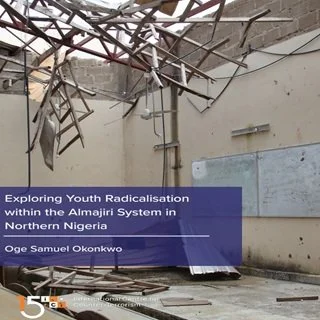
Exploring Youth Radicalisation within the Almajiri System in Northern Nigeria

By Oge Samuel Okonkwo

Boko Haram’s emergence in Northern Nigeria is closely tied to systemic vulnerabilities within the Almajiri system, a traditional Islamic educational framework mainly for boys. Founded by Mohammed Yusuf, an Almajiri graduate himself, the terror group exploited socio-cultural fractures, leveraging identity-based grievances, economic deprivation, and governance failures to recruit marginalised Almajirai. While the Almajiri system itself does not inherently radicalise individuals, it produces a large, unemployed youth demographic with a strong collective identity, creating fertile ground for extremist exploitation.Addressing systemic marginalisation and poverty within Nigeria's Almajiri educational system is crucial for preventing youth radicalisation, requiring integrated reforms across education, governance, and community engagement spheres.

The Hague: The International Centre for Counter-Terrorism (ICCT)  2025. 18p.

The Need for Greater Transparency in the Moderation of Borderline Terrorist and Violent Extremist Content

By Ellie Rogers

Content moderation is becoming an increasingly prominent feature of legislation to increase the safety of online spaces. One aspect of this debate is moderating borderline content in the context of terrorism and violent extremism (borderline TVEC). For content moderation approaches to be proportionate in respecting users’ rights whilst improving the safety of online spaces, transparency is crucial. This importance is recognised within recent legislation such as the Digital Services Act and the Online Safety Act. However, legislation does not provide direct requirements for transparency surrounding the moderation of borderline TVEC. As a result, there are concerns that transparency reporting will continue to focus on removals of content that is illegal or violative in nature. This article argues that there needs to be more transparency surrounding the moderation of borderline TVEC. Through a review of the literature, this article discusses the importance of increased transparency surrounding the moderation of borderline TVEC, and demonstrates the ways in which current legislation, tech company policies and content moderation processes are not conforming to transparent practices in the context of borderline TVEC moderation.

Internet Policy Review, 14(3)., 2025.

Gore and Violent Extremism: An Explorative Analysis of the Use of Gore Websites for Hosting and Sharing Extremist and Terrorist Content

By Human Digital, Ali Fisher and Arthur Bradley

Gore-related websites enable the hosting and sharing of illegal videos, including those produced by proscribed terrorist entities. The websites are numerous, free to access, provide no user or child safety features, and have seen a growth in visitor numbers in recent years due to ongoing conflicts. Most gore-related websites offer download and social media share functionality, allowing for graphic content, including thousands showing terrorist violence, to be shared across social media. Gore-related websites and the content they host have been largely avoided within academic study and practitioner responses, particularly in relation to counterterrorism and online harms such as violence fixation. This report provides a starting point for understanding the utility the websites provide to terrorist and violent extremist actors and the harms the content hosted on the websites present to children. The report is particularly pertinent in the UK context due to the recently passed Online Safety Act and growing public concern about the availability of graphic violent content in light of the Southport attacker’s reported online behaviours.

Dublin: VOX-Pol Network of Excellence, 2025  69p.

Prevent, Detect, and React: A Framework for Countering Violent Extremism on Gaming Surfaces

By Galen Lamphere-Englund

GIFCT hosts Working Groups annually to bring together international experts across sectors to work together in helping tech companies counter terrorist and violent extremist exploitation online. GIFCT's GCoP Working Group ran from May 2024 through January 2025, with the aim of providing a space to share insights and feedback on how gameplay spaces could evolve safety work, review safety policies, tools, and practices, and anticipate evolving safety risks. The following document, Interventions for Countering Violent Extremism on Gaming Surfaces, is a series of explanations that detail various intervention strategies, structured across three stages of Prevent, Detect, and React. Each stage outlines specific interventions that gaming platforms can implement, organized by clearly described objectives (“How”) and supported by real-world examples with links to resources (“Case Studies”). Many thanks to the 2024 GIFCT GCoP members for sharing their expertise, particularly to Linda Schlegel (Peace Research Institute Frankfurt; PRIF) and Rachel Kowert, Ph.D. (Discord) for their helpful suggestions. How to Use This Resource Each section below presents a strategic goal (Prevent, Detect, or React), specific objectives that support that goal (such as “Design Games and Gaming Experiences With User Safety in Mind”), and practical case studies with linked resources. The examples given should be seen as illustrative, not exhaustive. GIFCT’s academic research arm, the Global Network on Extremism and Technology (GNET), regularly shares the latest research related to gaming and gaming-adjacent platforms, which can be found here. Additionally, the Extremism and Gaming Research Network (EGRN), where GIFCT is a founding member, distributes resources here. GIFCT offers tailored guidance and support to any online gameplay company seeking to prevent TVE from exploiting their platform.   

(Washington, D.C.: Global Internet Forum to Counter Terrorism, Year 4 Working Groups. 2025. 28p.

Conceptualising and Addressing the Migration-Terrorism Nexus: Literature Review, Case Studies, and Policy Recommendations

By Thomas Renard and Méryl Demuynck 

The nexus between migration and terrorism is a contentious subject. Attacks conducted by immigrants or by terrorists infiltrated within migration flows have raised legitimate concerns among the population and policy-makers. Yet, reductive narratives and political ideology have resulted in a simplistic and biased perception of this phenomenon. As a result, public immigration and counter-terrorism policies are poorly informed. This research, conducted by the International Centre for Counter-Terrorism (ICCT), seeks to offer a robust, evidence-based analysis of the migration-terrorism nexus. Through an interdisciplinary approach that integrates an extensive literature review, the analysis of an original dataset, semi-structured interviews, and detailed case studies, the report interrogates the multifaceted dynamics of this relationship. It aims to uncover the nuanced ways in which migration and terrorism intersect, providing a critical counterpoint to simplistic and politicised interpretations.

The Hague: The International Centre for Counter-Terrorism (ICCT) , 2025. 110p.

Addressing Online Self-Radicalisation in Singapore

By Sabariah Hussin

SYNOPSIS
The evolving nature of online self-radicalisation in Singapore raises pressing concerns that go beyond traditional counterterrorism frameworks. While Singapore’s preventive strategies are largely effective, emerging digital dynamics and psychosocial vulnerabilities call for more spiritually grounded, trauma-informed, and community-empowered approaches.

COMMENTARY
The issue of youth radicalisation is gaining attention in Singapore. During a speech by Acting Minister for Muslim Affairs, Faishal Ibrahim, at the Religious Rehabilitation Group (RRG) retreat on 24 June 2025, he noted that the availability of extremist content and the emergence of ideologically themed online communities have contributed to a gradual increase in radicalisation among young people. Given that many of these individuals are still developing their identities and critical thinking skills, they may be more susceptible to these influences.
It is concerning that a 17-year-old supporter of far-right ideology was reportedly planning a mass shooting of worshippers attending Friday prayers, while a 15-year-old girl expressed a desire to marry an ISIS fighter and engage in combat overseas. Both cases illustrate the phenomenon of self-radicalisation occurring entirely through online platforms.
These developments highlight a significant and rapid evolution in the patterns and scope of radicalisation, necessitating a thorough reassessment of Singapore’s CVE (countering violent extremism) strategies.

S. Rajaratnam School of International Studies, NTU Singapore, 2025. 6p.

  Culture of Violence Terrorism Reaches Its Peak in Burkina Faso

By Riza Kumar 

Culture of Violence: Terrorism Reaches Its Peak in Burkina Faso paints a harrowing picture of a nation consumed by escalating extremist attacks, militarized ethnic tensions, and a state strategy that empowers untrained civilian militias with deadly consequences.

Key points include:

  • Burkina Faso ranks #1 in global terrorism deaths, with over 3,000 civilians killed in 2024 alone.

  • State-sponsored militias—the Volunteers for the Defense of the Homeland (VDP)—now outnumber the national army, but their lack of training and ethnic bias has fueled further violence.

  • Over 80% of Burkinabe territory is under the control of terrorist groups, with projections estimating nearly 4 million people could be internally displaced by year-end.

  • Human rights abuses are rampant: civilian massacres, ethnic targeting—particularly of the Fulani—and extrajudicial killings are now common features of the government’s counterterrorism effort.

  • Public trust in the state is collapsing, while extremist groups like al-Qaeda affiliate Jama’at Nusrat al-Islam wal Muslimeen (JNIM) are increasingly seen as more reliable providers of security.

The report warns that the Burkinabe government's hardline, militarized approach—relying on loosely controlled militias and sidelining local peace negotiations—has entrenched a self-perpetuating “culture of violence.” This normalization of brutality not only undermines stability in Burkina Faso but risks setting a dangerous precedent for the broader Sahel region.

Riza Kumar, Senior Research Analyst, CEP and author of the report, said:

Without law, accountability, or a credible strategy, Burkina Faso’s counterterrorism model is spiraling into a humanitarian catastrophe. Security solutions that disregard human rights and social cohesion are destined to fail—and are only empowering the extremists they aim to defeat.

CEP calls for an urgent reevaluation of counterterrorism strategy in Burkina Faso, emphasizing demilitarization of rogue militia forces, restoration of local mediation mechanisms, and the increased recognition and integration of marginalized communities across all security sectors.  

New York; Berlin; London: Counter Extremism Project, 2025. 24p.

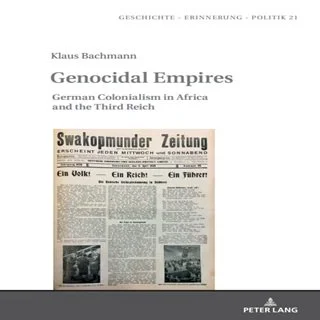
Genocidal Empires: German Colonialism in Africa and the Third Reich

German Colonialism in Africa and the Third Reich

By Bachmann, Klaus

Between 1904 and 1907, German soldiers, settlers and mercenaries committed mass murder in Africa. Can this be considered the first genocide of the 20th century? Was it a forecast of the Third Reich’s extermination policy in Central and Eastern Europe? This book provides the answer. Based on extensive archival and library research in Tanzania, Namibia, South Africa, Germany and Poland as well as on the most recent and up-to-date jurisprudence of international criminal tribunals, the renowned historian and political scientist Klaus Bachmann paints a new and surprising picture of the events and their legal significance, which many will find disturbing and provocative. It abolishes many well-established interpretations about German colonialism and its alleged links with the Third Reich and provides a new and intriguing contribution to the current post-colonial debate.

Bern: Peter Lang International Academic Publishers, 2018. 384p.

Justice in War-Time

By Bertrand Russell . Introduction by Colin Heston.

This collection of essays is not merely a pacifist manifesto; it is a profound philosophical inquiry into the nature of justice, the psychology of conflict, and the responsibilities of individuals—especially thinkers and educators—in times of national crisis. Russell, a mathematician and philosopher by training, brings to bear his analytical precision and moral clarity in dissecting the arguments used to legitimize war. His opposition to World War I was not rooted in naïve idealism but in a deep conviction that war, particularly modern industrial war, represents a failure of reason and humanity.

The book opens with an appeal to the intellectuals of Europe, urging them to resist the tide of militarism and to uphold the values of truth and justice even when doing so is unpopular or dangerous. Russell believed that intellectuals had a duty to question the narratives presented by their governments and to advocate for peace, not as a passive withdrawal but as an active moral stance. This appeal is followed by essays such as “The Ethics of War,” “War and Non-Resistance,” and “Why Nations Love War,” each of which explores different dimensions of the war impulse—from philosophical arguments to psychological and sociological observations.

One of the most striking aspects of Justice in War-time is Russell’s willingness to confront uncomfortable truths. He examines the role of imperialism, economic interests, and historical rivalries in fueling conflict, and he critiques the Entente policy and the diplomatic maneuvers that led to war. His essay “The Danger to Civilization” warns of the long-term consequences of war on democratic institutions, civil liberties, and the moral fabric of society.

In the broader context of Russell’s life and work, Justice in War-time marks a pivotal moment. It reflects his transition from a primarily academic philosopher to a public intellectual deeply engaged with the political and ethical issues of his time. The book also foreshadows themes that would recur in his later writings on peace, nuclear disarmament, and civil liberties.

Today, Justice in War-time remains a powerful reminder of the importance of moral courage and intellectual integrity. In an age where war continues to be justified through appeals to patriotism, security, and national interest, Russell’s essays challenge us to ask deeper questions: What is justice? Who benefits from war? And what is the role of the individual in resisting injustice?

Read-Me.Org Inc. New York-Philadelphia-Australia. 2025. 191p.

EXTREME WEATHER: How a storm of false and misleading claims about extreme weather events spread unchecked on social media putting lives at risk

Social media companies are profiting from lies about extreme weather events.

  • On X, 88% of misleading extreme weather posts were from verified accounts. The platform enables paid subscriptions for five of these accounts – which combined have 14 million followers 

  • On YouTube, 73% of posts were from verified accounts. YouTube displayed ads next to 29% of misleading extreme weather videos. 

  • On Facebook and Instagram, 64% of posts were from verified accounts. Meta is sharing ad revenue with three content creators pushing misleading claims, enabling them to share in Meta’s revenue from ads near their posts. 

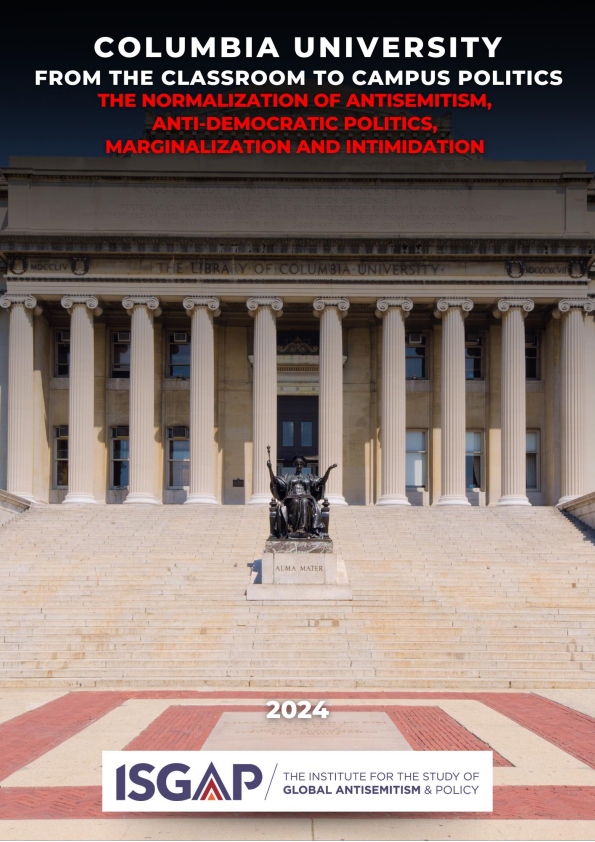
Columbia University: From the Classroom to the Campus – The Normalization of Antisemitism, Anti-Democratic Politics, Marginalization and Intimidation“

By The Institute for the Study of Global Antisemitism and Policy (ISCAP)

Columbia University is the oldest institution of higher education in New York, and the fifth oldest in the United States. Today, it is one of the world’s leading research institutions.5 Joint degree programs are available through Union Theological Seminary, the Jewish Theological Seminary of America and the Juilliard School, whilst Teachers College and Barnard College are official faculties of the university. Columbia University has additionally been at the forefront of an explosion of antisemitism on North American campuses since Hamas’s October 7 terrorist attack on Israel in which some 1,200 people were murdered and over 240 people were taken hostage. Students and faculty at Columbia University have openly praised the terrorist attack by Hamas and have contributed to an environment at Columbia University in which Jewish students and staff do not feel safe. Two lawsuits have been filed against Columbia University and a Congressional hearing has been held concerning its failure to protect its Jewish constituents amid rising campus antisemitism. Despite receiving large amounts of funding from Qatar over the years, Columbia University has not reported any of this funding to the Department of Education (DOE). Moreover, there have been no references to connections between Columbia University and Qatar or Qatari entities in its financial statements. The relationship between Qatar and Columbia University is characterized by varying degrees of collaboration that have endured over an extended period of time. They include:6 a. Collaboration with Qatar Foundation International There are two joint projects between Columbia University and Qatar Foundation International (QFI). Estimated Qatari funding: $500,000. b. National Priorities Research Program (NPRP) Grants Within the Qatar National Research Fund (QNRF), there are six NPRP projects that involve collaboration with Columbia University. ISGAP estimates the Qatari contribution to Columbia University to be approximately $250,000 for each project. Estimated Qatari estimated funding: $1,500,000. c. Qatar and Columbia University Energy Partnerships ISGAP has found seven research projects involving collaboration between the Gas Processing Center (GPC) at Qatar University and Columbia University’s Department of Chemistry. Estimated Qatari funding: $1,750,000. d. Qatar & Columbia University Education Partnerships In April 2014, the Qatar Foundation (QF) hosted a delegation from Columbia University in Education City, Qatar. 7 In addition, on September 20, 2019, the Qatar Foundation’s World Innovation Summit for Education (WISE) held an international conference, alongside UNESCO and Teachers College, Columbia University, that was attended by six Columbia staff. 8 It is difficult to estimate the Qatari funding budget to Columbia University faculty for these activities. e. Student Grants The Amiri Scholarship Program, which is fully funded by the State of Qatar, is designed to sponsor university students for full-time undergraduate and graduate studies abroad at leading international universities. ISGAP has uncovered that 14 Qataris have obtained degrees from Columbia University between 2006 and 2023. Collectively, these individuals have amassed a total of 38 years of study at the university. Estimated Qatari funding: $3,420,000. As noted above, none of this foreign funding has been reported to the DOE, in violation of existing regulations. This report starts by examining the explosion of antisemitism on Columbia University’s campus since October 7, 2023. This is followed by an exploration of the role of Columbia’s chapter of Students for Justice in Palestine (SJP) in fostering a hostile environment at the university. Next, a brief investigation of the Middle East Institute at Columbia is presented, followed by an analysis of the financial relationship between Qatar and Columbia University. The report concludes with a number of policy recommendations.

Miami Beach, FL: New York: The Institute for the Study of Global Antisemitism and Policy (ISGAP), 2024. 37p. 

How Fatwas Might Have Fueled Violent Extremism in Indonesia

By Prakoso Permono

Recent international conflicts have sparked religious sentiments, prompting varied Muslim responses, including the issuance of fatwas with possible risks of them being misused to fuel radicalization and terrorism. Coordinated efforts between Muslim organizations and the government are crucial to provide legal and secure avenues for religious expression, thereby mitigating risks and promoting peaceful coexistence.

S. Rajaratnam School of International Studies, NTU Singapore, RSIS, 2025. 6p.

Cartel-Related Violence in Mexico as Narco-Terrorism or Criminal Insurgency: A Literature Review

By David Teiner

The inability of the Mexican state to effectively fight against organized crime and to counter the territorial control of entire regions by criminal cartels has led many studies on organized crime in Mexico to new approaches, with many describing the acts of publicly displayed violence by Mexican cartels as Narco-Terrorism. Concerning the enhanced military capacity of many cartels and their territorial control, some scholars have also claimed that Mexico is experiencing a Criminal Insurgency, while others have criticized this classification for its impreciseness and for the consequences that come with it. Much of this debate continues to focus on the extent to which Mexican cartels are profit-driven and nonpolitical, or whether they have become politicized over time. Some studies avoid this controversy by seeing (Narco-)Terrorism as a tactic used by cartels to intimidate politicians and civil society, to demonstrate strength, and to claim territorial control

Perspectives on Terrorism , August 2020, Vol. 14, No. 4 (August 2020), pp. 83-98  

Firearm Access and Gun Violence Exposure Among American Indian or Alaska Native and Black Adults

By Michael D Anestis , Jayna Moceri-Brooks , Devon Ziminski , R Thurman Barnes , Daniel Semenza

Importance: American Indian or Alaska Native and Black adults experience elevated rates of firearm injury and death, but both groups are severely underrepresented in research on firearm exposure and behaviors.

Objective: To explore geodemographic differences in firearm behaviors and violence exposure among American Indian or Alaska Native and Black adults in the US.

Design, setting, and participants: In this survey study, nationally representative samples of American Indian or Alaska Native and/or Black adults recruited from KnowledgePanel were surveyed cross-sectionally. Surveys were administered online between April 12 and May 4, 2023.

Main outcomes and measures: Firearm access, storage, and carrying behaviors and lifetime firearm violence exposure were the primary outcomes. Demographic factors such as age, geographic location, and political affiliation were considered. Data were weighted to geodemographic distributions from the US Census Bureau's 2022 Current Population Survey.

Results: Of 3542 participants, 527 (14.9%) were American Indian or Alaska Native (280 [53.1%] female) and 3015 (85.1%) were Black (1646 [54.6%] female). Both groups exhibited high firearm access rates (American Indian or Alaska Native adults: 238 [45.4%; 95% CI, 39.4%-51.7%]; Black adults: 909 [30.4%; 95% CI, 28.0%-32.9%]), predominantly owning handguns for home protection. The groups demonstrated similar firearm storage patterns, and a substantial proportion endorsed always or almost always carrying firearms outside the home (American Indian or Alaska Native adults: 18.9%; Black adults: 15.2%). Self-protection was a common reason for carrying a firearm (American Indian or Alaska Native adults: 104 [84.9%; 95% CI, 74.1%-91.7%]; Black adults: 350 [88.3%; 95% CI, 82.3%-92.4%]), and a minority of participants cited lack of faith in the police (American Indian or Alaska Native adults: 19 [15.2%; 95% CI, 8.2%-26.7%]; Black adults: 61 [15.4%; 95% CI, 10.3%-21.2%]), indicating potential shifts in public safety dynamics.

Conclusions and relevance: In this survey study of American Indian or Alaska Native and Black US adults, a substantial percentage of both groups reported living in homes with firearms, storing firearms loaded and unlocked, frequently carrying firearms outside the home, and having been exposed directly and indirectly to gun violence. These findings underscore the need for nuanced public health campaigns and policies and highlight challenges for law enforcement in contexts of racial disparities and changing legal frameworks.

JAMA Netw Open, 2024

“Moderate” vs “Extremist” Muslims? How a decontextualized distinction can trigger a contradictory assessment of security and radicalization in Malaysia

Published online by Cambridge University Press: 11 March 2024Athanasios Gkoutzioulis Athanasios Gkoutzioulis

This article demonstrates how the application of a broad and decontextualized distinction between “moderate” and “extremist” Muslims can undermine our assessment of an Islamic identity, security, and radicalization. It compares how this distinction has been used by the British colonial administrators (in Raffles, Crawfurd, Marsden, and Swettenham) in nineteenth-century Malaya and by Malaysia's Prime Ministers (Mahathir, Badawi, and Najib) in the late-twentieth and early-twenty-first centuries. This comparison demonstrates that both groups, despite their very different backgrounds (Western non-Muslim and Muslim non-Western), introduced a similar distinction between “moderate” and “extremist” driven more by socio-political objectives than by religious ones. Furthermore, the article stresses the importance of considering the socio-political and contextual dimensions of Islamic identity before attempting to explain the process of radicalization and its implications for security. Such an approach discourages reference to broad categories such as “moderate,” “extremist,” “Islamism,” or “Salafism,” and allows for discussion of their contextual and socio-political connotations.

International Journal of Asian Studies. 2024;21(2):304-325. doi:10.1017/S147959142400004

TerrorismRead-Me.Org