Open Access Publisher and Free Library
CRIME+CRIMINOLOGY.jpeg

CRIME

Violent-Non-Violent-Cyber-Global-Organized-Environmental-Policing-Crime Prevention-Victimization

Posts in Violence & Oppression
Femicides in 2023: Global Estimates of Intimate Partner/Family Member Femicides

By United Nations Office on Drugs and Crime (UNODC) and UN Women

The latest report on femicides reveals that 60 per cent of all female homicides are committed by an intimate partner or other family member.

New York/Vienna 25 November 2024 — On the International Day for the Elimination of Violence against Women, November 25, the report Femicides in 2023: Global Estimates of Intimate Partner/Family Member Femicides by UN Women and UNODC reveals that femicide—the most extreme form of violence against women and girls—remains pervasive in the world.

Globally, 85,000 women and girls were killed intentionally in 2023. 60 per cent of these homicides—51,000—were committed by an intimate partner or other family member. 140 women and girls die every day at the hands of their partner or a close relative, which means one woman or girl is killed every 10 minutes.

In 2023, Africa recorded the highest rates of intimate partner and family-related femicide, followed by the Americas and then by Oceania. In Europe and the Americas, most women killed in the domestic sphere (64 per cent and 58 per cent, respectively) were victims of intimate partners, while elsewhere, family members were the primary perpetrators.

“Violence against women and girls is not inevitable—it is preventable. We need robust legislation, improved data collection, greater government accountability, a zero-tolerance culture, and increased funding for women’s rights organizations and institutional bodies. As we approach the 30th anniversary of the Beijing Declaration and Platform for Action in 2025, it is time for world leaders to UNiTE and act with urgency, recommit, and channel the resources needed to end this crisis once and for all," highlighted UN Women Executive Director, Sima Bahous.

United Nations Office on Drugs and Crime; 2024

The Signaling Value of Government Action: The Effect of Istanbul Convention on Female Murders

By Gunes A. Aşık, Naci Mocan:

We analyze the expressive content of government action, focusing on Istanbul Convention, an international treaty aimed at protecting women against violence, signed and ratified by 39 countries. In 2021, ten years after signing the Convention, the Turkish government withdrew from it, on the grounds that it "was hijacked by a group of people attempting to normalize homosexuality, which is incompatible with Turkey's social and family values." Although this withdrawal did not alter existing laws or law enforcement practices, women's rights advocates viewed it as a signal of tolerance for violence against women. We use two separate datasets on female murders from independent sources. Analyses, including a difference-in-difference model with male homicide data, show that the withdrawal led to an additional 70 female murders per year, primarily committed by intimate partners. The effect is more pronounced in provinces where the long-governing religious-conservative coalition parties have stronger voter support and in provinces with lower education levels. We also show that Turkey's entry into the Convention in 2011 had the opposite impact, leading to a decrease in female murders. The signing of the Convention, which acted as a normative signal against violence, and the subsequent enactment of comprehensive legislation strengthening deterrence, had distinct effects. The signaling effect of the Entry was more significant in the same provinces that reacted more strongly to the Exit: those with lower education levels, stronger support for the governing party, and the Eastern region of the country. These findings indicate that government actions are interpreted as normative signals by society.

Bonn, Germany: IZA – Institute of Labor Economics, 2024. 56p

Understanding Adult Sexual Assault Matters: Insights from Research and Practice: An Educational Resource for the Justice Sector

By Nina Hudson, Rachel Moody, Heather McKay, Rae Kaspiew

The guide presents research-based insights that challenge common stereotypes, highlighting the diverse experiences of victims and survivors and offering practical examples and approaches for professionals to implement in their practice. It is intended for use by professionals within the Australian justice sector, specifically police, lawyers, and judicial officers.

This resource aims to support a more trauma-informed, victim-centred approach within the Australian justice system, ultimately fostering a greater understanding of the complexities of sexual assault. It was developed in response to calls for improvements in the justice system's handling of sexual assault cases and draws on research from over 100 Australian and international sources.

Australian Institute of Family Studies, 2024. 83p.

New Frontiers: The Use of Generative Artificial Intelligence to Facilitate Trafficking in Persons

Bennett, Phil; Cucos, Radu; Winch, Ryan

From the document: "The intersection of AI and transnational crime, particularly its application in human trafficking, represents an emerging and critically important area of study. This brief has been developed with a clear objective: to equip policymakers, law enforcement agencies, and the technology sector with the insights needed to anticipate and pre-emptively address the potential implications of AI on trafficking in persons. While we respond to the early instances of the use of AI by transnational criminal organisations, such as within Southeast Asia's cyber-scam centres, a more systemic approach is required. The potential for transnational criminal organisations to significantly expand their operations using AI technologies is considerable, and with it comes the risk of exponentially increasing harm to individuals and communities worldwide. It is imperative that we act now, before the most severe impacts of AI-enabled trafficking are realised. We have a unique time-limited opportunity--and indeed, a responsibility--to plan, train, and develop policies that can mitigate these emerging threats. This report aims to concretise this discussion by outlining specific scenarios where AI and trafficking could intersect, and to initiate a dialogue on how we can prepare and respond effectively. This document is not intended to be definitive, but rather to serve as a foundation for a broader, ongoing discussion. The ideas presented here are initial steps, and it will require innovative thinking, adequate resourcing, and sustained engagement from all sectors to build upon them effectively."

Organization For Security And Co-Operation In Europe. Office Of The Special Representative And Co-Ordinator For Combating Trafficking In Human Beings; Bali Process (Forum). Regional Support Office .NOV, 2024

Gangsters at War: Russia's Use of Organized Crime as an Instrument of Statecraft

By GALEOTTI, MARK

From the webpage description: "'Since 2012, Russia has strategically used criminal networks to evade sanctions, conduct intelligence, and destabilize the West. Under Putin's 'mobilization state,' illegal activities--from smuggling to cyberattacks--are seen as essential tools of warfare. This report delves into the Kremlin's alarming integration of organized crime into statecraft.' Russia's transition from a 'conscription state' to a full 'mobilization state', after the 2022 invasion of Ukraine, has intensified the involvement of criminal groups in operations tied to sanctions-busting, cyber warfare, and intelligence. Organized crime networks provide Russia with access to restricted goods, such as advanced electronics for its military, and facilitate money laundering and illegal financial flows. Notably, Russian intelligence services have relied on criminal syndicates to supplement their espionage activities, including sabotage, cyberattacks, and assassinations. The report also highlights Russia's weaponization of migration, using smuggling networks to create political instability across Europe. Meanwhile, Putin's regime has blurred the lines between state and criminal actors, using them as tools to evade international sanctions and expand Russian influence globally. 'Gangsters at War' reveals how Russian-based organized crime operates as a tool of Kremlin foreign policy, focusing not just on profits but on weakening geopolitical rivals. From sanctions evasion to destabilizing societies, criminal networks have become a key element in Russia's geopolitical arsenal. The report calls for increased vigilance, international cooperation, and stronger countermeasures to address this growing threat to global stability."

GLOBAL INITIATIVE AGAINST TRANSNATIONAL ORGANIZED CRIME. November. 2024. 82p.

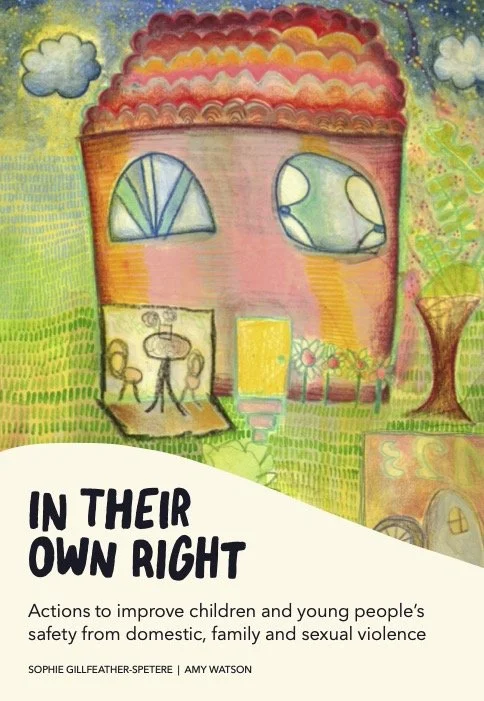
In their Own Right: Actions to Improve Children and Young People’s Safety from Domestic, Family and Sexual Violence

By Sophie Gillfeather-Spetere, Amy Watson

Designed for use by policymakers, practitioners and advocates, this guide synthesises findings from 20+ reports to outline key actions for consistent and effective policy responses supporting children and young people experiencing violence. It includes four principles that outline ways of working to underpin reform and eight priority areas for action.

The report finds that policies and service systems are failing to meet the needs of children and young people, particularly those with disability, Aboriginal and Torres Strait Islander children, those from culturally and linguistically diverse families and LGBTQ+. The guide calls for significant policy and practice reforms that centre children and young people’s voices, acknowledge the profound and diverse impact of violence on their lives and move away from a reactive system to one that prioritises primary prevention.

Australia's National Research Organisation for Women's Safety, 2024. 84p

How Criminal Is It to Rape a Partner According to the Justice System? Analysis of Sentences in Spain (2015–2022)

By J.M. Tamarit Sumalla, P. Romero Seseña, L. Arantegui Arràez, A. Aizpitarte

Sexual violence in an intimate relationship is a less studied phenomenon than other forms of intimate partner violence, despite data pointing to a high prevalence. Studies on how the cases are sentenced are scarce. Until recently, many laws did not allow marital rape to be punished as a crime of rape, and some studies showed a tendency for the courts to punish these cases less severely. The present study is based on an analysis of 964 rape cases of adult women in Spain. All the information was extracted from sentences of the Provincial Courts issued between 2015 and 2022. Results showed that significantly lower conviction rates and less severe penalties were imposed when the rape was committed by the intimate partner compared to other rape cases where the offenders were not partners (family members, acquaintances, or unknown strangers). The practical implications of these results in several areas are discussed.

European Journal on Criminal Policy and Research, Volume 30, pages 567–587, (2024)

Is Rio de Janeiro preparing for war? Combating organized crime versus non-international armed conflict

By Najla Nassif Palma

The idea that Rio de Janeiro has been plunged into an actual “war” against organized crime is widely discussed and is supported by an ever-increasing number of people in Brazil. Not surprisingly, such discourse has led to less protection for the civilian population, particularly in the so-called favelas, while allowing security forces to carry out operations with even greater relative impunity. This article argues that although urban violence in Rio de Janeiro is indeed a serious problem, it does not reach the threshold required to be considered a non-international armed conflict.

International Review of the Red Cross (2023), 105 (923), 795–827.

Contraband Cultures: Reframing smuggling across Latin America and the Caribbean

By Jennifer Cearns and Charles Beach

Contraband Cultures presents narratives, representations, practices and imaginaries of smuggling and extra-legal or informal circulation practices, across and between the Latin American region (including the Caribbean) and its diasporas. Countering a fetishizing and hegemonic imaginary (typically stemming from the Global North) of smuggling activity in Latin America as chaotic, lawless, violent and somehow ‘exotic’, this book reframes such activities through the lenses of kinship, political movements, economic exchange and resistance to capitalist state hegemony. The volume comprises a broad range of chapters from scholars across the social sciences and humanities, using various methodological techniques, theoretical traditions and analytic approaches to explore the efficacy and valence of ‘smuggling’ or ‘contraband’ as a lens onto modes of personhood, materiality, statehood and political (dis)connection across Latin America. This material is presented through a combination of historic documentation and contemporary ethnographic research across the region to highlight the genesis and development of these cultural practices whilst grounding them in the capitalist and colonial refashioning of the entire region from the sixteenth century to the present day.

London: UCL Press, 2024. 294p.

Social Pensions and Intimate Partner Violence against Older Women

By Cristina Bellés-Obrero, Giulia La Mattina, Han Ye

The prevalence and determinants of intimate partner violence (IPV) among older women are severely understudied. This paper documents that the incidence of IPV remains high at old ages and provides the first evidence of the impact of access to income on IPV for older women. We leverage a Mexican reform that lowered the eligibility age for a non-contributory pension and a difference-in-differences approach. Women's eligibility for the pension increases their probability of being subjected to economic, psychological, and physical IPV. The estimated effects are found only among women in the short-term and are more pronounced for women who experienced family violence in childhood and those from poorer households. In contrast, we show that IPV does not increase when men become eligible for the non-contributory pension. Looking at potential mechanisms, we find suggestive evidence that men use violence as a tool to control women's resources. Additionally, women reduce paid employment after becoming eligible for the pension, which may result in more time spent at home and greater exposure to violent partners.

WORKING PAPER No IDB-WP-1640, Washington, DC: Inter-American Development Bank, Gender and Diversity Division , 2024. 74p.

Impact of pornography on young people: Survey report summary

By Our Watch

This report summarises the findings of a survey exploring young Australians' attitudes to gender, sex, relationships and pornography. It finds that early exposure to pornography can have a significant negative impact and that young people are accessing pornographic material earlier than previously reported. The report highlights measures governments can take to reduce the harmful impacts of pornography on children and young people.

The report argues that young people will continue to access all kinds of material, both in pornography and in other forms of media, to understand sex and relationships and so argues for a harm reduction approach, ensuring that young people and communities are equipped and supported to critically engage with this material.

Findings

  • The average age at which the participants have first seen porn was 13.6 years.

  • For young women, the average age is 2 years younger than it was in 2018.

  • 31% of young people are watching porn as a form of sexual education.

  • 25% of 16 to 17 year olds see porn as realistic.

  • 73% of young people (65% of men and 80% of women) agree that porn is degrading to women.

  • Access to information and education about pornography has the potential to mediate the negative impacts of pornography on young people, their wellbeing and relationships.

Key recommendations

  • Integrate information on the topic of pornography in age-appropriate and sequential ways into respectful relationships education (RRE) across school sectors.

  • Work in partnership with experts and uses co-design processes with young people to develop information and practical resources specifically for young people on pornography.

  • Partner with research organisations to collect robust nationally representative data about young people’s pornography exposure and access, to inform ongoing work and responses.

Melbourne< Our Watch, 2024. 4p.

Routine online activities and vulnerability to dating app facilitated sexual violence

By Heather Wolbers and Christopher Dowling

This study examines factors associated with dating app facilitated sexual violence (DAFSV) among a large, nationally representative sample of dating app or website users (n=9,987). Through the lens of routine activity theory, we examined the way in which respondents used dating platforms and how this was associated with experiences of DAFSV. Prolific dating platform users and those who share more information, who chat with people on different platforms or who paid for an online dating service were more likely to report experiencing DAFSV. Risk factors for DAFSV extending from the online sphere into the physical world were also explored. Findings give much needed context for experiences of DAFSV and provide direction for responses aimed at protecting individuals from harm facilitated by online dating platforms

Trends & issues in crime and criminal justice no. 704. Canberra: Australian Institute of Criminology.2024. 19p.

Children, Violence, and Vulnerability 2024

By The Youth Endowment Fund

In this year’s survey, 20% of teenage children told us they’ve been a victim of violence in the past 12 months. Over half (61%) of these incidents led to physical injury, equating to 440,000 children in England and Wales. For some, these experiences are not one-off. Of all teenagers who were victims of violence, 65% had it happen multiple times within the year, with nearly a third (31%) — or 5% of all 13-17-year-olds — reporting it occurred more than five times. Children commit violence in reaction to others. 16% of children have been a perpetrator of violence. Many of the 16% of children who committed violence cited reactive motivations. For instance, 36% acted out of annoyance, humiliation or feeling threatened, while 29% retaliated for previous violence. Bullying is a significant factor for 25% of respondents, and 17% report engaging in violence for self-defence or due to rivalries related to gangs, neighbourhoods or schools. Half (49%) of all children who perpetrated violence in the past year have also been a victim themselves. Experiences of violence are concentrated among the most vulnerable. This year’s report sheds new light on children at risk of exploitation, revealing even more concerning links between vulnerability and violence. Children who went missing from home were five times more likely to engage in violence, while those approached to transport or store drugs and weapons were six times more likely. Gang involvement and carrying weapons further escalated these risks, with children in gangs or those carrying weapons being seven times more likely to commit acts of violence than their peers. Children struggling in education are also particularly vulnerable. Those who are persistently absent, suspended, excluded or attending alternative education settings are far more likely to be victims of and to engage in violent behaviour than their peers. A relatively small number are driven to carry weapons. 5% of children aged 13-17 say they have carried a weapon in the past year. Although the possession, sale and supply of zombie-style knives and machetes are now illegal in the UK, only a small proportion of those who’ve carried weapons (17%) admit to carrying such knives before the ban. Kitchen and other types of knives are much more likely to be carried. Other items carried include screwdrivers or stabbing implements (25%) and sticks, clubs or hitting implements (24%). Younger teenagers aged 13-15 are more likely to carry weapons compared to those aged 16-17. Nearly half (47%) of those who carry a weapon do so for self-protection. Others cited being asked by someone else (37%), scaring others (31%) or following the behaviour of their peers (18%).

London: Youth Endowment Fund, 2024. 

BEYOND BLOOD: Gold, conflict and criminality in West Africa

By Marcena Hunter

While gold is often referred to as a blood mineral due to its role in conflict financing, the relationship between the gold sector, instability and violence is far more nuanced, with complex regional dynamics. In the gold production hub of West Africa, where artisanal and small-scale gold mining (ASGM) is pervasive, an increasing tide of insecurity and violence in recent years adds to the complexity of the sector. Woven into the region’s convoluted web of actors, activity and supply chains are criminal networks that link local mines to international trade hubs, exploiting the gold sector for financial gain and power. The analysis in this report demonstrates that the reality of the relationships between gold, conflict and criminality challenges the simplistic narrative of ‘blood minerals’ used to finance conflict, offering a far more nuanced understanding of the significance of the gold sector in West Africa. Rather, gold is closely intertwined with survival, money, power and criminality. Criminality, fragility and violence While literature on the relationship between gold and instability has often focused on conflict financing, the interplay between gold, governance and criminality can contribute to instability and violence before any form of conflict financing takes place. Criminal exploitation of the gold sector is fostered by persistent and widespread informality, due in part to the significant barriers to entry in the formal sector, and the lack of support for informal miners and gold traders. As a result, corrupt and criminal elites in the political and business spheres can capture illicit gold flows, further contributing to community frustrations that can give rise to conflict. Limiting access to the gold sector by restricting access to mine deposits or conducting crackdowns on unlicensed ASGM can also undermine the legitimacy of state actors. Thus, efforts to stabilize West Africa must account for complex criminal interests while also addressing the long-standing grievances and expectations of local communities.1 Such efforts are critical in both conflict-laden areas and stable areas to reduce the risk of conflict spreading. Where the gold sector contributes to conflict financing in West Africa, it can vary significantly in form and value. In locations where conflict and gold mining overlap, armed groups may target the gold sector by taxing mining and trade activities, demanding payment from miners for providing security, or establishing checkpoints along roads to mine sites and trade hubs for payment collection. Members of armed groups may also directly engage in gold mining, either for personal financial gain or to benefit the group. Yet in many regions, gold is not the primary source of revenue for armed groups; other industries like the livestock sector are also targets. Sitting in the space between increased fragility and conflict are local self-defence and identity militia groups, which can act in cooperation or in competition with the state.2 In West Africa, these groups fall on a spectrum ranging from hybrid security institutions to mafia-style protection rackets run by ‘violent entrepreneurs’. There is a heavy overlap between these groups and the gold sector, with many instances of groups providing security at gold mine sites and along transportation routes. Yet, the origins of the different groups, their roles in local communities and the gold sector, and their role in conflict dynamics vary greatly.

Geneva, SWIT: Global Initiative Against Transnational Organized Crime. 2022. 61p.

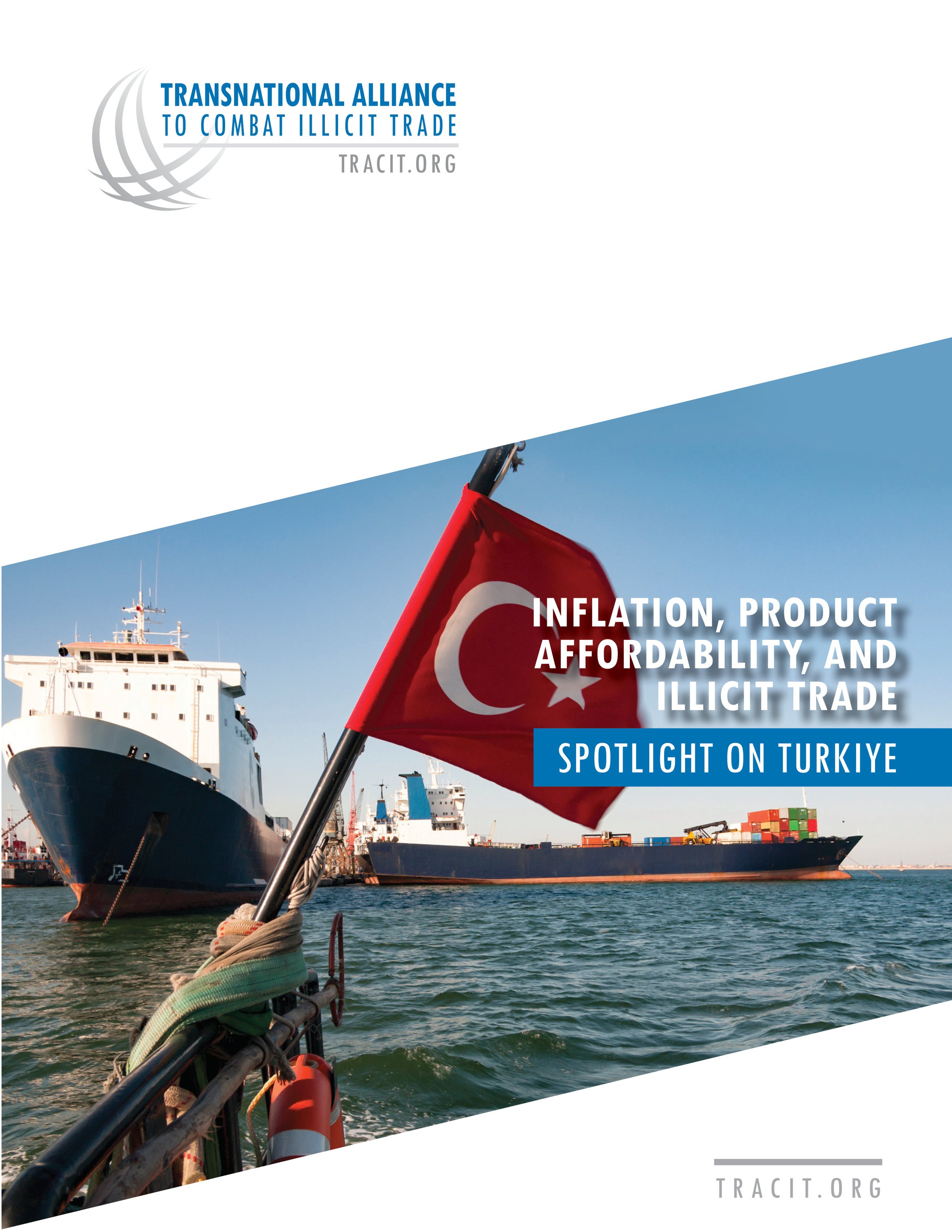
Inflation, Product Affordability, and Illicit Trade: Spotlight on Turkiye

By The Transnational Alliance to Combat Illicit Trade (TRACIT)

With inflation at its highest levels since 2008, the international economy finds itself amid a cost of-living crisis. In many countries, inflation has reached multi-decade highs, with both headline and core inflation continuing to rise and broaden beyond food and energy prices. Inflation has also been intensified by post-COVID economics and the Russian invasion of Ukraine – both of which have driven global commodity prices higher. Among the cascading effects of inflation on the global economy is the negative impact it has on the market dynamics that drive illicit trade. Specifically, high levels of inflation can have a disastrous impact on consumer purchasing power. In turn, reduced purchasing power coupled with increased poverty reduces consumer “product affordability,” which is widely regarded as the primary driver for illicit trade. When prices rise faster than incomes, people can afford to buy fewer goods and services and cheaper goods including illicit and black-market products become more tempting. Given these dynamics, where inflation incentivizes consumers to choose cheaper, illicit alternatives, governments will necessarily need to be more vigilant in their efforts to defend their economies from illicit trade. In this light, Turkiye presents a valuable opportunity to raise awareness on the relationship between inflation and growth in illicit trade. proTurkiye is experiencing high inflation rates. In October 2022, inflation climbed to a 25-year high of 85.5 %. Consequently, the impacts of soaring inflation leading to price increases have created a notable erosion of consumer purchasing power in Turkiye. Turkiye already faces challenges from illicit trade on multiple fronts. For example, it is an important source country for illicit plant protection products, counterfeit goods are widespread, and the country grapples with the harmful effects of illicit tobacco, alcohol and petroleum products. Moreover, the government’s goal of making Turkiye a top pharma hub by 2023 is threatened by a lucrative market for illegal pharmaceuticals. This situation is exacerbated by Turkiye’s location in the region, which makes it a key transit hub for both complete counterfeit products and counterfeit components. In principle and practice, the challenge of product “affordability” is a long-standing driver for illicit trade. Keeping that in mind, inflation amplifies a problem that usually already exists. In Turkiye’s case, inflation can be expected to intensify the problem and, consequently, requires its government to likewise intensify efforts to mitigate illicit trade. This report explores the situation of illicit trade in Turkiye, addresses its susceptibility to inflation, outlines the issues that must be addressed, and presents a set of policy recommendations that could help the government and other stakeholders fortify their efforts to control illicit trade.

The Transnational Alliance to Combat Illicit Trade (TRACIT) , 2022. 24p.

Transnational Crime and Geopolitical Contestation along the Mekong

By The International Crisis Group

Myanmar’s Shan State and Laos’s Bokeo province, which straddle the Mekong River, have emerged as a contiguous zone of vibrant criminality, much of which is beyond the reach of national authorities. Unregulated casinos, money laundering, drug production and trafficking, online scamming operations, and illegal wildlife trade all thrive, entrenching corruption, weakening governance and damaging the bonds that create community. The criminal networks involved have regional – in some cases, global – reach and can rapidly shift from one jurisdiction to another to minimise risks to their operations. A coordinated regional approach is thus vital for tackling them. But geopolitical competition between China and the U.S. complicates coordination. Regional states continue to rely heavily on unilateral criminal justice responses, but collaborative law enforcement is needed, as are multi-state efforts to ameliorate the governance and socio-economic problems that allow these criminal syndicates to prosper. Ideally, these efforts would involve agencies with migration, development and other relevant expertise. Parts of the Mekong, particularly the 100km section that forms the Myanmar-Lao border, have long been a frontier of unregulated and illicit trade, far from centres of power and commerce. Given its importance as a conduit between China and South East Asia, in recent decades governments have aspired for the Mekong to become a major transport route. But along with physical obstacles – sandbanks, shoals and rapids – insecurity has impeded riverborne trade, most commonly in the form of piracy and extortion of boats plying the route. The situation came to a head in October 2011, when thirteen Chinese merchant mariners were murdered – the deadliest attack on Chinese nationals abroad since World War II. China pinned the blame on Myanmar pirates, whose leader it captured in Laos and executed following a complex extra-territorial police operation. (It later emerged that others may have been primarily responsible.) Beijing then initiated joint gunboat patrols with neighbouring countries, allowing it to project force down the Mekong. While these actions put an end to piracy on this key stretch of river, they did not deter other forms of crime. Since 2o11, the territories on the Myanmar and Lao sides of the Mekong have emerged as hotbeds of illegal activity, from drug production and trafficking to online gambling, money laundering and cyber-scam operations that often use captive workers from around the world. Not only do transnational criminal organisations operating in this zone benefit from lax or non-existent regulations, but they also take advantage of its multi-jurisdictional character, quickly shifting operations from one place to another to evade crackdowns. Coordinated law enforcement across the region is crucial if governments want any chance of tackling these expanding criminal activities, but other capabilities must also be brought to bear. Authorities in the region need to acknowledge that any solution to this transnational problem will involve government agencies from several jurisdictions – as opposed to the typical security or police approach that treats immediate symptoms, but not the fundamental causes of the problem, including weak governance and rampant corruption, not to mention a willingness or desire of some jurisdictions to court illicit investments.

Bangkok/Brussels, International Crisis Group, 2023. 40p. Asia Report N°332 | 18 August 2023

Scale of Harm: Research Method, Findings, and Recommendations: Estimating the Prevalence of Trafficking to Produce Child Sexual Exploitation Material in the Philippines

By The International Justice Mission and University of Nottingham Rights Lab.

In 2021 International Justice Mission (IJM), together with the University of Nottingham Rights Lab, a world-leading human trafficking research institution, launched the Scale of Harm project to develop and implement a mixed-methodology providing prevalence estimates of trafficking of children to produce CSEM, including via livestreaming, in the Philippines. This is the full report of the methodology, findings, and recommendation from the very first national survey and study. You can the Summary Report below.

International Justice Mission, 2023. 78p.

A Study on Online Sexual Exploitation of Children for Aftercare Reintegration

By Vivian Dedase-Escoton, Suisan Walker, Dawn Schurter, Eliezer Moreno, Nathaniel Diaz, and Shiella Silva

Online sexual exploitation of children is a rampantly growing global crime, particularly in the Philippines which is known as the “global hotspot” of OSEC cases (IJM, 2020, p. 60) and ranked amongst the top ten producers of child sexual exploitation material (CSEM) (UNICEF, 2017a). Online sexual exploitation of children refers to a broad category of online sex offending that includes, but is not limited to, possession or distribution of previously produced CSEM, enticing children to “self-produce” new CSEM, and grooming children for later contact abuse. The unique nature and demographics of victims and perpetrators of this form of abuse which include the very young age of children victimized, the overwhelming number of families directly involved in the crime, the acceptance and tolerance of this form of exploitation in communities involved, as well as the high-risk for potential re-victimization of victims, present challenges in aftercare support, particularly in reintegration of survivors. In addressing the issues of online child sexual abuse, the preventive, protective, and supportive interventions for children should be extended to families and communities who are the key players in perpetrating this crime (ASEAN, 2016; UNICEF East Asian Pacific Regional Office [EAPRO], 2016; United Nations Office of Drugs and Crime [UNODC], 2015). This holistic approach is fundamental to ensuring survivor’s restoration, sustained recovery, and successful reintegration. This study examined the environmental context – individual, family, community, and societal level – of the survivors to: (1) provide a comprehensive understanding of the risk factors that facilitate online sexual exploitation of children in individuals (victims), families, and communities impacted by this form of abuse, and determine gaps in the system that affect the effective delivery of interventions and support services for survivors; (2) determine the factors that contribute to successful reintegration of survivors including the interventions and support services that need to be provided at each level of system. And lastly, (3) identify alternative care options for survivors who cannot be reintegrated to their family and community. Employing a qualitative approach, key informant questionnaires were distributed to 55 respondents composed of 19 non-offending family members and 18 neighbors of selected Aftercare Participants including 18 service providers that have knowledge of and involvement with survivors of online sexual exploitation. Further, five focus group discussions among government and non-government service providers with a total of 40 participants from NCR, Region IV-A, Region III, and Region VII were conducted. These areas represent the regions with the highest number of IJM online sexual exploitation of children clients in 2018. Findings determined the following key risk factors that facilitate online sexual exploitation of children in individuals (victims), families, and communities involved in this form of abuse

International Justice Mission - IJM, 2020. 77p.

Independent review of the Australian Criminal Intelligence Commission and associated Commonwealth law enforcement arrangements

By Stephen Merchant, Greg Wilson

In 2023 the Government commissioned a ‘first principles’ independent review of the Australian Criminal Intelligence Commission (ACIC) and associated Commonwealth law enforcement arrangements.

The review assessed the effectiveness of the ACIC’s legislative framework and found that comprehensive reform was needed to ensure ACIC could operate effectively as Australia’s national criminal intelligence agency. The review recommended ACIC shift away from its existing law enforcement and investigative functions towards providing unique intelligence on serious and organised crime to Commonwealth, state and territory law enforcement agencies.

The independent review’s recommendations set out a blueprint to transform the ACIC in response to the significant and ongoing threat of serious and organised crime. The Government has agreed or agreed in-principle with 27 of the 29 recommendations - as set out in the government response.

Key recommendations

  • Undertake robust legislative reforms to address significant deficiencies in the existing legislative frameworks and ensure the ACIC has appropriate powers for the collection of intelligence.

  • Incorporate appropriate oversight and safeguards for the ACIC, including in relation to its use of coercive powers.

  • Reinvigorate national governance and coordination arrangements for responding to serious and organised crime.

  • Reinforce the independence of the Australian Institute of Criminology.

BARTON, ACT : Attorney-General's Department (Australia), 2024. 68p.

Violence against children in the European Union - Current situation

By Martina Prpic with Melissa Eichhorn

Children are human beings with rights and dignity. Children's rights are human rights. Owing to their fragility and vulnerability, children also require specific protection, however, which involves providing them with an environment where they are safe from any situation that could potentially expose them to abuse. Violence against children, as defined in Article 19 of the United Nations Convention on the Rights of the Child, can take many forms (physical, sexual or emotional abuse or neglect) and can take place in different settings, such as at home, at school, in institutions, online, etc. Most child abusers are familiar to their victims. The short- and long-term consequences of abuse in terms of human, economic and social costs can be severe and extremely harmful. The extent of violence against children in the EU is difficult to assess, but current estimates give cause for great concern. The nature of the problem depends on various factors, including the personality profiles of victims and perpetrators as well as their surroundings. Certain categories of children, such as those with disabilities, those living in special institutions or those who are unaccompanied migrants, are particularly vulnerable. However, violence is avoidable and preventable. Effective policies to address this problem require a multi-sectoral approach involving different stakeholders at various levels. At international level, the United Nations and the Council of Europe have taken a number of measures to safeguard the rights of children, and more specifically to protect them from violence. The Convention on the Rights of the Child is crucial in this effort. According to its Article 19, children are entitled to protection from all forms of violence, and Member States are required to take all appropriate measures to ensure this protection. In recent years, the EU has been stepping up its measures to protect children. With the entry into force of the Lisbon Treaty, child protection has been recognised as a specific EU goal. While Member States are primarily responsible for child protection systems, the EU also plays an important role, since it is required to promote initiatives to protect children's rights. Its actions directly influence the relevant laws and policies implemented by the Member States in this area. Various parties are involved in raising awareness about violence against children, the importance of effective EU support for national child protection initiatives and the mainstreaming of child protection. Through its numerous initiatives, such as the continuously renewed EU strategy on the rights of the child and the 2024 Commission recommendation on integrated child protection systems, the EU continues to emphasise its commitment to protecting children and supporting Member States' actions and the exchange of best practice.

Brussels: EPRS | European Parliamentary Research Service, 2024. 31p.