Open Access Free Library
Fiction+Mediajpg.jpg

FICTION and MEDIA

CRIME AND MEDIA — TWO PEAS IN A POD

Posts in Philosophy
Evan Harrington


By George Meredith (Author), Colin Heston (Introduction)

Evan Harrington, first published in 1861, represents a crucial early milestone in the literary career of George Meredith. While not as formally experimental or philosophically dense as his later masterpieces like The Egoist or Beauchamp’s Career, this novel nonetheless displays in fully developed form the sharp social satire, psychological acuity, and probing concern with class, identity, and social performance that would become hallmarks of Meredith’s mature work. More overtly comedic than much of his later fiction, Evan Harrington occupies a unique place in his canon as both a sparkling social comedy and a pointed critique of the hypocrisies embedded within Victorian class structures.
At its most basic level, Evan Harrington is a novel about a young man’s struggle with the question of identity — specifically, the tension between his personal merit and the social stigma attached to his family’s occupation. Evan is the son of Melchisedec Harrington, an exceedingly proud and flamboyant tailor whose death leaves his family facing financial and social crisis. Although Evan has received a gentleman’s education and possesses the manners and intellect of the upper classes, he is forced to reckon with the fact that in the rigidly stratified world of mid-19th century England, the mere fact of being “the tailor’s son” is enough to exclude him from the ranks of polite society.
Evan Harrington remains a vital and compelling work not only because it provides insight into Meredith’s literary evolution but also because its central concerns continue to resonate. The tension between personal integrity and social expectation, the arbitrariness of class distinctions, and the enduring question of what it means to live authentically within a society structured by appearances — these remain pressing questions in any era.
In sum, Evan Harrington is both a sparkling social comedy and a profound moral fable. It combines the pleasures of sharp character portraits, witty dialogue, and romantic intrigue with a serious exploration of identity, class, and the painful comedy of human vanity. It is a work that delights the reader while also challenging them to reflect on the enduring absurdities of social life and the courage it takes to live truthfully in the face of them. As such, it stands as a worthy introduction to the genius of George Meredith and a foundational text within the broader tradition of the Victorian social novel.

Read-Me.Org Inc. New York-Philadelphia-Australia. 2025. 332p.

Diana Of The Crossways


By George Meredith (Author), Colin Heston (Introduction)

Diana of the Crossways, first published in 1885, represents a pivotal achievement in George Meredith’s literary career. It stands apart not merely as his most commercially successful novel during his lifetime but as a mature and sophisticated exploration of some of the most pressing social, psychological, and philosophical dilemmas of the Victorian age. This novel synthesizes his longstanding thematic concerns—gender relations, the constraints of marriage, the struggle for individual autonomy, and the social mechanisms of hypocrisy and surveillance—into a narrative that is at once accessible, profoundly ironic, and deeply analytical.
At its center is the figure of Diana Merion Warwick, a woman of exceptional beauty, intellect, and vivacity, whose struggle is emblematic of the tensions between the individual, particularly the intellectually aspiring woman, and a society structured to suppress her independence. Diana’s trajectory is not merely the story of a woman’s personal fate but a dramatization of the larger structural impediments to female agency in a patriarchal world that equates female virtue with silence, obedience, and domestic confinement.
The novel’s contemporary relevance is striking. Its exploration of gendered power dynamics, the politics of reputation, the policing of women’s voices, and the ethical failures of institutions built on inequality continues to resonate with modern readers. It anticipates many of the concerns that would later be taken up by feminist literary critics, particularly in its portrayal of how systemic power operates through language, marriage, and social surveillance.
Diana of the Crossways thus stands not merely as a compelling work of Victorian fiction but as a profound literary experiment in social critique, psychological realism, and moral philosophy. It is a novel that challenges the reader to think deeply about the structures of power that govern intimate relationships and public life, and about the costs of pursuing truth and autonomy in a world designed to punish those who do. Through its combination of narrative wit, philosophical depth, and emotional intensity, it remains one of George Meredith’s most enduring and significant achievements.

Read-Me.Org Inc. New York-Philadelphia-Australia. 2025. 275p.

Beauchamp's Career

By George Meredith. Designed and Edited with an Introduction by Colin Heston.

More than any other of his novels, Beauchamp’s Career embodies Meredith’s philosophical worldview: that the highest human calling is the continual pursuit of greater consciousness. For Meredith, the “Comic Spirit” serves as an ethical guide—illuminating human folly, deflating pretension, and inviting self-correction through laughter rather than dogma.

Yet Beauchamp, ironically, lacks the flexibility of the Comic Spirit. He is too earnest, too driven by absolute convictions, to fully participate in the comic self-awareness that Meredith idealizes. In this sense, Beauchamp is both a hero and a warning: a figure of immense moral courage whose tragedy lies in his refusal to accept that the world operates not by ideals but by compromises.

While Beauchamp’s Career was never Meredith’s most popular work during his lifetime, it has come to be recognized as one of his most ambitious and profound novels. Its examination of the dilemmas of idealism, political integrity, and personal sacrifice remains strikingly relevant in an era of political polarization and disillusionment.

The novel speaks to anyone who has struggled with the tension between moral conviction and the messy realities of human society. Its insights into the nature of political life—the seductions of populism, the compromises demanded by coalition, the frustrations of advocacy in an indifferent world—resonate just as powerfully now as they did in the 19th century. Beauchamp’s Career stands as one of George Meredith’s greatest achievements: a work that challenges as much as it enlightens, a moral and political fable wrapped in the ironic garb of the Victorian social novel. It demands much of its readers—patience, attentiveness, and a willingness to engage with ambiguity—but it rewards that effort with a deeply moving meditation on the costs and the dignity of living according to one’s principles.

In an age when the struggle between ideals and pragmatism remains as urgent as ever, Beauchamp’s Career offers both a mirror and a guide—one that reflects the frailty of human institutions, but also the enduring power of conscience.

Read-Me.Org Inc. New York-Philadelphia-Australia. 2025. 383p.

"SHAVINGS"

By Joseph C. Lincoln (Author), Colin Heston (Introduction)

In Shavings, published in 1918 at the peak of his literary success, Joseph C. Lincoln again turns his familiar eye and pen toward Cape Cod—its people, its rhythms, and its moral heart. Like much of Lincoln’s fiction, this novel offers more than light entertainment; it is a nuanced exploration of human decency, community obligation, and emotional transformation, wrapped in a quietly humorous and affectionately drawn setting.
Set in the fictional village of East Wellmouth, Shavings centers on a seemingly unremarkable character: a middle-aged man named Lemuel “Shavings” Keziah, a gentle and eccentric resident who works as a handyman and caretaker of sorts at the local ship-chandlery. What begins as a portrait of a quiet, solitary man becomes a deeper meditation on compassion, guardianship, and the power of unassuming kindness to transform lives. In this novel, Lincoln refines his formula of New England coastal fiction, combining rich local detail, deft character sketches, and moral clarity in a story that both reflects and transcends its setting.
The title Shavings is rich in metaphor. At the surface level, it refers to wood shavings—fragments trimmed away in the process of building or shaping. But on a deeper level, it suggests themes of smallness, modesty, and the overlooked. Lemuel Keziah is, like his namesake shavings, a figure that most would pass over without a second thought. He is plain, odd, physically unimposing, and considered somewhat simple by his neighbors. Yet within that uncarved block of humility lies a figure of enormous quiet integrity, and Lincoln’s triumph is in showing how such a man can become a pillar of his community and a redeemer in the lives of others.
Lincoln gives us a novel that blends humility with heart, modesty with moral insight. It is a story of redemption through quiet persistence, of fatherhood without blood, and of character tested not by fame or fortune but by the daily demands of decency. For those who cherish gentle fiction with real emotional weight, Shavings is a touchstone. It evokes a vanished New England but leaves in its place timeless lessons on love, trust, and the power of doing good without seeking reward. In Lemuel Keziah, Lincoln offers a model of quiet heroism whose relevance has only grown with time.

Read-Me.Org Inc. New York-Philadelphia-Australia. 2025. 229p.

Abe's Yarns and Stories

By Alexander K. McClure (Author), Colin Heston (Introduction)

Abe’s Yarns and Stories, edited by Alexander K. McClure and first published in 1901 by the International Publishing Company, is a unique and enduring contribution to the cultural memory of Abraham Lincoln. Rather than a conventional biography, this volume presents Lincoln through the lens of his own storytelling—anecdotes, jokes, parables, and recollections that he used to communicate, persuade, and connect with people from all walks of life. The book is both a literary and historical artifact, capturing the essence of Lincoln’s personality and the oral tradition that helped shape his public image. McClure, a journalist and political figure who knew Lincoln personally, compiled this collection not only to entertain but to preserve the wit and wisdom of a man whose humor was as integral to his leadership as his moral conviction.
What makes Abe’s Yarns and Stories particularly compelling is its blend of folklore and fact. While some of the anecdotes may be apocryphal or embellished, they reflect the way Lincoln was remembered and revered by those who knew him and those who came after. The book thus serves as a bridge between history and myth, illustrating how Lincoln’s legacy was shaped not only by his deeds but by the stories told about him. McClure’s editorial voice is respectful and admiring, but he allows Lincoln’s own words and the voices of his contemporaries to take center stage. The result is a portrait that is intimate, humanizing, and deeply American. His rich self-education and his storytelling formed the foundation of a presidency that not only preserved the Union but also reshaped the American identity. They allowed him to lead not just with policy, but with wisdom and heart—qualities that continue to define his legacy.

Read-Me.Org Inc. New York-Philadelphia-Australia. 2025. 360p.

Cy Whittaker's Place

By Joseph C. Lincoln (Author), Colin Heston (Introduction)

Cy Whittaker’s Place by Joseph C. Lincoln is a humorous and heartwarming novel set in the fictional Cape Cod town of Bayport. The story follows Captain Cy Whittaker, a former sea captain who returns to his hometown after years of sailing and making his fortune. Having left Bayport as a young man with no intention of coming back, Cy finds himself drawn back to the familiar shores and the old homestead, now in disrepair and known locally as “the Cy Whittaker place.” With no surviving relatives and a reputation to rebuild, Cy sets out to reestablish himself in the community, bringing with him a mix of worldly wisdom, dry wit, and a generous heart.

As Cy settles into life on land, he becomes involved in the town’s affairs, often clashing with local politics and social expectations. His unconventional ways and blunt honesty both amuse and unsettle the townspeople, but over time, his integrity and kindness win them over. A central thread of the story involves Cy’s guardianship of a young boy, whose presence brings new purpose and emotional depth to his life. The novel also features a romantic subplot, as Cy navigates the complexities of rekindled relationships and new affections, all while trying to do right by those around him.

Lincoln populates the novel with a colorful cast of Cape Cod characters, including the meticulous town clerk Asaph Tidditt, the meddling but well-meaning neighbors, and the ever-watchful townsfolk who provide a steady stream of gossip and commentary. The narrative is rich with regional dialect, local color, and the gentle humor that characterizes Lincoln’s work. Through Cy’s journey, the novel explores themes of redemption, community, and the enduring value of home and belonging. With its blend of comedy, sentiment, and social observation, Cy Whittaker’s Place offers a nostalgic and uplifting portrait of small-town life and the quiet heroism of an ordinary man determined to make a difference.

Read-Me.Org Inc. New York-Philadelphia-Australia. 2025. 200 p.

The Depot Master

By Joseph C. Lincoln (Author), Colin Heston (Introduction)

The Depot Master by Joseph C. Lincoln is a warm and humorous novel set in the fictional Cape Cod town of East Harniss. The story centers on Captain Solomon Berry, affectionately known as Cap’n Sol, who serves as the depot master—a position that places him at the heart of the town’s daily life and gossip. Cap’n Sol is a retired sea captain with a strong sense of justice, a dry wit, and a deep affection for his community. His role at the depot brings him into contact with a wide array of townspeople, each with their own quirks and stories, and he often finds himself drawn into their personal dramas and schemes.

The arrival of Ruth Nelson, a young and talented artist seeking refuge from a troubled past, introduces a romantic and emotional thread to the narrative. Ruth’s presence stirs both admiration and suspicion among the townsfolk, and Cap’n Sol becomes her unlikely protector and confidant. As Ruth tries to rebuild her life, she must navigate the challenges of small-town scrutiny and the lingering shadows of her history. Meanwhile, Cap’n Sol finds himself at odds with Mr. Williams, a wealthy and manipulative figure whose ambitions threaten the harmony of East Harniss. Their conflict becomes a central tension in the story, highlighting themes of integrity, community, and the quiet heroism of standing up for what is right.

Lincoln populates the novel with a rich cast of secondary characters, including the eccentric Mr. Simeon Phinney, whose sign advertises a bewildering array of services, and the ever-curious townspeople who gather at the depot not just for mail, but for news and camaraderie. The novel’s episodic structure allows for a series of vignettes that together paint a vivid portrait of Cape Cod life, filled with humor, sentiment, and a deep appreciation for the everyday struggles and triumphs of ordinary people.

Through Cap’n Sol’s steady presence and moral compass, The Depot Master celebrates the values of kindness, resilience, and community spirit. Lincoln’s storytelling, rich in local color and dialect, offers a nostalgic and uplifting glimpse into a world where decency and compassion quietly shape the course of lives.

Read-Me.Org Inc. New York-Philadelphia-Australia. 2025. p.173p.

Cap'n Dan's Daughter

By Joseph C. Lincloln. Introduction by Colin Heston.

Cap’n Dan’s Daughter* by Joseph C. Lincoln is a heartwarming and humorous novel set in the fictional Cape Cod town of Trumet. The story follows Captain Dan Dott, a retired sea captain who now runs a struggling dry goods store, and his family, particularly his ambitious wife Serena and their clever daughter Gertrude. Captain Dan is a simple, good-natured man who finds himself increasingly overwhelmed by the pressures of domestic life and the social aspirations of his wife, who is determined to elevate the family’s status in the community. Serena’s ambitions are fueled when the family receives news of an inheritance from a wealthy relative, which she sees as their ticket to a more refined and prominent lifestyle.

As Serena pushes the family into a more genteel social circle, she becomes increasingly controlling and obsessed with appearances, dragging Captain Dan along with her plans despite his discomfort. Gertrude, however, sees through the pretensions and recognizes the strain it places on her father. She devises a clever plan to gently undermine her mother’s social climbing and restore a sense of balance and authenticity to their lives. Her scheme, while well-intentioned, nearly backfires, leading to a series of misunderstandings and comic situations that test the family’s unity and resilience.

Throughout the novel, Lincoln’s affection for Cape Cod and its people shines through. He populates the story with colorful local characters and infuses the narrative with regional dialect, humor, and a deep sense of place. The novel explores themes of family loyalty, the tension between tradition and change, and the importance of staying true to oneself. In the end, the Dott family comes to a deeper understanding of what truly matters, finding contentment not in wealth or social standing, but in love, honesty, and the enduring bonds of family.

Read-Me.Org Inc. New York-Philadelphia-Australia. 2025. 222p.

Tom and Maggie Tulliver

By George Eliot (author) and Colin Heston (AI assisted editor)

This book is a substory of Tom and Maggie Tulliver featured in Eliot's "The Mill on the Floss". (1860) Tom and Maggie are the children of Mr. and Mrs. Tulliver, who own and operate Dorlcote Mill near the fictional town of St. Ogg's. From an early age, the siblings exhibit starkly different temperaments and aspirations. Tom, the elder of the two, is pragmatic, responsible, and somewhat rigid in his moral outlook. He possesses a strong sense of duty and loyalty to his family but is also unforgiving and often harsh in his judgments. He takes after his father in his belief in tradition and financial security, and he grows into a young man deeply committed to restoring the family's honor after they suffer economic ruin.

Maggie, in contrast, is deeply emotional, imaginative, and intellectually curious. She is an ardent reader with a keen mind and an inclination toward philosophical reflection. However, her passionate nature and nonconformist tendencies put her at odds with the rigid expectations of her time, particularly regarding women's roles in society. Throughout the novel, Maggie struggles with her desire for personal fulfillment while also yearning for familial love and acceptance. Her deep affection for her brother is a defining aspect of her character, yet it is also a source of great pain, as Tom's strict moral code and inability to understand her inner struggles create tension and estrangement between them. George Eliot's portrayal of Tom and Maggie Tulliver is remarkable for its depth and psychological complexity. Through them, she explores the difficulties of familial duty, the limitations imposed by rigid social structures, and the yearning for personal freedom. Their story, filled with moments of tenderness, misunderstanding, and ultimate reconciliation, continues to resonate with readers, making *The Mill on the Floss* one of Eliot's most enduring and emotionally powerful works.

Read-Me.Org Inc. 2015. 80p.

Romola

By George Eliot. Introduction by Colin Heston

Step into the rich tapestry of Renaissance Florence with George Eliot's Romola, a novel that masterfully intertwines politics, religion, philosophy, and personal transformation. Originally published as a serial in The Cornhill Magazine from July 1862 to August 1863, and later in three volumes by Smith, Elder & Co., Romola stands as one of Eliot's most ambitious and intellectually rich works..

In this special edition, Colin Heston provides a compelling introduction that sets the stage for Eliot's intricate narrative. Heston's introduction delves into the historical and cultural backdrop of late 15th-century Florence, a city undergoing dramatic transformation following the death of Lorenzo de’ Medici and the rise of the Dominican friar Girolamo Savonarola. Heston highlights how Eliot's profound historical research and deep psychological insight bring to life the ideological conflicts and moral questions faced by the protagonists.

Follow the journey of Romola de’ Bardi, the daughter of a blind scholar, as she navigates personal disillusionment and societal upheaval. Raised in an environment that reveres knowledge and classical learning, Romola's path becomes entangled with Tito Melema, a charming but opportunistic Greek scholar. As Romola evolves from a passive intellectual companion to an active agent of change, she becomes a symbol of ethical steadfastness and selfless service.

Eliot's Romola engages with themes of reform, idealism, and the struggles of the human soul against the tides of history. Through Savonarola's rise and fall, Eliot examines the dangers and possibilities of ideological purity, raising questions about the balance between faith, reason, and pragmatism. The novel suggests that while individuals are often caught within the larger movements of history, personal choices and moral convictions can shape the course of one's life. Reflecting Eliot's engagement with historical materialism, moral idealism, and the complexities of human character, Romola is deeply philosophical. Heston's introduction underscores the novel's ambitious scope, feminist undertones, and philosophical depth, making it a significant achievement in historical fiction.

For those willing to immerse themselves in its complex narrative, Romola offers a rewarding exploration of human character set against one of the most fascinating periods of European history. This edition, enriched by Colin Heston's insightful introduction, invites readers to experience Eliot's remarkable ability to illuminate the past while grappling with timeless questions of morality, identity, and social responsibility.

Read-Me.Org Inc. 2025. 411p.

Silas Marner: The Weaver of Raveloe

By George Eliot. Introduction by Colin Heston.

Discover the timeless classic Silas Marner by George Eliot, a heartwarming tale of redemption and the transformative power of love. Follow the journey of Silas Marner, a reclusive weaver whose life is turned upside down when he loses his treasured gold and finds an unexpected treasure in a golden-haired child named Eppie. Set in the quaint village of Raveloe, this novel beautifully explores themes of community, isolation, and the true meaning of wealth and happiness. With richly developed characters and a compelling narrative, Silas Marner is a story that will captivate and inspire readers of all ages.

First published in 1861 by William Blackwood and Sons. This edition Read-Me.Org Inc. 2025.149p.

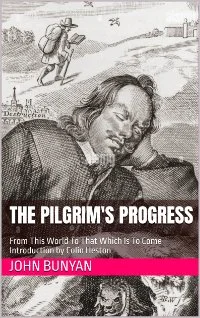
Pilgrim's Progress: From This World To That Which Is To Come

By John Bunyan. Introduction by Colin Heston Paperback

The Pilgrim’s Progress (1678) by John Bunyan is a Christian allegory that narrates the spiritual journey of a man named Christian as he seeks salvation. Leaving his home in the City of Destruction, he embarks on a perilous pilgrimage to the Celestial City, guided by faith and the teachings of the Bible. Along the way, he encounters various symbolic figures and places, such as Evangelist, who sets him on the right path; the Slough of Despond, representing despair; Vanity Fair, a place of worldly temptation; and Giant Despair, who imprisons him in Doubting Castle. The novel, written in accessible yet vivid prose, reflects Bunyan’s Puritan theology and explores themes of sin, redemption, and perseverance. Though primarily a religious work, it is also a compelling adventure story that has captivated readers for centuries. While some view its moral instruction as rigid, it remains one of the most influential and widely read books in English literature. This version contains an introduction by Colin Heston, who assesses its effect on subsequent modern-day authors, especially its religious significance, allegorical style, and theological critiques.

Read-Me.Org Inc. 2025. 133p.

The Ordeal Of Richard Feverel

By George Meredith

This book, first published in 1859, is a novel that explores the complexities of human nature and the consequences of rigid educational systems. The story centers around Sir Austin Feverel, who devises a strict educational plan known as "the System" to raise his son, Richard, in isolation from the corrupting influences of society. Despite Sir Austin's efforts, Richard falls in love with Lucy Desborough, a girl of lower social standing, leading to a series of tragic events. The novel delves into themes of love, passion, and the limitations of authoritarian control, offering a critical examination of contemporary attitudes toward education and sexuality.

Meredith's work is notable for its rich psychological analysis and lyrical prose, significantly contributing to Victorian literature. The novel's exploration of the father-son relationship and the impact of societal expectations on individual lives is both poignant and thought-provoking. "The Ordeal of Richard Feverel" was controversial at the time of its publication, with some readers finding its content prurient, leading to its ban by leading lending libraries. Despite this, it has endured as a classic, praised for its depth and literary merit.

First published by Chapman & Hall in a three-volume set. 1859. This edition Read-Me.Org Inc. 2025. 320p.

Life And Death Of Mr Badman

By John Bunyan

This work of Christian fiction was published in 1680. It is structured as a dialogue between two characters, Mr. Wiseman and Mr. Attentive, who discuss Mr. Badman's sinful life and eventual death. The book serves as a moral tale, warning readers about the consequences of a wicked life and the importance of repentance and redemption.

The narrative provides a detailed account of Mr. Badman's life, from his early years of deceit and dishonesty to his ultimate demise. Through the dialogue, Bunyan explores themes of sin, morality, and the afterlife, using Mr. Badman's story as a cautionary example. The book is notable for its realistic portrayal of the consequences of immoral behavior and its emphasis on the need for spiritual awakening.

First Published: 1680 by Nathaniel Ponde. This edition Read-Me.Org Inc. 2025. 174p.

Middlemarch

By George Eliot

"Middlemarch" by George Eliot is a richly woven tapestry of life in a provincial English town during the early 19th century. The novel delves into the lives, ambitions, and struggles of its diverse cast of characters, exploring themes of marriage, idealism, political reform, and the pursuit of personal fulfillment. At its heart is Dorothea Brooke, an intelligent and idealistic young woman whose aspirations for a meaningful life lead her into a complex marriage with the much older scholar, Edward Casaubon. Alongside Dorothea's story, the novel follows the fortunes of other key figures, such as the ambitious but flawed doctor Tertius Lydgate, the charming and morally ambiguous Will Ladislaw, and the steadfast yet troubled banker, Nicholas Bulstrode. Through its intricate plot and deep psychological insight, "Middlemarch" offers a profound commentary on the social and political issues of the time, while also providing timeless reflections on human nature and relationships.

• "Middlemarch" is celebrated for its intricate narrative and profound exploration of social, political, and personal themes.

• The novel features rich and complex characters, such as Dorothea Brooke and Tertius Lydgate, who reflect societal struggles and limitations.

• Eliot's work provides a detailed social and political commentary on 19th-century England, addressing issues like the Reform Bill of 1832 and the impact of industrialization.

• The themes of personal fulfillment, societal expectations, and moral integrity are timeless and resonate with readers across generations.

• Despite its length and complexity, "Middlemarch" remains relevant for its exploration of social issues, influence on modern writers, and significance in feminist literary criticism.

First published in eight installments between 1871 and 1872 by William Blackwood and Sons. This edition Read-Me.Org Inc. 2025. 690p.

Daniel Deronda

By George Eliot

Step into the richly woven tapestry of Victorian society with George Eliot's final and most ambitious novel, "Daniel Deronda." Published in 1876, this literary gem explores profound themes of identity, cultural heritage, and moral growth, making it a timeless classic that continues to resonate with readers today.

"Daniel Deronda" masterfully intertwines the lives of two compelling characters: Daniel Deronda and Gwendolen Harleth. Daniel, a compassionate and introspective young man of uncertain parentage, embarks on a journey of self-discovery that leads him to embrace his Jewish heritage. His quest for identity and purpose is both poignant and inspiring, reflecting the universal human search for belonging.

Gwendolen Harleth, on the other hand, is a beautiful but self-centered woman whose life takes a dramatic turn when she marries the cruel and manipulative Henleigh Grandcourt. Her journey from vanity and ambition to moral awakening and redemption is a powerful narrative of personal growth and transformation. Through Gwendolen's struggles, Eliot critiques the societal constraints placed on women and explores the possibilities of moral and personal redemption.

Eliot's writing is renowned for its deep psychological insight and realism, and "Daniel Deronda" is no exception. The novel is rich with symbolism that adds depth to its themes and character development. Water, for instance, symbolizes cleansing and rebirth, particularly in Gwendolen's storyline. Jewelry represents power, control, and submission, while stage performance reflects the theme of appearance versus reality.

"Daniel Deronda" is not just a story of individual journeys; it is also a critique of Victorian society. Eliot highlights the limitations and hypocrisies of societal conventions, particularly those related to gender and class. Her characters frequently struggle against these constraints, seeking to find their own paths and to act according to their moral convictions rather than societal expectations.

As George Eliot's final novel, "Daniel Deronda" represents the culmination of her literary career. Its innovative approach to character development and engagement with cultural and social issues have influenced countless writers and continue to inspire readers. Eliot's emphasis on empathy, integrity, and the importance of understanding individual circumstances offers valuable insights into the complexities of human behavior and ethical decision-making.

First published in 1876. William Blackwood and Sons in London released the book in eight parts from February to September of that year. This novel was the last one Eliot completed and is notable for its exploration of Victorian society and its sympathetic portrayal of Jewish proto-Zionist ideas. 591p.

The Agony and the Ecstasy: A Biographical Novel of Michelangelo

USED BOOK. MAY CONTAIN MARK-UP

By Irving Stone

FROM THE COVER: “Set in the days of the deadly Borgias, the warring popes and the mighty Medicis, this is the truly great novel of Michelangelo, his lifelong friendships, his passionate loves and his unquenchable genius. ….

"Irving Stone has painted the portrait of a supreme craftsman, one of the most versatile artists of all time, and he has also laid before us a cyclorama of one of the world's most astounding ages." New York Times

NY. Fontana books. 1970. 786p.

Ficciones

By Jorge Luis Borges

From the cover: ". unquestionably the most brilliant South American writing today. . .one of the genuine prose talents of our pe- riod. Written with a classical economy of means and under the control of a mind of wide culture and deep sensitivity, his stories will continue echoing in the minds of his readers as do those of Franz Kafka." -Herald Tribune Books

NY. Grove Press. 1962. 164p. USED BOOK. CONTAINS MARK-UP.

Phineas Finn: The Irish Member

By Anthony Trollope

Fron Wikipedia: “Phineas Finn is a novel by Anthony Trollope and the name of its leading character. The novel was first published as a monthly serial from October 1867 to May 1868 in St Paul's Magazine.[1] It is the second of the "Palliser" series of novels. Its sequel, Phineas Redux, is the fourth novel in the series. The character of Phineas Finn is said to have been partly inspired by Sir John Pope Hennessy (grandfather of the museum director of the same name),[2] a Roman Catholic from Cork, who was elected as an "Irish Nationalist Conservative" Member of Parliament for King's County in 1859.[3] It deals with both British parliamentary politics of the 1860s, including voting reform (secret ballot and eliminating rotten boroughs and Irish tenant-right) and Finn's romances with women of fortune, which would secure his financial future.

London. George Virtue. 1869. 751p.

Franz Kafka: The Complete Stories

By Franz Kafka. : Willa and Edwin Muir, Tania and James Stern

This is a 1971 collection of all Kafka’s finished works. It contains all the amazing, weird and wonderful unsettling stories from Metamorphisis to In the Penal Colony.From Wikipedia: “In 1912, Kafka wrote Die Verwandlung (The Metamorphosis, or The Transformation),[150] published in 1915 in Leipzig. The story begins with a travelling salesman waking to find himself transformed into an ungeheures Ungeziefer, a monstrous vermin, Ungezieferbeing a general term for unwanted and unclean pests, especially insects. Critics regard the work as one of the seminal works of fiction of the 20th century.[151][152][153] The story "In der Strafkolonie" ("In the Penal Colony"), dealing with an elaborate torture and execution device, was written in October 1914,[82] revised in 1918, and published in Leipzig during October 1919. The story "Ein Hungerkünstler" ("A Hunger Artist"), published in the periodical Die neue Rundschau in 1924, describes a victimized protagonist who experiences a decline in the appreciation of his strange craft of starving himself for extended periods.[154] His last story, "Josefine, die Sängerin oder Das Volk der Mäuse" ("Josephine the Singer, or the Mouse Folk"), also deals with the relationship between an artist and his audience.[155]

NY. Schoken. 1971. 487p. CONTAINS MARK-UP