Open Access Publisher and Free Library
CRIME+CRIMINOLOGY.jpeg

CRIME

Violent-Non-Violent-Cyber-Global-Organized-Environmental-Policing-Crime Prevention-Victimization

Posts in Conflict Resolution
Your Money or Your Life:  London’s Knife Crime, Robbery and Street Theft Epidemic 

By David Spencer

A new report from Policy Exchange demonstrates how London is in the grip of a street crime epidemic and makes seventeen recommendations to show how the Metropolitan Police, City Hall and the Government can turn the tide.  

The report shows that:

  • Knife crime in London increased by 58.5% in only three years between 2021 and 2024;

  • Only 1 in 20 robberies and 1 in 170 “theft person” crimes in the capital were solved last year.

  • 60% of the knife crimes committed in the capital were robberies – with over 81,000 mobile phones stolen in robberies and thefts last year.

  • In 2024 one small geographic area of around 20 streets in London’s West End near Oxford Circus and Regent Street had more knife crime than nearly 15% of the rest capital combined; in 2023 these streets had more knife crime than 23% of the capital combined.

  •  

 The report identifies the top 20 neighbourhoods (technically known as Lower Layer Super Output Areas or LSOAs of about 15-20 streets each) in London which had the highest levels of knife crime in 2024. One in 15 of every knife crime offence in the capital in 2024 occurred in one of these 20 neighbourhoods (908 knife crimes). In 2024 only 4% of neighbourhoods accounted for nearly a quarter of all knife crime offences in the capital (3,615 knife crimes) and 15% of neighbourhoods accounted for half of all knife crime offences (7055 knife crimes).

The report identifies that within the Metropolitan Police there are least 850 police officers currently in non-frontline posts which could be redeployed to the policing frontline to tackle knife crime, robbery and theft in the areas where criminals are most prolific. This includes police officers currently posted to the following departments: Transformation (142 officers), Human Resources (24 officers), Culture, Diversity and Inclusion (20 officers) and Digital, Data & Technology (34 officers).  

Policy Exchange rejects the suggestion that stop and search is being deployed in a “racist” way. While only 39.5% of those stopped and searched by the police are black, 43.6% of those charged with murder are black, 45.6% of non-domestic knife-crime murder victims are black and 48.6% of robbery suspects are black. 13.5% of London’s population are black. Policy Exchange asserts that it is not “racist” when the police are merely responding to the demographic breakdown of serious and violent offending in the capital.  

Policy Exchange analysis shows that the courts are taking a dangerously lax approach to the most prolific criminals. Despite already having 46 or more previous convictions, “Hyper-Prolific Offenders” are sent to prison on less than half of all occasions (44.5%) on conviction for a further indictable or either-way offence – 4,555 such criminals walked free from court in 2024. For “Super-Prolific Offenders” (those with 26 to 45 previous offences) this falls to 42.1% with 9,483 such criminals walking free from court in 2024. Despite there being mandatory sentencing provisions for repeat knife-carriers to be sent to prison over a third are not sentenced to a term of immediate custody

Examining the Social and Psychological Impact of Deepfakes: Rapid Evidence Review

By Crest Advisory

Crest Advisory was commissioned by the Accelerated Capability Environment (ACE) on behalf of the Office of the Police Chief Scientific Adviser (OPCSA) to conduct research examining the social and psychological impacts of deepfakes on victims, with a focus on violence against women and girls (VAWG). This rapid evidence review compiles relevant literature which informed our lines of enquiry and refined the scope of our primary research and engagement, including a public attitudes survey. This document has been iterated throughout the commission to ensure it is up to date at the time of writing (July 2025) and captures relevant emerging literature. Deepfakes refer to any audio, image or video which has been digitally altered using machine learning methods. This includes fraudulent, political, or humorous content, as well as intimate images and pornography. However, in line with the focus of this commission, our evidence review focuses on deepfake violence against women and girls (VAWG). This focus reflects evidence that the vast majority of deepfake videos are sexualised in nature, with women being the disproportionate target of this abuse.

Corruption and the critical mining sector in Zambia

By Tinenenji Banda and Marja Hinfelaar

Zambia is a significant source of critical minerals including copper, cobalt, lithium, nickel and graphite. Interest in Zambia’s minerals is growing, particularly from Western countries and China. Unfortunately, due to governance weaknesses, there is ample corruption and illicit financial flows at several transaction levels in the value chain. This U4 Issue therefore identifies government interventions Zambia can use to curtail corruption considering existing political pressures.

Main points

  • Intense competition for critical mineral value chains results in an increased risk of revenue leakage due to corruption and tax evasion. Illicit financial flows (IFF) threaten Zambia’s economic development and undermine its fiscal systems.

  • Zambia has formal commitments in place, such as laws, regulatory institutions and international commitments, to battle corruption and IFFs, but the institutional architecture is fragmented and inadequately enforced. Inter-agency collaboration is required to address these challenges.

  • Through a literature review, including a law and policy review, and a stakeholder mapping exercise with 21 key informant interviews with government, civil society, academic and industry representatives, we constructed a qualitative understanding of the key risk factors for corruption and IFFs.

  • Significant factors are the lack of a transparent, coherent and disciplined mining licensing system; a non-transparent bidding process; public-private collusion across value chains; abuse of intermediaries and agents; and weak regulation in the sector.

  • Opportunities for interventions are enhanced systems for disclosure and due diligence, reform of the Mining Cadastre, support for evidence-based policymaking, support for the organisation of the artisanal mining sector, enhanced quality of civil society organisation public discourse, and enhanced collaboration in anti-corruption agencies, while keeping political pressures in mind.

The right to be free of corruption: A new frontier in anti-corruption approaches through national courts

By Naomi Roht-Arriaza

Courts in several jurisdictions have recognised corruption as a direct human rights violation, enabling broader legal standing, integrating international law and focusing on victims. Case studies, predominantly from Latin America, illustrate different legal theories used to hold officials accountable and expand access to justice in anti-corruption proceedings. Consequently, the formulation of a stand-alone right has merit despite limitations.

CONTRABAND TOBACCO: SYSTEMATIC PROFILING OF CIGARETTE PACKS FOR FORENSIC INTELLIGENCE

By Laurie Caron, Frank Crispino and Cyril Muehlethaler

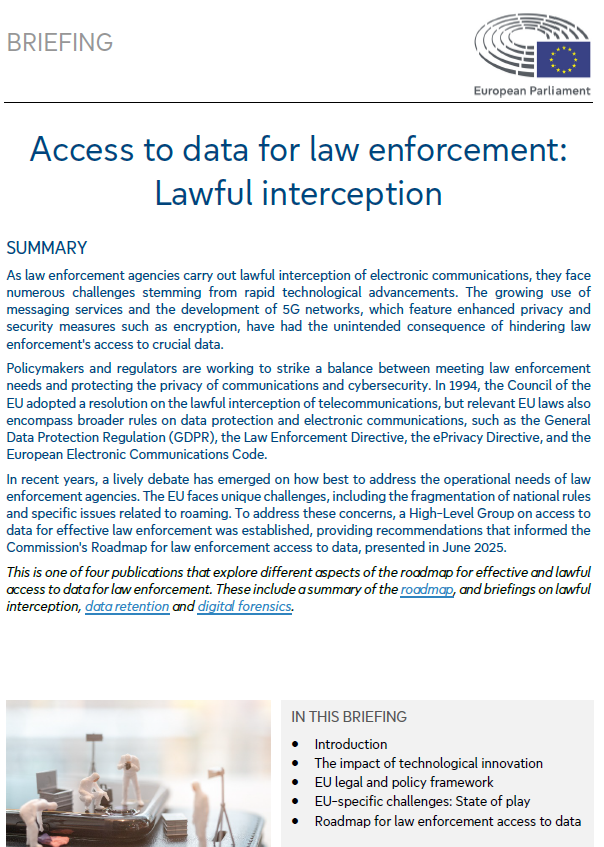
Tobacco smuggling remains a widespread illegal activity in Canada, associated with important social and economic impacts, and often linked to organized crime. This study explores the application of forensic profiling as an intelligence tool to support the analysis of contraband cigarette production and distribution. Physical and chemical manufacturing characteristics of seized contraband cigarette packs, provided by the Canada Border Services Agency (CBSA), were observed and coded using macroscopic, microscopic, and spectroscopic techniques. Multivariate statistical analyses were then conducted to compare manufacturing characteristics between packs and identify potential links. The analyses highlighted links between cigarette packs and seizures based on shared manufacturing characteristics. The results and the identified groups were also compared with seizure data provided by the CBSA. The results demonstrate the relevance of forensic profiling to formulate hypotheses regarding shared production processes or supply networks. These hypotheses provide information that contributes to understanding tobacco smuggling and aim to examine how forensic intelligence can support law enforcement and measures to prevent and disrupt this criminal activity. A preliminary optimal procedure for applying forensic profiling in operational contexts targeting contraband tobacco was finally proposed. Despite limitations in the dataset creation that were beyond our control, this study represents a starting point for applying this scientific approach to tobacco smuggling

School-Based Interventions for Reducing Disciplinary School Exclusion. An Updated Systematic Review

By

Sara Valdebenito, Hannah Gaffney, Maria Jose Arosemena-Burbano, Sydney Hitchcock, Darrick Jolliffe, Alex Sutherland

School exclusion—commonly referred to as suspension—is a disciplinary response employed by school authorities to address student misbehaviour. Typically, it involves temporary removal from regular teaching or, in more serious cases, complete removal from the school premises. A substantial body of research has associated exclusion with adverse developmental outcomes. In response, various school-based interventions have been developed to reduce exclusion rates. While some programmes have shown promising effects, the evidence on their effectiveness remains inconclusive. This mixed-methods systematic review and multi-level meta-analysis updates the previous review by Valdebenito et al. (2018), which included literature published between 1980 and 2015. The present update extends the evidence base by including studies until 2022. The primary aim of this review was to assess the effectiveness of school-based interventions in reducing disciplinary exclusions, with secondary aims focused on related behavioural outcomes including conduct problems, delinquency, and substance use. Systematic searches conducted between November and December 2022 yielded over 11,000 references for quantitative studies. Following title and abstract screening, 777 records were reviewed at full text by two independent coders. Thirty-two studies met the inclusion criteria for meta-analysis, comprising 2765 effect sizes from 67 primary evaluations (1980–2022) and representing approximately 394,242 students. Meta-analysis was conducted using a multilevel random-effects model with robust variance estimation to account for the nested structure of the data. Quantitative impact evaluations were eligible if they used a randomised controlled or quasi-experimental design, included both a control group and pre/post-test data, and used statistical methods to minimise selection bias (e.g., propensity score matching or matched cohort design). Studies were excluded if they exhibited substantial baseline differences between treatment and control groups. The qualitative synthesis explored implementation barriers and facilitators based on nine UK-based process evaluations, identified through searches completed in September 2023. Process evaluations were included if they focused on the perceptions of stakeholders—teachers, students, or school leadership—within UK schools. Data collection followed two stages: initial selection based on titles, abstracts, and keywords, followed by full-text review. Two independent coders applied inclusion criteria, extracted data, and resolved discrepancies with the principal investigators. All steps were documented to inform the PRISMA flow chart. To evaluate interventions reducing school exclusions, we conducted a multilevel meta-analysis using robust variance estimation. We explored heterogeneity via meta-regression (e.g., gender, intervention type), conducted sensitivity analyses for outliers and correlation structures, and assessed quality data using the EPOC, ROBIN-I and CASP checklist for methodological quality. Findings indicated that school-based interventions were associated with a small but statistically significant reduction in school exclusion (standardised mean difference [SMD] = 0.104; 95% CI: 0.04 to 0.17; p < 0.001). Compared with the original 2018 review, which reported a slightly larger effect size, this update benefits from a broader evidence base and more advanced statistical modelling. However, the results for secondary behavioural outcomes were more limited: effects on conduct problems and delinquency were negligible or non-significant, and the impact on substance use was small and not statistically significant. Risk of bias was assessed using the Cochrane EPOC 2 tool (Higgins and Green 2011) for randomised controlled trials and ROBINS-I (Sterne et al. 2016) for quasi-experimental designs. Randomised studies generally exhibited lower risk of bias, while quasi-experimental studies showed greater variability in quality. Four major themes emerged from the analysis. First, intervention format mattered: flexible, collaborative, and well-structured interventions facilitated implementation, while outdated materials or content misaligned with local context impeded delivery. Second, consistency in school policies and practice enabled smoother implementation, whereas inconsistency acted as a barrier. Third, staff buy-in—particularly among senior leaders—was essential for successful implementation, although resistance from more experienced staff was noted. Finally, perceived effectiveness played a motivational role: visible improvements in pupil behaviour supported continued engagement with the intervention. In summary, the updated review finds that school-based interventions can modestly but significantly reduce school exclusions. While more serious disciplinary sanctions such as permanent exclusions and out-of-school suspensions appear less responsive, in-school exclusion shows greater potential for reduction. Impacts on other behavioural outcomes remain limited. These findings suggest that targeted, context-sensitive interventions supported by strong implementation strategies and whole-school engagement are most likely to achieve sustained reductions in school exclusion.

Cross-cultural service learning in a juvenile correctional school: a qualitative analysis of international medical students’ reflections

By Hsiang-Chin Hsu & Tzu-Ching Sung 

This study investigates the impact of a service-learning activity on the personal and professional development of 28 international medical students at I-Shou University, focusing on their participation in a service-learning project at a juvenile correctional school in Taiwan. Through the collection and thematic analysis of written reflections, four key themes were identified: cultural competence, empathy development, medical professionalism, and personal and professional growth. The service-learning experience significantly enhanced students’ cultural competence by exposing them to cross-cultural challenges, deepening their understanding of the social determinants of health, and reinforcing the importance of communication skills in overcoming language and cultural barriers. This is particularly relevant in diverse healthcare settings where effective communication is essential for patient-centered care. A notable outcome of the activity was the development of empathy, as students reflected on the emotional needs of the juveniles they encountered, highlighting the critical role of non-judgmental, compassionate care in healthcare practice. Furthermore, the experience fostered medical professionalism by confronting students with ethical dilemmas, such as equitable access to healthcare for marginalized populations, thus emphasizing the responsibility of future physicians to advocate for social justice and address healthcare disparities. Personal and professional growth emerged as another significant outcome, with students reporting increased self-awareness and emotional intelligence. The service-learning activity challenged their preconceived notions about marginalized populations, enabling them to recognize and mitigate personal biases, ultimately contributing to more compassionate and ethical patient care. Overall, the study underscores the transformative role of service-learning in medical education, fostering cultural competence, empathy, ethical awareness, and social responsibility—qualities essential for preparing socially responsible physicians to navigate healthcare. These findings collectively bridge theory and practice, illustrating how transformative learning and professional identity formation manifest through experiential service-learning. Accordingly, this study emphasizes integrating service-learning into medical education curricula to bridge theory and practice and equip students for ethical, cultural, and professional challenges. Future research should explore its long-term impact on professional development and broader curricular integration.

Birthright Citizenship and Youth Crime

By Leander Andres, Stefan Bauernschuster, Gordon B. Dahl, Helmut Rainer, Simone Schüller

This paper studies the impact of birthright citizenship on youth crime. We leverage a reform which automatically granted birthright citizenship to eligible immigrant children born in Germany after January 1, 2000 and administrative crime data from three federal states. Immigrant youth who acquired citizenship at birth are substantially less likely to engage in criminal activity, with estimates indicating a 70% reduction. These results are particularly relevant in light of ongoing debates in the U.S. about abolishing birthright citizenship. Our findings suggest that inclusive citizenship policies can reduce crime and its associated costs, which in turn could strengthen social cohesion.

The role of UK policing in economic growth

By Crest Advisory with RSM UK Consulting

Economic growth is the number one mission of the Government in the UK, seeking to restore stability, increase investment and reform the economy to improve productivity, prosperity, and living standards. This commitment has been made in the context of a sustained period of economic stagnation, throughout which there has been an ongoing conversation as to whether the right levers are being pulled to achieve economic growth. The Office of the Chief Scientific Adviser for the National Police Chiefs’ Council (NPCC) commissioned us to understand the role of policing as a lever - our research seeks to collate existing evidence as well as identify where there are opportunities to develop this evidence in the future. This research also falls within the wider discussion on police funding, police productivity and police reform which is particularly relevant given that the Home Office will be looking to find savings ahead of this year’s spending review as an unprotected government department, ongoing debate about the police funding formula and growing financial pressures on police forces. Science and technology has a significant role to play in police efficiency and effectiveness, but also growth. The NPCC’s Science and Technology Strategy sets a clear ambition for policing “to deliver the most science and technology led police service in the world”. Often, our understanding of policing impact is focused on implementation and public safety outcomes, but economic outcomes have the potential to shift the narrative in terms of how we define an effective and efficient police response. Our work, in partnership with RSM UK Consulting, has sought to understand the evidence between policing and economic outcomes, from which we have produced a logic model to understand these relationships (a logic model conceptualises the links between activities and key outcomes). While we have not been able to estimate the scale of impact of UK policing on economic growth, we hope this logic model can act as a framework for partners to use to further develop the evidence base around the impact of policing on economic outcomes, specifically designing evaluations with these outcomes in mind. In time, this evidence may begin to change how we understand the positive impact of policing on individuals, businesses and communities in England and Wales - with the potential for positive economic outcomes influencing future decisions on funding allocations and commitments to specific policing initiatives and operational interventions. Furthermore, growth could sit alongside efficiency and effectiveness as key metrics for success in policing.

London: Crest Advisory, 2025. 69p.