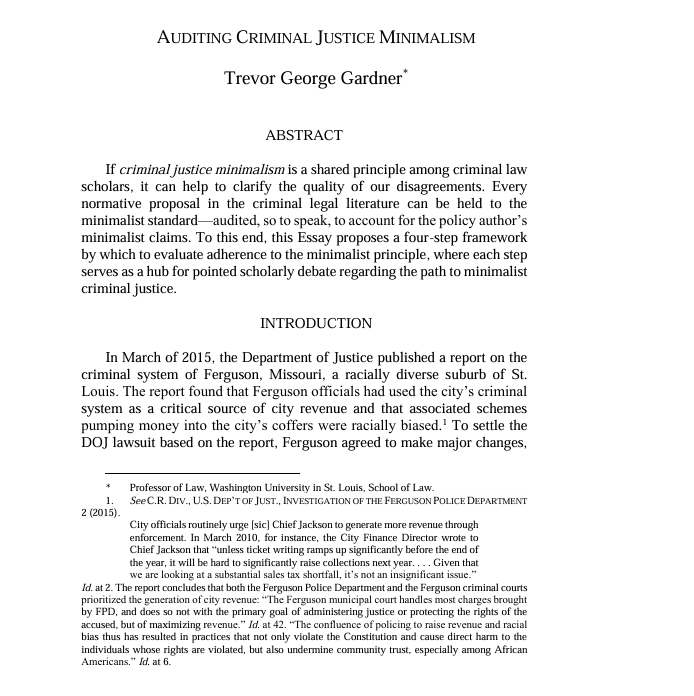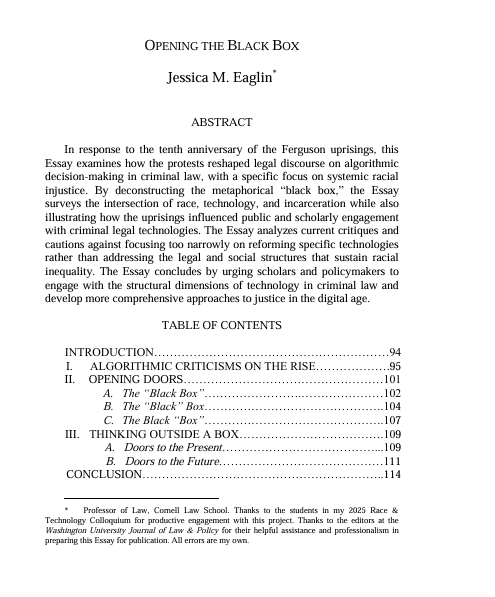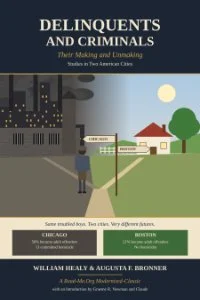
A Read-Me.Org Modernized-Classic. Abridged and adapted with an Introduction by Graeme R. Newman and Claude . William Healy and Augusta F. Bronner authors of the original book.
Delinquents and Criminals: Their Making and Unmaking is one of the most important and surprisingly modern works in the history of criminology. First published in 1926, pioneering researchers William Healy and Augusta F. Bronner asked a question that still challenges criminal justice systems today: What actually works in preventing young offenders from becoming adult criminals?
Drawing on the lives of hundreds of juvenile offenders tracked over many years in Chicago and Boston, the authors conducted one of America's first large-scale outcome studies of delinquency. Their findings were startling. Many young offenders who passed through courts, reform schools, and correctional institutions went on to criminal careers, while others successfully rebuilt their lives. Most striking was the discovery that similar youths experienced dramatically different outcomes depending on how their communities treated them.
This modernized edition brings Healy and Bronner's landmark study to contemporary readers in clear, accessible language while preserving the authors' original arguments, evidence, and conclusions. Their analysis challenges many popular assumptions about crime. They found little evidence that criminal careers were determined by heredity, nationality, religion, poverty alone, or innate character. Instead, they emphasized the importance of family life, peer influence, community conditions, probation, supervision, and effective intervention.
A century later, the book remains remarkably relevant. Its themes anticipate modern debates about evidence-based justice, rehabilitation, juvenile detention, parole, foster care, and crime prevention. Many policies now considered innovative were already being advocated by Healy and Bronner in the 1920s.
This abridged and modernized Read-Me.Org edition includes a new introduction, explanatory notes, and discussion questions that place the work in both its historical and contemporary context.
A fascinating classic for students, scholars, criminal justice professionals, policy makers, and anyone interested in how societies create, prevent, and respond to crime. Download the Original Book here.
Read-Me.Org Inc. New York-Philadelphia-Australia. 2026. p.74.