Open Access Publisher and Free Library
CRIME+CRIMINOLOGY.jpeg

CRIME

Violent-Non-Violent-Cyber-Global-Organized-Environmental-Policing-Crime Prevention-Victimization

Posts in Crime
Social Pensions and Intimate Partner Violence against Older Women

By Cristina Bellés-Obrero, Giulia La Mattina, Han Ye

The prevalence and determinants of intimate partner violence (IPV) among older women are understudied.  This paper documents that the incidence of IPV remains high at old ages and provides the first evidence of the impact of access to income on IPV for older women. We leverage a Mexican reform that lowered the eligibility age for a non-contributory pension and a difference-in-differences approach.  Women’s eligibility for the pension increases their probability of being subjected to economic, psychological, and physical/sexual IPV. In con- trast, we show that IPV does not increase when men become eligible.  Looking at potential mechanisms, we find suggestive evidence that men use violence as a tool to control women’s resources. Additionally, women reduce paid employment after becoming eligible for the pen- sion, which may indicate that they spend more time at home, leading to greater exposure to potentially violent partners. 

Voluntariness Women on the victim-offender spectrum in organised crime

By: Nasreen Solomons and Harsha Gihwala

Summary - The victim–offender spectrum of human trafficking is characterised by blurred lines and complex circumstances. Recognising varying degrees of voluntariness in individual cases of women along this spectrum would allow legislators and the justice system to understand the complicated contexts in which women intersect with trafficking, where culpability is not always clear-cut. States have a responsibility to develop legislation, policy and strategies that reflect this nuance and enable more effective interventions for those who fall anywhere on this spectrum.

Implementation of a Statewide Fentanyl Possession Law and Opioid-Related Overdose Deaths 

By Cole Jurecka; Joella Adams; Pranav Padmanabhan; Jason Glanz; Paul Christine; Xiaoyu Guan; Danielle Kline; Ingrid Binswanger; Joshua Barocas

In 2022, Colorado passed legislation making possession of small amounts of fentanyl, a high-potency synthetic opioid, a felony. Whether the Colorado law affected opioid overdose fatalities and whether those effects differed by racial and ethnic subgroups is unknown. OBJECTIVE To estimate the association between the change in criminal penalties for fentanyl possession with opioid-related overdose deaths (OODs) in Colorado. DESIGN, SETTING, AND POPULATION Serial cross-sectional study comparing OODs among adults (18 years) who died of an overdose and population estimates before and after Colorado House Bill (HB) 22-1326 was enacted in July 2022 (January 2018-November 2023) using autoregressive integrated moving averages (ARIMA) model time series forecasting. Monthly OOD rates per 100 000 residents were calculated using state population estimates from the American Community Survey 5-Year Data and the Colorado Department of Local Affairs State Demography Office. Overdose death rates were calculated separately by racial and ethnic group (Hispanic, non-Hispanic Black, and non-Hispanic White). Data were analyzed from January 2018 to 2023. EXPOSURE Enactment of HB 22-1326 changed the legal penalty for possession of any drug weighing 1 g to 4 g that contained any amount of fentanyl from a misdemeanor to a level-4 drug felony punishable by up to 180 days in jail and up to 2 years of probation. MAIN OUTCOME The difference between expected and observed OOD rates following the enactment of increased criminal penalties. RESULTS A total of 7099 OODs were analyzed (1798 Hispanic [25.3%], 451 Non-Hispanic Black [6.4%], and 4170 Non-Hispanic White [58.7%], 680 other [9.5%] and not included in the race and ethnicity categories). OODs increased across the study period in Colorado from 20.46 per 100 000 adults in January 2018 to 37.78 per 100 000 adults in November 2023. Among different racial and ethnic groups, the non-Hispanic Black population had the highest increase in OODs (9.3 per 100 000 in 2018 to 56.9 per 100 000 in 2023) followed by the Hispanic population. There was no difference between the observed and expect overdose deaths for the overall population following the enactment of HB 22-1326. However, there were significant increases in 4 of 13 months after policy implementation among the non-Hispanic Black population CONCLUSIONS AND RELEVANCE The results of this serial cross-sectional study suggest that increased criminal penalties for fentanyl possession did not change preexisting trends of OODs in Colorado and may have been associated with an increase in opioid overdoses in the Black population.

Preventive and Administrative Measures Against High-Risk Criminal Networks. An Оverview of Policies and Gaps at the European, National, and Local Scale.

By : Lienke Hutten, Lars Merkus, Joeri Vig

To effectively counter organised crime and high-risk criminal networks, criminal law alone often
falls short. Across the European Union, the administrative approach is increasingly recognised as
a crucial strategy to disrupt the infiltration of criminal networks in the legal economy. This study
maps both the legislative framework and practical initiatives that support the administrative approach
on organised crime drawing on contributions from six member states: Sweden, Belgium,
the Netherlands, Spain, Bulgaria, and Italy. This study maps both the legislative framework and
practical initiatives that support administrative interventions. A structured template was used to
collect country-specific information on relevant laws, the policy framework, and national and local
initiatives. In addition, EU-level strategies and directives were reviewed to assess the broader
policy context and identify shared priorities.

Findings reveal considerable diversity in the design of the legislative frameworks and initiatives.
Countries such as Italy, Belgium, and the Netherlands have developed robust and proactive
frameworks, blending preventive and repressive instruments with administrative possibilities
on the local level. Others, like Sweden, demonstrate how general administrative laws can be
creatively adapted to serve crime prevention goals. Spain and Bulgaria show more centrally arranged
administrative bodies and sector-driven efforts. These differences make it apparent that
there is no one-size-fits-all model for the administrative approach. Gaining insight into the diverse
legal and institutional frameworks across countries enables mutual learning and the identification
of promising initiatives for all member states.

Legislation and initiatives at the European level such as AML directives, procurement rules and
asset recovery reforms can serve as important enablers, though their impact heavily depends
on coordinated implementation. Overall, the administrative approach is gaining attention as an
essential component of internal security, offering flexible and preventive tools with local possibilities
to reduce the infiltration and influence of high-risk criminal networks.

BUREAU OF PRISONS:  Strategic Approach Needed to Prevent and Address Employee Misconduct

By United States Government Accountability Office

The Bureau of Prisons (BOP) has policies and procedures on employee misconduct but has not fully communicated them. In June 2024, BOP updated its Standards of Employee Conduct and provides ongoing training on these standards. However, BOP is not sharing and using feedback from employees on the training, which is inconsistent with leading practices. Doing so would better position BOP to improve the training’s design, delivery, and overall effectiveness in preventing employee misconduct. Additionally, BOP uses orientation handbooks and signs posted in facilities to inform incarcerated individuals how to report certain employee misconduct. However, the handbooks and signs discuss sexual misconduct rather than a broader range of allegations, such as contraband and physical abuse. Developing a communication strategy to fully inform incarcerated individuals about employee misconduct offenses that affect their health and safety could increase awareness about the standards BOP is trying to uphold and help ensure facility safety and employee accountability. Further, BOP has not fully incorporated data analysis and planning into how it manages employee misconduct. For example, BOP collects employee misconduct data but does not assess these data to identify trends in misconduct across more than 2 years. By developing and implementing an approach to routinely and fully assess employee misconduct data over more than 2 years, BOP could better focus its efforts to prevent and address misconduct. BOP increased staff and took other steps to reduce its employee misconduct caseload, but about 37 percent of the 12,153 cases open as of February 2025 had been unresolved for 3 years or longer. BOP’s approach to investigating and disciplining employee misconduct does not include establishing milestones or designating responsibilities to key officials. Implementing a comprehensive plan with these elements would help BOP allocate the resources necessary for investigating and disciplining employee misconduct cases, achieve desired results, and enhance safety and efficiency.

Alignment with New York City’s Pretrial Release Assessment: Results for the Five Boroughs

By Li Sian Goh, Michael Rempel, and Joanna Weill

This report examines the alignment of New York City judges’ pretrial release decisions with the recommendations of the Pretrial Release Assessment, a validated tool that calculates the likelihood people will return to court if they are released before trial. Drawing on 251,917 New York City arraignments subject to pretrial release decisions in 2021, 2022, and 2023, we looked at what the assessment recommended, how often judges followed these recommendations, and cross-borough differences over time.

Key Findings:

Most People are Recommended for Release on Recognizance (ROR): From 2021 to 2023, the Release Assessment recommended releasing people on their own recognizance (ROR) for 88% of cases, including 79% of violent felonies, 77% of nonviolent felonies, and 92% of misdemeanors. Yet judges granted ROR in only 25% of violent felonies, 42% of nonviolent felonies, and 78% of misdemeanors.The Assessment Was Consistent Across Each Race/Ethnicity: The assessment recommended 87% of Black, 88% of Hispanic, and 85% of white people for ROR. For people charged with a violent felony, the assessment recommended a statistically identical 78% of Black and Hispanic and 77% of white people for ROR.Alignment with the Release Assessment’s Recommendations: From 2021 to 2023, judges infrequently followed ROR recommendations for violent felony cases (30%), only followed such recommendations about half the time (51%) in nonviolent felony cases, while adhering at a high rate for misdemeanors (83%). Conversely, in violent felony cases that are virtually all legally eligible for bail under the State’s bail reform law, judges set bail or remand in 41% of the cases where the Release Assessment had recommended ROR.Judges Aligned with the Assessment at Racially Disparate Rates: When the assessment recommended ROR in a violent felony case, judges set it least often for Black people (26%), somewhat more for Hispanic people (32%), and most often for white people (43%). In these same cases, judges were more likely to impose bail or remand on Black (44%) than Hispanic (39%) or white people (29%). Further analysis linked these racial differences to a tendency of judges to overrate certain risk factors correlated with race/ethnicity.Overrating Certain Risk Factors: Although criminal history and living situation are already factored into the assessment’s recommendations, judges were more likely to adhere to a ROR recommendation when people had no prior warrants, no prior misdemeanor or felony convictions, and a stable abode than when one of these risk factors was present.Alignment Varied Across the City: Bronx and Brooklyn judges followed a ROR recommendation at the highest and Staten Island judges at the lowest rate. Nonviolent felonies saw especially wide borough variability. (For example, people facing a nonviolent felony charge and recommended for ROR were 1.8 times more likely to receive it in the Bronx than in Manhattan or Staten Island.)

International Parental Child Abduction In England and Wales

By David Foster

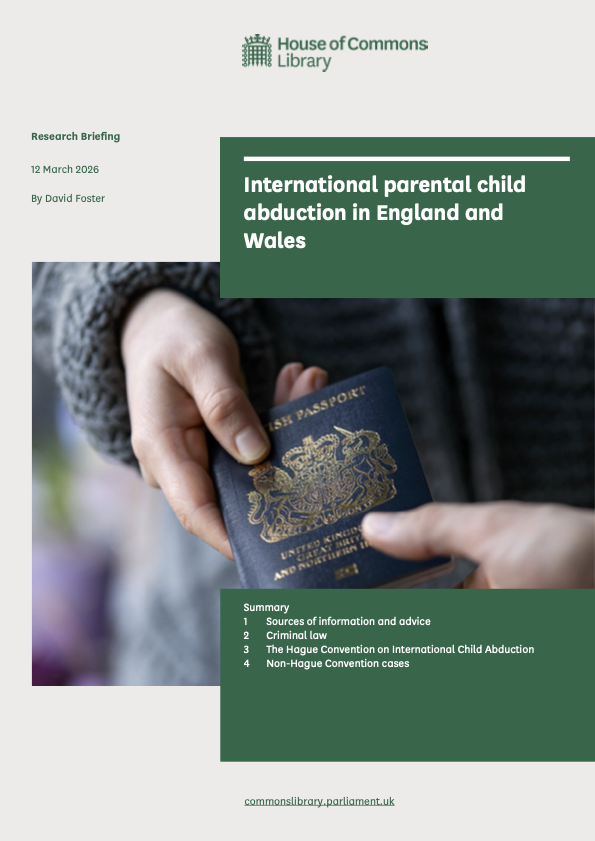
This briefing provides a brief overview of international parental child abduction, including relevant provisions of the Child Abduction Act 1984 and the 1980 Hague Convention. Somebody seeking guidance on a specific case should seek specialist legal advice based on all the facts of their case. They may also seek assistance from the Foreign, Commonwealth and Development Office and the charity Reunite International. The briefing covers England and Wales unless stated otherwise – for example, the 1980 Hague Convention applies across the UK. 

Torture And Enforced Disappearances In The Sunshine State Human Rights Violations At “Alligator Alcatraz” And Krome In Florida

By Amnesty International
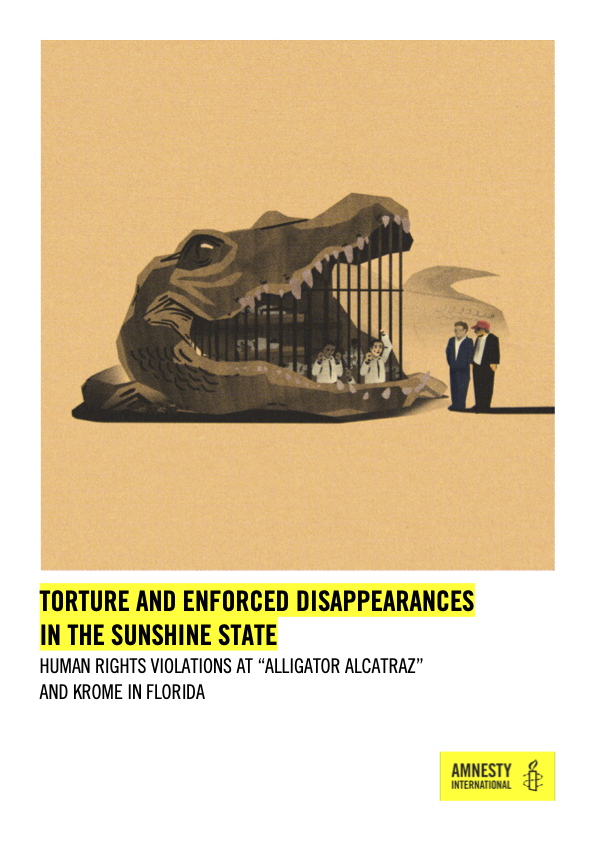
This report presents Amnesty International’s findings from a research trip to southern Florida in September 2025, to document the human rights impacts of federal and state migration and asylum policies on mass detention and deportation, access to due process, and detention conditions since President Trump took office on 20 January 2025. In particular, it focuses on detention conditions at the Krome North Service Processing Center (Krome) and the Everglades Detention Facility, also known as “Alligator Alcatraz”.

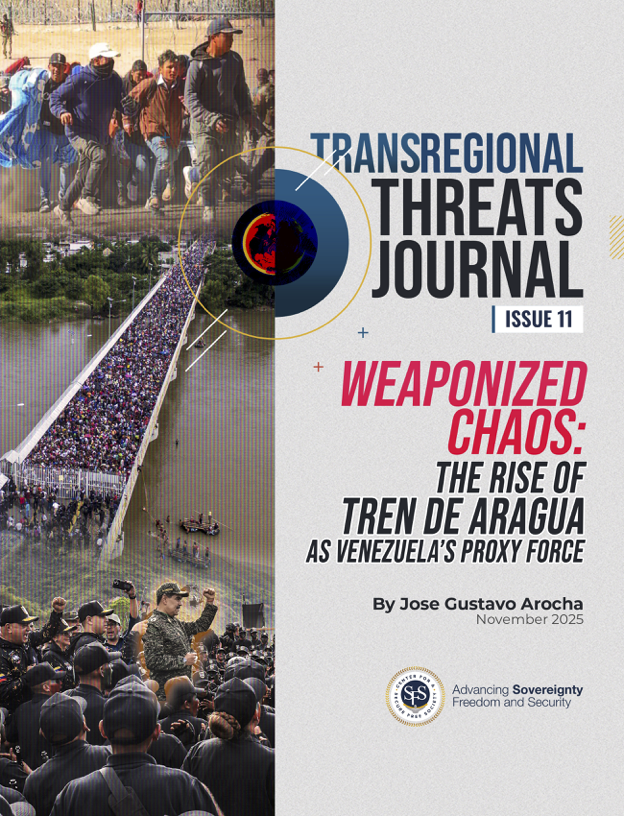
Weaponized Chaos: The Rise of Tren de Aragua as Venezuela's Proxy Force, 2014–2025

By José Gustavo Arocha

BOTTOM LINE UP FRONT: 

1 Tren de Aragua (TdA) has morphed from a prison gang into a paramilitary instrument of the Maduro regime, now active in at least eleven Latin American countries [1] and twenty-three U.S. states, [2] according to the U.S. House Oversight Committee (2025).

2 Strategic Alignment. TdA’s deliberate expansion complements Venezuela’s Guerra de Todo el Pueblo asymmetric-warfare doctrine, [3] erasing boundaries between statecraft and organized crime.

3 Elastic Network. The gang’s “insurgent archipelago” [4] of semiautonomous cells, linked through encrypted channels, makes it exceptionally resilient; when joint Peruvian-U.S. raids freed more than eighty trafficking victims in January 2025, [5] replacement cells reemerged within days. [6]

4 Weaponized Migration. By monetizing migrant flows, selling “all risk” travel packages that often devolve into debt bondage, [7] TdA offloads costs onto regional adversaries; more than 520,000 migrants transited through the Darién Gap in 2023. [8]

5 Persistent Threat. Despite terrorism designations by the United States, Argentina, Ecuador, and Trinidad and Tobago—and nearly 3,500 U.S. arrests as of August 2025, [9] TdA’s franchise model is regenerating faster than law enforcement can dismantle it.

The Changing Use of Jails in Safety and Justice Challenge Counties

By Brandon Martinez, Rebecca Tublitz, Otgonjargal Okhidoi (Otgo), Emily West

The majority of people in local jails around the country are awaiting their criminal trial, meaning they have not been convicted of the crimes that brought them in, and many of them do not pose a danger to public safety. In fact, keeping those in jail who could be better served in the community can cause long-term instability.  

Given this research, cities and counties involved in the Safety and Justice Challenge (SJC) have engaged in collaborative, multi-agency efforts to safely reduce the misuse and overuse of their local jails and increase equity across the system.  

These efforts have yielded impressive results: in these SJC cities and counties, nearly 18,000 fewer people are in jails today compared to the start of the initiative.

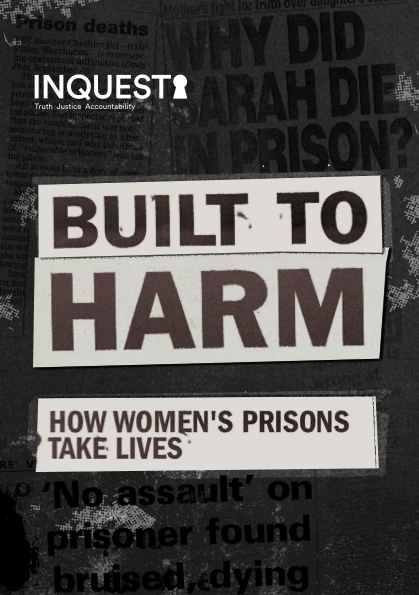
Built to Harm: How Women's Prisons Take Lives

By Jessica Pandian

Through foregrounding the circumstances of seven deaths in women’s prisons and highlighting issues which have persisted for decades, this report provides further evidence that the women’s prison estate is – and for decades has been – incapable of adequate reform. An analysis of the deaths reveals the key thematic issues, which fall under three categories: 1. not believing prisoners in crisis and at risk, 2. failings in prison processes, and 3. imprisonment as the default to social inequality. Lastly, the report provides a statistical analysis of deaths and self-harm in women’s prison from 2018 - 2024If we do not address the current prison crisis and reflect on its harmful impact, it is inevitable that more people will be exposed to the harms of the prison environment and die. This report is a blunt reminder to the Government to act now by committing to dismantle the women’s estate and halt all prison building.
This report exposes the successive failures of reforms, strategies and frameworks introduced in the policy around women’s prisons in England and Wales since the launch of the Ministry of Justice’s Female Offender Strategy in 2018.1 The strategy’s intended purpose was to improve lived conditions in women’s prisons and reduce the women’s prison population. 2018 also marks the year in which INQUEST published 'Still Dying on the Inside', 2 the third INQUEST publication providing unique insight into deaths in women’s prisons.

Strengthening the U.S. Medicolegal Death Investigation System: Lessons from Deaths in Custody

By National Academies of Sciences, Engineering, and Medicine

The U.S. medicolegal death investigation system is responsible for investigating and providing determinations of cause and manner of death, playing a vital role in the nation's public health and criminal justice systems. Recent, high-profile deaths in custody cases have drawn widespread attention to the determinations of cause and manner of death made by forensic pathologists, medical examiners, and coroners, and questions have been raised about the scientific validity of such determinations.

Strengthening the U.S. Medicolegal Death Investigation System: Lessons from Deaths in Custody evaluates the handling of deaths in police custody by the medicolegal death investigation system and recommends actions to strengthen the nation's medicolegal death investigation system.

The Federal Status of Marijuana and the Policy Gap with States

By Lisa N. Sacco, Joanna R. Lampe, Hassan Z. Sheikh

Marijuana is a psychoactive drug that generally consists of leaves and flowers of the cannabis sativa plant. It is a Schedule I controlled substance under the federal Controlled Substances Act (CSA; 21 U.S.C. §§801 et seq.), and thus is strictly regulated by federal authorities. In contrast, over the last several decades, most states and territories have deviated from a comprehensive prohibition of marijuana and have laws and policies allowing for some cultivation, sale, distribution, and possession of marijuana.


Marijuana is the most commonly used illicit drug in the United States. According to data from the National Survey on Drug Use and Health (NSDUH), in 2024 an estimated 64.2 million individuals aged 12 or older used marijuana in the past year, and 44.3 million reported using it in the past month. The percentage of individuals 12 or older who reported past-month marijuana use gradually increased from 6.1% in 2008 to 15.4% in 2024—a time frame during which a majority of states repealed state criminal prohibitions on marijuana and allowed for its recreational and/or medical use. The rate of past-month marijuana use among youth (ages 12-17) was 6.0% in 2024 and since 2008 has fluctuated from a low of 6.0% (in 2023 and 2024) to a high of 7.9% (in 2011), while adult (ages 18+) use steadily increased—from 6.3% in 2008 to 16.3% in 2024.


Washington, DC: Congressional Research Service; March 10, 2026.

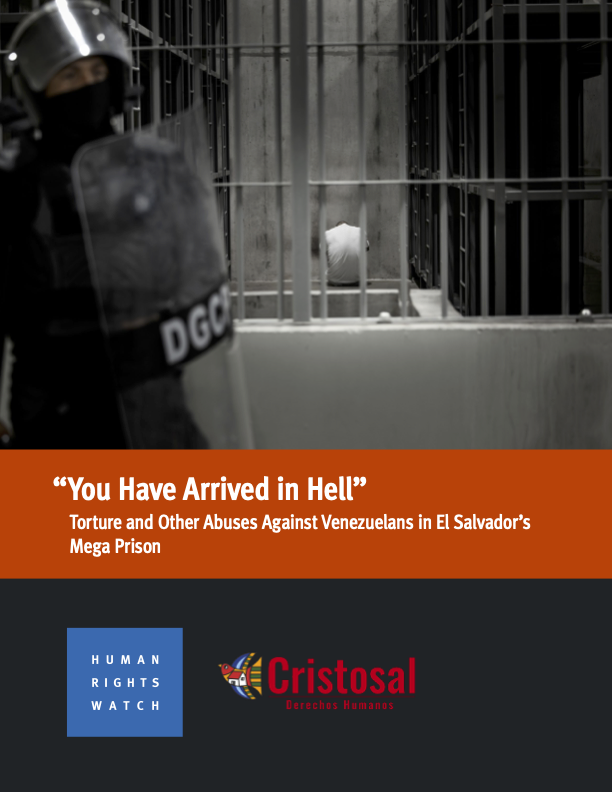
“You Have Arrived in Hell”. Torture and Other Abuses Against Venezuelans in El Salvador’s Mega Prison

By Human Rights Watch

The 81-page report, “‘You Have Arrived in Hell’: Torture and Other Abuses Against Venezuelans in El Salvador’s Mega Prison,” provides a comprehensive account of the treatment of these people in El Salvador. In March and April 2025, the US government sent 252 Venezuelans, including dozens of asylum seekers, to the Center for Terrorism Confinement (Centro de Confinamiento del Terrorismo, CECOT) mega prison in El Salvador, despite credible reports of serious human rights abuses in El Salvador’s prisons. The Venezuelans were subject to refoulement—being sent to where they would face torture or persecution—arbitrary detention, enforced disappearance, torture, inhumane detention conditions and, in some cases, sexual violence.

America’s Incarceration Crossroads: Reversing Progress Amid Record-Low Crime Rates

By Nazgol Ghandnoosh and Sabrina Pearce

The U.S. criminal legal system stands at a crossroads. The United States remains a world leader in incarceration, locking up its citizens at a far higher rate than any other industrialized nation.

Between 1972 and 2009, the number of people imprisoned grew nearly 700%, while crime rates declined dramatically after peaking in 1991. Imprisonment levels slowly scaled back, achieving a 25% decline between 2009 and 2021. Then, the prison population has resumed its growth, according to the most recently available data. The prison population grew in 2022 and in 2023, 39 states increased their prison populations.

The COVID-19 pandemic contributed to a seismic increase in the most serious crime, homicide, which has fortunately declined to pre-pandemic levels. By 2024, homicide rates were 49% lower than their peak level in 1991. Violent and property crime rates overall have reached historic lows: 2024’s violent crime rate was 53% lower than its peak-1991 level and the property crime rate was 66% lower.

While crime rates are at historic lows, Americans deserve greater levels of community safety. A growing number of elected officials at the local, state, and federal levels have moved to overturn successful criminal justice reforms and revert to the failed playbook of mass incarceration, while the federal government has cut funding for important crime-prevention programs. Instead, policymakers should respond to crime upticks with evidence-based responses, while correcting the counterproductive, costly, and cruel responses of the past.

Excessive reliance on imprisonment in the United States is ineffective at addressing crime, diverts resources from effective public safety investments, upends family stability, contributes to trauma, and disproportionately harms communities of color. A vast body of research has established that we can advance community safety while reducing prison admissions as well as scaling back sentences for both those entering prisons and those already there


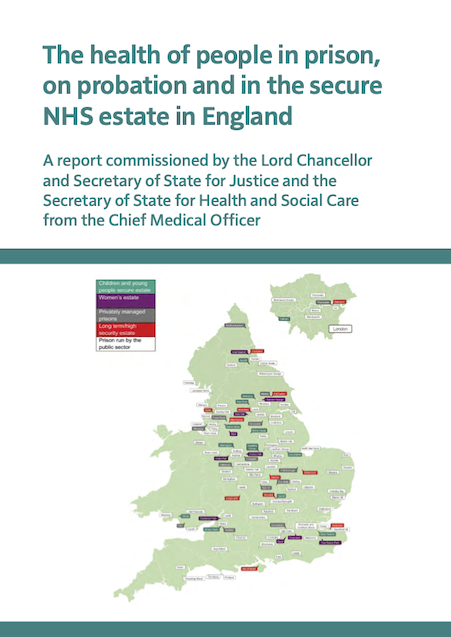
The Health Of People In Prison, On Probation And In The Secure NHS Estate In England

By Chris Whitty,

he aim of this report is to explore the health and healthcare of people in prison and on probation in England and make recommendations to improve these. It combines insights from, and individual chapters authored by: front line professionals working in prisons and the secure estate and in probation; public health professionals; commissioners and policy makers in health and justice; third sector organisations; academics and lived experience experts. These insights were gathered by extensive evidence gathering and stakeholder engagement, albeit by a small team within a defined time frame from September 2024 to July 2025. Regional health and justice teams across prison and probation were invited to share their written experiences and attend roundtables. Additional roundtables and workshops were conducted to explore specific themes such as the health needs and healthcare challenges of people on probation, health workforce and long-term conditions. We are very grateful for the time, enthusiasm and knowledgeable response from prison, probation, NHS and public health staff. Building on previous CMO visits looking at health to the secure estate (including secure mental health hospitals) we visited a further: 15 male and female prisons; 1 young offenders’ institution, 1 secure school and 1 secure children’s home; 1 secure NHS hospital and 4 probation delivery units. These covered all regions of England. During visits we discussed with frontline clinical and operational staff as well as people in prison, prison and probation officers, governors and healthcare leaders and we are very grateful for their time and expertise. In addition to lived experience identified by chapter authors and from group discussions during visits, we worked with the NHS Health and Justice Lived Experience Network and Empowering People: Inspiring Change (EP:IC) lived experience consultancy to bring together themes from existing lived experience engagement relevant to the chapters of this report, including engagement held for the 10 Year Health Plan. This was supplemented with additional lived experience focus groups held with pregnant women currently in prison, with people on probation and recently in prison on topics including the health and care needs of older adults in prison and health improvement in prison. One person with lived experience of the criminal justice system was a member of our steering group and contributed and reviewed all chapters. Lived experience contributions are incorporated throughout chapters in blue panels, practice examples (orange) and case studies (lilac) gathered from engagement are also included to illustrate findings.The development of the report was guided by 2 groups: ■ a stakeholder steering group with representation from UK Health Security Agency, Department of Health and Social Care, HM Prison and Probation Service, Ministry of Justice, NHS England and EP:IC lived experience consultancy ■ a clinical task and finish group chaired by the Royal College of General Practitioners: Secure Environments Group. Attended by front line clinicians and clinical leaders (GPs, nurses, pharmacists, psychologists, psychiatrists, midwives, obstetricians and peer support workers) working in, or with recent experience of, prisons, probation and the secure estateThe ‘children and young people’ chapter was guided by its own steering group with representation from NHS England, Youth Justice Board, Youth Custody Service and clinical advisers. The important challenges of substance misuse in prisons have been extensively explored in the recent independent review by Dame Carol Black published in 2024. For this reason we have not concentrated on this issue in this report and would point people to Dame Carol’s recommendations . Sentencing policy is obviously outside the remit of this report on health, although the implications of long and short sentences on health and healthcare is considered. Any response to the Sentencing Review by the Rt Hon David Gauke 2025 is likely to have an effect on prison and probation health and healthcare2 . While important to this population, it was outside the scope of this review to do an in depth review of social care in prisons. The ongoing independent commission into adult social care should consider the justice population.

TAKING A LIFE. With life sentences, the State of Alabama controls thousands of rehabilitated individuals long past the point of danger, until death. But why?

By Alabama Appleseed

One of Five Incarcerated Alabamians is Serving a Life Sentence

When the Alabama Department of Corrections begins filling up the most expensive prison ever built in the United States, a sprawling $1.2 billion complex in Elmore County, the prison will not come close to housing only the prisoners serving life sentences. This mega prison will have a capacity of 4,000. Yet, more than 6,520 individuals are serving sentences of life with parole, life without parole, or virtual life. Lifers alone could fill the new prison to overflowing, and approximately 15,500 people would remain housed in the violent, dilapidated, understaffed prisons that have the state spending tens of millions in legal fees fighting multiple federal lawsuits while six years of unconstitutional brutality persists.

Alabama relies on long sentences at a higher rate than most of the United States with nearly one in five prisoners serving life sentences. Nationwide, the average is one in seven. A growing body of research shows that incarcerating people for these kinds of extreme sentences is generally unnecessary for public safety because it ignores the irrefutable truth that most people age out of criminality.

Incarcerating older people, many of whom are too feeble to do harm, drains resources that could be devoted to crime prevention or solving crimes, yet laws and parole practices in Alabama have failed to adjust accordingly, as this report will show. 

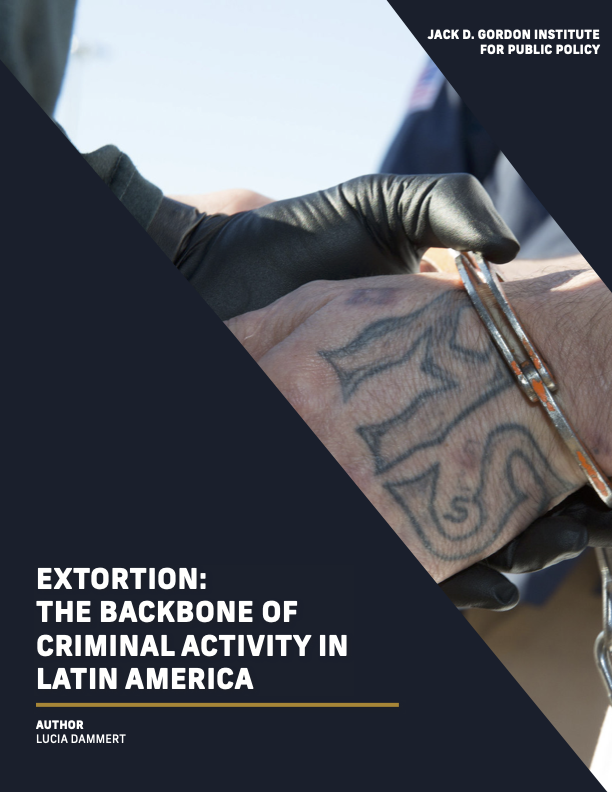
Extortion: The Backbone of Criminal Activity in Latin America

By Lucia Dammert

Extortion is a phenomenon that can be understood from various disciplines, such as economics, criminology, the political sciences, and sociology. Each of these fields of knowledge emphasizes either the system or economic models under which extortionists and victims operate, the short- or long-term relationship sought by establishing simple or complex extortion mechanisms, the political relationship between extortionists and victims, or citizens’ perceptions of the institutional framework, which can serve as a gateway for criminal groups to create ties of protection through extortion. The complexity of extortion, given the different forms it can take and the ease with which it can be confused or linked with other crimes, such as kidnapping or corruption, calls for an open discussion and the establishment of research agendas. This report sheds light on the importance of extortive practices in Latin America. It is based on qualitative research since 2019 that includes 36 interviews of academics, public officials, police, professionals, and victims of extortion in 10 countries,5 along with a review of all official public information and newspapers in five countries during 2019.6 The research also focuses on working groups and reviews official and civil society documents related to extortion as a criminal phenomenon throughout Latin America. The report is part of a long-term research project that focuses on the importance of this criminal activity, its possible links to organized crime organizations, and the policies designed to tackle its impact on businesses and citizens alike.

The report shows that extortive practices are a regionwide trend, albeit with national, specific characteristics. Although it is primarily a non-violent crime, an increasing tendency— specifically linked to practices against women—should make it a priority for the public security agenda. Furthermore, extortion could be depicted as the “perfect crime” since it is hardly reported, let alone investigated. High levels of impunity have allowed for this practice to move into criminal organizations, prisons, and street gangs; also, state officials and even business partners use extortive practices to finance their activities. There is a clear impact on democracy since corruption, fear of crime, and a general sense of freedom from punishment corroborate the idea that there is no rule of law. Efforts toward understanding extortion remain limited and need to take a central role in most national and regional public security policies. 

The Internationalization Of Organized Crime In Brazil

By Valerie Wirtschafter

Over the past three decades, the Primeiro Comando da Capital (PCC) has transformed from a prison gang founded in São Paulo into a transnational criminal “leviathan,” with a presence throughout South America, Africa, and Europe. In response to this growing threat, in 2021 the U.S. government cited the PCC as “the most powerful organized crime group in Brazil and among the most powerful in the world.” What can we expect from the PCC moving forward? And how might policymakers stall this international expansion?In the coming year, the PCC will likely continue to vie for dominance in strategic areas of contested control throughout Brazil and look for opportunities to consolidate gains abroad. Confrontation with rival groups, including the Comando Vermelho (CV), born in the Rio de Janeiro prisons, and its allies in areas such as the Amazon, is also likely to continue. This is particularly the case due to the region’s importance for drug smuggling

The New Art Forgers

By Katrina Geddes

The “substantial similarity” between a copyrighted work and an unauthorized derivative has formed the bedrock of copyright infringement jurisprudence since the mid-nineteenth century. Recent technological developments, however, are destabilizing these conceptual foundations. In May, the Copyright Office suggested that the use of copyrighted works to train AI models may constitute infringement even if model outputs are not “substantially similar” to model inputs if they nevertheless “dilute the market” for similar works. One month later, Judge Chhabria of the Northern District of California argued that AI outputs do not have to be “substantially similar” to copyrighted training data in order to be infringing. The plaintiff’s incentives are sufficiently harmed, Judge Chhabria argued, when the market is flooded with “similar enough” AI-generated works.

These developments should be read as early warning signs of a disturbing doctrinal shift from “substantial similarity” to a new and dubious threshold for actionable infringement: “substitutive similarity”, where the substitutability of the defendant’s work, rather than the similarity of protected expression, provides the cause of action. This novel theory of harm, if widely adopted, would impose dangerous restrictions on downstream creativity. Any new work that was “similar enough” to existing works would be treated as potentially infringing, despite the absence of substantially similar expression. This would corrupt what is essentially a question of fact – whether the defendant copied “enough” of the plaintiff’s work to constitute unlawful appropriation – with deontic considerations of the wrongfulness of free-riding.

At the same time, artists are understandably rattled by the speed and scale of AI generation. AI models can produce “new” works in the style of established artists in a matter of seconds, dramatically undercutting the market for their work. AI style mimicry makes it difficult for artists to control their personal brands and for consumers to locate authentic works by their favorite artists. Copyright is responsible for protecting artists’ creative incentives, but its legal tests were not designed to handle the scale of imitation enabled by AI.

This Article offers a way out of this jurisprudential morass. Instead of lowering the burden of proof for infringement, Congress should strengthen the attribution rights of existing creators. Low-protectionists have long advocated for attribution rights as a way of protecting authors’ interests without expanding the scope of their economic entitlements. Proper attribution allows creators to capture the full reputational benefits of their labor without stifling downstream creativity. For example, Congress could enact an AI-specific attribution right that requires the disclosure of copyrighted training data in output metadata. This would mitigate the labor-displacing effects of generative AI by directing consumers to the original creators of a popular style or aesthetic.

Generative AI places copyright jurisprudence at a critical crossroads. Indulging Judge Chhabria’s novel theory of harm would effectively inaugurate a new standard for infringement – “substitutive similarity” – that would stifle not just AI innovation but human creativity more broadly. The stakes for protecting free expression through careful guardianship of longstanding doctrine could not be higher. This Article guides readers through this critical inflection point with new terminology for the jurisprudential lexicon as well as practical proposals for reform.