Open Access Publisher and Free Library
HUMAN RIGHTS.jpeg

HUMAN RIGHTS

Human Rights-Migration-Trafficking-Slavery-History-Memoirs-Philosophy

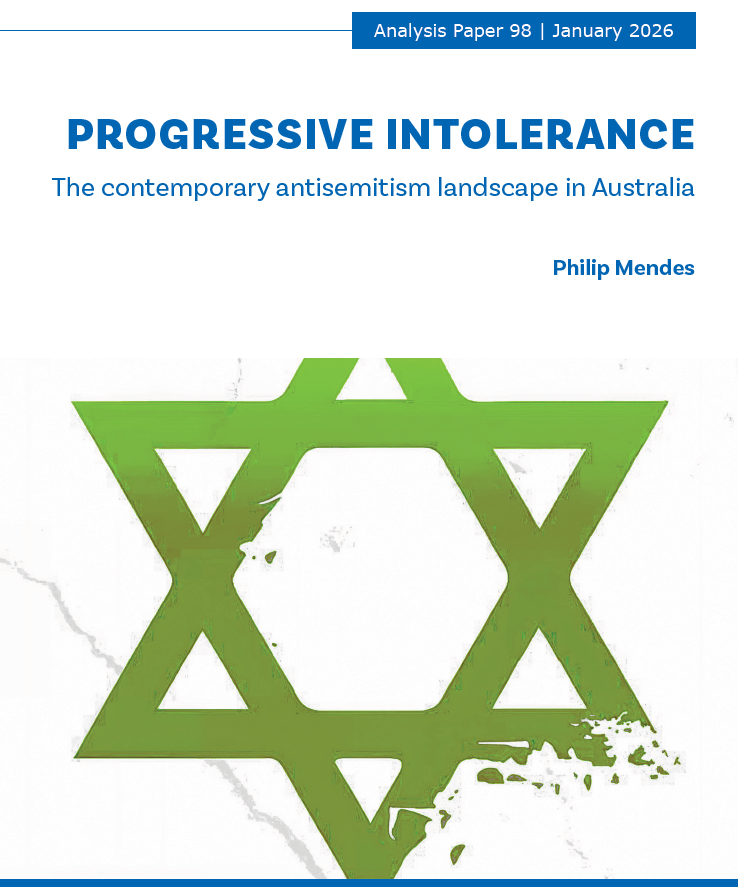
Progressive intolerance: the contemporary antisemitism landscape in Australia

By Philip Mendes

The paper describes the emergence of antisemitism as a defining characteristic of significant sectors of Australia’s self-described ‘progressive’ institutions. It argues that antisemitism is rife in institutions such as universities, schools, the arts, trade unions, human rights and civil liberties bodies and the media – and predominant among younger Australians.

The paper documents a systematic pattern of hostility toward Jews going far beyond legitimate criticism of Israeli government policy. It presents case studies of pro-racist groups and activities, and of a bystander approach. The paper outlines three steps towards a best practice anti-racist response of zero tolerance.

A combination of universal and targeted education among other strategies are needed to prevent antisemitism becoming embedded longer-term within key sections of Australian society. The paper identifies mandatory education is badly needed both within all secondary schools – public, private and faith-based – and universities to directly counter antisemitic arguments that are prevalent and currently uncontested.

Australian policymakers attempting to combat manifestations of antisemitic intolerance will need to take a long-term approach given the ingrained nature of the racist and illiberal views within sections of academia and the wider community.

Key findings

The levels of antisemitic incidents in Australia are unprecedented, reaching a high in 2024 rising sharply after the October 7 massacre of innocent Jews in southern Israel in 2023.

Incidents range from systemic vilification in universities and trade unions, to extreme acts of violence.

There is a major generational divide between older Australians who are less likely to hold antisemitic views, and younger Australians aged 18 to 24 years who are more likely to hold negative views concerning Zionism, Israel and Jews generally.

Key recommendations

Exclude antisemites from Australia's immigration admission processes.

Prevent hate speech.

Interventions within educational institutions to stop young Australians absorbing racist ideas.

Centre for Independent Studies, 2026. 30p.


Bail Reform at Five Years: Pretrial Decision-Making in New York State

By Michael Rempel, Olive Lu, & Sarah Monaghan

In January 2020, New York’s landmark bail reform law went into effect. This report provides a definitive examination of how bail reform reshaped the pretrial landscape after five full years of implementation. Covering all regions of the state, and drawing on court data from 2018 to 2024 (spanning pre- and post-reform timeframes), the report examines bail reform’s impact on:

  • Pretrial Decision-Making at Arraignment: Rates of release on recognizance, supervised release, bail, and pretrial detention; and estimated numbers of cases not resulting in pretrial detention due to changing practices under bail reform.

  • Affordability of Bail: For cases that continue to be assigned bail, median bail amounts, bail posting rates, and judges’ use of “alternative” payment methods (partially secured bonds and unsecured bonds) that legislators intended to ease people’s ability to pay.

  • Racial and Ethnic Disparities: Disparities among Black, Hispanic, and white people in judges’ rates of continuing to set bail or remand people directly to jail.

  • Three Rounds of Bail Amendments: Effects of amendments respectively put into effect in July 2020, May 2022, and June 2023 (entailing a first-ever analysis of the 2022 and 2023 amendments).

New York: Data Collaborative for Justice, 2026. 47p.

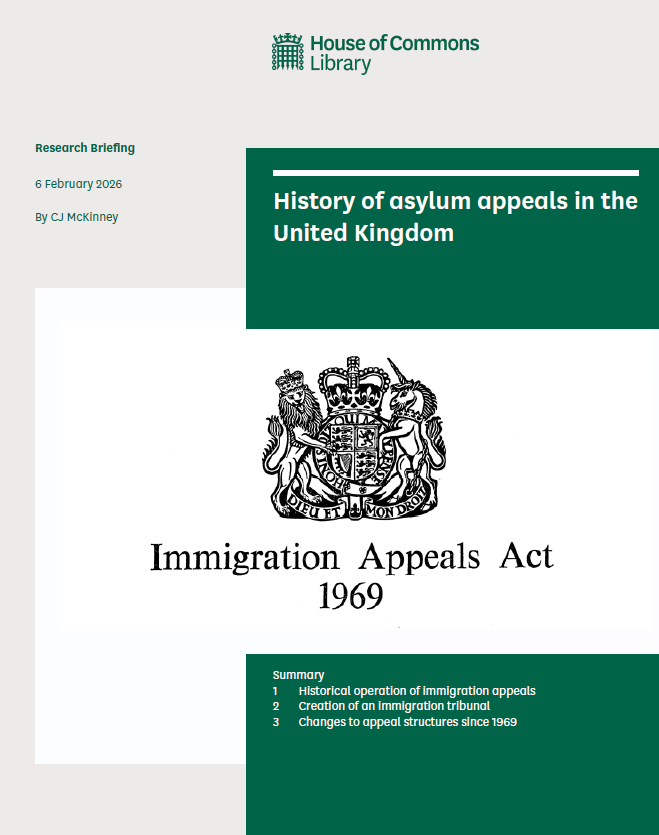
History of asylum appeals in the United Kingdom

By C.J. McKinney

In 2025, the government announced that it intends to make changes to asylum appeals.1 These would include a new appeals body staffed by adjudicators, replacing the current First-tier Tribunal staffed by immigration judges.2 This briefing examines previous changes to the structure of asylum appeals over the years. A September 2025 briefing by Amnesty International captures the main shifts: In May 1969, Parliament created a two-tier system to deal with appeals against various Home Office decisions. Appeals were generally made to and decided by people called adjudicators. If permission was granted, an adjudicator’s decision could be appealed, including by the Home Office, to the Immigration Appeal Tribunal. This two-tier appeals system was later formally constituted as the Immigration Appellate Authority (IAA). The rules governing appeals procedures were made by the Home Secretary, a power which was later transferred to the Lord Chancellor. On 4 April 2005, the IAA was replaced by the Asylum and Immigration Tribunal (AIT). The change involved changing the title of the people who decided appeals from adjudicators to judges. The change gave the appearance of merging a two-tier system into one. However, the system remained two-tier. If permission was granted, a more senior judge could review a decision of the first tier of that system. This process was called reconsideration rather than appeal but was essentially the same. On 15 February 2010, the AIT was abolished, and its functions passed to the current appeals body. The change involved moving the judges from the AIT to the current body. The second tier of this body (the Upper Tribunal) has a higher status making it more difficult to seek judicial review of its decision to refuse permission to appeal against a decision of the first tier (the First-tier Tribunal). This appeals body also has more independence from government, including over the rules that govern the appeals for which it is responsible. 3 This briefing goes into more detail on all these developments. It does not cover changes to the substance of appeal rights over time; these are For general context: claims for asylum are usually based on the United Nations Refugee Convention, which the UK has ratified.summarised in a 2019 report of the Joint Committee on Human Rights. 

London: UK Parliament, House of Commons Library 2026. 16p.

Ending female genital mutilation: A call to action

By  Rosamund SHREEVES 

The International Day of Zero Tolerance for Female Genital Mutilation (FGM) on 6 February is an occasion to raise awareness and call for further action to end this practice that puts an estimated four million girls at risk of severe harm every year. The available data shows that there are also survivors of FGM or potential victims in at least 16 EU Member States. The EU supports international efforts to end FGM and has made preventing and combating it a key part of its strategies on women's and children's rights. The European Parliament, which has been raising awareness and pushing for firm action on FGM since 2001, spearheaded provisions on criminalising FGM as a standalone offence and providing specialist support for victims in new EU legislation on combating violence against women, which Member States must transpose into national law by June 2027. Looking ahead, while the number of countries with legislation prohibiting FGM has increased and there has been some success in changing social norms, progress is not a given. The United Nations and civil society organisations are flagging an urgent need to step up collective action and sustain investment if the internationally agreed target of eliminating FGM by 2030 is to be reached. At EU level, the preparation of the next long-term EU budget, action plan for gender equality, and implementation of the EU gender equality strategy for 2026-2030 will provide openings to build and expand on the action taken to date.

EPRS | European Parliamentary Research Service, 2026. 4p.

Anti-money laundering and counter-terrorist financing measures - Brazil. Mutual Evaluation Report

By FATF/OECD - GAFILAT 

This report summarises the AML/CFT measures in place in Brazil as at the date of the on-site visit, 13-31 March 2023. It analyses the level of compliance with the FATF 40 Recommendations and the level of effectiveness of Brazil’s AML/CFT system, and provides recommendations on how the system could be strengthened. Key Findings a) Brazil has a strong domestic coordination mechanism to address risks from money laundering, ENCCLA. Brazil has built a legal and structural framework largely enabling competent authorities to prevent and combat ML. More recently, Brazil has also improved its framework to fight terrorist financing (TF) by passing legislation criminalising the offence and enabling implementation of targeted financial sanctions (TFS). Informed by the longstanding coordination within ENCCLA and a National Risk Assessment conducted in 2021, authorities have shared and robust understanding of national ML threats, namely, corruption, drug trafficking and organised crime, environmental crimes, and tax crimes. There is a precise understanding of the ML risks and vulnerabilities linked to most threats— including informal and illicit value transfers, misuse of cash, and front companies—however, there is a lack of depth in the understanding of financial flows linked to environmental crimes. b) Through ENCCLA, since 2003, Brazil has developed and refined policies to tackle many of its higher ML risks, particularly those stemming from corruption. Brazil has taken many steps to address other higher risk areas, however, these actions are taken without longer-term, comprehensive strategies, which results in occasional disjointed efforts and misalignment of objectives and priorities (such as ML from environmental crimes where interagency cooperation is growing but limited, and where some keyauthorities lack sufficient resources). At times, structural issues inhibit effective coordination in combatting ML/TF, including cooperation between police and prosecution offices and resources to handle the complex criminal justice system. In addition, the tax authority (RFB) has a central role in the AML/CFT system given that it controls access to many pieces of relevant information, but legal obstacles frustrate its full ability to assist other authorities in tackling ML/TF and its own AML/CFT activities are not adequately prioritised. c) Brazil has successfully prosecuted high-end cases of ML, including from corruption, reflecting the capacity to conduct financial investigations and the development of supportive institutional structures. Despite important successes, there is a mismatch between the investigative input and the results seen in terms of prosecutions and convictions. Structural issues have a major impact. Among other things, ML proceedings take too long due to appeals and when convictions are obtained, sometimes a decade or more after charges, and the sanctioning regime needs major improvements. Criminal assets are generally identified and temporarily seized, and in some major cases Brazil was able to recuperate large sums of criminal money; however, there was not sufficient evidence of final confiscation and asset recovery is mainly accomplished through agreements. While there is highlevel commitment to fighting ML/TF, the resources available to competent authorities are largely insufficient, particularly those of COAF and prosecutors. Lack of resources hinders the production of deeper financial intelligence to identify a larger number of complex ML schemes and frustrate efforts to trace criminal financial networks. d) Brazil is committed to fighting terrorism and terrorist financing and has an improving understanding of its TF risks including those stemming from farright extremism. While it has expertise to investigate TF activity, the legal framework in place and the corresponding view of the authorities hinder successful prosecutions. The authorities are not always well coordinated to identify, prosecute, or prevent TF. The framework to implement targeted financial sanctions without delay for TF and proliferation financing is in place, although it remains largely untested at the time of the onsite visit as no designations had been made by Brazil and no funds or assets were frozen. Sanctions implementation by the private sector is improving particularly in the financial sector, thanks to the supervisory activity of the Central Bank of Brazil (BCB), and more slowly in other sectors. There is a lack of interagency coordination on issues related to the financing of proliferation and guidance is needed for the private sector. NPOs are not yet subject to risk-based measures specifically to prevent TF. e) As a major regional and global economy, Brazil has a large and diverse universe of financial and non-financial sectors with increasing sophistication. BCB is the key supervisor for the most material financial institutions and its long-standing risk-based activities have contributed to significantly improve the ability of financial institutions to detect and prevent ML and TF, particularly the largest ones. With few exceptions, other supervisors have not been able yet to take sufficient measures to ensure sufficient implementation of the AML/CFT framework. At the time of the on-site visit, some activities remained unregulated, notably those of lawyers and virtual asset service providers, leaving serious vulnerabilities. f) The misuse of companies is a feature in many ML schemes and Brazil has been able to detect abusers in many cases by using the information available through REDESIM to map out the company structure. Brazil has also created a requirement for companies to provide beneficial ownership (BO) information to RFB, however, this database is largely unpopulated. Moreover, declaratory BO information is considered by law to be “tax secret,” which means that LEAs need to request a court order to obtain it and that COAF and other administrative authorities (including those involved in the fight against corruption) cannot access it for their analysis. g) Brazil generally cooperates well in ML/TF areas with its international partners. As many ML schemes include the sending of money abroad, LEAs and COAF are very proactive in seeking assistance to obtain information and restrain criminal assets. As a major financial centre, Brazil also receives requests for cooperation from abroad, and competent authorities provide high quality assistance, with soon-site visit, some activities remained unregulated, notably those of lawyers and virtual asset service providers, leaving serious vulnerabilities. f) The misuse of companies is a feature in many ML schemes and Brazil has been able to detect abusers in many cases by using the information available through REDESIM to map out the company structure. Brazil has also created a requirement for companies to provide beneficial ownership (BO) information to RFB, however, this database is largely unpopulated. Moreover, declaratory BO information is considered by law to be “tax secret,” which means that LEAs need to request a court order to obtain it and that COAF and other administrative authorities (including those involved in the fight against corruption) cannot access it for their analysis. g) Brazil generally cooperates well in ML/TF areas with its international partners. As many ML schemes include the sending of money abroad, LEAs and COAF are very proactive in seeking assistance to obtain information and restrain criminal assets. As a major financial centre, Brazil also receives requests for cooperation from abroad, and competent authorities provide high quality assistance, with so on-site visit, some activities remained unregulated, notably those of lawyers and virtual asset service providers, leaving serious vulnerabilities. f) The misuse of companies is a feature in many ML schemes and Brazil has been able to detect abusers in many cases by using the information available through REDESIM to map out the company structure. Brazil has also created a requirement for companies to provide beneficial ownership (BO) information to RFB, however, this database is largely unpopulated. Moreover, declaratory BO information is considered by law to be “tax secret,” which means that LEAs need to request a court order to obtain it and that COAF and other administrative authorities (including those involved in the fight against corruption) cannot access it for their analysis. g) Brazil generally cooperates well in ML/TF areas with its international partners. As many ML schemes include the sending of money abroad, LEAs and COAF are very proactive in seeking assistance to obtain information and restrain criminal assets. As a major financial centre, Brazil also receives requests for cooperation from abroad, and competent authorities provide high quality assistance, with some improvements needed in extradition and the speed of responses.

Paris, FATF, 2023. 354p.

Trade-Related Illicit Financial Flows in the Western Hemisphere, 2013-2022

By Jeffry A. Collins

Cryptocurrencies and Financial Crimes: The Role of Decentralized Cryptocurrency in Facilitating Money Laundering and the Challenges Posed on Anti–Money Laundering Regulations, 

By Jeffry A. Collins

This research examines the role of decentralized cryptocurrencies in facilitating money laundering and the challenges they pose to Anti–Money Laundering (AML) regulations through literature review and regulatory analysis. The study reveals that the decentralized, anonymous, and borderless nature of cryptocurrency enables illicit activities via cryptocurrency ATMs, mixing services, and decentralized exchanges (DEXs). For over a decade, the same regulatory problems persist today as were present at the inception of cryptocurrencies. Current AML frameworks, such as the Bank Secrecy Act and the Money Laundering Control Act, are inadequate for this decentralized ecosystem. The analysis critiques the fragmented efforts of U.S. regulatory agencies, identifying enforcement gaps and inconsistencies. To address these vulnerabilities, the paper proposes three solutions: mandating privacy–preserving technologies like zero–knowledge proofs for mixing services, requiring decentralized identity solutions for cryptocurrency ATMs and DEXs, and enhancing public education oncryptocurrency risks and safe practices. The study concludes with an urgent call for comprehensive regulatory reforms and educational initiatives to balance innovation, privacy, and security while combating money laundering in the cryptocurrency sector.

34 U. MIA Bus. L. Rev. 71 (2025).

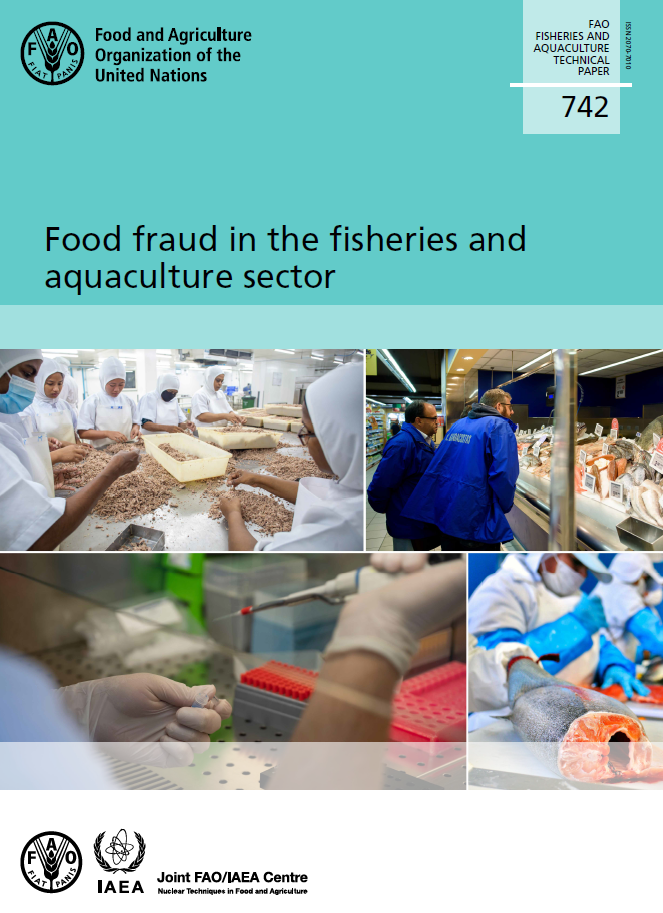
Food fraud in the fisheries and aquaculture sector

By The Food and Agriculture Organization of the United Nations (FAO)

The Food and Agriculture Organization of the United Nations (FAO) and the International Atomic Energy Agency (IAEA) have worked together to provide an overview of the common food fraud cases in the aquatic sector and the associated health risks. The report resulting from this collaboration provides information on tools that can be used to fight food fraud for aquatic products, and international case studies illustrate the scope and impact of fraud. The report reviews regulatory frameworks as well as standards such as those set by Codex Alimentarius, FAO guidelines, and GFSI‑benchmarked schemes, advocating for harmonized labelling, mandatory scientific names, and improved traceability. It emphasizes the role of consumer awareness and industry transparency in combating fraud.

Fisheries and Aquaculture Technical Paper, No. 742. Rome.

The Food and Agriculture Organization of the United Nations (FAO)2026. 179p.

Waste Crime and Trafficking Re-Punished for the Past: How Criminal Records Increase Prison Terms and Racial Injustice

By Nazgol Ghandnoosh, Bobby Boxerman and Celeste Barry
Prior criminal records account for a large share of already lengthy prison sentences, often adding years or even decades to sentences, without evidence of community safety benefits.

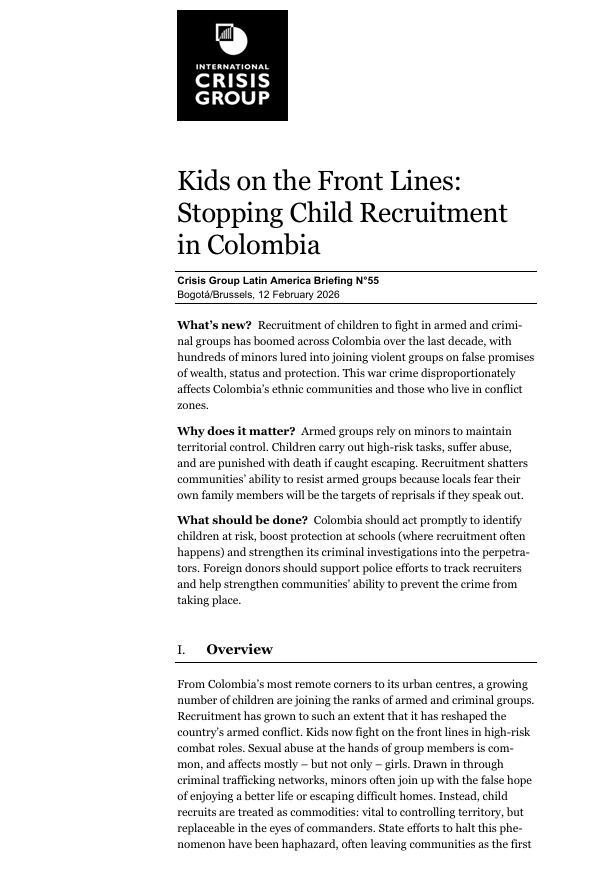
What’s new? Recruitment of children to fight in armed and criminal groups has boomed across Colombia over the last decade, with hundreds of minors lured into joining violent groups on false promises of wealth, status and protection. This war crime disproportionately affects Colombia’s ethnic communities and those who live in conflict zones.

Why does it matter? Armed groups rely on minors to maintain territorial control. Children carry out high-risk tasks, suffer abuse, and are punished with death if caught escaping. Recruitment shatters communities’ ability to resist armed groups because locals fear their own family members will be the targets of reprisals if they speak out.

What should be done? Colombia should act promptly to identify children at risk, boost protection at schools (where recruitment often happens) and strengthen its criminal investigations into the perpetrators. Foreign donors should support police efforts to track recruiters and help strengthen communities’ ability to prevent the crime from taking place.

International Crisis Group, 2026, 28p.

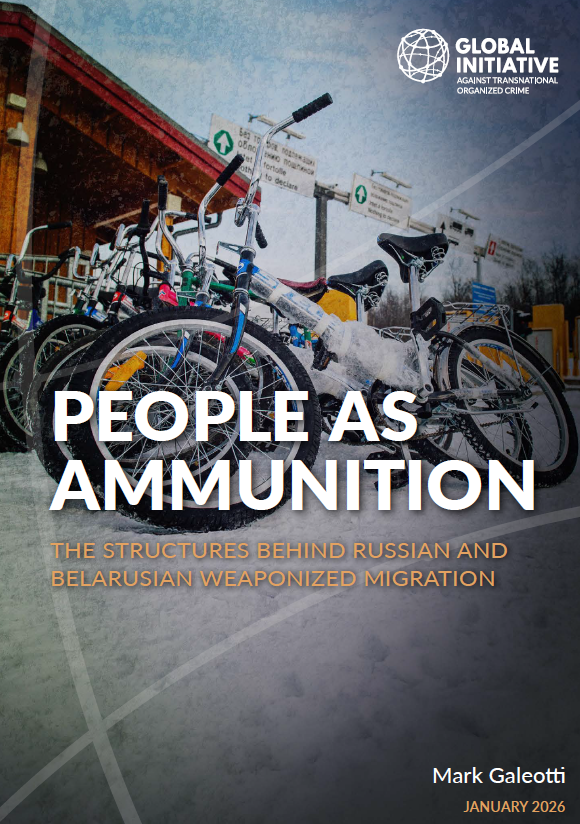
People as ammunition. The structures behind Russian and Belarusian weaponized migration

By Mark Galeotti

Weaponized migration, which is sometimes called instrumentalized migration or coercive engineered migration, is by no means a new challenge, but it is one that is arguably easier to apply in the modern age of cheap and easy international travel and growing awareness of the wealth and security disparities across the globe. It is also more likely to have local and widespread political impacts within democratic governments with free media.

This report considers particular case studies from the Russian–Finnish border in 2015 and, especially, the Belarusian borders with Poland and Lithuania in 2021, and Russia’s with Finland and Norway in 2023/24. In subtly different ways, these were all examples of attempts to use weaponized migration to bring pressure to bear on the target countries, in the hope of influencing their leaderships by generating division, disruption and costs, both practical and political. They certainly all proved problematic and, although there is scope for serious debate as to whether they were ultimately effective or counter-productive, the consensus appears to be that both Minsk and Moscow were left with the sense that, in the short term at least, weaponized migration remained a viable tool within their ‘hybrid war’ toolbox.

Given the scope for the renewed use of this tool by Belarus and, especially, the Russian Federation, as well as its potential use by other nations such as Türkiye, which has already employed it, European societies in particular must consider the contexts in which it can be used against them in the future and potential responses. This report, therefore, concludes with future scenarios for the weaponization of migration, ranging from facilitating flows from North Africa to the online encouragement of would-be asylum seekers, as well as a range of recommendations for both the EU and individual states, ideally that do not simply depend on a dangerous ‘Fortress Europe’ approach.

Global Initiative against Transnational Organized Crime (GI-TOC) , 2026.

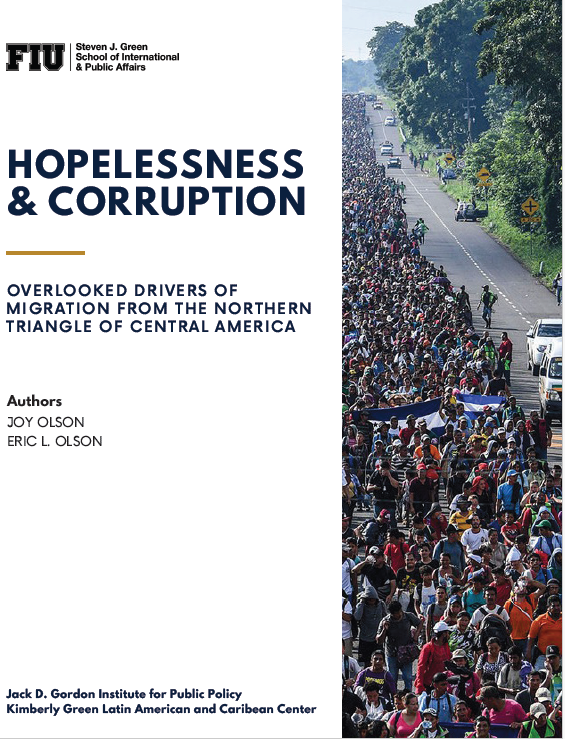
HOPELESSNESS & CORRUPTION OVERLOOKED DRIVERS OF MIGRATION FROM THE NORTHERN TRIANGLE OF CENTRAL AMERICA 

By JOY OLSON and ERIC L. OLSON

This paper analyzes the drivers of migration hypothesizing that persistent government failure driven in large part by corruption produces a sense of hopelessness among Central Americans that contributes to and propels their decision to migrate. Traditionally, corruption and its contribution to hopelessness have not been studied as drivers of migration. The authors conclude that addressing weak governance and corruption helps create a national context in which individuals can see a future in their own country. Central Americans from the Northern Triangle countries have a complex set of motivations for migration. Traditionally studied push factors include poverty, violence and natural disasters. Pull factors include economic opportunity/upward mobility, protection, and family reunification. The weight given to each factor is as varied as the number of people migrating. The intention to migrate is often based on one’s calculation of personal challenges and opportunities. Decisions are also influenced bylarger social, political, and economic factors. While it is an individual that migrates, it is their experience within their community and nation that informs their decision. Contextual factors contributing to migration include respect for human rights, governance and corruption. The State Department’s human rights reports paint a clear picture of the deplorable human rights situation in each Northern Triangle country and highlights the high level of impunity and, conversely, low expectations for justice that the majority can expect from their governments and justice systems. According to surveys of both experts and individuals, government corruption and/or the perception of corruption is widespread and endemic across the Northern Triangle. Weak governance can be the result of poor planning, lack of resources, and limited workforce capacity, but in many instances, it is also the result of corruption. While more research is needed, the thrust of the studies cited suggest that corruption can be both a direct and indirect driver of migration. The authors identify hopelessness as contributing to migration from the Northern Triangle. Since little research has been done in this area, proxies like Subjective Wellbeing (SWB) are considered. Hope, optimism, and SWB are concepts based not only on personal experience, but on one’s interaction with and perceptions of broader society. One’s experience with endemic corruption can contribute to a sense hopelessness. The authors argue that endemic corruption in Central America, and the destruction of mechanisms to control corruption, undermine peoples’ confidence in government and contribute to a lack of hope that their lives will improve. While the work done to date is insufficient to establish direct correlations. If the citizens of Central America believe that good governance and anti-corruption measures can be successful and see the results of such efforts reflected in improved healthcare, education, access to education, and justice, it could improve theirlives will improve. While the work done to date is insufficient to establish direct correlations. If the citizens of Central America believe that good governance and anti-corruption measures can be successful and see the results of such efforts reflected in improved healthcare, education, access to education, and justice, it could improve their sense of hope for the future and improve feelings of SWB thus lessening an underlying push factor from Central America. More must be done to address government corruption in the region and to learn about the relationship of hopelessness to migration.

Miami: jack D. Gordon Institute for Public Policy. Florida International University,  2021.

The Obligation To Prevent Genocide

By Patrick Butchard, Philip Loft

Genocide is a crime under international law, according to the United Nations General Assembly. The 1948 Genocide Convention, which has 153 parties requires party states to punish those responsible for genocide. The convention also requires states to prevent genocide from occurring. While it does not set out how they must do this, judgments on cases before the International Court of Justice (ICJ) have clarified some details of the obligation. What are a state’s obligations in international law? Judicial decisions from the International Court of Justice suggest that: • States are required to try to prevent genocide, but they do not breach their obligation if they fail. – They must still try even if they think their actions will not succeed

– What counts as a reasonable attempt at preventing genocide will depend on a state’s circumstances. • States must take action to prevent genocide as soon as they become aware there is a serious risk of it. • Genocide must actually occur for a state to be in breach of its obligation to prevent it. • Measures to prevent genocide might include engaging with bodies of the UN, such as the Security Council, or directly with other states. • States are unlikely to be allowed under international law to use military force against another state in an attempt to prevent genocide.

London: UK Parliament House of Commons Library, 2026. 25p.

International Abolitionist Advocacy: The Rise of Global Networks to Advance Human Rights and the Promise of the Worldwise Campaign to Abolish Capital Punishment 

By John D. Bessler

The modern international human rights movement began with the U.N. Charter and the U.N. General Assembly’s adoption of the Universal Declaration of Human Rights. Although the movement to abolish the death penalty is rooted in the Enlightenment, global advocacy to halt executions and to abolish capital punishment has accelerated exponentially in recent decades. This Article discusses the origins of global networks to advance human rights and highlights the growing international advocacy, including by nation-states and nongovernmental organizations (“NGOs”), for a worldwide moratorium on executions and to abolish capital punishment altogether. The total number of countries conducting executions in the past few decades has declined dramatically, putting retentionist states, such as China, Iran, Saudi Arabia, Iraq, North Korea, and the United States, in an increasingly isolated position in the international community. Many nations now even refuse to extradite criminal suspects without assurances that the death penalty will not be sought. With more than 90 countries having already ratified or  Covenant on Civil and Political Rights (“ICCPR”), aiming at theabolition of the death penalty, and with scores of domestic and international NGOs now actively promoting abolition, the global movement to abolish capital punishment has made significant strides and holds tremendous promise, though much more work remains to be done. This Article highlights the path forward for advocates seeking the death penalty’s abolition in law—and de facto—across the globe, with a focus on international law and classifying the use of capital prosecutions, death sentences, and executions as acts of torture and clear violations of fundamental human rights. In particular, the Article discusses advocacy efforts before the United Nations, highlights the role of NGOs in leading that effort, and advocates for the recognition of a peremptory.

 34 MINN. J. INT'L L. 1 (2025).

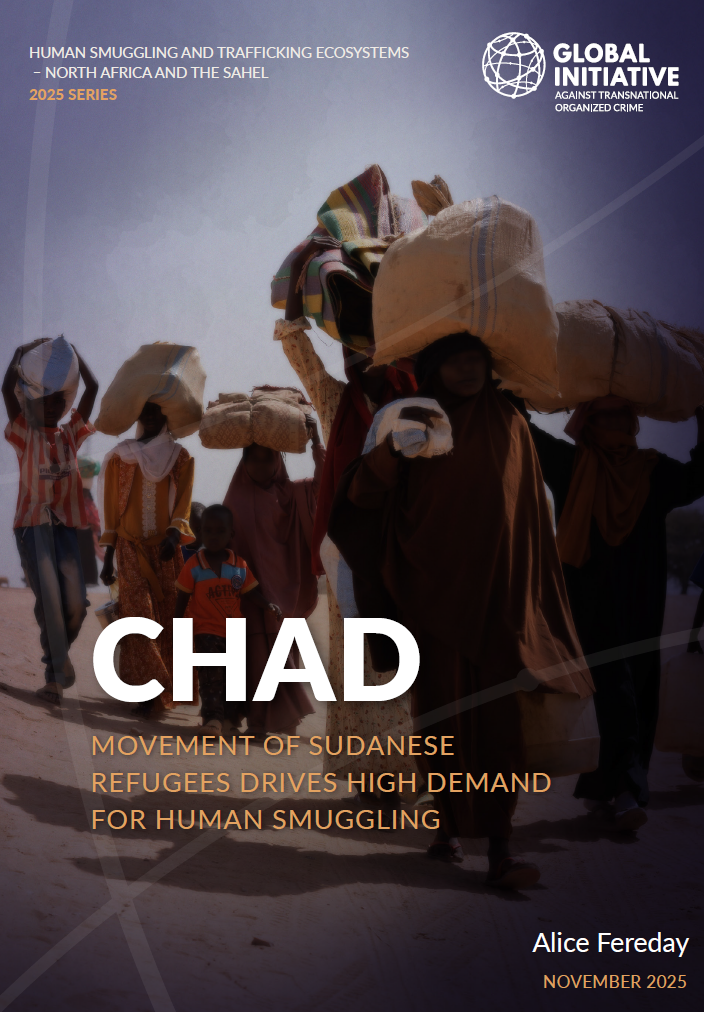
Chad: MOVEMENT OF SUDANESE REFUGEES DRIVES HIGH DEMAND FOR HUMAN SMUGGLING

By Alice Fereday

Chad’s role as a departure and transit country for northbound migration to North Africa and Europe is often overlooked, particularly in comparison to neighbouring Niger and Sudan. However, the country’s position at the crossroads of routes connecting central and eastern Africa to Libya and Niger makes it a significant transit corridor for regional migration, and its role as a bastion of relative stability in an increasingly volatile region has further increased its importance in recent years. Since 2023, the conflict in Sudan and a major influx of refugees into Chad have further shaped these mobility dynamics, making the country a major destination and transit point for Sudanese refugee displacement in the region. At the same time, Chad is navigating a fractious and contested political transition. Political violence escalated in 2024 and remains an important source of tension and political instability. The combination of these complex internal and regional dynamics, and their impact on human smuggling dynamics, make Chad a key country to monitor. A major component of human smuggling dynamics in Chad is internal movements to the country’s northern goldfields. These mobility patterns have typically been shaped by internal factors, including political instability, rebel activity and gold mining.1 This changed in 2023 with the outbreak of the conflict in Sudan and the massive influx of refugees and returnees into eastern Chad. Though northbound movements were temporarily hindered by this shift, which resulted in a relative decrease in demand for northbound travel from eastern Chad in the early months of the conflict, by the end of 2023 human smuggling had picked up again as many Sudanese began leaving refugee camps with the intention of travelling to northern Chad, Libya, Niger and Tunisia, often with the help of smugglers.2 In 2024, these movements escalated further and human smuggling between eastern and northern Chad saw significant growth, due in large part to increasing demand among Sudanese refugees for travel to northern Chad and Libya. However, the movement of Sudanese refugees through Chad also involved travel to Niger via N’Djamena or northern Chad. Northbound movements in Chad were also driven by increasing demand for travel to the Kouri Bougoudi goldfield. The flow of prospective gold miners, which began after the goldfield reopened at the end of 2022, was also facilitated by decreased restrictions on northbound travel as risks of rebel incursions in northern Chad remained contained in 2024. This encouraged the activities of passeurs, who catered to increasing demand for northbound travel, particularly from eastern Chad.Overall, Chad recorded progressively increasing movement levels in 2024 compared to previous years, presaging its emergence as an important space to watch for migrant and refugee movement, and associated protection risks. This is the latest GI-TOC monitoring report on human smuggling in Chad. It builds on a series of annual reports – issued since 2019 – which track the evolution of human smuggling in Chad and the political, security and economic dynamics that influence it

CHAD. FEAR OF REBELLION CONTINUES TO AFFECT HUMAN SMUGGLING ACTIVITY

By Alice Fereday ̵and Alexandre Bish

Human smuggling in Chad mostly involves northbound movements linking southern and eastern areas of the country to the north, in particular the gold mining areas in the Tibesti mountains, and to Libya. As a result, these dynamics are often connected to and impacted by the situation in northern Chad, where decades of political unrest, successive rebellions, intercommunity conflict, and deeply entrenched illicit economies and transnational organized crime dynamics are key factors of instability. Chadian authorities have long responded to these risks through securitization, including, in recent years, tight control over key routes and hubs, and a ban on travel to the north, further increasing demand for smuggling services among Chadians travelling to the goldfields or further afield to Libya, and in some cases, Europe. In 2022, human smuggling activity in Chad continued to be heavily affected by the political and security developments that followed the incursion led by the Front pour l’Alternance et la Concorde au Tchad (Front for change and concord in Chad – FACT) and ensuing death of President Idriss Déby, the country’s long-time leader, in April 2021. This upheaval interrupted what had been a broader rise of human smuggling from and through Chad, which, despite being illegal, had increased since 2016. This rise was in part due to the displacement of smuggling routes from Niger and Sudan, following anti-smuggling interventions in those two countries, which led to the use of Chad as a transit hub for human smuggling networks. Despite the displacement of routes, the number of migrants transiting the country still paled in comparison to the numbers that continued transiting Sudan and Niger. The most significant human smuggling itinerary in Chad remains the transport of migrants, both Chadian and foreign, to the gold mining economy along the country’s northern border with Libya. Since their discovery in 2012 and 2013, goldfields in the north have developed into major economic hubs attracting mostly poor migrants from across the region. The COVID-19 pandemic and linked travel restrictions in 2020 had little impact on movement to the goldfields. Rather, following the October 2020 ceasefire in Libya, the arrival of former mercenaries previously engaged in Libya to Kouri Bougoudi resulted in an uptick in gold mining, which in turn fuelled demand for workers. This development caused a surge in the movement of Sudanese and Chadian miners towards the goldfield since mid-2020.


A "wicked problem" - Seeking human rights-based solutions to trafficking into cyber-scam operations in South-East Asia

By the United Nations.  High Commissioner for Human Rights

UN Human Rights is calling urgent attention to the continuing and critical need for a human rights solution to a particularly “wicked problem” - the complex crisis of trafficking in persons, slavery and other serious human rights violations and abuses that are taking place in South-East Asia in the context of extensive criminal operations set up to perpetrate cyber-enabled fraud. This report centers the lived experience of victims subjected to abuses within these scam operations and who in many cases continue to suffer human rights harms after their release. Through a behavioural science and systems analysis lens, the report also seeks to understand the barriers and enablers that lead victims into these operations through fraudulent recruitment pathways. The report concludes with key messages which call on States, and where relevant other stakeholders, to ensure a human rights-based response to this multidimensional issue, placing the rights, dignity, safety, and well-being of victims of trafficking at its core including through ensuring full respect of the non-punishment principle.

Christianity Versus Slavery

by Lord Hugh Charles Clifford. (Author), Graeme R. Newman (Introduction)

In a world still grappling with the echoes of systemic inequality, Christianity Versus Slavery (1841) emerges not merely as a historical relic, but as a prescient manifesto on human dignity and the moral imperatives of justice. This collection—comprising the fiery oratory of George Thompson, the strategic appeals of Lord Clifford to the Catholics of Ireland, and the authoritative weight of centuries of Papal Briefs—challenges the modern reader to confront the persistent "complicated interests" and "rotten politics" that continue to shape global structures of exploitation. At its heart, the work champions the "Scriptural doctrine of equality," asserting that the "innate dignity of man" is an immutable truth that transcends "complexion" or state borders. This 19th-century insistence that "God has made of one blood the varied tribes of man" serves as a foundational precursor to our modern concept of universal human rights.
The book’s relevance to the modern era is perhaps most striking in its sophisticated analysis of the intersection between global exploitation and domestic economic health. Lord Clifford’s address highlights how the "ruinous, than unchristian and inhuman traffic" of slavery in the colonies was inextricably linked to the "general distress" and "awful distress" of the manufacturing interests and the "starving workman" at home. This early critique of an "equally wicked and foolish policy" that prioritized "sordid lucre" over justice prefigures modern debates regarding ethical supply chains, globalized labor rights, and the hidden human costs of consumer goods. By linking the oppression of India and Ireland to the struggle for abolition, the text invites a contemporary audience to view justice as an indivisible, global pursuit.
Furthermore, the work offers a timeless strategy for social change through the "regeneration of public sentiment". In an age often dominated by digital echo chambers and a "venal press," the book’s emphasis on the "power of truth" and "moral power" as weapons "mightier than armies" remains a potent call to action. It warns that the struggle for justice is "slow and progressive," requiring a "struggle continued through a series of years" against "deep-seated prejudices" and "long-cherished pride". Ultimately, Christianity Versus Slavery serves as a rigorous moral compass, reminding the modern era that the "spiritual nature and affinity of the races" is the only legitimate basis for a sane and just civilization.

Read-Me.Org Inc. New York-Philadelphia-Australia. 2026. 101p.

Institutions and individuals responsible for the main patterns of human rights violations and abuses and crimes perpetrated in Nicaragua since April 2018 

By The Group of Human Rights Experts on Nicaragua

A. Background 1. Pursuant to its resolution 49/3, the Human Rights Council established the Group of Human Rights Experts on Nicaragua, to investigate alleged human rights violations and abuses committed in Nicaragua since April 2018 and provide guidance on justice and accountability. In its resolution 52/2, the Council extended the mandate of the Group for a period of two years. The Group is composed of Jan-Michael Simon (Chair), Ariela Peralta Distéfano and Reed Brody. 2. The Group has previously concluded that there were reasonable grounds to believe that, since April 2018, State and non-State actors had committed serious human rights violations and abuses against an ever-growing range of real or perceived opponents and their relatives in a systematic and widespread manner. 1 The Group determined that some of those violations constituted, prima facie, the crimes against humanity of murder, imprisonment, torture, including rape and other forms of sexual violence of comparable gravity, deportation and persecution. 3. The present conference room paper, which complements the report submitted to the Human Rights Council (A/HRC/58/26), contains the detailed findings of the Group of Experts on the structure of the repressive State, chains of command and State and individual responsibilities in relation to the main patterns of violations and abuses documented since the beginning of its mandate. Ten functional diagrams illustrating the de jure and de facto connections between different State and non-State entities are available on the Group’s web page. 2 4. The present document identifies individuals whom the Group of Experts has reasonable grounds to believe are responsible for violations, abuses and crimes. A list of these names was sent to the Government of Nicaragua to give the identified individuals an opportunity to respond to the allegations made against them. The Group recalls that while the threshold of "reasonable grounds to believe" is lower than that required to establish responsibility in criminal proceedings, it is sufficient to justify the initiation of investigations (see section I(C)(3) below). While that threshold does not preclude the identification in the present conference room paper of possible individual responsibilities, determinations about individual criminal responsibility can be made only by competent judicial authorities with full respect for the right to a fair trial of the accused. 5. Despite the Council's calls upon the Government of Nicaragua to cooperate fully with the Group, including by granting it unfettered access to the whole country, the Government continues to refuse to engage with the Group. Since the beginning of its mandate, the Group has sent 17 unanswered letters to the Nicaraguan authorities requesting information. 3 On 27 February 2025, the Government of Nicaragua announced its withdrawal from the Human Rights Council and all its subsidiary mechanisms. 4 6. On 26 March 2025, the Human Rights Council decided to postpone consideration of the adoption of the outcome document of the Universal Periodic Review of Nicaragua, fourth cycle, scheduled for the 58th session of the Human Rights Council. This decision was taken as Nicaragua's positions on the recommendations received on 13 November 2024 during the Review were not received. The Human Rights Council decided to call on the Government of Review were not received. The Human Rights Council decided to call on the Government of Nicaragua to resume its cooperation and to schedule the consideration of the outcome document of the Universal Periodic Review at its 60th session.5 7. Despite the lack of cooperation and elevated security risks for victims, witnesses and others providing information, the Group was able to gather, analyse and corroborate the information and evidence necessary to establish the facts of, and prima facie responsibility for,the serious violations, abuses and crimes described in the present conference room paper.

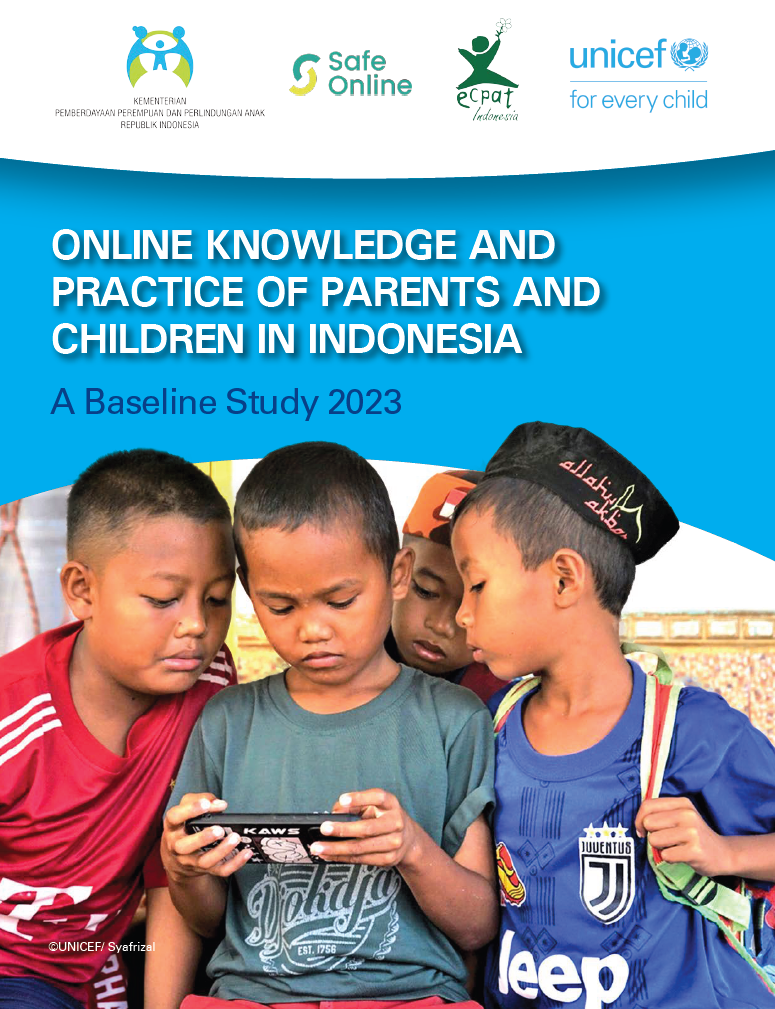
ONLINE KNOWLEDGE AND PRACTICE OF PARENTS AND CHILDREN IN INDONESIA

By Karen Muller,  Astrid Gonzaga Dionisio, Sanghyun Park

The “Online Knowledge and Practice of Children and Parents in Indonesia: Baseline Study 2023” highlights that most children in Indonesia use the internet daily, primarily for socializing and entertainment. However, they face significant risks, including exposure to inappropriate content, cyberbullying, and online sexual exploitation and abuse. The study reveals that many children and parents lack adequate online safety education, with only 37.5% of children having received information on how to stay safe online. Additionally, 42% of children have felt uncomfortable or scared due to online experiences, and 50.3% have seen sexual images on social media.UNICEF Indonesia is actively addressing these issues by supporting the government in strengthening the legal framework for child online protection and enhancing integrated services for victim support. UNICEF empowers children, parents, and teachers to promote safe online behavior and strengthen law enforcement capabilities to detect, investigate, and prosecute cases of online child exploitation. UNICEF also focuses on generating evidence to inform policies and practices, aiming to create a safer online environment for children in Indonesia. Their efforts include co-creating campaigns with children and youth to raise awareness about online risks and engaging with businesses to promote responsible conduct for the rights and well-being of children, 202

Mental health and experiences of violence. Children, violence and vulnerability 2025 Report 3

By The Youth Endowment Fund

The Youth Endowment Fund (YEF) surveyed nearly 11,000 children aged 13–17 in England and Wales to hear directly about their experiences of violence. The findings are being shared across several reports, each exploring a different theme. This third report focuses on mental health and experiences of violence. For the first time, we asked detailed questions about mental health, including using the Strengths and Difficulties Questionnaire (SDQ), a 25-item questionnaire that measures the scale of children’s struggles. Combined with data on victimisation and perpetration, this provides an unprecedented picture of how violence and mental health are linked — and the complex ways they shape young people’s lives. Here’s what we found. Teenage children affected by serious violence face a dramatically higher risk of mental health problems. The scale of poor mental health among teenagers is alarming. More than one in four 13-17-year-olds reported high or very high levels of mental health difficulties, as measured by the SDQ — the equivalent of nearly a million teenage children struggling with their well-being. Behind this figure lie serious and often complex needs. A quarter of teenage children reported a diagnosis of at least one mental health or neurodevelopmental condition, such as depression, attention deficit hyperactivity disorder or speech and communication difficulties. A further 21% suspected they had a condition but had not been formally diagnosed — suggesting large numbers of teenage children are facing difficulties without recognition or support

Children, violence and vulnerability 2025 . Exploitation and gangs

By The Youth Endowment Fund

The Youth Endowment Fund asked nearly 11,000 children aged 13–17 across England and Wales to share their experiences of violence. The findings are set out in separate reports, each exploring a different theme. This one focuses on teenage children’s experiences of exploitation and ‘gangs’. When we asked teenage children whether they had been in a ‘gang’, we defined a ‘gang’ as: “A group of young people who think of themselves as a ‘gang’, probably with a name, who are involved in violence or other crime.” We used the word ‘gang’ because it is one that many young people recognise and use themselves, more than phrases such as group-based criminality. But we also recognise its limitations: the term oversimplifies a complex issue and can reinforce harmful stereotypes. To reflect these sensitivities, we use inverted commas when referring to ‘gangs’. At several points in this report, we share the words of James (whose name has been changed to protect his identity), who, from ages 12 to 18, was criminally exploited. His story lays bare the reality