Open Access Publisher and Free Library
CRIME+CRIMINOLOGY.jpeg

CRIME

Violent-Non-Violent-Cyber-Global-Organized-Environmental-Policing-Crime Prevention-Victimization

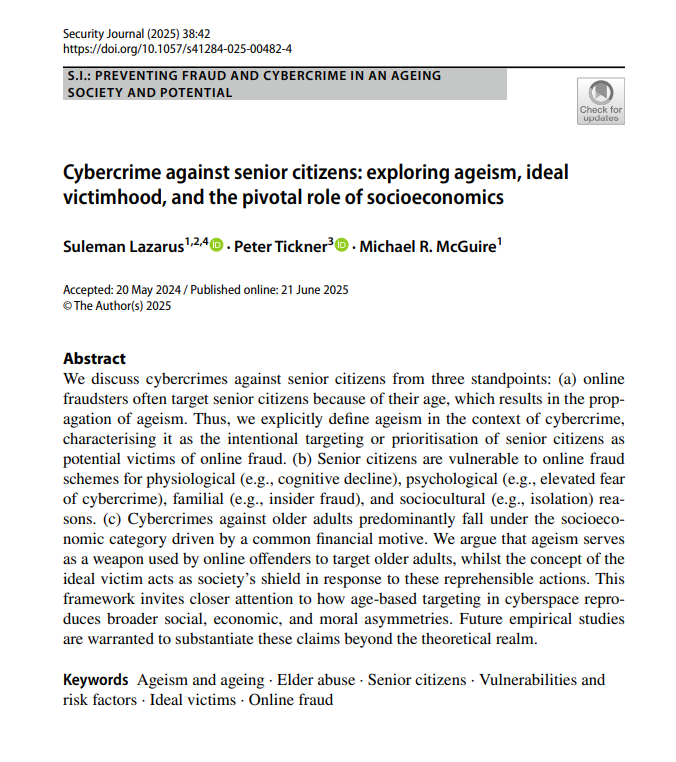
 Cybercrime against senior citizens: exploring ageism, ideal victimhood, and the pivotal role of socioeconomics

By Suleman Lazarus  · Peter Tickner  · Michael R. McGuire1

 We discuss cybercrimes against senior citizens from three standpoints: (a) online fraudsters often target senior citizens because of their age, which results in the propagation of ageism. Thus, we explicitly defne ageism in the context of cybercrime, characterising it as the intentional targeting or prioritisation of senior citizens as potential victims of online fraud. (b) Senior citizens are vulnerable to online fraud schemes for physiological (e.g., cognitive decline), psychological (e.g., elevated fear of cybercrime), familial (e.g., insider fraud), and sociocultural (e.g., isolation) reasons. (c) Cybercrimes against older adults predominantly fall under the socioeconomic category driven by a common fnancial motive. We argue that ageism serves as a weapon used by online offenders to target older adults, whilst the concept of the ideal victim acts as society’s shield in response to these reprehensible actions. This framework invites closer attention to how age-based targeting in cyberspace reproduces broader social, economic, and moral asymmetries.  Future empirical studies are warranted to substantiate these claims beyond the theoretical realm.

Security Journal (2025) 38:42 


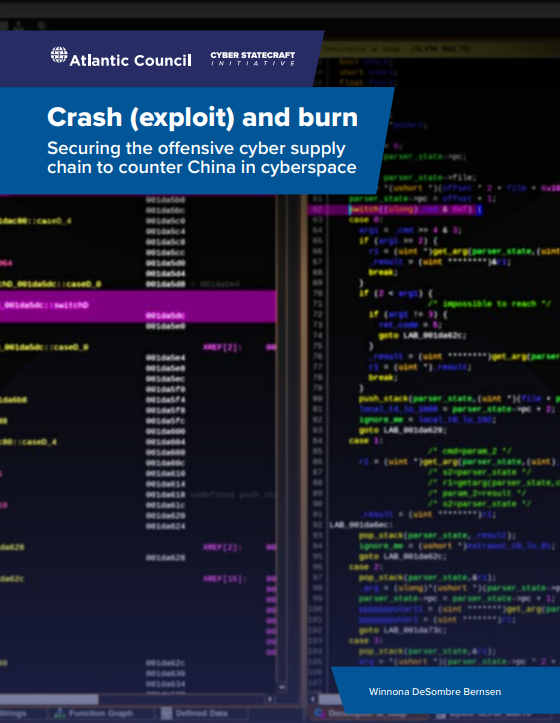
Crash (exploit) and burn: Securing the offensive cyber supply chain to counter China in cyberspace,

By Winnona DeSombre Bernsen

If the United States wants to increasingly use offensive cyber operations internationally, does it have the supply chain and acquisition capabilities to back it up—especially if its adversary is the People’s Republic of China? 

 The Cyber Statecraft Initiative’s new report from CSI nonresident fellow Winnona DeSombre Bernsen, Crash (exploit) and burn: Securing the offensive cyber supply chain to counter China in cyberspace,  is the first to conduct a comparative study within the international offensive cyber supply chain, comparing the United States’ fragmented, risk-averse acquisition model with China’s outsourced and funnel-like approach.

 Strategic competition between the United States and China has long played out in cyberspace, where offensive cyber capabilities, like zero-day vulnerabilities, are a strategic resource. Since 2016, China has been turning the zero-day marketplace in East Asia into a funnel of offensive cyber capabilities for its military and intelligence services, both to ensure it can break into the most secure Western technologies and to deny the United States from obtaining similar capabilities from the region. If the United States wishes to compete in cyberspace, it must compete against China to secure its offensive cyber supply chain.

Washington, DC: Atlantic Council, 2025. 44p

Cybercrime Classification and Measurement

By Hal S. Stern and Daniel L. Cork, Editors

Cybercrime poses serious threats and financial costs to individuals and businesses in the United States and worldwide. Reports of data breaches and ransomware attacks on governments and businesses have become common, as have incidents against individuals (e.g., identity theft, online stalking, and harassment). Concern over cybercrime has increased as the internet has become a ubiquitous part of modern life. However, comprehensive, consistent, and reliable data and metrics on cybercrime still do not exist - a consequence of a shortage of vital information resulting from the decentralized nature of relevant data collection at the national level.

Cybercrime Classification and Measurement addresses the absence credible cybercrime data and metrics. This report provides a taxonomy for the Federal Bureau of Investigation for the purpose of measuring different types of cybercrime, including both cyber-enabled and cyber-dependent crimes faced by individuals and businesses, and considers the needs for its periodic revision. This report was mandated by the 2022 Better Cybercrime Metrics Act (BCMA).

Washington, DC: The National Academies Press., 2025. 160p.

Extended editorial: preventing fraud and cybercrime in an ageing society

By Mark Button  · Vasileios Karagiannopoulos  · Julak Lee  · Joon Bae Suh  · Jeyong Jung

Introduction The nature of crime has been changing globally with technological and other societal developments fuelling a growth in fraud and cybercrime (Button and Cross 2017). The diversity and rapid evolution of a broad range of scams has led to millions across the globe becoming victims of fraud (Federal Trade Commission 2019; ONS 2023a, 2023b). A common belief often promoted in policy circles and some research is that older adults are more vulnerable to fraud (James et al. 2014). This is not so clear cut, however, as in terms of victimisation, the middle aged have been most at risk (see Fig. 1 later). This is changing and there is evidence older adults (65+) are fast becoming the one of the most at risk categories and that they also tend to lose much more than other age groups (see Table 1 later). Indeed, there are a variety of trends fuelling a potential explosion in fraud and cybercrime among older adults unless serious action is taken to reduce the risks that we will shortly explore. It is for this reason we conceived this special edition and the research project that underpins it. To set the context for this edition, it is important to examine the factors fuelling the growth in fraud and cybercrime victimisation among older age groups. We will do this using data from the UK and South Korea. The reason for the selection of these countries is simple. The funding for the project stimulating this edition came from ESRC funding aimed at developing relationships with these two countries 

  Security Journal (2025) 38:40

Cyber‑enabled imposter scams against older adults in the United States

By Lauren R. Shapiro 

This paper evaluated three cyber-enabled imposter scams against older adults using Lifestyle Routine Activity Theory. The frst section examined the motivated ofender’s tools for manipulating older adult targets (social engineering and persuasion) and explained how Artifcial Intelligence could increase exposure and susceptibility of imposter victims. The next section focused on the suitable victim by examining how heuristics and impaired cognitive, physical, and psychosocial abilities contributed to the older adult target’s susceptibility to imposter scam by interfering with the process of rational decision-making. The third section examined ways in which capable guardians, in the form of agencies and laws, protected and helped older adult targets from imposter scams. Recommendations regarding the creation of educational programs that teach older adults how to be safer online (i.e., less suitable victims) through evaluating risks, identifying potential imposter scams, and becoming efcient self-advocators were provided.   

  Security Journal (2025) 38:43

Fear of fraud amongst older adults: a hidden epidemic? 

By Mark Button  · David Shepherd  · Chloe Hawkins  · Jacki Tapley

This paper explores older adults who are largely over 75 and their experience of fraud, based upon research with the clients of a UK charity working with this age group. The researchers used a postal questionnaire yielding almost 2000 responses, supplemented with interviews with clients and key staf. The research found higher rates of fraud victimisation than national rates for this age group as well regular attempted frauds, largely through the telephone. The experience of fraud and attempted fraud has a devastating impact on some of the lives of older adults, causing fear, anxiety, and related issues, which afects their quality of life. This is the frst study to illustrate that fear of fraud is a major problem amongst older adults, particularly females living alone.  

Security Journal (2025) 38:44

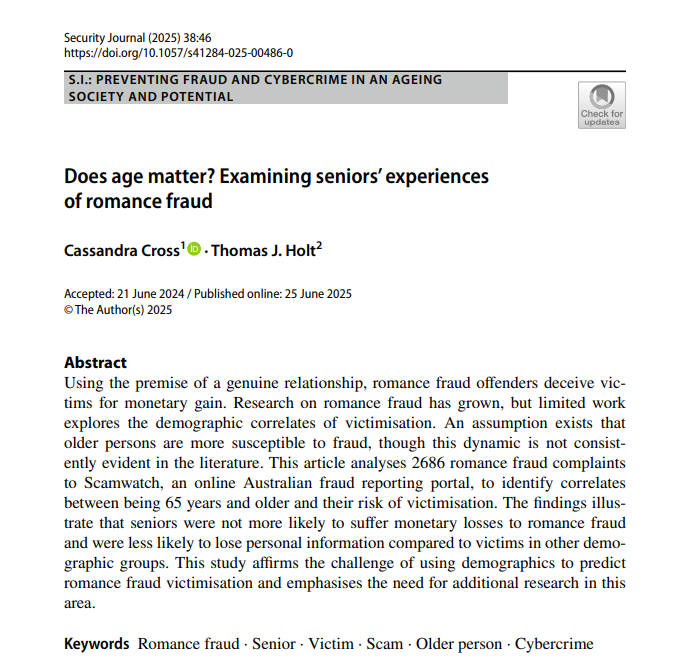
  Does age matter? Examining seniors’ experiences of romance fraud

By Cassandra Cross  · Thomas J. Holt 

Using the premise of a genuine relationship, romance fraud ofenders deceive victims for monetary gain. Research on romance fraud has grown, but limited work explores the demographic correlates of victimisation. An assumption exists that older persons are more susceptible to fraud, though this dynamic is not consistently evident in the literature. This article analyses 2686 romance fraud complaints to Scamwatch, an online Australian fraud reporting portal, to identify correlates between being 65 years and older and their risk of victimisation. The fndings illustrate that seniors were not more likely to sufer monetary losses to romance fraud and were less likely to lose personal information compared to victims in other demographic groups. This study afrms the challenge of using demographics to predict romance fraud victimisation and emphasises the need for additional research in this area 

  Security Journal (2025) 38:46

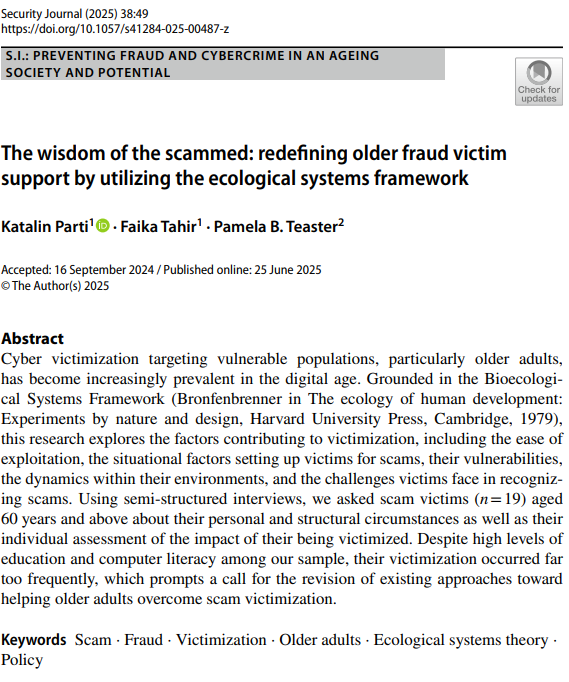
The wisdom of the scammed: redefning older fraud victim support by utilizing the ecological systems framework

By Katalin Parti  · Faika Tahir  · Pamela B. Teaster 

Cyber victimization targeting vulnerable populations, particularly older adults, has become increasingly prevalent in the digital age. Grounded in the Bioecological Systems Framework (Bronfenbrenner in The ecology of human development: Experiments by nature and design, Harvard University Press, Cambridge, 1979), this research explores the factors contributing to victimization, including the ease of exploitation, the situational factors setting up victims for scams, their vulnerabilities, the dynamics within their environments, and the challenges victims face in recognizing scams. Using semi-structured interviews, we asked scam victims (n=19) aged 60 years and above about their personal and structural circumstances as well as their individual assessment of the impact of their being victimized. Despite high levels of education and computer literacy among our sample, their victimization occurred far too frequently, which prompts a call for the revision of existing approaches toward helping older adults overcome scam victimization.  

  Security Journal (2025) 38:49

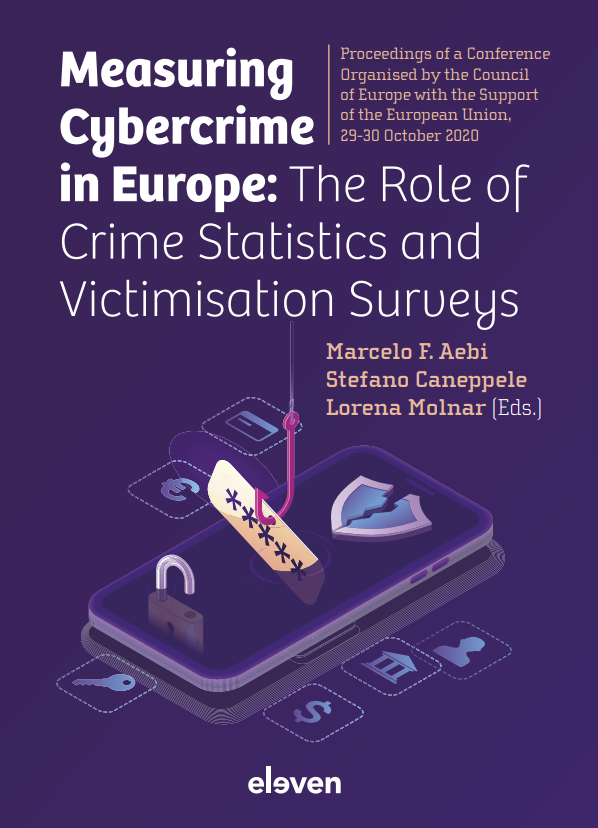
Measuring cybercrime in Europe

By Marcelo F. Aebi Stefano Caneppele Lorena Molnar (Eds.)

  Cybercrime has become part of everyday life. We live in hybrid societies, fl uctuating between the material and the virtual world, and we are hence confronted with online, offl ine and hybrid offences. However, the few victimisation surveys conducted in Europe reveal that victims of online crimes seldom report them to the police. Consequently, cybercrimes – which according to the best estimates represent between one third and more than half of all attempted and completed crimes in Europe – seldom appear in national criminal statistics. The State seems powerless to prevent them and private security companies fl ourish. During two days, experts from all over the continent gathered together in the framework of a virtual conference organized by the Council of Europe and the European Union to discuss what we know, what we do not know, and what we could do to improve our knowledge of crime in our contemporary hybrid societies, develop evidence-based criminal policies, provide assistance to crime victims, and implement realistic programs in the fi eld of crime prevention and offender treatment. This book presents their experiences, refl exions, and proposals  

The Hague: Eleven Publishing, 2022. 150p.  

Safeguarding Singapore: Addressing the Impact of Transnational Scamming Operations in Southeast Asia

By Yen Zhi Yi
SYNOPSIS
In recent months, heightened media scrutiny has drawn attention to the proliferation of scam centres along Myanmar’s border towns and the subsequent crackdowns on them. Concurrently, Singapore has also witnessed a significant increase in scam-related incidents, with the government urging vigilance and taking precautionary measures to safeguard its citizens. Against this backdrop, it is imperative for ASEAN countries to work collaboratively to tackle this growing cross-border scourge. Doing so calls for stepped-up action at home to enhance awareness and enforcement collaboration abroad among regional partners to check this transnational security challenge.
 
S. Rajaratnam School of International Studies, NTU Singapore, 2025. 6p.

Homicide Victims and Perpetrators.

Socio-economic status, demographic background and criminal history.

By Lisa Westfelt

This study focuses on aspects that have not yet been examined in Swedish research: the socio-economic status and demographic background of victims and perpetrators at the time homicides are committed, as well as the victims and perpetrators’ criminal histories.

English summary of Brå report 2025:5 Stockholm: The Swedish National Council for Crime Prevention (Brå), 2025. 14p.

Crime and Fear Of Crime In Rural Areas

By Lisa Westfelt, Sara Jonsson and Ulrika Lindstedt

Brå has been commissioned by the Government to survey crime and fear of crime in rural areas. Brå’s commission has included describing the specific nature of criminality and how fear of crime affects people in rural areas. Brå has also analysed the incidence of crimes committed by animal rights activists. The study is mainly based on police report statistics, the Swedish Crime Survey and interviews both with municipal police officers and crime prevention coordinators in rural municipalities and with experts. Less crime and greater sense of safety As with previous studies in this area, the analysis shows that, overall, there is less crime in rural areas. This applies to both reported offences and self-reported victimisation. People living in rural municipalities report less fear of crime than those in other types of municipalities. Crime trends follow broadly the same patterns as elsewhere in Sweden. According to the Swedish Crime Survey, various types of municipalities show no differences in terms of citizens’ experiences with the police, but the survey shows a marginally lower level of confidence in the justice system in rural municipalities. However, several interviewees argue that confidence in the police, as well as in public authorities in general, is lower in certain very sparsely populated rural areas. Specific challenges for crime prevention There are certain conditions in rural areas that, directly or indirectly, impact crime and create challenges for crime prevention. Financial difficulties and skills shortages Many rural municipalities have declining and ageing populations, which leads to a shrinking tax base and financial difficulties. The low population density and declining populations of rural areas have made it more difficult for businesses providing goods and services in rural areas to operate. As public utilities and infrastructure are gradually dismantled, social trust can be negatively affected, and, with it, confidence in the justice system. Our interviews reveal that municipalities experience difficulty in securing necessary skills as well as in recruiting and retaining municipal police.

English summary of Brå report 2025:1 Stockholm: The Swedish National Council for Crime Prevention (Brå), 2025.2025. 8p.

Homicide in Sweden since 1990. 

Scope, trends and characteristics.

By Klara Hradilova-Selin

This study is the fourth in a series of Brå’s research reports on homicide in Sweden, based on material from the criminal justice system. The analyses build on audited data from police preliminary investigations and, in cases that have been cleared, judgments obtained from both district courts and appeal courts. The aim has been to outline trends in and characteristics of homicide cases since 1990, with a particular focus on the most recent period for which data have been collected, 2018–2021. Some analyses also include data from Brå’s statistics on confirmed cases of lethal violence for 2022 and 2023. 


Report 2024:6

Fraud Against Individuals

By The Swedish National Council for Crime Prevention

This report focuses on how circumstances and situations that make fraud possible are targeted by fraud prevention measures. The report also includes recommendations for different crime prevention actors.

Residential Burglary

By Lina Fjelkegård and Emma Patel

The number of residential burglaries has decreased sharply in recent years – between 2017 and 2023, they were basically halved. However, many people still become victims of burglary. In 2023, 10,000 residential burglaries were reported to the police, and only 4 per cent were solved. Those affected may experience the burglary as a violation of privacy, and feel unsafe at home.

For these reasons, Brå initiated this study on residential burglaries. The purpose is to provide an overall picture of the nature of residential burglaries, but also to examine the development of this crime over time, and how the police handle residential burglaries. Different methods and materials were used for this. We start from a number of preliminary investigations into residential burglaries, which Brå has coded and analysed. We have also used reporting statistics, data from police records, and interviews with police employees.

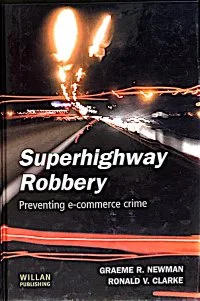
Superhighway Robbery

By Graeme R. Newman and Ronald V. Clarke

In Superhighway Robbery, Graeme Newman and Ronald Clarke provide a grounded, pragmatic analysis of how the digital revolution didn't necessarily create new types of criminals, but rather provided them with a much more efficient set of tools. They move away from the sensationalized "hacker" myths of the early 2000s to focus on the cold reality of Situational Crime Prevention. The book's central thesis is that the internet acts as a vast infrastructure—a superhighway—that significantly reduces the effort required to commit traditional crimes like theft, fraud, and piracy while increasing the potential rewards and lowering the risk of being caught.

By applying their famous CRAVED model to the digital world, the authors explain that data and software are the ultimate targets because they are easily concealable, removable, and available. They argue that the most effective way to stop cybercrime is not to wait for a change in human nature, but to change the digital environment itself. This involves "designing out" crime by making digital targets harder to reach and less profitable to exploit. Ultimately, Newman and Clarke strip away the mystery of the "Information Age" to reveal that cybercrime is essentially a matter of opportunity, and by closing those digital windows of opportunity, we can make the superhighway a significantly safer place.

In the digital realm, the CRAVED model explains why certain data or media becomes a prime target for "superhighway robbery." Concealability is at an all-time high because digital files take up no physical space and can be hidden in encrypted folders or behind innocuous filenames, making them easy to possess without detection. These files are incredibly Removable because they can be copied or moved across the globe in milliseconds, allowing a thief to "steal" an item while the original remains in place. The Availability of these targets is virtually limitless; once a movie or piece of software is uploaded to a server, it is accessible to anyone with a connection, twenty-four hours a day.

The Value of digital goods remains high because they often represent thousands of hours of professional labor or sensitive personal information that can be sold on the dark web. These items are also highly Enjoyable, as they often consist of popular entertainment, games, or high-end tools that people naturally want to use. Finally, they are perfectly Disposablebecause there is a massive, ready-made market of willing buyers or downloaders, ensuring that a criminal can quickly offload their "loot" for profit or social capital without the logistical headaches of physical fencing.

Cullompton, Devon. UK. Willan. 2003.

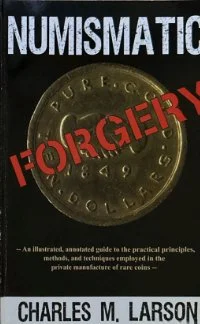
Numismatic Forgery

By Charles M. Larson

In "Numismatic Forgery," author Charles M. Larson pulls back the curtain on one of the most secretive and sophisticated threats to the world of coin collecting.1 Far from a simple historical overview, this book serves as a definitive guide to the dark art of the "super-forger," detailing the methods used to deceive even the most seasoned experts.

Larson provides a deep dive into the technical evolution of counterfeiting—from the crude cast copies of the past to the modern, high-precision struck forgeries that haunt the current marketplace. By meticulously explaining the tools of the trade, including centrifugal casting, pressure casting, and the creation of deceptive dies, Larson equips collectors, dealers, and historians with the knowledge necessary to spot the subtle "tells" of a fake.

Key features of this essential numismatic reference include:

  • The Forger's Toolkit: A step-by-step examination of the physical processes used to create counterfeit currency.

  • Detection Techniques: Practical advice on identifying "transfer marks," edge filing, and suspicious luster.

  • Case Studies: Real-world examples of famous forgeries that have infiltrated major collections.

  • The Ethics of the Hobby: A sobering look at how forgery undermines the historical integrity of numismatics.

Whether you are a casual hobbyist or a professional dealer protecting a million-dollar inventory, "Numismatic Forgery"is an indispensable resource for anyone who wants to ensure that the history they hold in their hands is the real deal.

Firearm Storage and Firearm Suicide

By Matthew Miller, MD, MPH, ScD; Joeseph Wertz, MD; Sonja A. Swanson, ScD; Joseph A. Simonetti, MD, MPH; Yifan Zhang, PhD; Deborah R. Azrael, PhD

Suicide-prevention interventions often recommend removing firearms from the homes of individuals at elevated risk of suicide or, short of removal, locking and unloading all household firearms. The recommendation to remove firearms is based on strong and consistent evidence. For adults, however, the recommendation to lock firearms is based on few studies with inconsistent findings.

This case-control study investigated decedents aged 15 years or older who lived in a home with firearms in the last year of their life and who died by suicide. Data were from the 1993 National Mortality Followback Survey. Analyses were conducted from June 1, 2024, to March 30, 2025.

April11,2025, 11p.

Kevin Pico
Eviction, Collective Efficacy, and Firearm Violence in Chicago

By Thomas Statchen, BS; Anna Volerman, MD; Louise C. Hawkley, PhD; Elizabeth L. Tung, MD, MS

Firearm violence is concentrated in structurally marginalized communities. Collective efficacy—a community’s belief in their ability to achieve a shared goal—has been associated with lower rates of firearm violence. It remains unclear whether structural determinants, such as eviction, may be associated with lower collective efficacy and firearm violence.

To understand if eviction is independently associated with firearm violence and if eviction moderates established associations between collective efficacy and firearm violence.

2025 Statchen T et al. JAMA Network Open, December 23, 2025., 10p.

Kevin Pico