Open Access Publisher and Free Library
CRIME+CRIMINOLOGY.jpeg

CRIME

Violent-Non-Violent-Cyber-Global-Organized-Environmental-Policing-Crime Prevention-Victimization

SexWork.DK: a comparative study of citizenship and working hours among sex workers in Denmark

By Rasmus Munksgaard, Kim Moeller & Theresa Dyrvig Henriksen

Sex workers in Europe are increasingly of nonnational origin. The Schengen cooperation allows internal migration within the European Union, but many migrant sex workers originate from outside the EU. While sex workers are already in precarious positions, nonnationals risk deportation, dependent on their citizenship status, and may have debts to smugglers. Consequently, they may be more likely to work longer hours to increase short-term profits. Using a dataset of sex work advertisements from one Danish website (n = 2,594), we estimate the association between inferred citizenship status and a) advertised hours on shift using ordinary least squares regression, and b) the probability of advertising 24/7 availability using a linear probability model. Compared to Danish sex workers, we find migrants advertise almost twice as many hours on shift and are more likely to advertise 24/7 availability. These results shed light on the inequalities that persist between national and nonnational sex workers.

Global Crime, Volume 26, 2025 - Issue 1

Come at the king, you best not miss: criminal network adaptation after law enforcement targeting of key players

By Giulia Berlusconi

This paper investigates the impact of the targeting of key players by law enforcement on the structure, communication strategies, and activities of a drug trafficking network. Data are extracted from judicial court documents. The unique nature of the investigation – which saw a key player being arrested mid-investigation but police monitoring continuing for another year – allows to compare the network before and after targeting. This paper combines a quantitative element where network statistics and exponential random graph models are used to describe and explain structural changes over time, and a qualitative element where the content of wiretapped conversations is analysed. After law enforcement targeting, network members favoured security over efficiency, although criminal collaboration continued after the arrest of the key player. This paper contributes to the growing literature on the efficiency-security trade-off in criminal networks, and discusses policy implications for repressive policies in illegal drug markets.

Global Crime, Volume 23, 2022 - Issue 1

An exploratory study of victimisation and near misses in online shopping fraud

By Matthew Edwards,Jack Mark Whittaker, Cassandra Cross & Mark Button


The internet has revolutionised retail sales, with online shopping a common practice globally. While convenient, offenders have also embraced the opportunity to target potential victims and their shopping carts. Online shopping fraud occurs when offenders represent themselves as legitimate online sellers to gain sales from unsuspecting victims, both by impersonating genuine retailers and creating fictional retailers with non-existent products. The current article explores the victimisation and near misses of consumers to online shopping fraud. Based on survey responses of 1011 Australians, the article examines the online shopping activities of individuals as well as any victimisation or near miss experiences. The results indicate a high level of victimisation and near misses across this sample. It further examines a range of impacts experienced by these consumers and considers the implications of these results for the retail sector and prevention practices into the future.

 Global Crime26(1), 69–89.

The Dynamics of Online Wildlife Trade, Crime and Law Enforcement in Israel

By Noga Shanee, Amnon Keren, Evelyn D. Anca, Tamar Fredman, Omer Polansky & Yael Cohen Paran

There are certain biases that characterize the global efforts to tackle wildlife crime, restricting their effectiveness. Firstly, wildlife crime is considered mainly a problem of developing source countries, while the role of developed consumer countries is largely ignored. Secondly, illegal trafficking and legal wildlife trade are treated separately, while the first is considered harmful to the environment and the latter is often considered tolerable, and even a conservational tool. In this study, we use the case study of Israel, a small, developed country with a solid legal framework to control the illegal wildlife trade. For the period between 2021 and 2023 we reviewed national and international laws and regulations from different sectors relevant to wildlife law enforcement. We monitored social media, online commerce platforms and instant messaging groups in order to assess online trade, and interacted with the wildlife authorities to assess their responses. We found six overarching legal themes: (1) species permitted for trade and possession; (2) trade and possession permits; (3) health permits; (4) animal welfare laws and regulations; (5) wildlife shows; and (6) general commerce and money laundering laws. Our results demonstrate that although there is a regulatory infrastructure which allows legal wildlife trade, the vast majority of the trade violates at least some of the related laws and standards. We also found biases in the authorities’ readiness to tackle different types of wildlife crime. Therefore, this study challenges the false dichotomy between legal and illegal wildlife trade and calls for further research and improved enforcement and control of authorized wildlife trade in developed countries.

Journal of International Wildlife Law & Policy, Volume 28, 2025 - Issue 1

The state and the legalisation of illicit financial flows: trading gold in Bolivia

By Fritz Brugger, Joschka J. Proksik & Felicitas Fischer

Most research on illicit financial flows (IFFs) has focused on illicit outflows from low-income countries and the role of non-state actors in generating IFFs. Less attention has been paid to processes through which IFFs enter formal value chains – in effect being legalised before leaving the country – or the crucial role of state institutions as gatekeepers. We develop a novel explanatory approach to account for the enabling role of state institutions in the legalisation of IFFs. Building on political settlement theory, we explain the performance of institutions in regulating IFFs as a function to maintain political power. Taking the case of Bolivia, we examine how legalising illicit value flows works in practice and analyse the motives and underlying conditions that lead state institutions to permit the formal export of gold shipments that have been illicitly sourced or transferred. We find that the legalisation of IFFs accommodates the interests of powerful cooperatives dominating the gold-mining sector, which are critical to maintaining the political settlement on which the incumbent government’s power is based. By maintaining a status quo of non-enforcement, legal ambiguity, and informality, gold-mining cooperatives reap higher benefits from resource extraction at the expense of domestic revenue mobilisation.

New Political Economy, Volume 29, 2024 - Issue 4

Barriers and facilitators to methadone dispensing for opioid use disorder in community pharmacies: A scoping review

By Caroline Shubel , Mary Ava Nunnery , Grace Marley, Bayla Ostrach , Delesha M. Carpenter

Background: Methadone, an evidence-based medication for opioid use disorder (MOUD), is available through prescription at community pharmacies in countries like Canada, Australia, and the United Kingdom, but not in the United States (U.S.). The objective of this scoping review was to summarize barriers and facilitators related to dispensing methadone in community pharmacies to inform future implementation efforts in the U.S. Methods: A scoping review was conducted using PubMed, Embase, SCOPUS, and CINAHL. Original research articles related to barriers and/or facilitators around community pharmacy-based methadone dispensing were included. No search limits (year of publication, geographic boundaries) were applied to the search strategy. Two independent researchers screened all articles for eligibility, extracted data, and met to reach consensus. Data were extracted on 12 items, with a particular focus on barriers and facilitators to dispensing methadone in community pharmacies. Results: Forty-one articles were included in the review. The most common barriers to methadone dispensing were workload (n = 14), safety concerns for staff and property (n = 13), concern about patient behavior and interactions (n = 12), financial hardship (for pharmacists and patients) (n = 11), and stigma and discrimination towards patients (n = 11). The most common facilitators were pharmacist training and education (n = 14), positive pharmacist-patient relationships (n = 14), and privacy (n = 10). Conclusions: The findings from this review can be used to address barriers and incorporate known facilitators into future protocols or practice of pharmacy-based methadone dispensing. Further research is needed to identify U.S. and state-specific anticipated needs for pharmacy-based methadone dispensing

:Drug Alcohol Depend Rep. 2026 Jan 29;18:100413. doi: 10.1016/j.dadr.2026.100413. PMID: 41695144; PMCID: PMC12906019

Cannabis use within the United States: Prevalence of cannabis use by state legal status and perceptions of benefit and harm

By Andrew P. Bontemps, Elizabeth S. Hawes, Bailey E. Pridgen, William P. Wagner, Dominique Black, Karen L. Cropsey

Background:Cannabis use has increased in the United States as legalization has spread. While Δ-9 THC remains the most-used federally illegal substance, use of other psychoactive hemp-derived products (Δ-8 THC, Δ-10 THC, HHC, THC-O) has grown. The current study investigated patterns of cannabis use and perceptions of harm and benefit of cannabis across states with differing cannabis laws.


Method

Participants (N=639) were adults endorsing past-90-day cannabis use who lived in one of 15 states selected based on cannabis laws (recreational use, medical use, illegal). Participants completed self-report questionnaires endorsing types of cannabis used, methods of consuming and acquiring cannabis, and ranking of potential harm and benefit of consumption methods.


Results

The majority (N=573; 89.7% of participants) endorsed past-30-day use of Δ-9 THC, regardless of legal status. There was significantly greater use of alternate cannabis forms in states where Δ-9 THC remains illegal (past-90-day: χ2(2)=16.78, p<.001; past-30-day: χ2(2)=9.50, p=.009). Individuals from states with legal recreational cannabis most frequently purchased cannabis legally (52.0%), but high levels of non-legal purchase existed regardless of legal status (47.5%). Participants reported primarily consuming Δ-9 THC through smoking (86.1%), CBD through ingestion (50.5%), and alternative cannabis types through vaping (43.8-57.7%). Average harm rankings were lower for smoking if it was the primary method of consumption.


Conclusions

Individuals purchased and consumed cannabis regardless of legal status and legal status was not significantly associated with harm or benefit rating, controlling for demographic and use data. Individuals appear more likely to purchase through legal means, if available.


Drug and Alcohol Dependence Reports

Available online 14 March 2026, 100431


Community supervision during Oregon’s partial decriminalization Measure 110: Criminal legal system involvement, overdose, and naloxone access

Bt Hope M. Smiley-McDonald,  Esther O. Chung , Lynn D. Wenger, Danielle Good , Gillian Leichtling c, Barrot H. Lambdin , Alex H. Kral 

Background

In 2020, the U.S. state of Oregon passed Measure 110 (M110), which aimed to address substance use disorder as a public health issue and reduce disparities in the criminal legal system by decriminalizing personal drug possession and increasing services. The impact of partial drug decriminalization on individuals under community supervision—whose release conditions often prohibit drug use and who M110 excluded—is understudied.

Methods

We used targeted sampling to recruit and survey people who use drugs (PWUD; N=468) in eight Oregon counties in 2023. We compared PWUD under community supervision to those who were not to assess opioid-related overdose, naloxone access, and law enforcement engagement.

Results

Compared to PWUD who were not under community supervision, those under supervision had higher prevalence of past year opioid-related overdose. There were no differences by naloxone access. Eighty-two percent (82%) of PWUD on community supervision were stopped by law enforcement in the past year. PWUD on community supervision were more likely than those not on community supervision to report in the past year being searched by law enforcement at least once (adjusted prevalence differences [APD]=0.33; 95% CI: 0.23, 0.43), spent time in jail at least once (APD=0.33; 95% CI: 0.23, 0.43), and to have concerns about getting into trouble if they called 911 for a drug-related health problem (APD=0.12; 95% CI: 0.00, 0.18).

Conclusion

Under M110, Oregon PWUD experienced more police engagement and overdoses. Findings have implications for less police presence at overdose scenes, greater access to naloxone and support services, and protections under future decriminalization laws.

Drug and Alcohol Dependence Reports

Available online 15 March 2026, 100430

In Press, Journal Pre-proof

The Federal Status of Marijuana and the Policy Gap with States

By Lisa N. Sacco, Joanna R. Lampe, Hassan Z. Sheikh

Marijuana is a psychoactive drug that generally consists of leaves and flowers of the cannabis sativa plant. It is a Schedule I controlled substance under the federal Controlled Substances Act (CSA; 21 U.S.C. §§801 et seq.), and thus is strictly regulated by federal authorities. In contrast, over the last several decades, most states and territories have deviated from a comprehensive prohibition of marijuana and have laws and policies allowing for some cultivation, sale, distribution, and possession of marijuana.


Marijuana is the most commonly used illicit drug in the United States. According to data from the National Survey on Drug Use and Health (NSDUH), in 2024 an estimated 64.2 million individuals aged 12 or older used marijuana in the past year, and 44.3 million reported using it in the past month. The percentage of individuals 12 or older who reported past-month marijuana use gradually increased from 6.1% in 2008 to 15.4% in 2024—a time frame during which a majority of states repealed state criminal prohibitions on marijuana and allowed for its recreational and/or medical use. The rate of past-month marijuana use among youth (ages 12-17) was 6.0% in 2024 and since 2008 has fluctuated from a low of 6.0% (in 2023 and 2024) to a high of 7.9% (in 2011), while adult (ages 18+) use steadily increased—from 6.3% in 2008 to 16.3% in 2024.


Washington, DC: Congressional Research Service; March 10, 2026.

Drugs Most Frequently Involved in Drug Overdose Deaths: United States, 2017–2023

By Matthew F. Garnett, Jodi A. Cisewski, Farida B. Ahmad

Objective:

This report identifies the specific drugs most frequently involved in drug overdose deaths in the United States from 2017 through 2023.

Methods:

Data from the 2017–2023 National Vital Statistics System mortality files were linked to literal text data from death certificates. Drug overdose deaths were identified using the International Classification of Diseases, 10th Revision underlying cause-of-death codes X40–X44, X60–X64, X85, and Y10–Y14. Specific drugs were identified by searching three literal text fields of the death certificate: the causes of death from Part I, significant conditions contributing to death from Part II, and the description of how the injury occurred. Contextual information was used to determine drug involvement in the death. Descriptive statistics were calculated for the most frequently mentioned drugs involved in drug overdose deaths. Deaths involving multiple drugs were counted in all relevant drug categories.

Results:

Among drug overdose deaths with mention of at least one specific drug, the most frequently mentioned drugs during 2017–2023 included: fentanyl, heroin, oxycodone, morphine, methadone, hydrocodone, alprazolam, diphenhydramine, cocaine, methamphetamine, amphetamine, gabapentin, and xylazine. Fentanyl ranked first across all years and was the most common concomitant drug found with other top drugs, ranging from 99.0% of xylazine-involved drug overdose deaths to 48.3% of oxycodone-involved drug overdose deaths. Cocaine and methamphetamine were also frequent concomitant drugs. Trends in age-adjusted rates across the 2017 to 2023 period varied by drug, but notably the rate for heroin-involved deaths sharply declined, while the rate for fentanyl-involved deaths increased and then stabilized between 2022 and 2023. In 2023, the most frequently mentioned drugs in unintentional drug overdose deaths were fentanyl, methamphetamine, and cocaine, while the most frequently mentioned drugs for suicide-related drug overdoses were diphenhydramine, oxycodone, and bupropion.

Conclusions:

This report identifies patterns in the specific drugs most frequently involved in drug overdose deaths from 2017 through 2023.National Vital Statistics Reports; CDC National Center for Health Statistics; 2026.

Outcomes and implications of British Columbia’s ‘drug decriminalization initiative’ for health-oriented drug policymaking

By lBenedikt Fischer,  Didier Jutras-Aswad, Bernard Le Foll, Daniel T. Myra

Highlights

The province of British Columbia (Canada) temporarily implemented a decriminalization initiative for personal drug possession/use (2023–2024) in contexts of a toxic drug death crisis.

  1. The decriminalization initiative was a priori promoted as a “tool to end the overdose crisis” and widely expected to reduce adverse health outcomes from toxic drug use.

  2. Emerging evaluation data indicate that the drug decriminalization initiative was not associated with population-level changes in drug use-related mortality (e.g., overdose deaths) or morbidity (e.g., hospitalizations).

  3. Drug use decriminalization remains an essential step to align prohibition-based drug policy frameworks with public health and human rights principles, but must be approached realistically and designed sensibly.

  4. To tangibly address toxic drug use-related harms, expanded measures are required that are effectively capable of preventing and reducing PWUDs’ exposure to and use of toxic drugs
    International Journal of Drug Policy

Volume 150, April 2026, 105181

Pathways between probation and addiction treatment in England: a follow-up study

By the U.K.Ministry of Justice, and the Office of Health Improvement and Disparities


Executive Summary This report presents follow-up analysis building on Pathways between probation and addiction treatment in England: report - GOV.UK focusing on people sentenced to community orders (COs) and suspended sentence orders (SSOs) with an Alcohol Treatment Requirement (ATR) or Drug Rehabilitation Requirement (DRR). It examines engagement with alcohol and drug treatment, how engagement relates to reconvictions https://www.sciencedirect.com/science/article/pii/S0955395926000332 outcomes, and their characteristics. The analysis covers all ATRs and DRRs issued between August 2018 and March 2023. The study linked probation case management records with the National Drug Treatment Monitoring System (NDTMS) using probabilistic data linkage. This was supplemented by Natural Language Processing (NLP) analysis of probation contact notes. This approach aimed to assess whether the absence of ATRs and DRRs in structured treatment data reflected a true lack of treatment or gaps in data linkage. A total of 45,943 ATR and DRR requirements were issued during the period. Of these, 22,636 were linked to structured treatment through data linkage. The NLP approach derived an engagement rate from the unlinked sample. This was then applied to all unlinked records, resulting in an estimated 18,712 requirements with evidence of treatment engagement. Key Findings 1. Up to 90%1 of ATRs and DRRs were estimated to involve some form of treatment engagement. This is based on 49% linked to structured treatment through probabilistic data linking and an additional 41% of unlinked records showing treatment engagement in probation contact notes. Engagement was estimated to be higher for ATRs (93%) than for DRRs (88%). 2. Reconviction was less common following ATRs and DRRs linked to structured treatment. Within 12 months of sentencing, 36% of those linked to structured treatment were reconvicted, compared with 44% of those not linked to structured treatment. 

3. Characteristics associated with being more likely to be linked to structured treatment included being: • aged over 50 • female • in settled accommodation, (least likely when associated with rough sleeping) • engaged by treatment services within: 


▪ 3 weeks of an ATR, ▪ 3–6 weeks of a DRR 4. Reconviction outcomes varied by treatment outcome: • Reconvictions associated with ATRs and DRRs were lowest when they remained in structured treatment at the end of the observation period (13% for ATR; 26% for DRR). • Reconvictions associated with ATRs and DRRs were highest when they dropped out of structured treatment (41% for ATR; 60% for DRR). • Reconvictions associated with ATRs and DRRs that were not identified in structured treatment were higher than completed or remained in structured treatment but lower than those that dropped out of structured treatment (37% for ATR; 51% for DRR). Conclusion The analysis shows clear associations between treatment engagement and both individual characteristics and justice system factors. Individuals with ATRs and DRRs who completed or remained in structured treatment had better reconviction outcomes than those who dropped out of or had no identified structured treatment. This highlights the value of sustained engagement. The report also demonstrates the value of AI based NLP methods to strengthen insight by identifying treatment activity not captured through data linkage alone.

London: U.K. Ministry of Justice and the Office of Health Improvement and Disparities, 2026. 47p.

Local Rules, Global Lessons: How Criminal Governance Shapes Fentanyl Markets in Northern Mexico

By Steven Dudley, et al.


Although traditional synthetic opioid strongholds like the United States and Canada appear to be experiencing a stabilization of their illicit fentanyl market—evidenced by a historic reduction in overdose deaths 1—synthetic opioids continue to expand across the globe, creating widespread health and security concerns. Existing explanations for the rise and stabilization of these markets focus on economic incentives, supply-chain disruption, precursor controls, consumption patterns, and public-health interventions. But the role of organized crime in structuring retail distribution has been largely overlooked. The experience of Mexico’s northern border illustrates that local criminal governance can be a decisive factor in determining where and how new drug markets take root. Fentanyl, for example, has quietly reshaped drug markets in Mexico and upended some widely held assumptions of how larger criminal groups interact with these markets. As local criminal organizations became major producers and exporters of the synthetic opioid to the United States, domestic consumption also emerged in key trafficking corridors. In Tijuana and Mexicali in Baja California, Hermosillo and Nogales in Sonora, and Ciudad Juárez in Chihuahua, the transnational fentanyl economy has taken root locally, generating unprecedented public health and security pressures. This expansion, however, has been uneven, and the criminal actors who control local drug economies are far from monolithic. Across northern Mexico, fragmented local factions—sometimes linked to larger organizations, sometimes operating with considerable autonomy—determine what reaches consumers and under what conditions. Retail fentanyl markets have therefore expanded not simply in response to demand or price signals, but according to thestrategic decisions of local criminal groups. In Baja California, these groups actively promoted fentanyl sales, enabling the market to consolidate. In Sonoran cities and Ciudad Juárez, they restricted distribution, confining consumption to specific user niches.Overall, the impact on the ground has been substantial. The introduction of fentanyl triggered waves of overdose deaths and serious health effects among users. Although there are signs that the crisis may have stabilized in some areas, the risks persist, and the problem remains underestimated in official statistics, limiting the effectiveness of institutional responses that are already ill-equipped to address it. This report aims to provide a deeper understanding of this issue. It examines fentanyl consumption dynamics in the cities mentioned, traces the evolution of the market, and outlines the distribution networks that sustain it. Additionally, it analyzes the models of criminal control over local drug markets and assesses the state’s response to date. A central question running through the analysis is why fentanyl did not spread uniformly across these cities and what role local criminal structures played in that divergence.

Washington DC: Insight Crime, 2026. 66p.

Mental Health Care, Conditions And Related Matters In NDCS Facilities SUMMARY OF INVESTIGATIVE REPORT NO. 2025-01

By OFFICE OF INSPECTOR GENERAL OF THE NEBRASKA CORRECTIONAL SYSTEM; Doug Koebernick, Inspector General Zach Pluhacek, Assistant Inspector General

This report by the Office of Inspector General of the Nebraska Correctional System (OIG) explores five areas of interest and/or concern related to mental health services within Nebraska Department of Correctional Services (NDCS) facilities. The findings and recommendations in this report resulted from more than a year of examination of the NDCS mental health system. This work began in early 2024, after NDCS moved to consolidate almost all of its inpatient mental health beds for men from across the system into the Reception and Treatment Center (RTC) in Lincoln. The change – which was directed by NDCS administration, not mental health officials – prompted complaints from patients and their advocates about the living conditions and how this disruption had impacted their mental health. Through interactions with more patients and providers, additional matters came to the OIG’s attention. Although not an exhaustive list, the five topics addressed in this report were selected based on 1) how frequently they were mentioned by people in the system, including patients and staff; 2) the significance of their impact on the system; and 3) their relevance to the Legislature, based on existing statutes and past legislative engagements in this area. These five topics are as follows: 1. Staffing. NDCS mental health services are in a longstanding staffing crisis, which appear more significant than the staffing challenges facing the overall behavioral health industry, including other state-run institutions. However, NDCS appears to be making some progress in this area. 2. Living conditions. The OIG fielded a variety of complaints about the living conditions in NDCS mental health units, including the use of custody restraints, limited out-of-cell time, and quality of facilities. Some of these conditions may be improving with new facilities, management changes and better custody/security staffing, but concerns remain. 3. Restrictive housing for seriously mentally ill individuals. State statute prohibits placing seriously mentally ill people in longer-term restrictive housing. However, NDCS’ interpretation and implementation of statute results in many people with serious mental illnesses being placed in these settings, anyway. 4. Discharge review. State statute also requires NDCS to have “evidence-based criteria” for screening people nearing release who are mentally ill and dangerous and may require civil commitment. However, it is unclear whether an evidence-based tool even exists for such a purpose. 5. Programming for high-risk individuals. There is a general lack of structured, clinical treatment programming available for individuals in high-security settings. NDCS terminated its version of the Violence Reduction Program (VRP), intended for those at high risk for violence, in early 2024 and has yet to identify a replacement. More specific findings are included in each section of this report. The report concludes with a summary of these findings, as well as recommendations for NDCS and the Legislature to consider. The OIG appreciates the efforts of NDCS mental health providers, administrators, and others involved in this area of the correctional system. Although this report provides a broad (and, hopefully, instructive) look at NDCS mental health services, it is not intended to serve as a comprehensive review. It is hoped that these findings and recommendations will help further the Department’s own efforts at improving this system as well as the Legislature’s role in assisting and guiding that process through policy.

Rikers Island and Mental Health: Pathways Toward Community-Based Diversion and Jail Population Reduction

By Michael Rempel, Krystal Rodriguez, and Kellyann Bock

As New York City works toward its mandate to close Rikers Island, addressing the mental health needs of people detained in the jail system remains a central challenge—and a defining opportunity for reform. Developed by the Data Collaborative for Justice at John Jay College and the Katal Center for Equity, Health, & Justice, this report brings together the latest mental health data for people held at Rikers, lived-experience insights from directly impacted people, and a 15-point plan to create a more effective and humane path forward.

Grounded in evidence, the report aims to:

  1. Present updated data on the nature and scale of mental health needs among people held in the NYC jails.

  2. Give a voice to the people behind the numbers through select first-person accounts that highlight systemic gaps and unmet needs.

  3. Identify a continuum of safe and effective jail diversion strategies that can reduce the jail population while strengthening care, stability, and long-term public safety.

Taken together, this report offers a roadmap to reduce the number of people with serious mental health needs detained at Rikers and to strengthen NYC’s continuum of care.

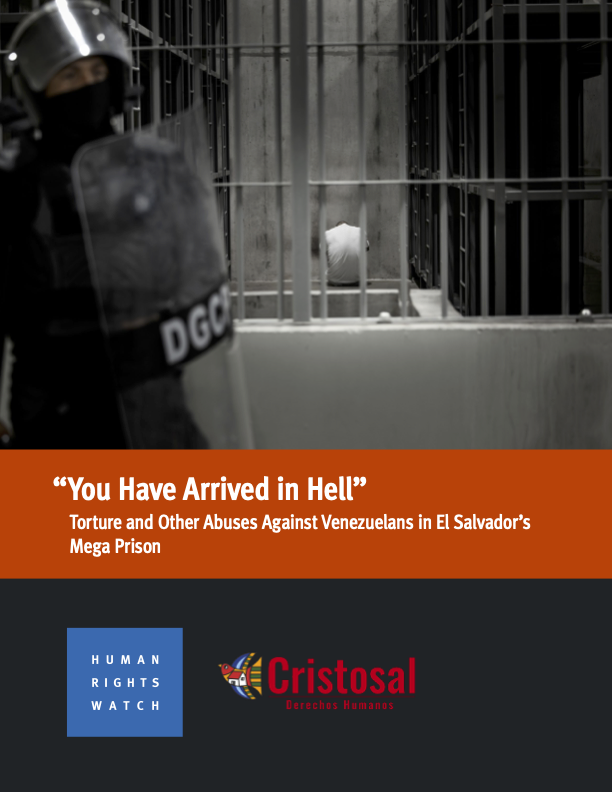
“You Have Arrived in Hell”. Torture and Other Abuses Against Venezuelans in El Salvador’s Mega Prison

By Human Rights Watch

The 81-page report, “‘You Have Arrived in Hell’: Torture and Other Abuses Against Venezuelans in El Salvador’s Mega Prison,” provides a comprehensive account of the treatment of these people in El Salvador. In March and April 2025, the US government sent 252 Venezuelans, including dozens of asylum seekers, to the Center for Terrorism Confinement (Centro de Confinamiento del Terrorismo, CECOT) mega prison in El Salvador, despite credible reports of serious human rights abuses in El Salvador’s prisons. The Venezuelans were subject to refoulement—being sent to where they would face torture or persecution—arbitrary detention, enforced disappearance, torture, inhumane detention conditions and, in some cases, sexual violence.

America’s Incarceration Crossroads: Reversing Progress Amid Record-Low Crime Rates

By Nazgol Ghandnoosh and Sabrina Pearce

The U.S. criminal legal system stands at a crossroads. The United States remains a world leader in incarceration, locking up its citizens at a far higher rate than any other industrialized nation.

Between 1972 and 2009, the number of people imprisoned grew nearly 700%, while crime rates declined dramatically after peaking in 1991. Imprisonment levels slowly scaled back, achieving a 25% decline between 2009 and 2021. Then, the prison population has resumed its growth, according to the most recently available data. The prison population grew in 2022 and in 2023, 39 states increased their prison populations.

The COVID-19 pandemic contributed to a seismic increase in the most serious crime, homicide, which has fortunately declined to pre-pandemic levels. By 2024, homicide rates were 49% lower than their peak level in 1991. Violent and property crime rates overall have reached historic lows: 2024’s violent crime rate was 53% lower than its peak-1991 level and the property crime rate was 66% lower.

While crime rates are at historic lows, Americans deserve greater levels of community safety. A growing number of elected officials at the local, state, and federal levels have moved to overturn successful criminal justice reforms and revert to the failed playbook of mass incarceration, while the federal government has cut funding for important crime-prevention programs. Instead, policymakers should respond to crime upticks with evidence-based responses, while correcting the counterproductive, costly, and cruel responses of the past.

Excessive reliance on imprisonment in the United States is ineffective at addressing crime, diverts resources from effective public safety investments, upends family stability, contributes to trauma, and disproportionately harms communities of color. A vast body of research has established that we can advance community safety while reducing prison admissions as well as scaling back sentences for both those entering prisons and those already there

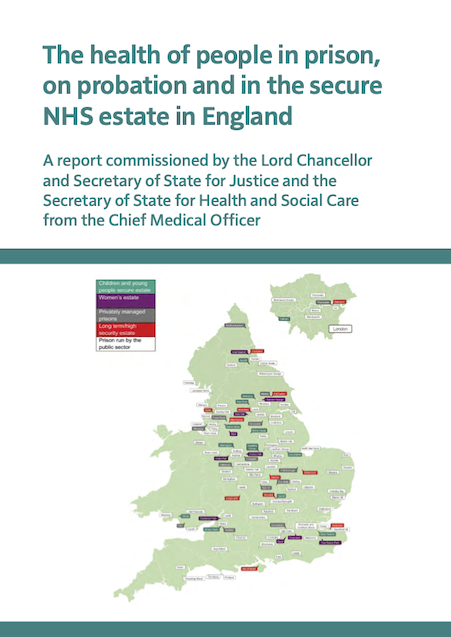
The Health Of People In Prison, On Probation And In The Secure NHS Estate In England

By Chris Whitty,

he aim of this report is to explore the health and healthcare of people in prison and on probation in England and make recommendations to improve these. It combines insights from, and individual chapters authored by: front line professionals working in prisons and the secure estate and in probation; public health professionals; commissioners and policy makers in health and justice; third sector organisations; academics and lived experience experts. These insights were gathered by extensive evidence gathering and stakeholder engagement, albeit by a small team within a defined time frame from September 2024 to July 2025. Regional health and justice teams across prison and probation were invited to share their written experiences and attend roundtables. Additional roundtables and workshops were conducted to explore specific themes such as the health needs and healthcare challenges of people on probation, health workforce and long-term conditions. We are very grateful for the time, enthusiasm and knowledgeable response from prison, probation, NHS and public health staff. Building on previous CMO visits looking at health to the secure estate (including secure mental health hospitals) we visited a further: 15 male and female prisons; 1 young offenders’ institution, 1 secure school and 1 secure children’s home; 1 secure NHS hospital and 4 probation delivery units. These covered all regions of England. During visits we discussed with frontline clinical and operational staff as well as people in prison, prison and probation officers, governors and healthcare leaders and we are very grateful for their time and expertise. In addition to lived experience identified by chapter authors and from group discussions during visits, we worked with the NHS Health and Justice Lived Experience Network and Empowering People: Inspiring Change (EP:IC) lived experience consultancy to bring together themes from existing lived experience engagement relevant to the chapters of this report, including engagement held for the 10 Year Health Plan. This was supplemented with additional lived experience focus groups held with pregnant women currently in prison, with people on probation and recently in prison on topics including the health and care needs of older adults in prison and health improvement in prison. One person with lived experience of the criminal justice system was a member of our steering group and contributed and reviewed all chapters. Lived experience contributions are incorporated throughout chapters in blue panels, practice examples (orange) and case studies (lilac) gathered from engagement are also included to illustrate findings.The development of the report was guided by 2 groups: ■ a stakeholder steering group with representation from UK Health Security Agency, Department of Health and Social Care, HM Prison and Probation Service, Ministry of Justice, NHS England and EP:IC lived experience consultancy ■ a clinical task and finish group chaired by the Royal College of General Practitioners: Secure Environments Group. Attended by front line clinicians and clinical leaders (GPs, nurses, pharmacists, psychologists, psychiatrists, midwives, obstetricians and peer support workers) working in, or with recent experience of, prisons, probation and the secure estateThe ‘children and young people’ chapter was guided by its own steering group with representation from NHS England, Youth Justice Board, Youth Custody Service and clinical advisers. The important challenges of substance misuse in prisons have been extensively explored in the recent independent review by Dame Carol Black published in 2024. For this reason we have not concentrated on this issue in this report and would point people to Dame Carol’s recommendations . Sentencing policy is obviously outside the remit of this report on health, although the implications of long and short sentences on health and healthcare is considered. Any response to the Sentencing Review by the Rt Hon David Gauke 2025 is likely to have an effect on prison and probation health and healthcare2 . While important to this population, it was outside the scope of this review to do an in depth review of social care in prisons. The ongoing independent commission into adult social care should consider the justice population.

Examining the Impact of Eliminating Bail on Recidivism in the New York City Suburbs and Upstate Regions: A Difference-in-Differences Study

By Stephen Koppel & René Ropac

The current study isolates the effect of what is arguably the most consequential bail reform provision: eliminating the option to set bail or detain people for most misdemeanor and nonviolent felony charges. The study uses what is known as a “difference-in-differences” causal design—comparing the change in re-arrest rates from before to after initial bail reform implementation among charges seeing the elimination of bail versus charges remaining legally eligible for bail.

What Did We Find?

  • Pretrial Recidivism: During the brief pretrial period (capped at 6 months for all cases), eliminating bail had no overall effect on recidivism. However, recidivism increased among a small high-risk group with a pending case.

  • Two-Year Recidivism: Over a longer two-year follow-up—including the period both before and after a case disposition—results grew more favorable to bail reform. Charges seeing the elimination of bail had significantly lower felony re-arrest rates than charges still exposed to bail and detention. In addition, there was no longer evidence of a recidivism increase for the “high-risk” subgroup (or any other subgroup).

What's the Upshot?

Our latest study adds to a growing body of research analyzing the effects of New York’s bail reform on public safety. Short-term recidivism increases appear limited to a small high-risk subgroup, with the current study indicating that such increases were no longer present when extending the follow-up period to two years. 

Meanwhile, considering all five of DCJ’s recidivism studies, a pattern emerges that, overall, expanding pretrial release under bail reform reduced recidivism in New York City—especially over a long-term 50-month tracking period—while having no clear effect in suburban and upstate regions. Each prior DCJ study (two in New York City, one outside the City, and a statewide study released last month) reported these overall effects, while adding more nuanced results for key subgroups of interest.

Comprehensive Study of the Division of Adult Institutions Correctional, Mental Health, and Medical Practices with a focus on Restrictive Housing

By Falcon Correctional & Community Services, Inc

The Wisconsin Department of Corrections (WIDOC) Division of Adult Institutions (DAI) has long served the Wisconsin community with its three stated goals: • WIDOC works to protect the public through the constructive management of those placed in its charge. • WIDOC offers education, programming, and treatment to persons in WIDOC’s care that enables them to be successful upon returning to the community. • WIDOC’s mission is to achieve excellence in correctional practices while fostering safety for victims and communities. The WIDOC Executive Leadership Team sought outside assistance to conduct a comprehensive system-wide assessment of correctional, mental health, and physical health operations and practices, with a particular focus on restrictive housing and organizational culture. The project, initiated through discussions with Secretary Jared Hoy and his executive team, was designed to build upon recent reform efforts and respond to persistent staffing and operational challenges. The study used a multi-method approach that included data requests and analyses, staff interviews, workshops with DAI staff and other key stakeholders, site visits, interviews with incarcerated individuals, and policy reviews. The central objectives of the study were to (1) identify areas of strength that could be expanded upon throughout the department, (2) identify areas requiring improvements, and (3) provide actionable, evidence-based, and sustainable recommendations to achieve both short-term and long-term success. This independent assessment was conducted by an interdisciplinary team of Falcon Correctional and Community Services, Inc. (“Falcon, Inc.” or “Falcon”) experts with expertise in the administration of state prison operations, correctional medical and behavioral health practices, the assessment of criminogenic risk, large-scale system studies, and restrictive housing reform. The purpose of this independent evaluation was to serve as a tool to collectively understand, navigate, and prioritize recommendations for system improvements. Falcon would like to thank everyone at WIDOC for their assistance throughout this study. The time commitment was significant, from responding to data requests, organizing and facilitating site visits, and participating in workshops to providing the information necessary to complete this important project. We also thank you for the important work you do for the individuals in your care, your staff, and the Wisconsin community.Inc.