Open Access Publisher and Free Library
CRIME+CRIMINOLOGY.jpeg

CRIME

Violent-Non-Violent-Cyber-Global-Organized-Environmental-Policing-Crime Prevention-Victimization

Posts in Analysis
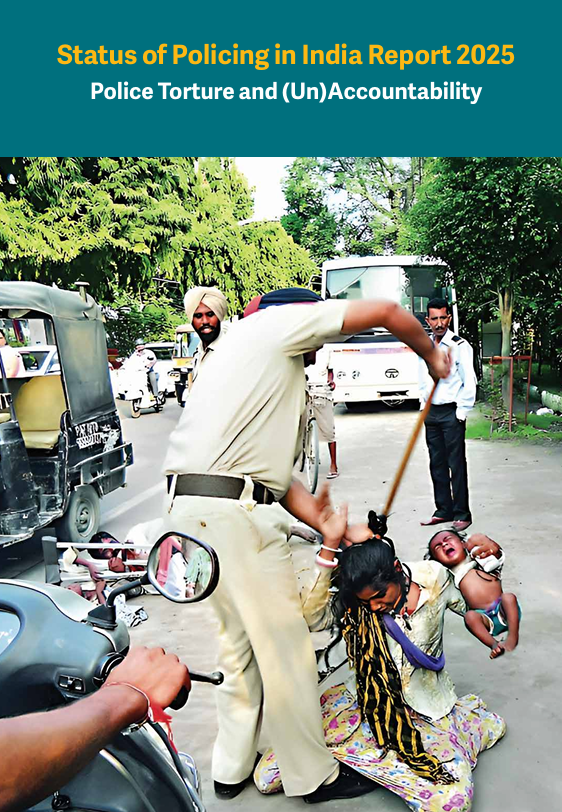
The Status of Policing in India Report (SPIR) 2025. Police Torture and (Un)Accountability

 By Lokniti in collaboration with Common Cause.Despite the prohibition of torture being a provision of the Indian Constitution, custodial torture by the police remains widespread and under-reported. A strong societal belief in the utility of torture as a response to crime normalises its use by the police. Cases of police brutality are generally brushed away and only come to light when they result in death. Fewer still result in inquiries or punitive actions against perpetrators. This SPIR study aims to address the normalisation of police violence by establishing reliable and accurate data on public perception of police violence. Unlike previous SPIR reports, the 2025 study does not account for the views of the common citizens but rather directly explores the perceptions of those in authority- police personnel. The study explores the patterns and practices of routine policing that eventually contribute to the use of violence by the police in their day-to-day operations, such as detention, investigation, arrest and interrogation. The study is designed to be utilised for policy and advocacy. It offers key insights into personnel’s belief in the rule of law and level of legal training.The study investigates the nature and contexts of custodial torture and police brutality in India. Furthermore, it examines the trends of official denial. To understand the enmeshment of law enforcement and society that creates propensities to violence, the survey data assesses police opinions on various parameters, such as frequent crimes and arrests, crime control measures, moral policing and mob violence. Police perceptions of the criminal justice system and its functioning, trials and justice-seekers are also assessed. The study engages with personnel’s views on justifications for custodial violence and torture during arrests, engagements with witnesses, interrogations, etc. In the same vein, the survey also probes into police personnel’s views of judicial scrutiny and accountability of custodial deaths, brutality and “encounters”. Views of other stakeholders involved in the process, such as lawyers, doctors, and judges, on police and magisterial accountability are recounted in the scope of the SPIR, too. Finally, the report evaluates the quality and status of official records on police torture and violence.The survey was conducted in 17 Indian states with a sample of 8,276 police personnel across rural areas, capital cities and urban areas. Of the respondents, 85 per cent were male respondents and the rest were female. 59 per cent of respondent personnel were of constabulary rank, forty per cent of upper subordinate rank and one per cent of IPS level ranks.

New Delhi: Common Cause and Lokniti - Centre for the Study of Developing Societies (CSDS) , 2025. 218p.
The darkest side of the darknet: How do online communities of pedophiles contribute to the justification of sexual violence against children? Reviews of the Police University College 25.

By Salla Huikuri

  Online communities of pedophiles in darknet facilitate sexual violence against children. They provide a criminogenic space for socially sidelined offenders to share and reinforce their sexual distortions. They accommodate illegal Child Sexual Abuse Material and enable its trading, sharing, and exchange. They offer advice on how to protect one’s online identity and how to physically proceed into sexual violence against children. This review deals with online child sexual offenders and their communities in darknet. It defines key terms dealing with online sexual offences against children and discusses different types of child sexual abuse offenders operating online. Moreover, it sheds light on the psychological side of offending – the justifications for sexual violence against children – and elaborates the underlying logics underpinning the respective trains of though in the online communities of pedophiles.  

Tampere: Police University College.   2022.

Addressing Police Turnover: Challenges, Strategies, and Future Research Directions 

By Katherine Hoogesteyn, Meret S. Hofer, Travis A. Taniguchi, and Jennifer R. Rineer

  Maintaining adequate staffing levels to ensure public safety is a critical challenge for law enforcement agencies, especially with rising officer turnover driven by sociopolitical factors and changing workforce demographics. This narrative review examines strategies to enhance officer retention by synthesizing findings from both policing and related fields. These strategies are organized into five categories: (1) compensation and financial incentives, (2) career development and professional growth, (3) workplace environment and support, (4) wellness and resilience, and (5) feedback and organizational learning. The review underscores the importance of context-specific, tailored approaches and calls for rigorous studies to evaluate the implementation and effectiveness of these strategies. Recommendations include adapting organizational structures to foster innovative retention strategies, optimizing resource management, and implementing continuous evaluation processes to promote sustained officer retention.  

  RTI Press Publication No. OP-0096-2503. Research Triangle Park, NC: RTI Press.2025. 22p.

Regional inequality in citizens’ attitudes towards the police and the effect of stop‑and‑search 

By Byeongjun Kim

 Most previous research on inequality in policing has been limited to race and gender. To widen the knowledge of inequality in policing, this study took note of the location as a novel domain based on varying crime rates by area. The data for the study were drawn from the Crime Survey for England and Wales in 2007–2008 and 2017– 2018. Also, it used the stop-and-search data from 2015 to 2018 and the key facts and fgures taken from Her Majesty’s Inspectorate of Constabulary and Fire & Rescue Services (HMICFRS). The study has been structured into two models. Model 1 examined if there are diferences between regions in citizens’ attitudes towards the police in England. It used one-way analysis of variance as a statistical technique and analysed the efect of the region (independent variable) of England on citizens’ attitudes towards the police (dependent variable). Model 2 analysed the efect of several factors: The stop-and-search rate, residential population, police ofce size, and budget on citizens’ attitudes towards the police to fnd causes of the diferences in the attitudes by region using simple linear regression. The study found that there were spatial diferences in citizens’ attitudes towards the police between regions. In addition, surprisingly, the stop-and-search per 1,000 people had a positive efect on citizens’ attitudes towards the police, which contrasted with previous research suggesting a negative efect of stop-and-search on public support. However, the other factors: Population, police ofce size, and budget did not afect citizens’ attitudes towards the police. In conclusion, there is regional inequality in public opinion of policing, and the public opinion of the police is positively afected by the number of police use of stop-and-search.

  Security Journal (2025) 38:56

ENSURING THE SECURE AND SUSTAINABLE DEVELOPMENT OF THE SOCIETY: COUNTERING DRUG TRAFFICKING AT THE GLOBAL LEVEL

By Vladas Tumalavičius

The recent illegal drugs market trends are connected with the flow of new psychoactive substances also through internet resources. Consequently, the states intensified its legislative initiative in this field. In addition there is a current trend related to the use of smuggled controlled substances and new psychoactive substances, illegal cultivation of marijuana as well as the involvement our countries citizens in the trafficking of narcotic substances. The problem of drug addiction has become very topical as an ever increasing number of youth who are involved in narcotics could become a threat to each and every one of us and security of society as a whole. This case study is devoted to the study of the transformation of approaches to ensuring the safety of society and combating drug trafficking at the international level. The aim of this study is to consider the general problem of drug trafficking as a challenge to modern international security and international economics development. The object of the study is the mechanism of combating drug trafficking at the stage of sustainable development. The analytical method, the method of situational analysis, the comparative method, theoretical studies and specific legal research methods were used as methods in the study as methods used in the social sciences to study objective reality. The methodological approach of the study is constructivism and social constructivism. On the one hand, the analysis of the formation of a global regime of non-coercive solution to the problem of drug trafficking requires a constructive analysis. On the other hand, the problems of global governance are best developed today mainly by constructivism. Finally, this case study testifies to the global dominance of shadow entrepreneurs in narco-states and their participation in illegal drug trafficking bypassing the participation of state institutions and confirms the assumption put forward about the lack of implementation of measures to counter this phenomenon on the part at the state level.

Access to Science, Business, Innovation in Digital Economy ISSN 2683-1007 (Online) 2023, 4(3), 409-418

MAPPING SYNTHETIC DRUG MARKETS IN WEST AFRICA

By Lucia Bird | Jason Eligh,  Kingsley Madueke | Mouhamadou Kane

The proliferation of synthetic drugs across West Africa potentially represents one of the most urgent and complex public health and security challenges facing the region. In recent years, the illicit drug landscape has been fundamentally reshaped, moving away from traditional plant-based substances controlled by hierarchical criminal networks towards a fragmented, decentralized market for man-made psychoactive compounds. The harms driven by the synthetic drug market – overdoses, chronic health conditions, severe mental health conditions, community fragmentation – are escalating. Consumption, and consequences, are concentrated in the youth: in the worst-affected countries this poses a serious threat to future stability and economic development. The effects of synthetic drugs in parts of West Africa have become so severe that since 2024 two countries have declared states of emergency – an unprecedented response previously reserved for deadly epidemics and pandemics.1 This report examines the emergence and rapid expansion of this synthetic drug economy in West Africa, detailing how factors such as low barriers to entry, the convenience and anonymity afforded by the proliferation of online platforms and technology, and the minimal capital required for production have enabled a diverse array of new criminal actors to enter the trade. The subsequent influx of substances such as synthetic cannabinoids, nitazenes and other novel compounds of unknown composition, and the expansion of pre-existing synthetic drug markets such as methamphetamine, present a multifaceted threat that is rapidly outpacing the response capacity of regional governments. The breadth and depth of synthetic substance presence globally has grown enormously over the past decade. Increasingly, synthetic substances are being detected in local illicit drug markets that have no prior record of their presence, often being identified as contaminants of, or unknown substitutes for, other more traditional substances. Expanding use of synthetic opioids, particularly tramadol, tramadol derivatives (most prominently tapentadol) and nitazenes in West Africa, is a particularly alarming trend within this growing illicit drug marketplace. These substances, some vital to public health institutions for pain relief and palliative care purposes, have been responsible for a significant increase in drug-related morbidity and mortality worldwide. Their potency and availability pose unprecedented challenges to public health systems and law enforcement agencies alike.

The sheer diversity of substances being synthesized, the inability of existing surveillance systems to effectively identify many of them, and the challenge of interdicting and mitigating their harms significantly impairs the ability of health and security services to respond. Further, the intersection of synthetic drug markets with other illicit activities further complicates efforts to address these challenges effectively. Organized criminal networks leverage the profits generated from synthetic drug production, trafficking and distribution to fund their criminal operations and purchase protection, driving corruption. The report explores the mechanisms driving this rapid expansion in synthetic drug markets in West Africa, analyzing the critical roles of digital technology and globalized supply chains. It looks at how internet penetration across the region has facilitated growth in the online purchase of precursor chemicals and finished products, often from suppliers in Asia and Europe, which are smuggled into the region through difficult-to-monitor channels such as postal and courier services. The report discusses the profound economic incentives that make the synthetic drug trade so attractive, functioning as a ‘bridge’ market that allows new entrants to accumulate capital rapidly. By examining case studies and discussing market trends, the report illustrates how these dynamics have allowed synthetic drugs to capture a growing share of the retail market with alarming speed, potentially leading to devastating social and public health consequences.

Geneva:  Global Initiative Against Transnational Organized Crime. 2026. 47p.

The short-term impacts of the decriminalization of illegal drug possession on clients dispensed opioid agonist treatment medications

By Sami Aftab Abdul , Huan Jiang , .Cayley Russell  , Tara Elton-Marshall ,  et al.

Background

British Columbia, Canada implemented a three-year pilot program on January 31, 2023 decriminalizing personal possession of select illegal drugs. The policy aimed to increase access to health and social services. This analysis evaluated the short-term impacts of decriminalization on clients dispensed opioid agonist treatment (OAT) medications and visits to supervised consumption and overdose prevention services (SCS/OPS).

Methods

Population-based data from 2015 to 2023 were sourced (Pre-decriminalization: Jan 2015–Jan 2023; Post-decriminalization Feb 2023–Dec 2023). Generalized additive models in an interrupted time series design were used to model monthly total and sex-stratified, age-standardized rates of clients and first-time clients dispensed OAT medications per 100,000 population, as well as crude rates of visits to SCS/OPS per 100,000 population. The models tested both immediate level changes (immediate effect at decriminalization) and trend changes (slope changes post-decriminalization).

Results

The models detected no association between decriminalization and changes in clients dispensed OAT medications (Immediate Change β [95 % CI]: −0.001 [−0.012, 0.011]; Trend Change β [95 % CI]: −0.004 [−0.011, 0.003]), first-time clients dispensed OAT medications (Immediate Change β [95 % CI]: 0.115 [−0.049, 0.279]; Trend Change β [95 % CI]: −0.006 [−0.048, 0.035]) or visits to SCS/OPS (Immediate Change β [95 % CI]: 0.048 [−0.100, 0.195]; Trend Change β [95 % CI]: 0.013 [−0.016, 0.043]). Findings for all outcomes remained consistent after stratifying by sex.

Conclusion

Decriminalization was not associated with changes in clients dispensed OAT medications, first-time clients dispensed OAT medications, or visits to SCS/OPS. These findings reflect only the initial eleven months following the implementation of the policy. Given the complexity of factors influencing service utilization, and the introduction of the second amendment which represents a significant rollback of the original exemption, longer-term evaluations are needed to more accurately assess whether decriminalization is contributing to its intended goals.

Journal of Substance Use and Addiction Treatment


Volume 180, January 2026, 209815

A Smarter Way to Fight Mexico’s Cartels

Lee Schlenker

US–Mexico security tensions are reaching potentially unprecedented levels amid repeated threats from President Trump to unilaterally strike Mexican drug cartels, which he now claims “run” the country. The violent reaction by the Cartel Jalisco Nueva Generación, or CJNG, after the Mexican National Guard killed its leader, “El Mencho,” with the support of US military intelligence in late February underscores the broad impacts of cartel terror in Mexico and the lack of neat solutions to eliminating it. 

What restraint-oriented strategies can the United States and Mexico develop together to tackle this scourge? To address the issue of crime and drugs from Mexico, Congress has appropriated $3.6 billion in security assistance between 2008 and 2024, and the Trump administration has designated six Mexican cartels as foreign terrorist organizations. Both of these measures have done little to address the surging demand for illicit narcotics or the “iron river” of US weapons flowing across the border. Meanwhile, Mexican President Claudia Sheinbaum has deployed 10,000 additional troops to the US–Mexico border, transferred almost 100 high-level drug criminals to US custody, and allowed expanded US drone flights over Mexican territory. 

But unilateral US strikes in Mexico and American boots on the ground for joint operations with Mexican personnel remain a red line for Sheinbaum, who, under immense pressure, has overseen targeted interventions in high-crime Mexican states that have led to a 32 percent drop in homicides. 

The Trump administration should focus on three broad policy areas to help effectively stem the flow of illicit narcotics into the United States and weaken transnational criminal threats, while also avoiding counterproductive unilateral military strikes on Mexican territory: 

  • Improved security cooperation and bilateral coordination, including making better use of the Department of Defense’s advise-and-assist, educational, and professional training programs as well as exploring a US advisory role in Mexican command centers over the country’s domestic operations. 

  • Tougher laws to combat arms smuggling, judicial cooperation to disrupt illicit financial networks and money laundering, and joint cross-border investigations into Mexican and US officials credibly alleged of ties to drug trafficking and corruption. 

  • Funding for overdose-prevention and demand-reduction programs, strengthening the Treasury Department’s Counter-Fentanyl Strike Force, and pursuing commercial diplomacy with Mexico and China to stem the production and flow of precursor chemicals. 

Washington, DC: Quincy Institute for Responsible Statecraft

2026. 6p.

Ketamine in Europe, EMPACT situation report

By the European Union Drugs Agency (EUDA);


This report was prepared within the framework of Operational Action 1.5 of the 2024/2025 EMPACT Synthetic Drugs and New Psychoactive Substances action plan, entitled ’Intelligence picture on the trafficking of ketamine in the EU.’ The action was led by Belgium and co-led by Germany and the European Union Drugs Agency (EUDA). It was initiated in response to concerns raised by several Member States regarding indications that ketamine may represent an emerging drug-related issue in Europe.

Increasing challenges related to the availability, supply, non-medical use and associated risks of ketamine have been observed at the global and EU levels. As ketamine is listed by the World Health Organization as an essential medicine and is not subject to international control, systematic reporting is not required in most jurisdictions, creating monitoring blind spots. Within this context, the operational action focused on supporting situational awareness, early identification of potential security risks and, where appropriate, suggesting possible ways forward. This report is based on information contributions from 32 countries.

Luxembourg: Publications Office of the European Union, 2026. 41p.

Shifting Cartel powers: an examination of the impact on U.S. and Mexican law enforcement


By: Ghaleb Krame, Amanda Davies, Magdalena García & Noé Cuervo Vázquez 

This paper explores the power struggle between the Chapitos and Mayiza factions of the Sinaloa Cartel and its implications for U.S. and Mexican law enforcement. Employing scenario analysis, payoff matrices, and Nash equilibria, the study evaluates potential outcomes of this conflict and their impact on cartel power dynamics. While the Cartel de Jalisco Nueva Generación (CJNG) is poised to exploit instability and expand its influence over fentanyl trafficking and key territories, for the United States of America (U.S.A.), this internal fragmentation complicates efforts to control the opioid crisis. In Mexico, Omar García Harfuch faces the challenge of stabilizing cartel-affected regions and countering CJNG’s growth. A Mayiza victory is seen as the most favorable outcome, reducing violence and curbing CJNG’s expansion. Coordinated intelligence-sharing and strategic responses are essential for regional stability.

Security Journal (2025) 38:57

  Nigerian mafia in Italy: the associations with the local organized crime in the migrant trafficking management

By  Maia Sacchetto

  Premising that there are more flexible forms of Nigerian crime, such as small and scattered groups not in connection with each other that operate mainly as drug dealers of small districts in the suburbs of northern Italy, this research focuses on the most structured forms of criminal organizations, those directly descended from the cultist circles born in Nigeria in the '60s and resulted in real mafia associations already in the motherland and then extended throughout Europe. The choice of this theme and this very specific category of Nigerian organized crime is based on the belief that well-structured and organized groups are more dangerous and difficult to counter for three reasons basically: the first is that it is rarer for associates to decide to betray the group to favor information to the police or intelligence. This is because of the closer ties between group members (and in this case this element takes on an even more incisive relevance since the subject is an ethnically based organized mafia in which ethniccultural ties provide the basis for interaction between associates), but also and especially because of the coercive and intimidating forces between members of mafia associations towards the ones prone to cheat on the group; the second is developed from the assumption that a more sophisticated internal structure of the association also corresponds to more elaborate modus operandi and operational strategies that allow prosecutors of illicit activities to camouflage or hide the proceeds of illicit activities; the third reason is closely related to the first and second and consists in the fact that mafia associations that are highly organized and capable of taking advantage of substantial material resources are also more likely to act in a capillary, widespread, large-scale and sprawling manner to the point of infiltrating the legal economy. As will be described in the first chapter of this research, the Black Mafia originated in Nigeria as a protest movement against constituted power and composed mainly of members of Nigeria's leading universities. Over time it expanded, heightened the violence of its manifestations, and began to move out of the realm of mere ideological rebellion by directly affecting public institutions. In a short time, the cults turned into full-fledged clans and began to act in Nigeria as the Italian mafia acts in Italy, intimidating political and economic opponents who would stand between their illicit activities and the achievement of their goals: the accumulation of wealth and power. From the outset, these associations are thus characterized by a high degree of pervasiveness in the political, social and economic structure of their country, as well as multifacetedness by dealing with a massive and varied range of illicit activities, including support in the arms trafficking of terrorist groups such as Boko Haram. With the conclusion of the Cold War, the tearing down of the Berlin Wall and restrictions in the mobility of people, and the emergence of the new globalized and interconnected world, the Black Mafia, which had already shown a remarkable predisposition to expand and sprawl, crossed its national borders. Following a progressive evolution, it has developed into a form of transnational organized crime which according to the UNODC represents the main threat to the security and political and economic stability of states (UNODC, 2006)1 . Undergoing continuous metamorphosis and adapting immediately to the changing needs of the market and globalization, it has then become increasingly sophisticated and pervasive (UNODC, 2018)2 . Out of sheer opportunism, it started allying itself with other forms of crime in order to strengthen its organization and to extend to more and more operators: drug traffickers, arms traffickers, human traffickers, up to encompassing operators that act daily in a regime of legality, all in order to increase their revenues 

The “Nigerian mafia” feedback loop: European police, global media and Nigerian civil society

By Corentin Cohen

This article looks at the discourses regarding Nigerian confraternities’ expansion to Europe. It analyses how networks of individuals working together for solidarity, economic or political objectives became categorized as organised crime or as a mafia. I use original data and police investigations, interviews with members and victims, judges, police officers, and journalists to show how the work of French and Italian institutions led to the emergence and transformation of discourses regarding the “Nigerian mafia” which, in the context of the 2015 migration crisis, came to designate confraternities. The circulation of these categories and frames cannot only be accounted for by the work of state institutions, but needs to be analysed through the sociology of information production and practices, which explains the effects of circular reporting, imposition of frames and narratives coming directly from investigations on criminal issues instead of other approaches to Nigerian migration.


Trends Organ Crim 26, 340–357 (2023

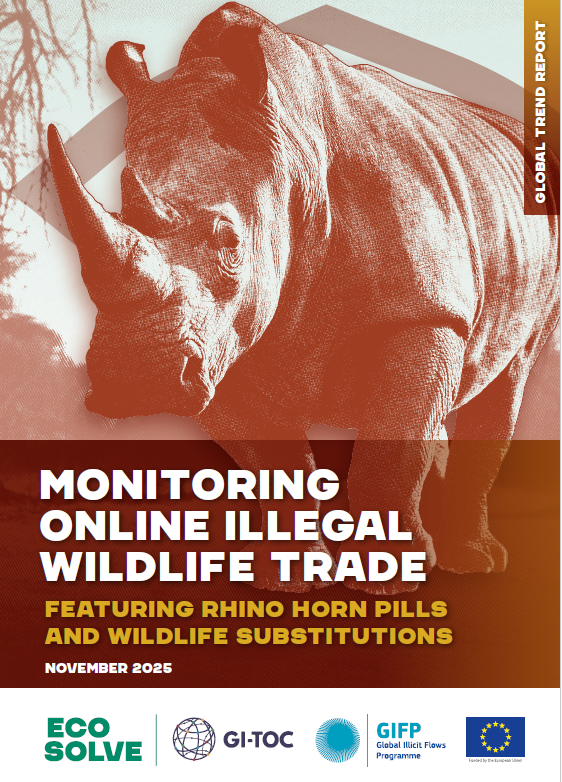
 MONITORING ONLINE ILLEGAL WILDLIFE TRADE. Featuring rhino horn pills and wildlife substitutions

By The Global Initiative Against Transnational Organized CrimeGlobal Initiative Against Transnational Organized Crime,Global Initiative Against Transnational Organized Crime,

Online illegal wildlife trade (IWT) continues to expand across social media and e-commerce platforms, with 13,254 wildlife advertisements detected between April 2024 and August 2025 across Africa, the Americas, Asia and the Middle East. Our monitoring shows a persistent concentration on Facebook, which accounts for 83.8% of all detections, alongside growing activity on e-commerce and business-to-business platforms. The rise in both volume and geographic coverage underscores how sellers exploit online environments, regulatory loopholes and shifting demand to reach consumers and adapt rapidly to enforcement efforts.

Drawing on structured monitoring by ten regional data hubs, this new iteration of the Global Trend Report highlights how species, platforms and market drivers differ widely across regions. Mammals dominate detections, led by elephants, big cats and African grey parrots, and many adverts involve species listed under CITES Appendix I or II without accompanying permit information. Hubs recorded diverse tactics: Facebook Stories designed for 24-hour visibility, coded emojis in Colombia, claims of official registration in Mexico, children’s YouTube channels in South Asia that normalize protected wildlife as pets, and loopholes around legally owned lions in Thailand.

A central focus of the report is North Korea’s Angong Niuhuang Wan (ANW) pills, whose packaging explicitly lists “rhinoceros horn” as an ingredient. Open-source intelligence shows these pills are produced in Pyongyang and moved through Sinuiju and Namyang into China before circulating across markets in Japan, Hong Kong, Singapore, Malaysia, Cambodia, Thailand, Laos, Vietnam and Myanmar. Embedding small amounts of rhino horn into labelled traditional medicine significantly amplifies value and demand, while illustrating how the rhino horn trade intersects with conservation and security concerns, including sanctions evasion and illicit revenue streams linked to North Korean entities.

The report also documents how markets pivot when supply declines or regulations tighten. After all pangolin species were uplisted to CITES Appendix I in 2016, Mexican export data shows an exponential rise in pirarucu leather exports, with pirarucu now positioned as a visually similar substitute. Online markets show mislabelled and misidentified leathers, such as pirarucu sold as pangolin and vice versa, revealing laundering risks along supply chains. Traceability gaps, especially once skins are processed, make verification difficult and complicate enforcement.

Taxidermy and leatherworking form another blind spot. In Mexico, highly active social-media groups advertise mounted specimens, ivory figurines and worked products derived from rhinos, elephants, manta rays, crocodilians, jaguars, pangolins, pirarucu and primates. Adverts frequently lack documentation, rely on coded language and misspellings, and exploit enforcement priorities that remain focused on live trade rather than processed parts.

Finally, declining availability of tiger products has driven substitutions such as lion canines in Thai amulet Facebook groups and jaguar parts sourced from Latin America. Cross-border movements of lion bones and skeletons, and online offers for jaguar skins, teeth and paste show how big-cat parts circulate as substitutes, shaped by availability and legal risk.

Across all hubs and product types, the report demonstrates how online IWT can be linked to global security and sanctions evasion issues, and how it adapts through substitutions, processed wildlife products and regulatory loopholes, reinforcing the need for coordinated monitoring, enforcement and policy responses.

Geneva: Global Initiative Against Transnational Organized Crime, 2025. 35p.

Lower social vulnerability is associated with a higher prevalence of social media-involved violent crimes in Prince George’s County, Maryland, 2018–2023

By Jemar R. Bather, Diana Silver, Brendan P. Gill, Adrian Harris, Jin Yung Bae, Nina S. Parikh & Melody S. Goodman 

Background

Social vulnerability may play a role in social media-involved crime, but few studies have investigated this issue. We investigated associations between social vulnerability and social media-involved violent crimes.

Methods

We analyzed 22,801 violent crimes occurring between 2018 and 2023 in Prince George’s County, Maryland. Social media involvement was obtained from crime reports at the Prince George’s County Police Department. Social media application types included social networking, advertising/selling, ridesharing, dating, image/video hosting, mobile payment, instant messaging/Voice over Internet Protocol, and other. We used the Centers for Disease Control and Prevention’s Social Vulnerability Index to assess socioeconomic status (SES), household characteristics, racial and ethnic minority status, housing type and transportation, and overall vulnerability. Modified Poisson models estimated adjusted prevalence ratios (aPRs) among the overall sample and stratified by crime type (assault and homicide, robbery, and sexual offense). Covariates included year and crime type.

Results

Relative to high tertile areas, we observed a higher prevalence of social media-involved violent crimes in areas with low SES vulnerability (aPR: 1.82, 95% CI: 1.37-2.43), low housing type and transportation vulnerability (aPR: 1.53, 95% CI: 1.17-2.02), and low overall vulnerability (aPR: 1.63, 95% CI: 1.23-2.17). Low SES vulnerability areas were significantly associated with higher prevalences of social media-involved assaults and homicides (aPR: 1.64, 95% CI: 1.02-2.62), robberies (aPR: 2.00, 95% CI: 1.28-3.12), and sexual offenses (aPR: 2.07, 95% CI: 1.02-4.19) compared to high SES vulnerability areas. Low housing type and transportation vulnerability (vs. high) was significantly associated with a higher prevalence of social media-involved robberies (aPR: 1.54, 95% CI:1.01-2.37). Modified Poisson models also indicated that low overall vulnerability areas had higher prevalences of social media-involved robberies (aPR: 1.71, 95% CI: 1.10-2.67) and sexual offenses (aPR: 2.14, 95% CI: 1.05-4.39) than high overall vulnerability areas.

Conclusions

We quantified the prevalence of social media-involved violent crimes across social vulnerability levels. These insights underscore the need for collecting incident-based social media involvement in crime reports among law enforcement agencies across the United States and internationally. Comprehensive data collection at the national and international levels provides the capacity to elucidate the relationships between neighborhoods, social media, and population health.

Inj. Epidemiol. 11, 54 (2024

Creating Insecurity Through Youth Street Groups and Applying Security for Control and Governance. A Case Study of Barcelona Latin Kings

By Eduard Ballesté-Isern & Carles Feixa 

This paper is based on an ethnographic study of the arrests and the subsequent trial and sentencing of a group of Latin Kings and Queens from Barcelona between 2015 and 2020. We analyze the actions carried out by the police, judicial institutions and media to reestablish the “hard handed” discourse in relation to these youth street groups in a time of crisis and precariousness. The concept of a “space of youth street groups” is used to construct a tool for mapping the agents who interact with these groups and the position they occupy in the social space. The interactions between these agents in Barcelona configure a new form of security governance through the creation of subjective insecurity and the promotion of punitive policies against youth street groups.

Crit Crim 30, 741–756 (2022)

  Assessing the Transnational Criminal Capacity of MS-13 in the U.S. and El Salvador 

By Eric Hershberg, Edward Maguire, Steven Dudley

In October 2012, the U.S. government designated MS-13 as a transnational criminal organization (TCO), raising serious questions about the breadth of the gang’s criminal capacity. Some analysts have pointed to a steady growth and professionalization of this criminal organization, but insufficient data has hindered the formulation and implementation of policies aimed at countering this trend. Our multiyear project proposed to fill gaps in the extant literature by conducting qualitative and quantitative research designed to assess MS-13’s transnational criminal capacity. More specifically, our objectives were to: 1) conduct extensive interviews with local stakeholders, gang experts, and MS-13 members in three major metropolitan areas, including two in the U.S. and one in El Salvador; 2) analyze qualitative and quantitative data gathered through tested survey and interview instruments and from official sources, with particular attention to the following factors: type of criminal activities, organizational structure, inter- and intra-gang relationships, level of community penetration, accumulation of social capital, development and migration patterns, and recruitment strategies; 3) utilize social network analysis techniques to quantify the social reach of gang member respondents; and 4) disseminate project findings to relevant constituencies in law enforcement, policymaking circles, academe, and the general public. The purpose of our research was to provide policymakers and law enforcement officials with a comprehensive understanding of MS-13 by measuring the extent and range of the organization’s criminal activity and mapping its social networks. Our goal was to generate empirical data that could serve as a foundation upon which to shape new policies and practices. Specifically, our hope was that the data would provide insights regarding the optimal allocation of law enforcement resources, the likely movements of MS-13, and the design of intervention and suppression strategies. 

Washington DC: U..S. Department of Justice,  2019. 11p.

Conceptualising criminal wars in Latin America

By Raúl Zepeda Gil

Violence rising in Latin America since the early 1990s has puzzled media, policymakers and academia. Characterising high scales of violence in non-political confrontations has been one of the main challenges. The main argument of this essay is that the hybrid criminal nature of violence in Latin America by non-state organisations has pushed the discussion to several misinterpretations and conceptual stretching that produces fog rather than clarity. Instead, this essay proposes a concept of criminal war that can capture the complex nature of violence in Latin America by drawing convergences and divergences from diverse fields of literature and confronting usual mischaracterisations in current Latin American research.


Third World QuarTerly, 2023, Vol. 44, No. 4, 776–794

A systematic evidence map of intervention evaluations to reduce gang-related violence


By : M. Richardson, M. Newman, G. Berry, C. Stansfield, A. Coombe & J. Hodgkinson

  • Objective

    To identify and map evaluations of interventions on gang violence using innovative systematic review methods to inform future research needs.

    Methods

    A previous iteration of this map (Hodgkinson et al., (2009). “Reducing gang-related crime: A systematic review of ‘comprehensive’ interventions.”) was updated in 2021/22 with inclusion of evaluations since the original searches in 2006. Innovative automatic searching and screening was used concurrently with a ‘conventional’ strategy that utilised 58 databases and other online resources. Data were presented in an online interactive evidence gap map.

    Results

    Two hundred and forty-eight evaluations were described, including 114 controlled studies, characterised as comprehensive interventions, encompassing more than one distinct type of intervention.

    Conclusion

    This suggests a substantial body of previously unidentified robust evidence on interventions that could be synthesised to inform policy and practice decision-making. Further research is needed to investigate the extent to which using automated methodologies can improve the efficiency and quality of systematic reviews.

  •  J Exp Criminol 20, 1125–1146 (2024).

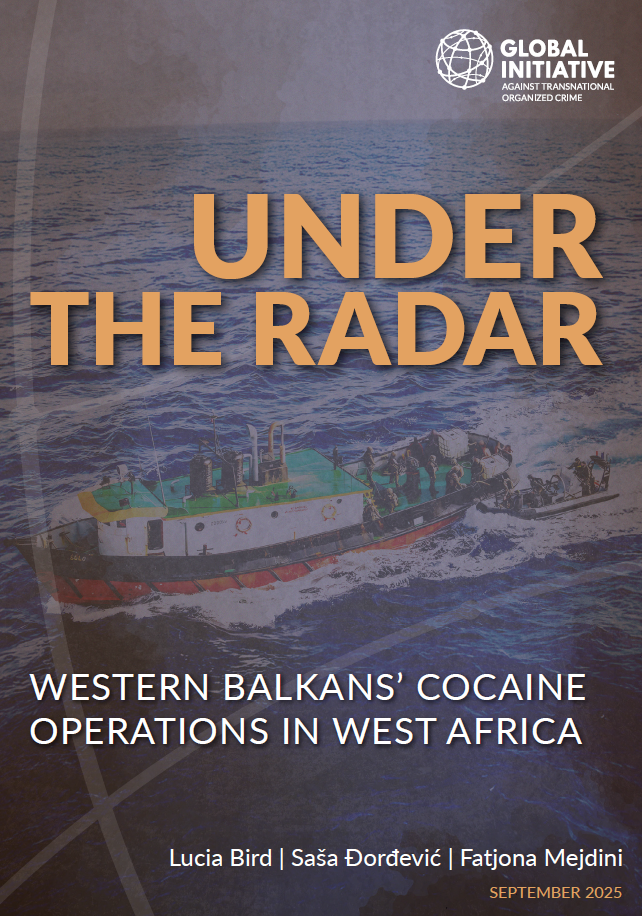
  UNDER THE RADAR.  WESTERN BALKANS’ COCAINE OPERATIONS IN WEST AFRICA 


By  Lucia Bird | Saša Đorđević | Fatjona Mejdini 

Western Balkans criminal groups, comprising both Albanian- and Slavic-speaking networks, have become dominant players in the global cocaine trade. While their influence in Europe and Latin America has been well documented, their growing role in West Africa has largely flown under the radar. Since 2019, these groups have expanded their operations in West Africa, using the region as a critical logistical, storage and redistribution hub for cocaine shipments en route to European consumption markets and beyond. This expansion has been shaped by their effective leverage of geography, governance weaknesses and infrastructure, both hard and digital. Initially limited to occasional trafficking links, the Western Balkan groups have deepened their presence across West Africa’s coastal states, including Senegal, Sierra Leone, Gambia, Guinea-Bissau and Cabo Verde. This growing focus on West Africa was driven by rising demand for cocaine in Europe, increased enforcement on direct routes to Europe and strengthened partnerships with Latin American cartels, especially Brazil’s Primeiro Comando da Capital (PCC). Western Balkan groups now operate through multiple trafficking methods in West Africa, exploiting fully containerized routes, non-containerized shipments (i.e. shipments not stored in containers, but hidden elsewhere on vessels) by other types of vessels, trans-shipments at sea and in-region containerization to conceal the cocaine’s origin. They have embedded brokers in West African countries who organize logistics, establish infrastructure and liaise with local actors. In Sierra Leone, for example, they have reportedly established companies to launder funds and warehouses to store and repackage cocaine, coordinating onward shipments through formal seaports using legitimate cargo. These brokers are key to operations and are often shared among the different groups. The groups’ structures are flexible and typically consist of small, trusted units supported by collaborators. Groups leverage local vulnerabilities to build relationships with corrupt law enforcement, port operators and security services. Particularly significant Western Balkan groups in West Africa include the Montenegrin Kavač clan and its rival, the Škaljari clan. The Kavač clan’s operations have been linked to ports in Brazil and Sierra Leone, with brokers overseeing logistics from Freetown. As we explain in this report, in some cases a single broker will work with more than one group from the Western Balkans. In parallel, Albanian-speaking groups, which have a strong presence in Spain and Brazil, have been operating through countries including Senegal and Gambia, sometimes collaborating with the Italian ‘Ndrangheta or the PCC. The example of an Albanian national who, according to Brazilian law enforcement investigations, is a major European supplier coordinating shipments through West Africa from Brazil, exemplifies the growing use of multi-tonne cocaine operations routed through the Gulf of Guinea. Looking ahead, Western Balkan groups are likely to further entrench themselves in West Africa, gradually relying less on their alliances with the ‘Ndrangheta, the PCC and other Western Balkan groups and instead investing directly in infrastructure and protection mechanisms. As in Latin America, their growing presence is likely to be accompanied by deeper corruption, potential violence and fragmentation into more autonomous cells. To address the growing role of Western Balkan criminal groups in West Africa, a coordinated response should focus on three key pillars. First, strategic cross-continental partnerships should be built with law enforcement, port authorities and international actors, underpinned by a political-economy analysis, to strengthen cooperation and to identify aligned priorities. Second, an enhanced data picture, drawing on a wider range of formal and informal sources, is needed to map trafficking routes and financial flows more effectively and to empower regional and international actors to tailor their risk assessments of specific routes, to profile criminal actors and to develop viable strategies for detection and disruption. Third, smart targeting strategies that prioritize brokers should be adopted, supported by parallel financial and criminal investigations. 

Geneva:  Global Initiative Against Transnational Organized Crime   2025. 61p.

Gang Homicide and the Unequal Distribution of Disadvantage: Revisiting Krivo and Peterson’s Threshold Effects 25 Years Later

By C. Proffit


Twenty-five years ago, Krivo and Peterson wrote a seminal piece on the context of disadvantage and its threshold effects. In The Structural Context of Homicide: Accounting for Racial Differences in the Process, they emphasize that extreme contexts of disadvantage may diminish the significance of certain structural conditions that contribute to higher crime rates, particularly in relation to homicide. However, remarkably few studies consider the threshold effects of disadvantage when studying homicide. Although their research primarily focuses on race groups and the varying degree of disadvantage as a crime-generating condition, the unequal distribution of disadvantage in communities may have unique effects on certain forms of violence, particularly gang homicide. This study will (1) explore how community predictors of gang homicide differ across contexts by comparing neighborhoods with extreme levels of disadvantage to those with low-moderate levels of disadvantage and (2) examine differences in this context of disadvantage between gang-related and nongang-related homicide to assess if differences emerge between these categorizations of lethal violence. Findings reaffirmed Krivo and Peterson’s conclusion. Disadvantage was associated with increases in gang homicide only in low to moderately disadvantaged areas while effects diminished in extremely disadvantaged communities.


  American Journal of Criminal Justice , July 2025