Open Access Publisher and Free Library
CRIME+CRIMINOLOGY.jpeg

CRIME

Violent-Non-Violent-Cyber-Global-Organized-Environmental-Policing-Crime Prevention-Victimization

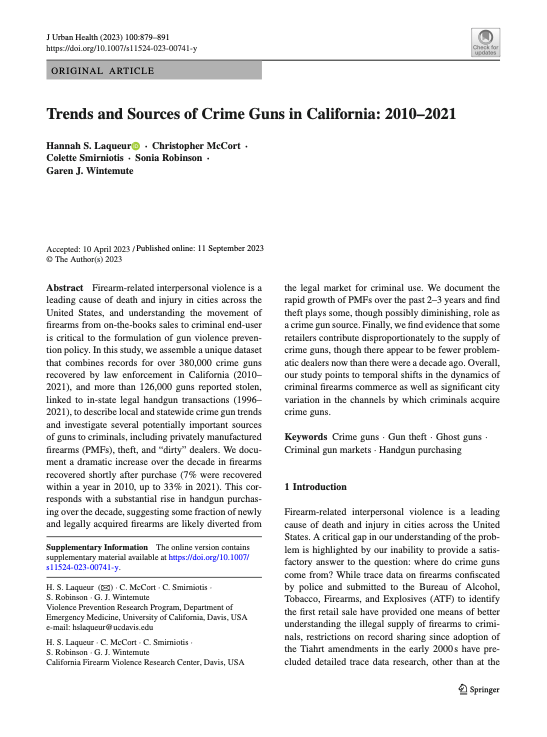
Trends and Sources of Crime Guns in California: 2010–2021

By  Hannah S. Laqueur · Christopher McCort · Colette Smirniotis · Sonia Robinson · Garen J. Wintemute

Firearm-related interpersonal violence is a leading cause of death and injury in cities across the United States, and understanding the movement of firearms from on-the-books sales to criminal end-user is critical to the formulation of gun violence prevention policy. In this study, we assemble a unique dataset that combines records for over 380,000 crime guns recovered by law enforcement in California (2010– 2021), and more than 126,000 guns reported stolen, linked to in-state legal handgun transactions (1996– 2021), to describe local and statewide crime gun trends and investigate several potentially important sources of guns to criminals, including privately manufactured firearms (PMFs), theft, and “dirty” dealers. We document a dramatic increase over the decade in firearms recovered shortly after purchase (7% were recovered within a year in 2010, up to 33% in 2021). This corresponds with a substantial rise in handgun purchasing over the decade, suggesting some fraction of newly and legally acquired firearms are likely diverted from the legal market for criminal use. We document the rapid growth of PMFs over the past 2–3 years and find theft plays some, though possibly diminishing, role as a crime gun source. Finally, we find evidence that some retailers contribute disproportionately to the supply of crime guns, though there appear to be fewer problematic dealers now than there were a decade ago. Overall, our study points to temporal shifts in the dynamics of criminal firearms commerce as well as significant city variation in the channels by which criminals acquire crime guns. 

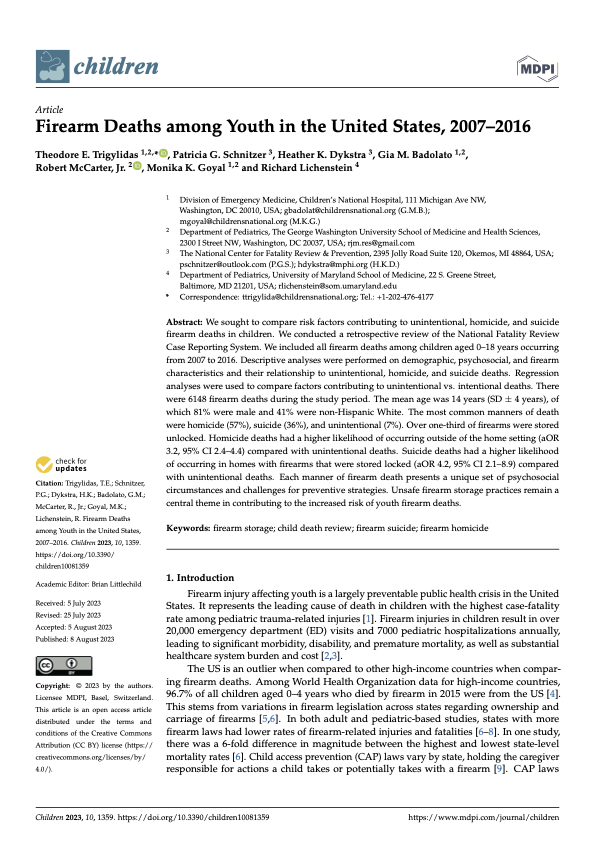
Firearm Deaths among Youth in the United States, 2007–2016

By Theodore E. Trigylidas  , Patricia G. Schnitzer  , Heather K. Dykstra  , Gia M. Badolato  , Robert McCarter, Jr. , Monika K. Goyal and Richard Lichenstein 

We sought to compare risk factors contributing to unintentional, homicide, and suicide firearm deaths in children. We conducted a retrospective review of the National Fatality Review Case Reporting System. We included all firearm deaths among children aged 0–18 years occurring from 2007 to 2016. Descriptive analyses were performed on demographic, psychosocial, and firearm characteristics and their relationship to unintentional, homicide, and suicide deaths. Regression analyses were used to compare factors contributing to unintentional vs. intentional deaths. There were 6148 firearm deaths during the study period. The mean age was 14 years (SD ± 4 years), of which 81% were male and 41% were non-Hispanic White. The most common manners of death were homicide (57%), suicide (36%), and unintentional (7%). Over one-third of firearms were stored unlocked. Homicide deaths had a higher likelihood of occurring outside of the home setting (aOR 3.2, 95% CI 2.4–4.4) compared with unintentional deaths. Suicide deaths had a higher likelihood of occurring in homes with firearms that were stored locked (aOR 4.2, 95% CI 2.1–8.9) compared with unintentional deaths. Each manner of firearm death presents a unique set of psychosocial circumstances and challenges for preventive strategies. Unsafe firearm storage practices remain a central theme in contributing to the increased risk of youth firearm deaths. 

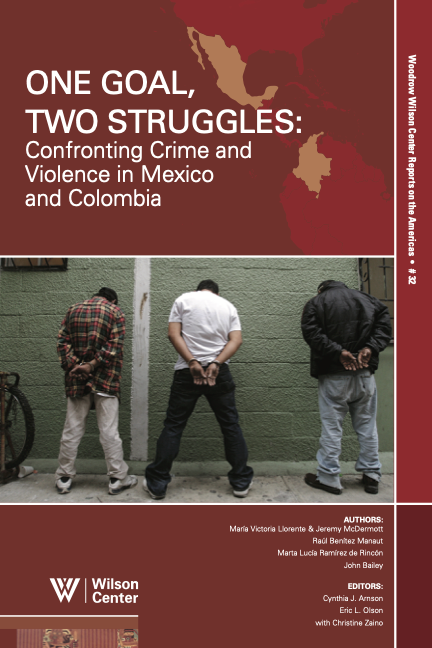
ONE GOAL, TWO STRUGGLES: Confronting Crime and Violence in Mexico and Colombia

By María Victoria Llorente and Jeremy McDermott,  Raúl Benítez Manaut , Marta Lucía Ramírez de Rincón , John Bailey

Since the mid-2000s, violence related to drug trafficking and other transnational crime has increased exponentially in Mexico. By the end of the decade the public began to seriously doubt the government’s strategy and its ability to guarantee public safety. The nature and intensity of violence in Mexico brought forth memories of the 1980s and ’90s in Colombia, when the country was besieged by the Medellín and Cali drug cartels. Over the course of more than a decade, Colombia’s security situation has improved dramatically; it has become an “exporter” of security expertise and has trained thousands of military and police personnel in Mexico, Central and South America, and the Caribbean as well as around the world. What aspects of Colombia’s strategy and tactics for fighting organized crime in its own territory offer useful lessons for Mexico? What might Colombia’s steps and missteps offer by way of example or counter-example? What is unique about each case such that comparisons are misleading? What do current security challenges in Colombia suggest about the threat posed by organized crime more generally? In One Goal, Two Struggles: Confronting Crime and Violence in Mexico and Colombia, international experts address the utility of comparing Colombia and Mexico’s experiences and strategy for combatting organized crime and violence more generally.

Pathways of post-conflict violence in Colombia

By Juan Albarracín, Juan Corredor-Garcia, Juan Pablo Milanese, Inge H. Valencia & Jonas Wolff

Violence in post-conflict settings is often attributed to a post-war boom in organized crime, facilitated by the demobilization of armed groups and the persisting weakness of the state. The article argues that this is only one pathway of post-conflict violence. A second causal pathway emerges from the challenges that peace processes can constitute for entrenched local political orders. By fostering political inclusion, the implementation of peace agreements may threaten subnational political elites that have used the context of armed conflict to ally with armed non-state actors. Violence is then used as a means to preserve such de facto authoritarian local orders. We start from the assumption that these two explanations are not exclusive or competing, but grasp different causal processes that may well both be at work behind the assassination of social leaders (líderes sociales) in Colombia since the 2016 peace agreement with the FARC guerrilla. We argue that this specific type of targeted violence can, in fact, be attributed to different, locally specific configurations that resemble the two pathways. The article combines fuzzy-set Qualitative Comparative Analysis with the case studies of the municipalities

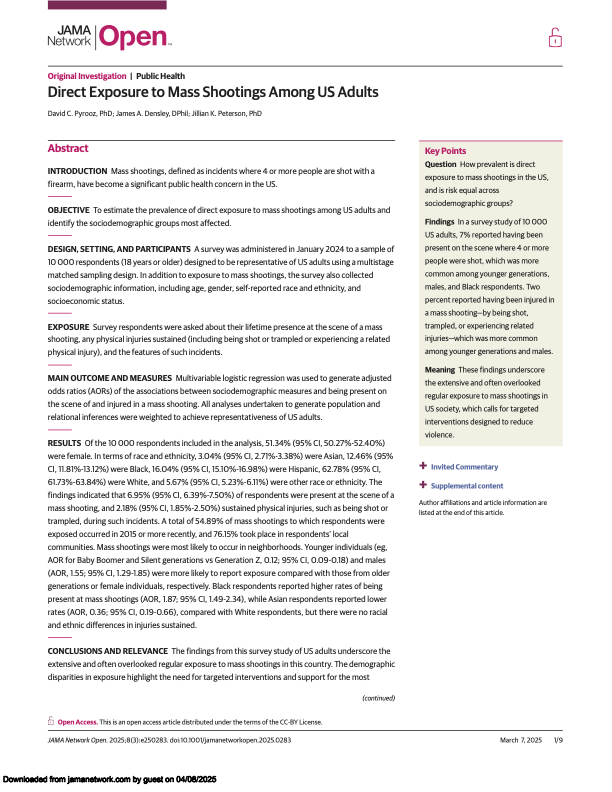
Direct Exposure to Mass Shootings Among US Adults 

By David C. Pyrooz,  James A. Densley, Jillian K. Peterson

INTRODUCTION Mass shootings, defined as incidents where 4 or more people are shot with a firearm, have become a significant public health concern in the US.

OBJECTIVE To estimate the prevalence of direct exposure to mass shootings among US adults and identify the sociodemographic groups most affected.

DESIGN, SETTING, AND PARTICIPANTS A survey was administered in January 2024 to a sample of 10 000 respondents (18 years or older) designed to be representative of US adults using a multistage matched sampling design. In addition to exposure to mass shootings, the survey also collected sociodemographic information, including age, gender, self-reported race and ethnicity, and socioeconomic status.

EXPOSURE Survey respondents were asked about their lifetime presence at the scene of a mass shooting, any physical injuries sustained (including being shot or trampled or experiencing a related physical injury), and the features of such incidents.

MAIN OUTCOME AND MEASURES Multivariable logistic regression was used to generate adjusted odds ratios (AORs) of the associations between sociodemographic measures and being present on the scene of and injured in a mass shooting. All analyses undertaken to generate population and relational inferences were weighted to achieve representativeness of US adults.

RESULTS Of the 10 000 respondents included in the analysis, 51.34% (95% CI, 50.27%-52.40%) were female. In terms of race and ethnicity, 3.04% (95% CI, 2.71%-3.38%) were Asian, 12.46% (95% CI, 11.81%-13.12%) were Black, 16.04% (95% CI, 15.10%-16.98%) were Hispanic, 62.78% (95% CI, 61.73%-63.84%) were White, and 5.67% (95% CI, 5.23%-6.11%) were other race or ethnicity. The findings indicated that 6.95% (95% CI, 6.39%-7.50%) of respondents were present at the scene of a mass shooting, and 2.18% (95% CI, 1.85%-2.50%) sustained physical injuries, such as being shot or trampled, during such incidents. A total of 54.89% of mass shootings to which respondents were exposed occurred in 2015 or more recently, and 76.15% took place in respondents’ local communities. Mass shootings were most likely to occur in neighborhoods. Younger individuals (eg, AOR for Baby Boomer and Silent generations vs Generation Z, 0.12; 95% CI, 0.09-0.18) and males (AOR, 1.55; 95% CI, 1.29-1.85) were more likely to report exposure compared with those from older generations or female individuals, respectively. Black respondents reported higher rates of being present at mass shootings (AOR, 1.87; 95% CI, 1.49-2.34), while Asian respondents reported lower rates (AOR, 0.36; 95% CI, 0.19-0.66), compared with White respondents, but there were no racial and ethnic differences in injuries sustained. CONCLUSIONS AND RELEVANCE The findings from this survey study of US adults underscore the extensive and often overlooked regular exposure to mass shootings in this country. The demographic disparities in exposure highlight the need for targeted interventions and support for the most affected groups, particularly younger generations and males. Understanding these patterns is essential for addressing the broader impacts of gun violence on public health and community well-being. 

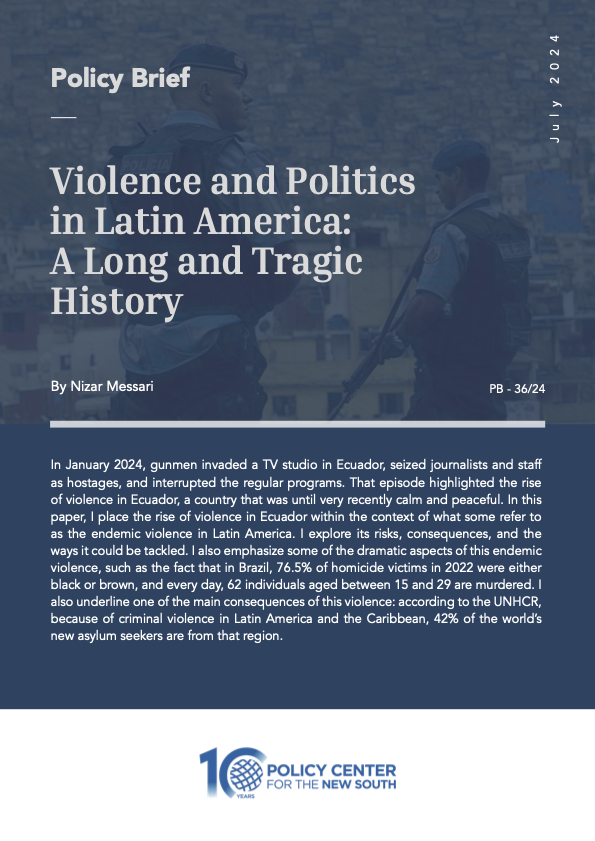
Violence and Politics in Latin America: A Long and Tragic History

By Nizar Messari  

 In January 2024, gunmen invaded a TV studio in Ecuador, seized journalists and staff as hostages, and interrupted the regular programs. That episode highlighted the rise of violence in Ecuador, a country that was until very recently calm and peaceful. In this paper, I place the rise of violence in Ecuador within the context of what some refer to as the endemic violence in Latin America. I explore its risks, consequences, and the ways it could be tackled. I also emphasize some of the dramatic aspects of this endemic violence, such as the fact that in Brazil, 76.5% of homicide victims in 2022 were either black or brown, and every day, 62 individuals aged between 15 and 29 are murdered. I also underline one of the main consequences of this violence: according to the UNHCR, because of criminal violence in Latin America and the Caribbean, 42% of the world’s new asylum seekers are from that region.

Surveillance for Violent Deaths — National Violent Death Reporting System, 50 States, the District of Columbia, and Puerto Rico, 2022

By Kaitlin Forsberg, Kameron J Sheats, Janet M Blair, Brenda L Nguyen, Esther Amoakohene, Carter J Betz, Bridget H Lyons

Problem/Condition: In 2022, approximately 24,000 persons died of homicide and approximately 49,000 persons died of suicide in the United States, according to the National Vital Statistics System. This report summarizes data from CDC’s National Violent Death Reporting System (NVDRS) on suicides, homicides, legal intervention deaths, unintentional firearm injury deaths, and deaths of undetermined intent that occurred in the 50 states, the District of Columbia, and Puerto Rico in 2022. Results are reported by sex, age group, race and ethnicity, method of injury, type of location where the injury occurred, circumstances of injury, and other selected characteristics. In contrast to the 2021 NVDRS report, which collected data from a subset of states and included suicide data for persons aged ≥10 years, this report includes data from all 50 states, the District of Columbia, and Puerto Rico, and includes suicide data for all ages.

Period Covered: 2022.

Description of System: NVDRS collects data from death certificates, coroner and medical examiner reports, and law enforcement reports. This report includes data collected for violent deaths and suicides that occurred in 2022. Data were collected from all 50 states, the District of Columbia, and Puerto Rico. A total of 47 states had statewide data, three states had data from counties representing a subset of their population (32 California counties, representing 68% of its population; 32 Florida counties, representing 70% of its population; and 13 Texas counties, representing 63% of its population), and the District of Columbia and Puerto Rico had jurisdiction-wide data. NVDRS collates information for each death and links deaths that are related (e.g., multiple homicides, homicide followed by suicide, or multiple suicides) into a single incident.

Results: For 2022, NVDRS collected information on 72,127 fatal incidents involving 74,148 deaths that occurred in all 50 states and the District of Columbia. In addition, data were collected for 727 fatal incidents involving 809 deaths in Puerto Rico, which were analyzed separately. Of the 74,148 deaths that occurred in 50 states and the District of Columbia, the majority (60.6%) were suicides, followed by homicides (30.2%), deaths of undetermined intent (7.1%), legal intervention deaths (1.4%) (i.e., deaths caused by law enforcement and other persons with legal authority to use deadly force acting in the line of duty, excluding legal executions, without denoting the lawfulness or legality of the circumstances surrounding the death), and unintentional firearm injury deaths (<1.0%). Of the 809 deaths that occurred in Puerto Rico, 73.9% were homicides and 23.5% were suicides.

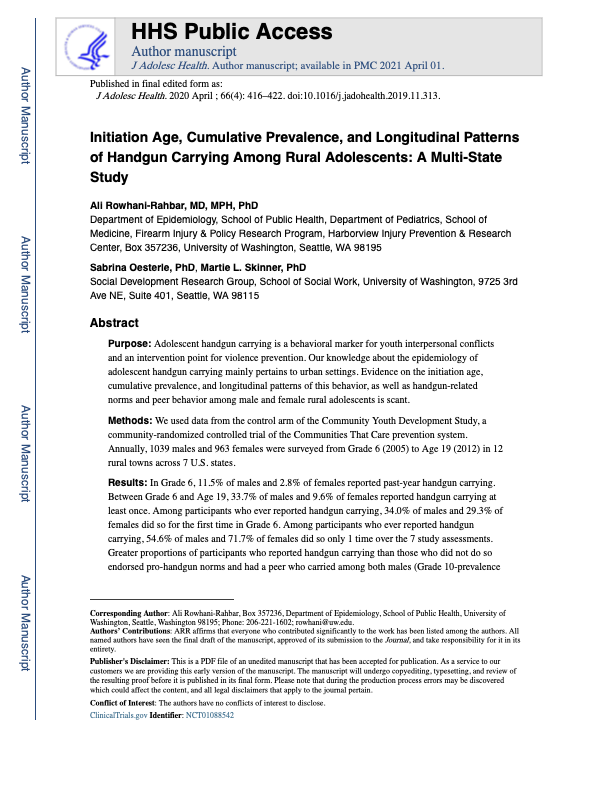
Initiation Age, Cumulative Prevalence, and Longitudinal Patterns of Handgun Carrying Among Rural Adolescents: A Multistate Study.

By Ali Rowhani-Rahbar, Sabrina Oesterle , Martie L Skinner

Purpose: Adolescent handgun carrying is a behavioral marker for youth interpersonal conflicts and an intervention point for violence prevention. Our knowledge about the epidemiology of adolescent handgun carrying mainly pertains to urban settings. Evidence on the initiation age, cumulative prevalence, and longitudinal patterns of this behavior and on handgun-related norms and peer behavior among male and female rural adolescents is scant.

Methods: We used data from the control arm of the Community Youth Development Study, a community-randomized controlled trial of the Communities That Care prevention system. Annually, 1,039 males and 963 females were surveyed from Grade 6 (2005) to age 19 years (2012) in 12 rural towns across seven U.S. states.

Results: In Grade 6, 11.5% of males and 2.8% of females reported past-year handgun carrying. Between Grade 6 and age 19 years, 33.7% of males and 9.6% of females reported handgun carrying at least once. Among participants who ever reported handgun carrying, 34.0% of males and 29.3% of females did so for the first time in Grade 6. Among participants who ever reported handgun carrying, 54.6% of males and 71.7% of females did so only one time over the seven study assessments. Greater proportions of participants who reported handgun carrying than those who did not do so endorsed prohandgun norms and had a peer who carried among both males (Grade 10: prevalence difference = 57%; 95% CI: 46%-67%) and females (Grade 10: prevalence difference = 45%; 95% CI: 12%-78%).

Conclusions: Rural adolescent handgun carrying is not uncommon and warrants etiologic research for developing culturally appropriate and setting-specific prevention programs.

Characterizing Violence Intervention Street Outreach Participants and Service Dosage: Implications for Measurement and Evaluation

By Marisa Ross, Susan Burtner, and Andrew Papachristos

Introduction: Community violence intervention street outreach (CVI-SO) strategies are growing in popularity as non-punitive approaches to solving the public health problem of community gun violence. Evidence on the effectiveness of CVI-SO on rates of violence is mixed and faces challenges due to concerns with documentation and data privacy, intentional selection bias in program design, and variation in participant risk and needs. Effective evaluation requires methods that accurately capture the scope and delivery of services, starting with a greater understanding of the services CVI participants receive and how they vary based on individual characteristics.

Methods: This study explores the services that participants received from a coalition of Chicago CVI organizations from 2017–2023. Considering administrative and programmatic data from over 4,000 participants’ nearly 200,000 interactions with providers, the researchers examine patterns in demographics, network-based risk factors, and service provision and dosage. They then use descriptive and latent profile analyses to characterize the “typical” participant in Chicago.

Results: Results show that CVI work relies heavily on long-term mentoring relationships. Service patterns show that latent groups exist with varying dosage: higher dosage participants with higher risk for gun violence receive more frequent contacts over longer periods, demonstrating how organizations adjust their approach based on participant needs. Profiles that primarily receive behavioral or social supports-related services also emerge.

Conclusions: Findings underscore the need for evaluation frameworks that capture both the strategic variation in service delivery and the multiple pathways through which CVI programs influence participant outcomes.

Prevalence of Adolescent Handgun Carriage: 2002-2019

By: Naoka Carey, Rebekah Levine Coley

Objectives: This study explores the changing prevalence of adolescent handgun carriage, with attention to differences across sociodemographic groups.Methods: Data were drawn from repeated cross-sectional, nationally representative surveys conducted annually from 2002 to 2019, the National Survey on Drug Use & Health. The study sample included adolescents aged 12 to 17 (N = 297 055). Logistic regression models estimated the prevalence of past year handgun carriage across cohort and sociodemographic subgroups. Interactions between 4-time cohorts and other variables explored sociodemographic variability in prevalence rates over time.

Results: Handgun carriage increased significantly, particularly among rural, White, and higher-income adolescents. Carriage increased by 41% over cohorts, with predicted prevalence rates increasing from 3.3% in 2002-2006 to 4.6% in 2015-2019. Across cohorts, rural (5.1%), American Indian/Alaskan Native (5.2%), lower-income (<$20 000; 3.9%), male (5.9%), and older (16-17 years old; 4.5%) adolescents were the most likely to report carriage. However, these patterns changed significantly over time, with White and higher-income adolescents (>$75 000) most likely to carry in the most recent cohorts. Predicted carriage rates increased from 3.1% to 5.3% among White adolescents, from 2.6% to 5.1% among higher-income adolescents, and from 4.3% to 6.9% among rural adolescents between the 2002-2006 and 2015-2019 cohorts. Carriage among Black, American Indian/Alaskan Native, and lower-income adolescents decreased.Conclusions: Adolescent handgun carriage is increasing, concentrated among particular subgroups of youth, and carriage patterns across sociodemographic groups have changed over time. Programs to address the risk of adolescent gun carriage should be tailored to the specific sociocultural and place-based concerns of diverse adolescents.

The Effect of Permissive Gun Laws on Crime

By John J. Donohue

Substantial evidence has documented a powerful “instrumentality†effect: the more lethal the weaponry employed, the greater the likelihood that death will result from any given assault. This finding provides the foundation for the subsequent findings that a variety of measures that restrict the prevalence or limit the permissible types of lethal weaponry can lower the costs of gun violence. The literature has advanced to the point that there is a sufficient empirical basis to call for the elimination of right-to-carry laws, to reestablish bans on assault weapons and high-capacity magazines, to maintain restrictions on youthful access to guns, and to repeal stand-your-ground laws. The Supreme Court’s recent decision expanding the scope of the Second Amendment in New York State Rifle and Pistol Association v. Bruen shows a concerning disinterest in the importance of these empirical findings.

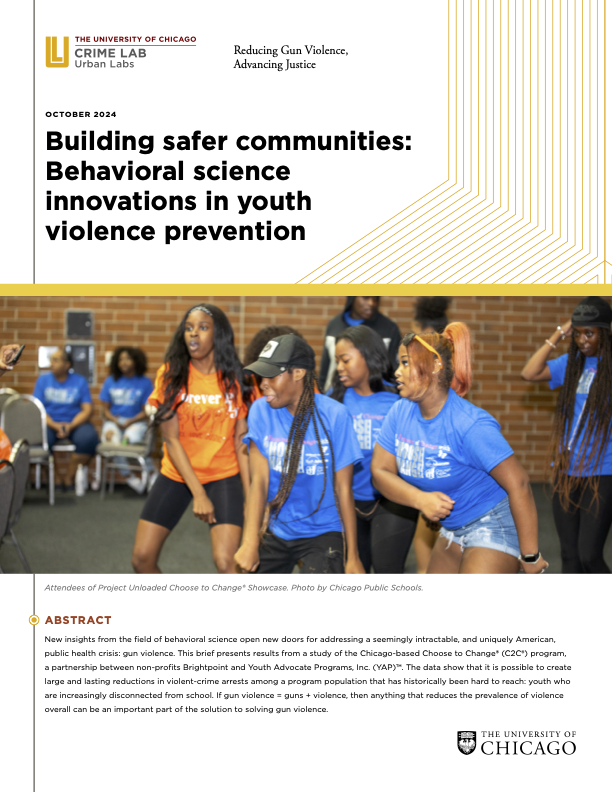
Building safer communities: Behavioral science innovations in youth violence prevention

By University of Chicago, Crime Lab

New insights from the field of behavioral science open new doors for addressing a seemingly intractable, and uniquely American, public health crisis: gun violence. This brief presents results from a study of the Chicago-based Choose to Change® (C2C®) program, a partnership between non-profits Brightpoint and Youth Advocate Programs, Inc. (YAP)™. The data show that it is possible to create large and lasting reductions in violent-crime arrests among a program population that has historically been hard to reach: youth who are increasingly disconnected from school. If gun violence = guns + violence, then anything that reduces the prevalence of violence overall can be an important part of the solution to solving gun violence.  

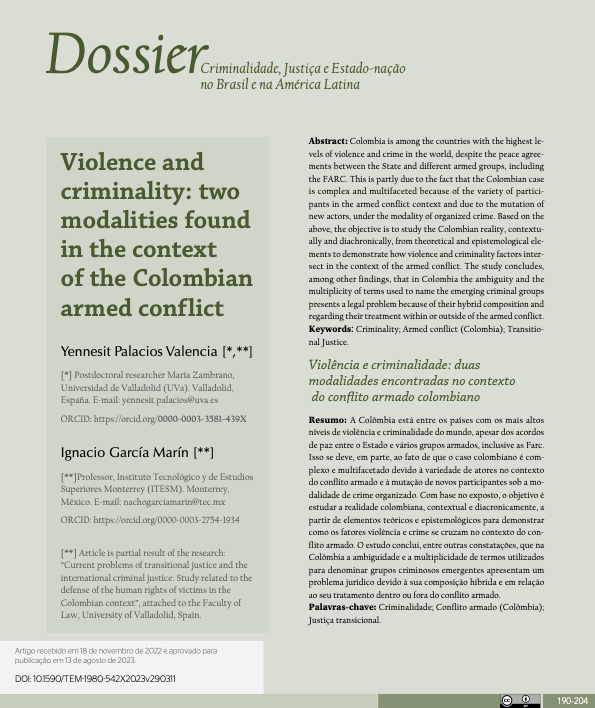
Violence and criminality: two modalities found in the context of the Colombian armed conflict 

By Yennesit Palacios Valencia and Ignacio García Marín

  Colombia is among the countries with the highest levels of violence and crime in the world, despite the peace agreements between the State and different armed groups, including the FARC. This is partly due to the fact that the Colombian case is complex and multifaceted because of the variety of participants in the armed conflict context and due to the mutation of new actors, under the modality of organized crime. Based on the above, the objective is to study the Colombian reality, contextually and diachronically, from theoretical and epistemological elements to demonstrate how violence and criminality factors intersect in the context of the armed conflict. The study concludes, among other findings, that in Colombia the ambiguity and the multiplicity of terms used to name the emerging criminal groups presents a legal problem because of their hybrid composition and regarding their treatment within or outside of the armed conflict

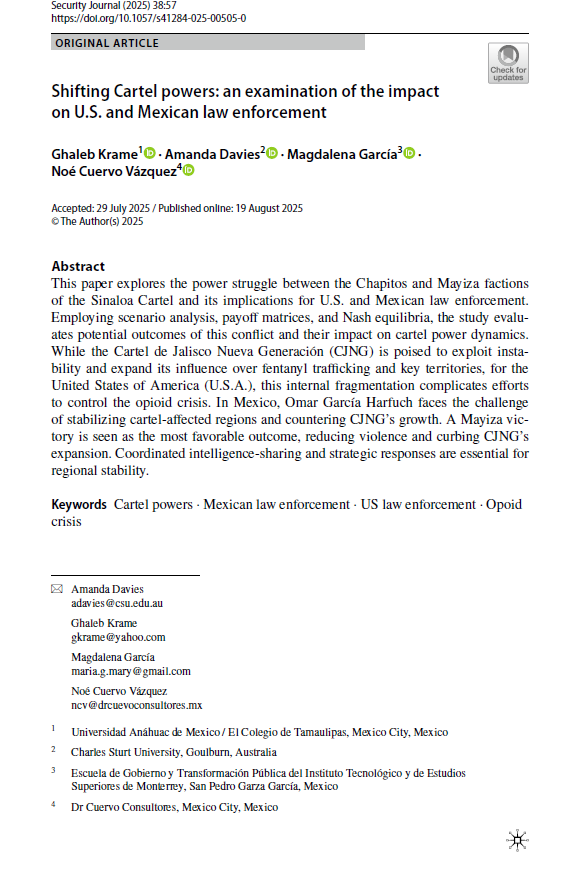
Shifting Cartel powers: an examination of the impact on U.S. and Mexican law enforcement


By: Ghaleb Krame, Amanda Davies, Magdalena García & Noé Cuervo Vázquez 

This paper explores the power struggle between the Chapitos and Mayiza factions of the Sinaloa Cartel and its implications for U.S. and Mexican law enforcement. Employing scenario analysis, payoff matrices, and Nash equilibria, the study evaluates potential outcomes of this conflict and their impact on cartel power dynamics. While the Cartel de Jalisco Nueva Generación (CJNG) is poised to exploit instability and expand its influence over fentanyl trafficking and key territories, for the United States of America (U.S.A.), this internal fragmentation complicates efforts to control the opioid crisis. In Mexico, Omar García Harfuch faces the challenge of stabilizing cartel-affected regions and countering CJNG’s growth. A Mayiza victory is seen as the most favorable outcome, reducing violence and curbing CJNG’s expansion. Coordinated intelligence-sharing and strategic responses are essential for regional stability.

Security Journal (2025) 38:57

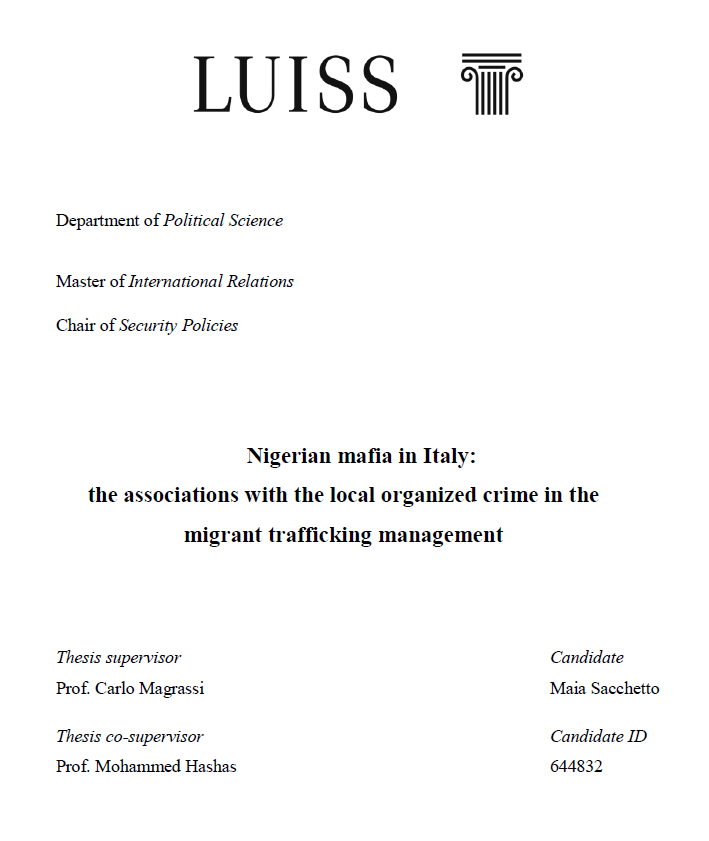
  Nigerian mafia in Italy: the associations with the local organized crime in the migrant trafficking management

By  Maia Sacchetto

  Premising that there are more flexible forms of Nigerian crime, such as small and scattered groups not in connection with each other that operate mainly as drug dealers of small districts in the suburbs of northern Italy, this research focuses on the most structured forms of criminal organizations, those directly descended from the cultist circles born in Nigeria in the '60s and resulted in real mafia associations already in the motherland and then extended throughout Europe. The choice of this theme and this very specific category of Nigerian organized crime is based on the belief that well-structured and organized groups are more dangerous and difficult to counter for three reasons basically: the first is that it is rarer for associates to decide to betray the group to favor information to the police or intelligence. This is because of the closer ties between group members (and in this case this element takes on an even more incisive relevance since the subject is an ethnically based organized mafia in which ethniccultural ties provide the basis for interaction between associates), but also and especially because of the coercive and intimidating forces between members of mafia associations towards the ones prone to cheat on the group; the second is developed from the assumption that a more sophisticated internal structure of the association also corresponds to more elaborate modus operandi and operational strategies that allow prosecutors of illicit activities to camouflage or hide the proceeds of illicit activities; the third reason is closely related to the first and second and consists in the fact that mafia associations that are highly organized and capable of taking advantage of substantial material resources are also more likely to act in a capillary, widespread, large-scale and sprawling manner to the point of infiltrating the legal economy. As will be described in the first chapter of this research, the Black Mafia originated in Nigeria as a protest movement against constituted power and composed mainly of members of Nigeria's leading universities. Over time it expanded, heightened the violence of its manifestations, and began to move out of the realm of mere ideological rebellion by directly affecting public institutions. In a short time, the cults turned into full-fledged clans and began to act in Nigeria as the Italian mafia acts in Italy, intimidating political and economic opponents who would stand between their illicit activities and the achievement of their goals: the accumulation of wealth and power. From the outset, these associations are thus characterized by a high degree of pervasiveness in the political, social and economic structure of their country, as well as multifacetedness by dealing with a massive and varied range of illicit activities, including support in the arms trafficking of terrorist groups such as Boko Haram. With the conclusion of the Cold War, the tearing down of the Berlin Wall and restrictions in the mobility of people, and the emergence of the new globalized and interconnected world, the Black Mafia, which had already shown a remarkable predisposition to expand and sprawl, crossed its national borders. Following a progressive evolution, it has developed into a form of transnational organized crime which according to the UNODC represents the main threat to the security and political and economic stability of states (UNODC, 2006)1 . Undergoing continuous metamorphosis and adapting immediately to the changing needs of the market and globalization, it has then become increasingly sophisticated and pervasive (UNODC, 2018)2 . Out of sheer opportunism, it started allying itself with other forms of crime in order to strengthen its organization and to extend to more and more operators: drug traffickers, arms traffickers, human traffickers, up to encompassing operators that act daily in a regime of legality, all in order to increase their revenues 

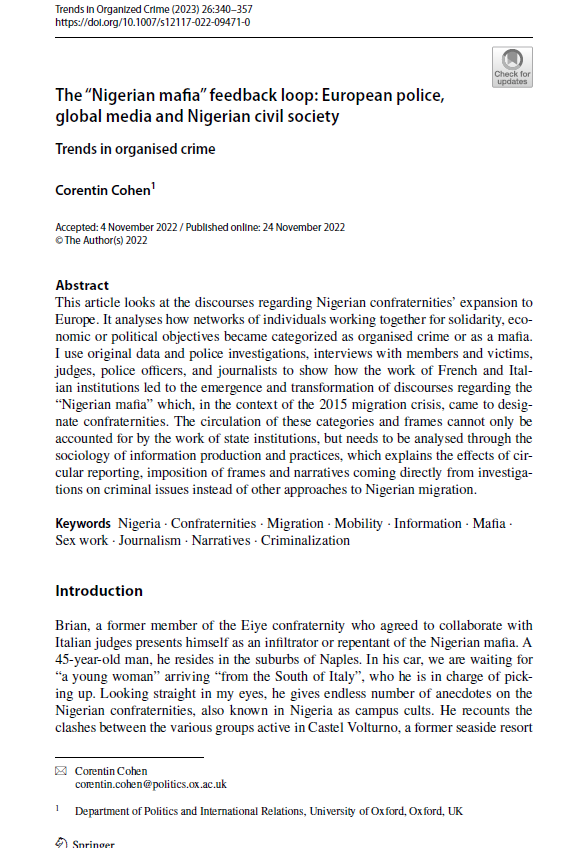
The “Nigerian mafia” feedback loop: European police, global media and Nigerian civil society

By Corentin Cohen

This article looks at the discourses regarding Nigerian confraternities’ expansion to Europe. It analyses how networks of individuals working together for solidarity, economic or political objectives became categorized as organised crime or as a mafia. I use original data and police investigations, interviews with members and victims, judges, police officers, and journalists to show how the work of French and Italian institutions led to the emergence and transformation of discourses regarding the “Nigerian mafia” which, in the context of the 2015 migration crisis, came to designate confraternities. The circulation of these categories and frames cannot only be accounted for by the work of state institutions, but needs to be analysed through the sociology of information production and practices, which explains the effects of circular reporting, imposition of frames and narratives coming directly from investigations on criminal issues instead of other approaches to Nigerian migration.


Trends Organ Crim 26, 340–357 (2023

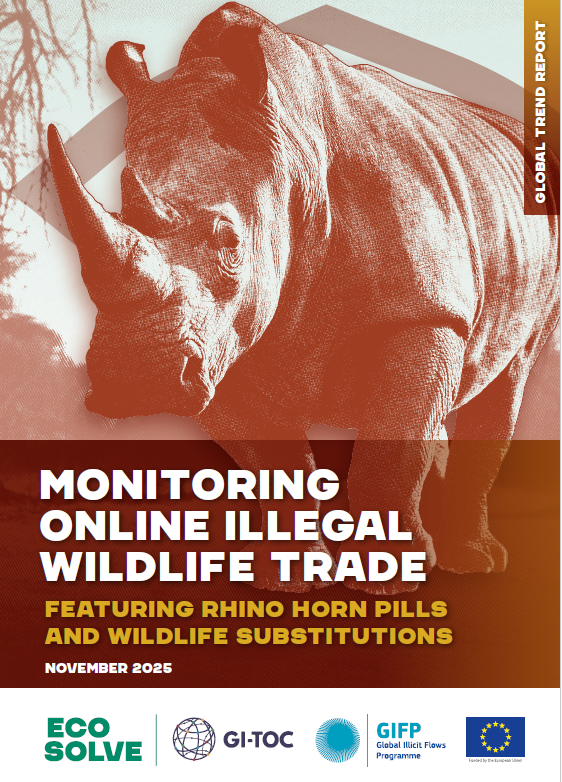
 MONITORING ONLINE ILLEGAL WILDLIFE TRADE. Featuring rhino horn pills and wildlife substitutions

By The Global Initiative Against Transnational Organized CrimeGlobal Initiative Against Transnational Organized Crime,Global Initiative Against Transnational Organized Crime,

Online illegal wildlife trade (IWT) continues to expand across social media and e-commerce platforms, with 13,254 wildlife advertisements detected between April 2024 and August 2025 across Africa, the Americas, Asia and the Middle East. Our monitoring shows a persistent concentration on Facebook, which accounts for 83.8% of all detections, alongside growing activity on e-commerce and business-to-business platforms. The rise in both volume and geographic coverage underscores how sellers exploit online environments, regulatory loopholes and shifting demand to reach consumers and adapt rapidly to enforcement efforts.

Drawing on structured monitoring by ten regional data hubs, this new iteration of the Global Trend Report highlights how species, platforms and market drivers differ widely across regions. Mammals dominate detections, led by elephants, big cats and African grey parrots, and many adverts involve species listed under CITES Appendix I or II without accompanying permit information. Hubs recorded diverse tactics: Facebook Stories designed for 24-hour visibility, coded emojis in Colombia, claims of official registration in Mexico, children’s YouTube channels in South Asia that normalize protected wildlife as pets, and loopholes around legally owned lions in Thailand.

A central focus of the report is North Korea’s Angong Niuhuang Wan (ANW) pills, whose packaging explicitly lists “rhinoceros horn” as an ingredient. Open-source intelligence shows these pills are produced in Pyongyang and moved through Sinuiju and Namyang into China before circulating across markets in Japan, Hong Kong, Singapore, Malaysia, Cambodia, Thailand, Laos, Vietnam and Myanmar. Embedding small amounts of rhino horn into labelled traditional medicine significantly amplifies value and demand, while illustrating how the rhino horn trade intersects with conservation and security concerns, including sanctions evasion and illicit revenue streams linked to North Korean entities.

The report also documents how markets pivot when supply declines or regulations tighten. After all pangolin species were uplisted to CITES Appendix I in 2016, Mexican export data shows an exponential rise in pirarucu leather exports, with pirarucu now positioned as a visually similar substitute. Online markets show mislabelled and misidentified leathers, such as pirarucu sold as pangolin and vice versa, revealing laundering risks along supply chains. Traceability gaps, especially once skins are processed, make verification difficult and complicate enforcement.

Taxidermy and leatherworking form another blind spot. In Mexico, highly active social-media groups advertise mounted specimens, ivory figurines and worked products derived from rhinos, elephants, manta rays, crocodilians, jaguars, pangolins, pirarucu and primates. Adverts frequently lack documentation, rely on coded language and misspellings, and exploit enforcement priorities that remain focused on live trade rather than processed parts.

Finally, declining availability of tiger products has driven substitutions such as lion canines in Thai amulet Facebook groups and jaguar parts sourced from Latin America. Cross-border movements of lion bones and skeletons, and online offers for jaguar skins, teeth and paste show how big-cat parts circulate as substitutes, shaped by availability and legal risk.

Across all hubs and product types, the report demonstrates how online IWT can be linked to global security and sanctions evasion issues, and how it adapts through substitutions, processed wildlife products and regulatory loopholes, reinforcing the need for coordinated monitoring, enforcement and policy responses.

Geneva: Global Initiative Against Transnational Organized Crime, 2025. 35p.

Lower social vulnerability is associated with a higher prevalence of social media-involved violent crimes in Prince George’s County, Maryland, 2018–2023

By Jemar R. Bather, Diana Silver, Brendan P. Gill, Adrian Harris, Jin Yung Bae, Nina S. Parikh & Melody S. Goodman 

Background

Social vulnerability may play a role in social media-involved crime, but few studies have investigated this issue. We investigated associations between social vulnerability and social media-involved violent crimes.

Methods

We analyzed 22,801 violent crimes occurring between 2018 and 2023 in Prince George’s County, Maryland. Social media involvement was obtained from crime reports at the Prince George’s County Police Department. Social media application types included social networking, advertising/selling, ridesharing, dating, image/video hosting, mobile payment, instant messaging/Voice over Internet Protocol, and other. We used the Centers for Disease Control and Prevention’s Social Vulnerability Index to assess socioeconomic status (SES), household characteristics, racial and ethnic minority status, housing type and transportation, and overall vulnerability. Modified Poisson models estimated adjusted prevalence ratios (aPRs) among the overall sample and stratified by crime type (assault and homicide, robbery, and sexual offense). Covariates included year and crime type.

Results

Relative to high tertile areas, we observed a higher prevalence of social media-involved violent crimes in areas with low SES vulnerability (aPR: 1.82, 95% CI: 1.37-2.43), low housing type and transportation vulnerability (aPR: 1.53, 95% CI: 1.17-2.02), and low overall vulnerability (aPR: 1.63, 95% CI: 1.23-2.17). Low SES vulnerability areas were significantly associated with higher prevalences of social media-involved assaults and homicides (aPR: 1.64, 95% CI: 1.02-2.62), robberies (aPR: 2.00, 95% CI: 1.28-3.12), and sexual offenses (aPR: 2.07, 95% CI: 1.02-4.19) compared to high SES vulnerability areas. Low housing type and transportation vulnerability (vs. high) was significantly associated with a higher prevalence of social media-involved robberies (aPR: 1.54, 95% CI:1.01-2.37). Modified Poisson models also indicated that low overall vulnerability areas had higher prevalences of social media-involved robberies (aPR: 1.71, 95% CI: 1.10-2.67) and sexual offenses (aPR: 2.14, 95% CI: 1.05-4.39) than high overall vulnerability areas.

Conclusions

We quantified the prevalence of social media-involved violent crimes across social vulnerability levels. These insights underscore the need for collecting incident-based social media involvement in crime reports among law enforcement agencies across the United States and internationally. Comprehensive data collection at the national and international levels provides the capacity to elucidate the relationships between neighborhoods, social media, and population health.

Inj. Epidemiol. 11, 54 (2024

Creating Insecurity Through Youth Street Groups and Applying Security for Control and Governance. A Case Study of Barcelona Latin Kings

By Eduard Ballesté-Isern & Carles Feixa 

This paper is based on an ethnographic study of the arrests and the subsequent trial and sentencing of a group of Latin Kings and Queens from Barcelona between 2015 and 2020. We analyze the actions carried out by the police, judicial institutions and media to reestablish the “hard handed” discourse in relation to these youth street groups in a time of crisis and precariousness. The concept of a “space of youth street groups” is used to construct a tool for mapping the agents who interact with these groups and the position they occupy in the social space. The interactions between these agents in Barcelona configure a new form of security governance through the creation of subjective insecurity and the promotion of punitive policies against youth street groups.

Crit Crim 30, 741–756 (2022)

  Assessing the Transnational Criminal Capacity of MS-13 in the U.S. and El Salvador 

By Eric Hershberg, Edward Maguire, Steven Dudley

In October 2012, the U.S. government designated MS-13 as a transnational criminal organization (TCO), raising serious questions about the breadth of the gang’s criminal capacity. Some analysts have pointed to a steady growth and professionalization of this criminal organization, but insufficient data has hindered the formulation and implementation of policies aimed at countering this trend. Our multiyear project proposed to fill gaps in the extant literature by conducting qualitative and quantitative research designed to assess MS-13’s transnational criminal capacity. More specifically, our objectives were to: 1) conduct extensive interviews with local stakeholders, gang experts, and MS-13 members in three major metropolitan areas, including two in the U.S. and one in El Salvador; 2) analyze qualitative and quantitative data gathered through tested survey and interview instruments and from official sources, with particular attention to the following factors: type of criminal activities, organizational structure, inter- and intra-gang relationships, level of community penetration, accumulation of social capital, development and migration patterns, and recruitment strategies; 3) utilize social network analysis techniques to quantify the social reach of gang member respondents; and 4) disseminate project findings to relevant constituencies in law enforcement, policymaking circles, academe, and the general public. The purpose of our research was to provide policymakers and law enforcement officials with a comprehensive understanding of MS-13 by measuring the extent and range of the organization’s criminal activity and mapping its social networks. Our goal was to generate empirical data that could serve as a foundation upon which to shape new policies and practices. Specifically, our hope was that the data would provide insights regarding the optimal allocation of law enforcement resources, the likely movements of MS-13, and the design of intervention and suppression strategies. 

Washington DC: U..S. Department of Justice,  2019. 11p.