Open Access Publisher and Free Library
CRIME+CRIMINOLOGY.jpeg

CRIME

Violent-Non-Violent-Cyber-Global-Organized-Environmental-Policing-Crime Prevention-Victimization

Oppression Beyond Plantations: How Emancipation Led to Incarceration in Urban Buenos Aires

By Valentín Figueroa and Guadalupe Tuñón

We show that the emancipation of enslaved Black people led to their subsequent incarceration in a context of urban slavery —a context that lacked the economic incentives for incarceration present in plantation economies such as the U.S. South. To establish causality, we study a lottery of certificates of freedom in nineteenth-century Buenos Aires that randomly freed a small group of enslaved persons. Through archival research and digitization of the full count of the handwritten 1810 census, we link lottery winners and sets of eligible nonwinners to police records until 1830. We find that emancipation increased the probability of incarceration, on average, by 11.8 percentage points. Exploring mechanisms, we find no evidence that the e↵ect was driven by rural labor shortages, bur rather by the criminalization of petty offenses..

Peinxwron, NJ: Princeton University,

Liechtenstein Institute on Self-Determination.

2023. 49p.

download
Policy Thoughts on Bounded Rationality of Identity Thieves

By Graeme R. Newman

This essay critiques a study by Copes and Vieraitis regarding the "bounded rationality" of identity thieves, arguing that a focus on offender psychology and rationalizations is insufficient for developing effective crime reduction policies[cite: ]Newman contends that current criminal justice approaches rely too heavily on punishment and victim vindication, which, while politically satisfying, fail to reduce the prevalence of identity theft.

The author advances the following arguments regarding the development of effective policy:

* Policies based on the "deep psychology" of offenders or their denial of victims are largely fruitless because these rationalizations are often unconscious defense mechanisms. Instead of asking “why” offenders commit crimes, policy should focus on “how” they are accomplished.

* Newman distinguishes between crime mitigation (reducing damage to victims) and crime prevention (reducing the number of crimes)[cite:. While legislation and credit reporting agencies have improved mitigation efforts for victims, these measures do not address the root causes of the crime.

* Effective prevention must target the technological and business arrangements that create opportunities for theft. This involves shifting focus from the offender to the "significant players" (businesses) who can implement standard security procedures, such as the use of PINs for credit cards, to harden targets.

* The essay concludes that businesses often view fraud merely as a cost of doing business rather than a crime to be prevented[cite:. Therefore, the government must establish policies that compel businesses to accept responsibility for crime reduction and eliminate the opportunities they create through their products and services[cite.

Criminology and Public Policy Vol. 8. Issue 2.

download
Classical Deception: Counterfeits, Forgeries and Reproductions of Ancient Coins

Wayne G. Sayles:


Classical Deception is a detailed and accessible exploration of the long history of counterfeit ancient coins and the methods by which they are produced, detected, and sometimes unwittingly circulated within the numismatic world. Designed for collectors, students of antiquity, and museum professionals alike, the book traces forgery practices from antiquity to the modern era, showing that imitations have accompanied genuine coinage for as long as coins have existed. Sayles examines a spectrum of deceptions — from ancient contemporary counterfeits meant to pass in daily commerce, to the sophisticated modern forgeries that challenge even seasoned experts.

A substantial portion of the book profiles well-known forgers, documenting their techniques, motives, and the specific pieces they produced. Sayles pays particular attention to the prolific work of modern reproduction artists, including Peter Rosa, whose replicas are widely encountered and often misunderstood by beginning collectors. More than 200 photographs allow readers to visually compare authentic coins with their deceptive counterparts, highlighting telltale markers in style, fabric, metallurgy, and die workmanship.

Sayles also introduces the scientific and observational tools available to detect fakes — from simple weight measurement and magnified study of surfaces to metallurgical testing, microscopy, and imaging technologies. Throughout, he emphasizes practical guidance: what warning signs to look for, how to assess provenance, and how to avoid costly errors in the marketplace.

Ultimately, Classical Deception serves both as a cautionary manual and as a historical study of ingenuity, fraud, and craftsmanship. It equips the reader to navigate the hazards of collecting while deepening appreciation for the authentic artistry of ancient coinage.

Read
Perspectives on Identity Theft

By Megan M. McNally and Graeme R. Newman

From the cover: There has been a glaring lack of scholarly attention to the crime of identity theft, according to the editors. The chapters in this volume attempt to fill some of this gap by exploring theory and research on identity theft, as well as situational measures to prevent its occurrence.

The editors' introduction outlines several key issues related to the definition, extent and commission of identity theft. The chapter by Graeme Newman applies the opportunity perspective to the study of identity theft. Megan

McNally uses the "script" approach to examine the meaning and mechanics of identity theft in all of its forms. Henry Pontell, Gregory Brown and Anastasia Tosouni present new findings on how identity theft affects victims, based on data collected by the Identity Theft Resource Center. Heith Copes and Lynne Vieraitis describe how a sample of identity theft offenders viewed their crimes. Michael Levi recounts the evolution of identity fraud and its control in the U.K. Russell Smith presents a framework for evaluating preventive measures, particularly document-based systems, biometric technologies and identity cards. Sara Berg considers how information technology can be used within a situational crime prevention framework to fight identity theft. Robert Willison examines the use of situational crime prevention to protect sensitive personal information in the context of information systems security.

Crime Prevention Studies, volume 23. Willan Publishing. Culmcott House, Uffculme, Cullompton Devon EX 15 3AT, U.K. 2008. 195p.

Read
Divided, They Rule? The Emerging Banditry Landscape in Northwest Nigeria 

By Schouten, Peer; Barnett, James

Banditry in northwest Nigeria has emerged as a pervasive security challenge, yet remains overshadowed by the focus on jihadist violence in the region. This report examines the evolution of banditry as a decentralised and dynamic phenomenon, encompassing cattle rustling, kidnapping for ransom, extortion and illicit mining. Unlike jihadist groups, bandit networks operate without ideological ambitions but significantly influence rural governance, challenging state authority through both roving predation and stationary extortion. The study explores the structure of bandit society, revealing a fragmented yet resilient hierarchy where power is defined by access to weapons, wealth and followers. Based on extensive field research and historical analysis, the report highlights how contemporary banditry borrows from precolonial patterns of violent regulation. It maps the emerging political geography of banditry, which, like precolonial rule, involves a system of concentric circles: bandit heartlands marked by cohabitation and governance, tribute zones where communities pay levies for security, and volatile raiding frontiers. This spatial model offers new insight into the variable of banditry and its differential effects on rural communities

DIIS Report Vol. 2025 No. 07 Copenhagen: DIIS: Danish Institute for International Studies, 2025. 77p.

download
Making the Neighbourhood Policing Guarantee Work: Learning from the Past, Delivering for the Public

By Beth Mooney Isabella Ross Sophie Wilkinson Danielle Banks Teresa Hulme

Executive summary The Home Secretary announced plans to deliver a Neighbourhood Policing Guarantee (NPG) in November last year, with the aim of rebuilding trust between local police forces and communities. This followed a decade where neighbourhood policing was, in effect, deprioritised and levels of public trust in the police and feelings of safety had declined substantially. This report makes 11 recommendations around how the NPG can be implemented in a way which meets public expectations, overcomes barriers identified by current neighbourhood officers and actively takes into account lessons learned from delivering the 2019 Police Uplift Programme. There are three sets of findings: Public’s priorities As a priority, the public are clear that they want their local neighbourhood policing teams to be physically visible in the community. They want these officers to engage with the public regularly, serving as the ‘friendly face’ of policing. More broadly, the public want neighbourhood policing teams to be more accessible to them, with clear information available around how they can be contacted directly and improved communication about what they are doing and why. Barriers identified by current neighbourhood officers A key barrier emerged from our focus groups with current neighbourhood officers and staff - that neighbourhood policing was not actively viewed as a specialism within forces. Officers reflected that this had two consequences. Firstly, resource was abstracted more often from neighbourhood policing teams compared with other teams, which limited their delivery against neighbourhood priorities. Secondly, neighbourhood policing was not viewed as a long-term career option, making it difficult to retain experienced neighbourhood officers and staff. Lessons learned from the 2019 Police Uplift Programme As part of the NPG, the Government has pledged to deliver 13,000 additional neighbourhood officers, PCSOs and Special Constables. Officers and staff were clear that additional resource was necessary to successfully deliver the NPG. A review of how the 2019 Police Uplift Programme, which recruited 20,000 officers, impacted policing outcomes demonstrates that simply increasing resource will not necessarily directly lead to better outcomes. It is clear from our analysis that infrastructure around uplifted resources – including appropriate timeframes for onboarding new recruits, sufficient recruitment and vetting capacity, and training plans – is critical. Using the findings set out here, recommendations to support the implementation of the NPG have been made across 4 key themes: Recruitment and training specifically for neighbourhood policing roles, retaining skilled neighbourhood officers and Special Constables over the longer-term, setting strategic and operational plans to anchor the NPG implementation in every force.

London: Crest, 2025

download
Why Place Matters: Neighbourhood Effects on Crime and Anti-Social Behaviour: Insights Report

By Sophie Davis Manon Roberts Freya Smith

Neighbourhoods — understood here as the small, local areas people identify with in their daily lives which do not necessarily align with official administrative boundaries — play a central role in shaping people’s experiences of crime and safety. This is particularly true in relation to anti-social behaviour (ASB) and visible disorder. These issues, while often seen as less serious than violent crime, directly affect people’s day-to-day lives by shaping perceptions of safety, trust in institutions, and community cohesion. This paper makes the case for why neighbourhoods must be at the heart of crime policy — both as spaces where crime is experienced and as sites of potential solutions. The evidence is clear: the social and physical conditions of neighbourhoods are not incidental to crime — they help to generate it and shape how people respond to it. Poor lighting, unmanaged public spaces, and the erosion of social ties can all create the conditions in which ASB and crime thrive. Crucially, these neighbourhood characteristics can also be changed. Interventions that enhance the built environment, foster informal guardianship, and build local trust can have a preventative effect, reducing demand and improving outcomes cost-effectively. Over the past three decades, policy has increasingly acknowledged this link with initiatives such as Crime and Disorder Reduction Partnerships, neighbourhood policing and the Safer Streets Fund. These initiatives reflect a wider recognition that local, place-based approaches, built on strong partnerships and trust, are essential. However, the effectiveness of such approaches has often been undermined by fiscal constraints, insufficient targeting of the most affected neighbourhoods and a lack of investment in the social connections that sustain resilient communities. The government wants to ‘take back our streets’ as one of its key missions. In its June 2025 Spending Review, the government announced a new national commitment to improving 350 deprived communities, and a £240 million investment in a Growth Mission Fund — signalling a renewed commitment to place-based approaches. It was also announced that police spending power will grow by 1.7% annually, to support the government’s mission to make streets safer, complementing a pledge made in April 2025 to ‘restore local policing’ and a commitment to placing 13,000 neighbourhood police officers and police community support officers (PCSOs) into dedicated community roles. To achieve its ambitions, the government needs to ‘think neighbourhoods’: focus on areas where harm is greatest, invest in the social foundations of safety and deliver quick, visible improvements. Neighbourhood-focused approaches are not only effective, they are efficient. With limited public finances, place-based approaches offer a strategic route to delivering high-impact, low-cost crime reduction, particularly in relation to ASB and disorder. But achieving the government’s mission to ‘take back our streets’ requires more than additional police officers. It requires investing in both places and people — building social capital and strengthening cohesion — to prioritise key issues and needs at a place-based level.Summary of key findings Crime is heavily concentrated and persistent in areas of multiple disadvantage. A small proportion of geographic areas account for a disproportionate share of crime and ASB. These areas often face persistent poverty, underinvestment, and institutional neglect, which foster conditions for crime to take root and persist. Residents in these areas report significantly greater concerns about ASB, illegal drugs and safety, and feel less connected and optimistic about their communities. Disadvantage and instability reinforce each other, weakening community control. Factors such as residential turnover can interact with disadvantage to undermine social cohesion, weakening informal social control and making communities more vulnerable to ASB and crime. The built environment shapes both risk and resilience. Urban design influences crime not only by affecting opportunities for offending but also by shaping perceptions of safety, trust and community pride, and enabling more positive use of public space, including through increased natural surveillance and by supporting informal guardianship. Social cohesion and trust can act as protective factors, particularly in areas of disadvantage. Strong social bonds, shared norms, and a collective willingness to intervene (collective efficacy) can help neighbourhoods resist crime and ASB, even in deprived areas. Crime and ASB matter to communities — they act as wider signals of neighbourhood decline. Visible signs of disorder and ineffective institutional responses erode trust and community pride, reinforcing a negative cycle of decline and inse

London: Crest, 2025. 46p.

download
Thinking Through the ShotSpotter Debate

Robert VerBruggen Fellow

Recent years have seen significant activism against “gunshot detection technology,” or GDT— most prominently, the ShotSpotter product. This technology monitors neighborhoods for loud percussive sounds likely to be gunshots and—after a brief review process to limit false positives— alerts the police to the incidents and their locations. Opponents claim that the technology is inaccurate, racially biased (as sensors are disproportionately placed in minority neighborhoods), ineffective in helping police respond to crime, and simply not worth the cost. The purpose of this report is to dispassionately assess the evidence regarding each of these criticisms of GDT. Key findings include: • Racial bias: Sensors appear to be placed based on levels of gun violence—i.e., where they are most needed—though these areas do tend to be disproportionately minority. • Accuracy: There are relatively few proven false alerts. However, police often fail to find actionable evidence of a shooting when responding. • Effectiveness: ShotSpotter delivers on its promise of getting police to shooting scenes faster, identifying gunfire that otherwise would have gone unnoticed, and increasing evidence collection. But many studies are unable to measure increases in clearance rates or reductions in shootings in places where GDT is deployed. • Costs: The direct costs of GDT are generally a tiny fraction of total police spending in big cities, and officers spend a relatively small share of their total time responding to alerts, though resource- and staff-constrained departments will feel these burdens most acutely. The cost-benefit trade-off of GDT will vary from department to department, especially because some are better equipped than others to handle the additional police workload and comprehensively process new evidence. In addition, reasonable people may disagree about how to value the technology’s proven benefits to investigations in light of unclear effects on clearance and crime rates. One sensible approach is for departments to focus primarily on hiring adequate staff to respond to calls and to create a strong infrastructure to support investigations. Departments can then explore whether the additional information provided by GDT is worth the costs.

New York: Manhattan Institute 2025. 21p.

download
The Influence of Firearm Dealer Openings and Closings on Local Shootings in the U.S.

By Daniel C. Semenza PhD 1 2 3, Ian A. Silver PhD 4, Richard Stansfield PhD 1, Brielle Savage MA 5

Firearm dealer presence and density are associated with rates of local firearm violence, a significant threat to public safety and collective well-being in the U.S. However, the authors are unaware of any studies that have examined how dealer presence and absence influence shooting rates over time using longitudinal data.

Methods

This study investigates the relationship between licensed firearm dealer presence and firearm violence using longitudinal data from over 20,000 census tracts in the 100 largest cities in the U.S. from 2015 to 2022. The analysis was conducted in 2025. The association between licensed firearm dealer openings and closings and total shooting rates was analyzed across 1-, 2-, and 3-year lag periods to account for differences in how dealer presence influences local firearm violence dynamics over time.

Results

Findings demonstrate that neighborhoods with newly opened firearm dealers experience increases in shootings that sustain after 2 and 3 years. No significant effects were found for firearm dealer closings.

Conclusions

The results highlight a complex temporal dynamic, suggesting that firearm availability through licensed firearm dealers may influence patterns of shootings within communities, particularly when new dealers open in neighborhoods without a prior dealer presence over time.

American Journal of Preventive Medicine 10 October 2025, 108079 In Press, Corrected Proof

download
Parental Leave and Intimate Partner Violence

By  Dan Anderberg, Line Hjorth Andersen, N. Meltem Daysal, Mette Ejrnæs

We examine the impact of a 2002 Danish parental leave reform on intimate partner violence (IPV) using administrative data on assault-related hospital contacts. Using a regression discontinuity design, we show that extending fully paid leave increased mothers’ leave-taking and substantially reduced IPV, with effects concentrated among less-educated women. The reform also lengthened birth spacing, while separations remained unchanged and earnings effects were modest. The timing and heterogeneity of impacts point to fertility adjustments—rather than exit options or financial relief—as the key mechanism. Parental leave policy thus emerges as an underexplored lever for reducing IPV.

CESifo Working Paper No. 12189 Munich:  Center for Economic Studies,   2025. 35p.

download
Australian Drug Trends 2025: Key Findings from the National Illicit Drug Reporting System (IDRS) Interviews

By Sutherland R, Uporova J, Karlsson A, Palmer L, Tayeb H, Chrzanowska A, Chandrasena U, Price O, Bruno R, Dietze P, Lenton S, Salom C, Radke S, Curran J, Vella-Horne D, Wilson J, Daly C, Thomas N, Degenhardt L, Farrell M, & Peacock A

The IDRS comprises a sentinel sample of people who regularly inject illicit drugs, recruited via advertisements in needle syringe programs and other harm reduction services, as well as via peer referral, across each capital city of Australia. The results are not representative of all people who inject drugs, nor of use in the general population. Data were collected in 2025 from May-July. Since 2020, interviews were delivered face-toface as well as via telephone, to reduce risk of COVID-19 transmission; all interviews prior to 2020 were conducted face-to-face. This methodological change should be factored into all comparisons of data from the 2020-2025 samples relative to previous years.

Australian Drug Trends 2025: Key Findings from the National Illicit Drug Reporting System (IDRS) Interviews. Sydney: National Drug and Alcohol Research Centre, UNSW Sydney; 2025

download
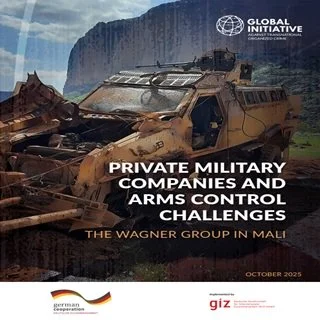
Private Military Companies and Arms Control Challenges: The Wagner Group in Mali

The UN and the African Union (AU) have repeatedly warned about the growing use of mercenaries and private military companies (PMCs) in conflict situations. Concerns include the involvement of mercenary groups in transnational organized crime and human rights violations, and the ‘re-routing’ of weapons intended for a state’s military to mercenary groups and PMCs. This re-routing of weapons undermines international and domestic arms control regimes, which are intended to ensure that arms are not used to undermine peace and security, or breach human rights. Since 2021, Mali’s security and political landscape has transformed. After coming to power, the military junta invited the Wagner Group into the country, cut ties with Mali’s former security partners, requested the departure of international forces (from France and the UN peacekeeping mission) and (in 2024) left the Economic Community of West African States (ECOWAS). In this new landscape, the Wagner Group emerged as the junta’s new ally and was soon actively involved in combat operations against insurgents. The Wagner Group’s tenure in Mali, as widely documented by UN bodies, non-governmental organizations (NGOs) and the media, was characterized by serious human rights abuses and war crimes, including massacres, torture and rapes of civilians, and criminal activity, from looting communities to illicit taxation of gold mining sites. For observers of the conflict, such atrocities were not unexpected, as Wagner troops were operating alongside the Malian Armed Forces (Forces Armées Maliennes, FAMa), which have been accused of human rights violations and mismanagement of weapons. However, with the deployment of Wagner troops, violence against civilians increased drastically, beyond the norms set previously by FAMa – civilian casualties per incident doubled between 2021 and 2024. The Wagner Group did not arrive in Mali fully equipped, and troops were expected to source weapons locally, which they did through seizing arms during combat and stealing official stock. This was one of the reasons for communications between Wagner and FAMa troops breaking down. From 2023, joint Wagner/FAMa missions declined, meaning that the Wagner troops operated independently using FAMa-owned equipment. Drawing from an extensive review of open-source material related to Wagner Group operations in Mali and interviews with military sources in Mali and other experts, this paper identifies instances of weapons and equipment intended for use by FAMa being re-routed to Wagner, enabling war crimes and human rights violations. They include FAMa armoured vehicles, vehicle-mounted heavy machine guns (widely known as ‘technicals’) and possibly attack drones – all of which are covered under the Arms Trade Treaty (ATT). Some instances of re-routing weapons from FAMa to the Wagner Group appear to be in breach of commitments under the ATT, which has been signed by Mali, as well as some of the domestic arms control commitments of several weapons-supplying countries. The Wagner Group’s operations in Mali came to an end in June 2025, and the group has been replaced with the Africa Corps, which is more closely controlled by the Russian state but continues to employ a majority of former-Wagner personnel. Therefore, the Wagner Group may have left Mali in name but has not left in practice. Furthermore, Wagner’s operations in Mali are just one example of re-routing state-to-state transfers of weapons to private military actors, which undermines the international legal frameworks that regulate the arms trade. The international community will need to deal with the phenomenon of the growing use of mercenaries and PMCs in global conflicts and their impact on arms control regimes. The paper makes recommendations for improving governance of the sector, which are summarized below: ■ Arms-exporting countries should undertake additional due diligence when considering an export to any country that has engaged with, hired or collaborated with a PMC. ■ Arms manufacturers should also undertake additional due diligence when looking to supply countries that have engaged with PMCs. ■ International forums on arms control and counter-proliferation should address the emerging role of PMCs in global conflicts, and the impact on arms control mechanisms and on reshaping illicit arms markets. ■ The AU should revise the 1977 Convention for the Elimination of Mercenaries in Africa to include better provisions for monitoring human rights abuses by mercenaries, including those that are backed by a third-party state. ■ International peacekeeping forces should continue to ensure that any equipment left following drawdown is withdrawn or destroyed in line with UN guidelines. After providing a background on the Wagner Group’s tenure in Mali, this paper documents evidence of weapons and equipment intended for use by FAMa being re-routed to Wagner Group operations, enabling war crimes and human rights violations. It then examines the legal implications for exporting countries, arms suppliers and Mali of arms transferred to FAMa being re-routed to Wagner. In so doing, the paper provides a case study that highlights the need for global arms control regimes to grapple with the growing reality of rogue PMCs being embedded within national militaries and the hybridization of PMCs in conflict and organized criminal activity. As the UN Working Group (UNWG) 2024 report indicates, this is a broader issue than just the Wagner Group and their recent tenure in Mali.

Geneva: Global Initiative Against Transnational Organized Crime. 2025. 36p.

download
Abnormal Man : Volume 2 - Bibliography

By Arthur MacDonald.

The narrative in Volume 1 asks many pointed questions: What does it mean to be “abnormal”? Who decides? And how have these judgments shaped modern science, education, and criminal justice?

First published in 1893, Arthur MacDonald’s Abnormal Man is one of the earliest American attempts to systematically study human difference through the emerging tools of psychology, anthropology, and criminology. Drawing on international research—from European criminal anthropology to American child-study movements—MacDonald sought to classify the physical, mental, and moral traits considered “aberrant” in his era. His work reflects the hopes and anxieties of a society confronting rapid industrialization, immigration, social change, and new scientific approaches to crime and mental health.

To the modern reader, Abnormal Man reveals both the ambition and the pitfalls of nineteenth-century science. Its pages contain pioneering observations about child development, deviance, and social responsibility, alongside early theories—now discredited—about heredity, physiognomy, and race. What emerges is a vivid and sometimes unsettling portrait of a culture striving to understand human variation without the benefit of modern psychology or ethical safeguards.

The Read-Me.org edition Volume 1 presents Abnormal Man as both a historical artifact and a gateway to critical reflection. It illustrates how scientific thought evolves, how cultural bias can shape research, and how early debates about abnormality laid the groundwork for contemporary approaches to mental health, special education, criminology, and social policy. To make such work, much of it controversial then as it is today, minimally believable, requires extensive documentation. The voluminous Bibliography of Abnormal Man reproduced here in Volume 2, contains all that Macdnald referred to within his detailed exposition. To some, his arguments may seem unsupported, or lacking in evidence. But he left no stone untuned as this amazing bibliographical documentation of all relative contemporary research

A foundational text at the crossroads of science and society, Abnormal Man invites readers to explore the origins of modern debates about deviance, diversity, and the boundaries of the “normal.”

Read-Me.Org Inc. New York-Philadelphia-Australia. 2025. 240p.

download free
Paperback - $8.99
Carceral Citizenship in Puerto Rico: Self-Help and Punishment

By Caroline Mary Parker

The predominant criminological view of ‘carceral citizenship’ takes citizenship as a purely juridical matter, overlooking key social dimensions of citizenship as a human practice. To understand how the carceral turn is reconfiguring citizenship in Puerto Rico, I explore how formerly incarcerated people carve out a place for themselves in Puerto Rican society under the shadow of the prison. Focusing on one couple and their efforts to operate a therapeutic community, I show how self-help supplies a subset of former prisoners with a publicly recognized form of social belonging. Though more stable and encompassing than the stigmatized exile that awaits many people returning from prison, this carceral citizenship invites formerly incarcerated people to assume critical roles in the confinement, punishment, and care of people convicted of drug offences. Overall, this article highlights how self-help and punishment have emerged as intertwined mediums through which formerly incarcerated people assert their citizenship. 

EUROPEAN REVIEW OF LATIN AMERICAN AND CARIBBEAN STUDIES. No. 116 (2023): July-December, pp. 87-104

download
Abnormal Man : Volume 1 --Digest of Literature

By Arthur MacDonald. Introduction by Graeme R. Newman

What does it mean to be “abnormal”? Who decides? And how have these judgments shaped modern science, education, and criminal justice?

First published in 1893, Arthur MacDonald’s Abnormal Man is one of the earliest American attempts to systematically study human difference through the emerging tools of psychology, anthropology, and criminology. Drawing on international research—from European criminal anthropology to American child-study movements—MacDonald sought to classify the physical, mental, and moral traits considered “aberrant” in his era. His work reflects the hopes and anxieties of a society confronting rapid industrialization, immigration, social change, and new scientific approaches to crime and mental health.

To the modern reader, Abnormal Man reveals both the ambition and the pitfalls of nineteenth-century science. Its pages contain pioneering observations about child development, deviance, and social responsibility, alongside early theories—now discredited—about heredity, physiognomy, and race. What emerges is a vivid and sometimes unsettling portrait of a culture striving to understand human variation without the benefit of modern psychology or ethical safeguards.

This new Read-Me.org edition presents Abnormal Man as both a historical artifact and a gateway to critical reflection. It illustrates how scientific thought evolves, how cultural bias can shape research, and how early debates about abnormality laid the groundwork for contemporary approaches to mental health, special education, criminology, and social policy.

A foundational text at the crossroads of science and society, Abnormal Man invites readers to explore the origins of modern debates about deviance, diversity, and the boundaries of the “normal.”

Read-Me.Org Inc. New York-Philadelphia-Australia. 2025. p.193.

download free
Kindle $2.99 -- paperback $9.99
Examining the Effects of Firearm Lethality and Aggressors’ Intentions to Kill on Injurious Firearm Violence at American Schools: A research note

By Brent R. Klein,  Cory Schnell,  Steven M. Chermak,  Joshua D. Freilich

This study examined firearm lethality and lethal intent on injurious fatal and nonfatal school shootings using data from The American School Shooting Study, which covers 329 school shootings in the United States from 1990 to 2016. We developed a new multidimensional construct for measuring determination to kill and examined firearm characteristics while considering confounding factors. We identified 11 distinct categories of shooters’ intent, with most showing a strong desire to kill. Both intent and weapon lethality significantly impacted school shooting homicides. Overall, we recommend that prevention and theoretical models should address both factors.

Criminology. 2025;63:673–686.

download
Briefing - Violence and intimidation against politicians in the EU - 15-10-2025

By Lonel Zamfir

Increased political polarisation has led to a proliferation of attacks against elected representatives, political candidates and party members. Verbal abuse and insults, harassment, threats and intimidation, as well as smear campaigns against politicians, occur regularly both online and offline, marking a serious degradation in the quality of political debate in the EU. During the 2024 European elections campaign, there were serious incidents in several countries. Nevertheless, acts of physical violence remain isolated and less frequent in the EU than in many other parts of the world. Violence is a risk to which politicians have always been exposed, including in democratic regimes. Organised crime and radicalised individuals or groups resort to violence to promote their political or economic agendas. EU countries have been unevenly affected; violence linked to organised crime has particularly affected certain regions, especially southern Italy, where it has proven difficult to eradicate. By contrast, violence driven by political radicalisation is a more recent phenomenon and increasingly affects all EU countries – albeit to varying degrees – and tends to flare up during periods of heightened tension, such as election campaigns and large-scale public protests. The impact on political debate, free exchange of opinions and compromise-building is profoundly negative. Violence and intimidation pressure politicians to self-censor when addressing politically sensitive issues and, in some cases, to step out of politics altogether. To counter this, several EU countries have adopted preventive and protective measures, including regular data collection. Examples include classifying offences against elected representatives as aggravated offences, simplifying reporting, and providing training, counselling and emergency assistance. Parliaments have also promoted civility and mutual respect in debates through codes of conduct and have established support services such as legal aid

Brussels: EPRS | European Parliamentary Research Service, 20252025. 11p.

download
Criminal Justice: A Multidisciplinary Bibliography

By Florence Yosne. National Criminal Justice Educational Development Project Portland State University And Center Of Criminal Justice Arizona State University.

From the Introduction: This bibliography is the result of a cooperative effort between Portland State University and Arizona State University. It was developed in response to a need for a comprehensive and detailed multi-disciplinary compilation of available books and government documents that relate to the emerging field of Criminal Justice. Professional journals and magazine sources were not included due to person power constraints and the recognition that many of the more significant articles and statements relating to Criminal Justice can be found contained in recently-published books.

The bibliography is broken down into four general substantive areas: (1) criminal justice; (2) law enforcement; (3) corrections;  and (4) courts. The majority of the works are included under the heading "Criminal Justice." In this area, titles are included from such diverse fields as anthropology, economics, education, history, law, political science, psychology, the physical sciences, public administration, and sociology. The other three areas--"Law, Enforcement, " "Corrections, " and "Courts"--while more specific in nature, also reflect the use of information and research from many related and diverse sources.

Clearly, the specific subjects appearing within these four broad rubrics are varied and numerous. In order to facilitate the use of this bibliography, the four broad areas were further broken down into specific subjects such as "civil liberties, " "victimless crimes, " etc., with bibliography entries relating to those topics being identified. The detailed classification of bibliography entries appears at the end of this "Introduction."

It will be readily apparent to the user that the bibliography is multi-disciplinary in nature. This reflects the editor's view that Criminal Justice is a multi-disciplinary, problem-oriented field of scholarship, research, and teaching, embracing those aspects of the social, behavioral, natural, and medical sciences relating to understanding crime and social deviance and entailing a critical examination of the system which has evolved for the handling of attendant problems. The selection of authors, titles, and subjects reflects the need of Criminal Justice, as an emerging field of study, to be sensitive to the ideas and philosophies of a wide range of scholar sand researchers. A bibliography with a narrow focus is of organization and functioning of an entire society.

The sources for the bibliography were legion, and they also reflect the multi-disciplinary approach. Bibliographies from the faculty at Portland State University, Florida Slate University, Michigan State University, San Jose State University, and the University of California at Berkeley, in addition to the Index of Books in Print, catalogs from the National Criminal Justice Reference Service, lists from publishers, and reviews from the New York Review of Books, Psychology Today, and the Atlantic Monthly, provided the editor with the reference material necessary for so vast an undertaking.

 MEMBERS NATIONAL CRIMINAL JUSTICE EDUCATIONAL CONSORTIUM. 1975. 418p.

download
Russia’s Crime-Terror Nexus: Criminality as a Tool of Hybrid Warfare in Europe

By Kacper Rekawek, Julian Lanchès, and Maria Zotova 

In this Report, Kacper Rekawek, Julian Lanchès, and Maria Zotova document how Russia has institutionalised a “crime-terror nexus” in its hybrid warfare strategy by recruiting criminal actors with weak societal ties across Europe to carry out kinetic and non-kinetic operations in support of state policy. They argue that since its full-scale invasion of Ukraine in 2022, this nexus has become central to Moscow’s ability to project power and evade accountability, and they offer policy recommendations to help European states and EU institutions detect, disrupt, and contain these criminally driven hybrid threats.

This report takes stock of Russian hybrid warfare in Europe in the context of its war of aggression against Ukraine. While doing so, it offers more than a catalogue of kinetic incidents attributed to Moscow; it focuses on the perpetrators and situates their actions within Russia’s longstanding reliance on hybrid warfare. This analysis highlights that many of these actors have criminal backgrounds and demonstrates how Russia has built its own state-driven “crime-terror nexus.” The phenomenon recalls earlier patterns seen in terrorist organisations such as ISIS, which recruited Europe’s criminals into violent campaigns under the guise of ideological redemption. This time, however, the state itself actively recruits and grooms socially marginalised, often Russian-speaking individuals residing in Europe to assist in state terrorism against European societies. This strategy complements the “spook-gangster” nexus that has for years underpinned Russia’s governance and operationalisation of foreign policy. Since the 2022 full-scale invasion of Ukraine, this nexus has become even more instrumental in mitigating the economic and geopolitical consequences of Moscow’s aggression. The report shows the extent to which criminality – whether through direct reliance on criminals to conduct attacks or through the “spook-gangster” nexus – constitutes a central pillar of Russia’s hybrid warfare. It opens with an overview of the phenomenon and traces Russia’s experience with hybrid tactics back to at least the 1920s. It then explores Moscow’s enduring use of criminality as a tool of domestic control and foreign policy, with particular emphasis on the post-2022 period. A brief comparative perspective highlights how other hostile state actors similarly integrate criminality into hybrid campaigns waged globally. All of these components build toward the report’s central focus: an assessment of Russia’s kinetic campaign as an integral part of its broader hybrid warfare, and of the actors enabling it. The final section provides practical recommendations to inform policies for both national authorities and EU institutions.

GLOBSEC and the International Centre for Counter-Terrorism (ICCT)2025. 23p.

download
Exploring and Estimating the Revenues of Cybercrime-As-Service Providers: Analyzing Booter and Stresser Services

By Olga Smirnovaa and Thomas J. Holt

Research on cybercrime-as-service markets has increased substantially over the last decade, particularly the use of so-called booter and stresser services that enable individuals to engage in high volume denial of service attacks against websites and servers. There is far less research considering the reven-ues vendors may generate from running these services, calling to question whether the economic gains from this form of crime are greater than the potential risk of arrest or legal sanctions. This analysis attempted to estimate the revenues of 42 booter and stresser services in operation after a series of arrests and takedowns by law enforcement. The models presented were basedon the visible characteristics of vendor services, attack volume and customer detail. Three pricing tiers were developed using different potential distribu-tions for booter/stressor markets and find that their potential revenues are of such a magnitude that they may be viewed as an incentive for individuals to enter the market and persist despite the risk of formal sanctions.

DEVIANT BEHAVIOR, 2025, VOL. 46, NO. 10, 1300–1313

download