Open Access Publisher and Free Library
CRIME+CRIMINOLOGY.jpeg

CRIME

Violent-Non-Violent-Cyber-Global-Organized-Environmental-Policing-Crime Prevention-Victimization

Posts in Data Analysis
Minding the Machines: On Values and AI in the Criminal Legal Space

By Julian Adler,  Jethro Antoine, Laith Al-Saadoon

There was but one passing reference to “core values” over the course of a recent U.S. Senate Judiciary hearing on artificial intelligence [AI] in criminal investigations and prosecutions.[1] This is typical. Even in spaces like the criminal legal system, where the specters of racial injustice and inhumanity loom so large, the technological sublimity of AI can be awfully distracting. People have long looked to technology to duck the hard problem of values. “[W]e have tended to believe that if we just had more information, we could make better policy,” observes University of Nevada’s Lynda Walsh in Scientists as Prophets. “But no matter how much data we could lay hands to—even if it were LaPlace’s Demon itself—values would still stand in the way.”[2] If anything is clear about advanced AI, it is that there is much we don’t know and even more that we can’t begin to predict. Consider that the “generative AI” we have witnessed over the past 18 months—AI which produces autonomous human-impersonating content—was largely unforeseen. It’s now being attributed to AI’s “emergent abilities.”

Nwq York: Center for Justice Innovation, 2024. 8p.

Your Money or Your Life London’s Knife Crime, Robbery and Street Theft Epidemic

By David Spencer

London is in the grip of a crime wave of robbery, knife crime and theft. Police chiefs have prioritised other issues while allowing the streets to be surrendered to criminals and thugs. Political leaders have sacrificed effective policing to ideological preferences. Bodies such as the Independent Office for Police Conduct have shown themselves only too willing to criticise and pursue police officers doing their best to enforce the law. Given this confluence it should be no surprise that knife crime, robbery and “theft person” offences have rocketed in recent years. This report examines what has gone wrong – and importantly, what the police and government must do now to stem the tide. Chapter 1 examines the rates of knife crime, robbery and theft person offences both nationally and in London. We show that knife crime in England and Wales has risen sharply over the past decade, increasing by 78% since 2013/14, with 50,510 offences recorded in 2023/24. Even accounting for population growth, this represents a 68.3% rise over the last decade. London accounts for a disproportionate share of knife crime offences, representing 32.1% of all knife crime and 45.9% of knife-point robberies in England, compared to only 15.5% of the population. Within the capital, knife crime is highly concentrated: 4% of neighbourhoods accounted for nearly a quarter of offences and 15% accounted for half of offences in 2024. One small geographic area – consisting of around 20 streets around Oxford Circus and Regent Street in the City of Westminster – recorded more knife crime offences than the 716 (or 14.35%) least-affected of London’s 4,988 LSOAs combined. Most knife crime in London involves robbery, with mobile phones the most common target. In 2024, 61.6% of knife crime offences were robberies. Combined robbery and theft person offences led to over 81,000 mobile phone thefts in the capital last year. There are clear insights which can guide the law enforcement and policy response. Within London: knife crime offending is highly geographically concentrated, a significant majority of knife crime offences are robberies, and mobile phones are one of the items most commonly targeted by robbers and thieves. Chapter 2 examines how effective, or otherwise, the Metropolitan Police is at catching robbers, knife crime offenders and thieves alongside the criminal courts approach to sentencing for those who are prosecuted and convicted. The proportion of criminals caught by the Metropolitan Police is pitiful – with only 1 in 20 robberies and 1 in 170 theft person offences solved in 2024. Even for those few who are caught the proportion of offenders being sentenced to immediate cusLondon is in the grip of a crimewave of robbery, knife crime and theft. Police chiefs have prioritised other issues while allowing the streets to be surrendered to criminals and thugs. Political leaders have sacrificed effective policing to ideological preferences. Bodies such as the Independent Office for Police Conduct have shown themselves only too willing to criticise and pursue police officers doing their best to enforce the law. Given this confluence it should be no surprise that knife crime, robbery and “theft person” offences have rocketed in recent years. This report examines what has gone wrong – and importantly, what the police and government must do now to stem the tide. Chapter 1 examines the rates of knife crime, robbery and theft person offences both nationally and in London. We show that knife crime in England and Wales has risen sharply over the past decade, increasing by 78% since 2013/14, with 50,510 offences recorded in 2023/24. Even accounting for population growth, this represents a 68.3% rise over the last decade. London accounts for a disproportionate share of knife crime offences, representing 32.1% of all knife crime and 45.9% of knife-point robberies in England, compared to only 15.5% of the population. Within the capital, knife crime is highly concentrated: 4% of neighbourhoods accounted for nearly a quarter of offences and 15% accounted for half of offences in 2024. One small geographic area – consisting of around 20 streets around Oxford Circus and Regent Street in the City of Westminster – recorded more knife crime offences than the 716 (or 14.35%) least-affected of London’s 4,988 LSOAs combined. Most knife crime in London involves robbery, with mobile phones the most common target. In 2024, 61.6% of knife crime offences were robberies. Combined robbery and theft person offences led to over 81,000 mobile phone thefts in the capital last year. There are clear insights which can guide the law enforcement and policy response. Within London: knife crime offending is highly geographically concentrated, a significant majority of knife crime offences are robberies, and mobile phones are one of the items most commonly targeted by robbers and thieves. Chapter 2 examines how effective, or otherwise, the Metropolitan Police is at catching robbers, knife crime offenders and thieves alongside the criminal courts approach to sentencing for those who are prosecuted and convicted. The proportion of criminals caught by the Metropolitan Police is pitiful – with only 1 in 20 robberies and 1 in 170 theft person offences solved in 2024. Even for those few who are caught the proportion of offenders being sentenced to immediate cusLondon is in the grip of a crimewave of robbery, knife crime and theft. Police chiefs have prioritised other issues while allowing the streets to be surrendered to criminals and thugs. Political leaders have sacrificed effective policing to ideological preferences. Bodies such as the Independent Office for Police Conduct have shown themselves only too willing to criticise and pursue police officers doing their best to enforce the law. Given this confluence it should be no surprise that knife crime, robbery and “theft person” offences have rocketed in recent years. This report examines what has gone wrong – and importantly, what the police and government must do now to stem the tide. Chapter 1 examines the rates of knife crime, robbery and theft person offences both nationally and in London. We show that knife crime in England and Wales has risen sharply over the past decade, increasing by 78% since 2013/14, with 50,510 offences recorded in 2023/24. Even accounting for population growth, this represents a 68.3% rise over the last decade. London accounts for a disproportionate share of knife crime offences, representing 32.1% of all knife crime and 45.9% of knife-point robberies in England, compared to only 15.5% of the population. Within the capital, knife crime is highly concentrated: 4% of neighbourhoods accounted for nearly a quarter of offences and 15% accounted for half of offences in 2024. One small geographic area – consisting of around 20 streets around Oxford Circus and Regent Street in the City of Westminster – recorded more knife crime offences than the 716 (or 14.35%) least-affected of London’s 4,988 LSOAs combined. Most knife crime in London involves robbery, with mobile phones the most common target. In 2024, 61.6% of knife crime offences were robberies. Combined robbery and theft person offences led to over 81,000 mobile phone thefts in the capital last year. There are clear insights which can guide the law enforcement and policy response. Within London: knife crime offending is highly geographically concentrated, a significant majority of knife crime offences are robberies, and mobile phones are one of the items most commonly targeted by robbers and thieves. Chapter 2 examines how effective, or otherwise, the Metropolitan Police is at catching robbers, knife crime offenders and thieves alongside the criminal courts approach to sentencing for those who are prosecuted and convicted. The proportion of criminals caught by the Metropolitan Police is pitiful – with only 1 in 20 robberies and 1 in 170 theft person offences solved in 2024. Even for those few who are caught the proportion of offenders being sentenced to immediate cusfalling – dropping from 66.1% in 2014 to 55.4% in 2024. For violencerelated offences, imprisonment rates have also decreased, with just 36.5% of offenders sentenced to custody in 2024. Despite laws mandating prison for repeat knife offenders, around a third evade immediate incarceration. It appears likely that these rates of incarceration will fall even further in the coming years given the Government’s apparent intention to send fewer offenders to prison following the Independent Sentencing Review led by Rt Hon David Gauke1 and the Independent Review of the Criminal Courts led by Rt Hon Sir Brian Leveson.2 The failure to adequately deal with the most prolific offenders presented before the courts is perhaps the gravest sign of the permissiveness with which the criminal justice system treats those most dedicated to committing crime. In the year to December 2024, of the 8,207 “hyperprolific” offenders who already had 46 or more previous criminal convictions or cautions, only 44.5% were sentenced to an immediate term of imprisonment on conviction for a further indictable or “eitherway” criminal offence – 4,555 hyper-prolific offenders were released on conviction without receiving an immediate term of imprisonment. Of the 16,386 “super-prolific” offenders with between 26 and 45 previous convictions or cautions, only 42.1% were sentenced to an immediate term of imprisonment on conviction for a further indictable or “eitherway” criminal offence – 9,483 super-prolific offenders were released on conviction without receiving an immediate term of imprisonment. It is difficult to conceive of a collection of statistics which better demonstrates the contempt with which the criminal justice system is treating the lawabiding majority. Chapter 3 examines the effectiveness of high-visibility policing in crime “hotspots” – citing evidence which demonstrates that the tactic is highly effectively at reduces crime. However, the use of a key element of proactive police patrolling – stop and search – has fallen significantly over the last decade, partly because of the policies of the Conservative-led coalition government (supported by the now Home Secretary Rt Hon Yvette Cooper MP). The reduction in stop and search coincided with substantial increases knife crime, suggesting the reforms introduced in all likelihood significantly undermined the fight against crime. We cite research by the criminologists Piquero and Sherman (2025) which demonstrates that increased stop and search correlates with reduced knife crime. Stop and search in London has been widely criticised for racial disproportionality, often framed as evidence of “racist” policing. Critics argue that black Londoners are unfairly targeted – claims we robustly challenge. Data shows that black people are “over-represented” among victims of the most serious knife crime – within London black people are 3.38 times more likely to be killed in a knife-enabled non-domestic homicide than white people. Similarly black people are 5.0 times more likely than white people in London to be charged with murder. While only 13.5% of London’s population are black, 48.6% of robbery suspects are described as black by victims when reporting the crime to the police. Incontrast to allegations of police “racism”, outcomes of stop and search in London reveal that black suspects are 64% more likely than white suspects to receive ‘community resolutions’ when a prohibited item is found when searching for a weapon (rather than be charged or summonsed and sent to court). This suggests there may well be a leniency being shown towards black suspects compared to white suspects. It is not the role of policing to correct for all of society’s ills – to quote the Chief Constable of Greater Manchester Police Sir Stephen Watson QPM: “It’s really important in policing that you play the ball that is bowled – you describe the problem, you faithfully attack the various ingredients of the problem and you do so without fear or favour in the public interest”.3 We agree and strongly reject the political ideology and timidity of police leaders which has led to the precipitous reductions in stop and search. As part of better serving the law-abiding majority there should be a surge in stop and search within those parts of London where knife crime, robbery and theft is most prevalent. Chapter 4 examines how offenders can be targeted – specifically through innovative Live Facial Recognition technology and innovations in court orders which limit the activities of known offenders. The Metropolitan Police’s deployment of Live Facial Recognition as a tool to identify wanted individuals, particularly within crime hotspots, has been remarkably successful. In 2023 the force undertook 24 deployments in the capital – in 2024 there were 179 deployments and by mid-June 2025 there had been 94 deployments. An Independent evaluation by the National Physical Laboratory confirmed that the technology can be deployed with a high degree of accuracy and – notably, an absence of significant demographic bias when properly configured. Despite demonstrable results – including 1,045 arrests since 2023 – several London councils have passed motions opposing its use. This includes Islington Council which at the time was led by Kaya Comer-Schwartz – who was subsequently appointed by the Mayor of London Sir Sadiq Khan as the Deputy Mayor for Policing and Crime. The chapter also reviews a series of legal tools, including Knife Crime Prevention Orders and Serious Violence Reduction Orders, which can be utilised to restrict repeat offenders’ behaviours but have seen limited or inconsistent application. We recommend that their application is made mandatory for certain violent and knife-carrying offenders. Londoners and visitors to the capital face a street crime epidemic – one which includes a very real risk of becoming a victim of seriousviolence, robbery or theft. The steps taken by the Metropolitan Police, Mayor of London and Government have so far been unequal to the task. The Metropolitan Police must take an unequivocal “Crime Fighting First” approach – in those locations where rates of knife crime, robbery and theft are highest that should mean a “Zero Tolerance” approach to crime and criminals. The Government and Mayor of London must demonstrate the necessary political leadership to explicitly reject the policies and ideologies which have led us to this point.The law-abiding majority of people do not accept the status quo, and neither do we at Policy Exchange – this report should act as a call to action for political leaders and police chiefs alike.


Social Pensions and Intimate Partner Violence against Older Women

By Cristina Bellés-Obrero, Giulia La Mattina, Han Ye

The prevalence and determinants of intimate partner violence (IPV) among older women are understudied.  This paper documents that the incidence of IPV remains high at old ages and provides the first evidence of the impact of access to income on IPV for older women. We leverage a Mexican reform that lowered the eligibility age for a non-contributory pension and a difference-in-differences approach.  Women’s eligibility for the pension increases their probability of being subjected to economic, psychological, and physical/sexual IPV. In con- trast, we show that IPV does not increase when men become eligible.  Looking at potential mechanisms, we find suggestive evidence that men use violence as a tool to control women’s resources. Additionally, women reduce paid employment after becoming eligible for the pen- sion, which may indicate that they spend more time at home, leading to greater exposure to potentially violent partners. 

Implementation of a Statewide Fentanyl Possession Law and Opioid-Related Overdose Deaths 

By Cole Jurecka; Joella Adams; Pranav Padmanabhan; Jason Glanz; Paul Christine; Xiaoyu Guan; Danielle Kline; Ingrid Binswanger; Joshua Barocas

In 2022, Colorado passed legislation making possession of small amounts of fentanyl, a high-potency synthetic opioid, a felony. Whether the Colorado law affected opioid overdose fatalities and whether those effects differed by racial and ethnic subgroups is unknown. OBJECTIVE To estimate the association between the change in criminal penalties for fentanyl possession with opioid-related overdose deaths (OODs) in Colorado. DESIGN, SETTING, AND POPULATION Serial cross-sectional study comparing OODs among adults (18 years) who died of an overdose and population estimates before and after Colorado House Bill (HB) 22-1326 was enacted in July 2022 (January 2018-November 2023) using autoregressive integrated moving averages (ARIMA) model time series forecasting. Monthly OOD rates per 100 000 residents were calculated using state population estimates from the American Community Survey 5-Year Data and the Colorado Department of Local Affairs State Demography Office. Overdose death rates were calculated separately by racial and ethnic group (Hispanic, non-Hispanic Black, and non-Hispanic White). Data were analyzed from January 2018 to 2023. EXPOSURE Enactment of HB 22-1326 changed the legal penalty for possession of any drug weighing 1 g to 4 g that contained any amount of fentanyl from a misdemeanor to a level-4 drug felony punishable by up to 180 days in jail and up to 2 years of probation. MAIN OUTCOME The difference between expected and observed OOD rates following the enactment of increased criminal penalties. RESULTS A total of 7099 OODs were analyzed (1798 Hispanic [25.3%], 451 Non-Hispanic Black [6.4%], and 4170 Non-Hispanic White [58.7%], 680 other [9.5%] and not included in the race and ethnicity categories). OODs increased across the study period in Colorado from 20.46 per 100 000 adults in January 2018 to 37.78 per 100 000 adults in November 2023. Among different racial and ethnic groups, the non-Hispanic Black population had the highest increase in OODs (9.3 per 100 000 in 2018 to 56.9 per 100 000 in 2023) followed by the Hispanic population. There was no difference between the observed and expect overdose deaths for the overall population following the enactment of HB 22-1326. However, there were significant increases in 4 of 13 months after policy implementation among the non-Hispanic Black population CONCLUSIONS AND RELEVANCE The results of this serial cross-sectional study suggest that increased criminal penalties for fentanyl possession did not change preexisting trends of OODs in Colorado and may have been associated with an increase in opioid overdoses in the Black population.

Alignment with New York City’s Pretrial Release Assessment: Results for the Five Boroughs

By Li Sian Goh, Michael Rempel, and Joanna Weill

This report examines the alignment of New York City judges’ pretrial release decisions with the recommendations of the Pretrial Release Assessment, a validated tool that calculates the likelihood people will return to court if they are released before trial. Drawing on 251,917 New York City arraignments subject to pretrial release decisions in 2021, 2022, and 2023, we looked at what the assessment recommended, how often judges followed these recommendations, and cross-borough differences over time.

Key Findings:

Most People are Recommended for Release on Recognizance (ROR): From 2021 to 2023, the Release Assessment recommended releasing people on their own recognizance (ROR) for 88% of cases, including 79% of violent felonies, 77% of nonviolent felonies, and 92% of misdemeanors. Yet judges granted ROR in only 25% of violent felonies, 42% of nonviolent felonies, and 78% of misdemeanors.The Assessment Was Consistent Across Each Race/Ethnicity: The assessment recommended 87% of Black, 88% of Hispanic, and 85% of white people for ROR. For people charged with a violent felony, the assessment recommended a statistically identical 78% of Black and Hispanic and 77% of white people for ROR.Alignment with the Release Assessment’s Recommendations: From 2021 to 2023, judges infrequently followed ROR recommendations for violent felony cases (30%), only followed such recommendations about half the time (51%) in nonviolent felony cases, while adhering at a high rate for misdemeanors (83%). Conversely, in violent felony cases that are virtually all legally eligible for bail under the State’s bail reform law, judges set bail or remand in 41% of the cases where the Release Assessment had recommended ROR.Judges Aligned with the Assessment at Racially Disparate Rates: When the assessment recommended ROR in a violent felony case, judges set it least often for Black people (26%), somewhat more for Hispanic people (32%), and most often for white people (43%). In these same cases, judges were more likely to impose bail or remand on Black (44%) than Hispanic (39%) or white people (29%). Further analysis linked these racial differences to a tendency of judges to overrate certain risk factors correlated with race/ethnicity.Overrating Certain Risk Factors: Although criminal history and living situation are already factored into the assessment’s recommendations, judges were more likely to adhere to a ROR recommendation when people had no prior warrants, no prior misdemeanor or felony convictions, and a stable abode than when one of these risk factors was present.Alignment Varied Across the City: Bronx and Brooklyn judges followed a ROR recommendation at the highest and Staten Island judges at the lowest rate. Nonviolent felonies saw especially wide borough variability. (For example, people facing a nonviolent felony charge and recommended for ROR were 1.8 times more likely to receive it in the Bronx than in Manhattan or Staten Island.)

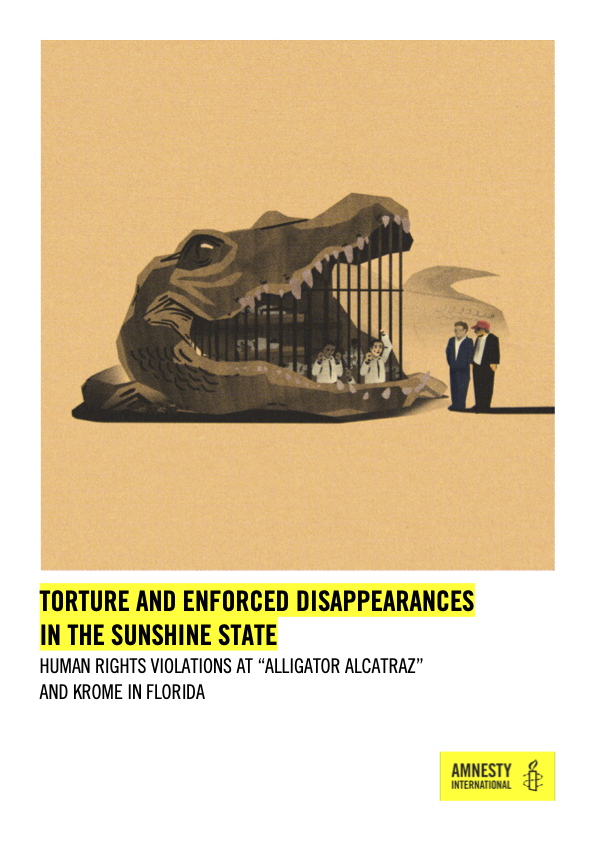
Torture And Enforced Disappearances In The Sunshine State Human Rights Violations At “Alligator Alcatraz” And Krome In Florida

By Amnesty International
This report presents Amnesty International’s findings from a research trip to southern Florida in September 2025, to document the human rights impacts of federal and state migration and asylum policies on mass detention and deportation, access to due process, and detention conditions since President Trump took office on 20 January 2025. In particular, it focuses on detention conditions at the Krome North Service Processing Center (Krome) and the Everglades Detention Facility, also known as “Alligator Alcatraz”.

Psychotropic prescription trends in jails from 2013 to 2023: findings from the REACH database

By Amber H. Simpler, Adam P. Natoli, William Jett & Yash A. Patade 


In light of escalating concerns about the increasing number of individuals in United States' jails with mental health conditions, the current investigation sought to examine population trends in psychotropic prescription patterns in 34 jails over an 11-year epoch. Leveraging data from a largescale, multisite database derived from 1,251,837 jail detainees' electronic health records (i.e., the Repository of Electronic Archives in Correctional Healthcare, or REACH, database), General Estimating Equations (GEE) models were used to estimate population-averaged probabilities of prescriptions for any psychotropic agent and specific agent classes (e.g., antianxiety, antidepressant, antipsychotic, anticonvulsant). While GEE analysis revealed year-to-year variability, overall significant increases (i.e., > 100%) in prescription probability were observed for all agent classes from 2013 to 2023 except lithium, which declined significantly over time. Notably, the prescription probability for antipsychotic agents increased 249% during the study epoch. These findings add further evidence of the increasing mental health needs of jail populations. To better understand the increase in psychotropic prescriptions among jail detainees, additional inquiries should explore the clinical justification, therapeutic value, and impact of treatment compliance.

A Systematic Review of Substance Misuse Treatment Processes and Outcomes as Implemented in Prisons for Men in the UK

By Kim Barnett, Noor Butt, Rosie Allen, Pauline Goodlad, Anne Krayer, Adam O'Neill, et al.

Background: With a rising prison population, a substantial portion of whom are identified as substance misusers, it is important to understand the availability of treatment pathways, their successes and areas for improvement. Given the likelyimportance of national factors in criminal justice and substance use service provision, we chose to focus on one country.Aim: To review substance misuse treatment and outcomes for such treatments as implemented in British prisons for men.Methods: We conducted a mixed‐methods systematic review, searching Ovid MEDLINE, Ovid Embase, APA PsycINFO,CINAHL Plus, Sociology Collection, Web of Science Core Collection and Social Science Premium Collection between 1 January2000 and 5 June 2024. Included were empirical, peer‐reviewed studies of processes and outcomes of UK male prison‐basedsubstance misuse programmes. Primary outcomes included changes in substance use, withdrawal symptoms and experiencesof interventions, whereas secondary outcomes encompassed quality of life, locus of control and mental health. Because of studydesign heterogeneity, meta‐analysis was not possible. Analysis followed JBI methodology with a convergent synthesis.Results: Fourteen studies were included: 8 qualitative, 5 quantitative studies of which 3 were randomised control trials (RCTs)and 1 mixed‐methods study, with a combined sample of 4037 participants engaged in opioid substitute treatment (OST) and/orpsychosocial interventions. Four key themes emerged: the power of purposeful activity, strengthening support systems, bridgingpatient needs with treatment plans and, for those in opiate programmes, experiences and engagement with opioid substitutiontreatments.Conclusions: Participants articulated diverse treatment needs, highlighting the necessity of individualised and tailoredreduction or maintenance plans. Treatment requires a comprehensive approach with the aim of facilitating effective socialintegration.

The Dynamics of Online Wildlife Trade, Crime and Law Enforcement in Israel

By Noga Shanee, Amnon Keren, Evelyn D. Anca, Tamar Fredman, Omer Polansky & Yael Cohen Paran

There are certain biases that characterize the global efforts to tackle wildlife crime, restricting their effectiveness. Firstly, wildlife crime is considered mainly a problem of developing source countries, while the role of developed consumer countries is largely ignored. Secondly, illegal trafficking and legal wildlife trade are treated separately, while the first is considered harmful to the environment and the latter is often considered tolerable, and even a conservational tool. In this study, we use the case study of Israel, a small, developed country with a solid legal framework to control the illegal wildlife trade. For the period between 2021 and 2023 we reviewed national and international laws and regulations from different sectors relevant to wildlife law enforcement. We monitored social media, online commerce platforms and instant messaging groups in order to assess online trade, and interacted with the wildlife authorities to assess their responses. We found six overarching legal themes: (1) species permitted for trade and possession; (2) trade and possession permits; (3) health permits; (4) animal welfare laws and regulations; (5) wildlife shows; and (6) general commerce and money laundering laws. Our results demonstrate that although there is a regulatory infrastructure which allows legal wildlife trade, the vast majority of the trade violates at least some of the related laws and standards. We also found biases in the authorities’ readiness to tackle different types of wildlife crime. Therefore, this study challenges the false dichotomy between legal and illegal wildlife trade and calls for further research and improved enforcement and control of authorized wildlife trade in developed countries.

Journal of International Wildlife Law & Policy, Volume 28, 2025 - Issue 1

The Federal Status of Marijuana and the Policy Gap with States

By Lisa N. Sacco, Joanna R. Lampe, Hassan Z. Sheikh

Marijuana is a psychoactive drug that generally consists of leaves and flowers of the cannabis sativa plant. It is a Schedule I controlled substance under the federal Controlled Substances Act (CSA; 21 U.S.C. §§801 et seq.), and thus is strictly regulated by federal authorities. In contrast, over the last several decades, most states and territories have deviated from a comprehensive prohibition of marijuana and have laws and policies allowing for some cultivation, sale, distribution, and possession of marijuana.


Marijuana is the most commonly used illicit drug in the United States. According to data from the National Survey on Drug Use and Health (NSDUH), in 2024 an estimated 64.2 million individuals aged 12 or older used marijuana in the past year, and 44.3 million reported using it in the past month. The percentage of individuals 12 or older who reported past-month marijuana use gradually increased from 6.1% in 2008 to 15.4% in 2024—a time frame during which a majority of states repealed state criminal prohibitions on marijuana and allowed for its recreational and/or medical use. The rate of past-month marijuana use among youth (ages 12-17) was 6.0% in 2024 and since 2008 has fluctuated from a low of 6.0% (in 2023 and 2024) to a high of 7.9% (in 2011), while adult (ages 18+) use steadily increased—from 6.3% in 2008 to 16.3% in 2024.


Washington, DC: Congressional Research Service; March 10, 2026.

Local Rules, Global Lessons: How Criminal Governance Shapes Fentanyl Markets in Northern Mexico

By Steven Dudley, et al.


Although traditional synthetic opioid strongholds like the United States and Canada appear to be experiencing a stabilization of their illicit fentanyl market—evidenced by a historic reduction in overdose deaths 1—synthetic opioids continue to expand across the globe, creating widespread health and security concerns. Existing explanations for the rise and stabilization of these markets focus on economic incentives, supply-chain disruption, precursor controls, consumption patterns, and public-health interventions. But the role of organized crime in structuring retail distribution has been largely overlooked. The experience of Mexico’s northern border illustrates that local criminal governance can be a decisive factor in determining where and how new drug markets take root. Fentanyl, for example, has quietly reshaped drug markets in Mexico and upended some widely held assumptions of how larger criminal groups interact with these markets. As local criminal organizations became major producers and exporters of the synthetic opioid to the United States, domestic consumption also emerged in key trafficking corridors. In Tijuana and Mexicali in Baja California, Hermosillo and Nogales in Sonora, and Ciudad Juárez in Chihuahua, the transnational fentanyl economy has taken root locally, generating unprecedented public health and security pressures. This expansion, however, has been uneven, and the criminal actors who control local drug economies are far from monolithic. Across northern Mexico, fragmented local factions—sometimes linked to larger organizations, sometimes operating with considerable autonomy—determine what reaches consumers and under what conditions. Retail fentanyl markets have therefore expanded not simply in response to demand or price signals, but according to thestrategic decisions of local criminal groups. In Baja California, these groups actively promoted fentanyl sales, enabling the market to consolidate. In Sonoran cities and Ciudad Juárez, they restricted distribution, confining consumption to specific user niches.Overall, the impact on the ground has been substantial. The introduction of fentanyl triggered waves of overdose deaths and serious health effects among users. Although there are signs that the crisis may have stabilized in some areas, the risks persist, and the problem remains underestimated in official statistics, limiting the effectiveness of institutional responses that are already ill-equipped to address it. This report aims to provide a deeper understanding of this issue. It examines fentanyl consumption dynamics in the cities mentioned, traces the evolution of the market, and outlines the distribution networks that sustain it. Additionally, it analyzes the models of criminal control over local drug markets and assesses the state’s response to date. A central question running through the analysis is why fentanyl did not spread uniformly across these cities and what role local criminal structures played in that divergence.

Washington DC: Insight Crime, 2026. 66p.

Mental Health Care, Conditions And Related Matters In NDCS Facilities SUMMARY OF INVESTIGATIVE REPORT NO. 2025-01

By OFFICE OF INSPECTOR GENERAL OF THE NEBRASKA CORRECTIONAL SYSTEM; Doug Koebernick, Inspector General Zach Pluhacek, Assistant Inspector General

This report by the Office of Inspector General of the Nebraska Correctional System (OIG) explores five areas of interest and/or concern related to mental health services within Nebraska Department of Correctional Services (NDCS) facilities. The findings and recommendations in this report resulted from more than a year of examination of the NDCS mental health system. This work began in early 2024, after NDCS moved to consolidate almost all of its inpatient mental health beds for men from across the system into the Reception and Treatment Center (RTC) in Lincoln. The change – which was directed by NDCS administration, not mental health officials – prompted complaints from patients and their advocates about the living conditions and how this disruption had impacted their mental health. Through interactions with more patients and providers, additional matters came to the OIG’s attention. Although not an exhaustive list, the five topics addressed in this report were selected based on 1) how frequently they were mentioned by people in the system, including patients and staff; 2) the significance of their impact on the system; and 3) their relevance to the Legislature, based on existing statutes and past legislative engagements in this area. These five topics are as follows: 1. Staffing. NDCS mental health services are in a longstanding staffing crisis, which appear more significant than the staffing challenges facing the overall behavioral health industry, including other state-run institutions. However, NDCS appears to be making some progress in this area. 2. Living conditions. The OIG fielded a variety of complaints about the living conditions in NDCS mental health units, including the use of custody restraints, limited out-of-cell time, and quality of facilities. Some of these conditions may be improving with new facilities, management changes and better custody/security staffing, but concerns remain. 3. Restrictive housing for seriously mentally ill individuals. State statute prohibits placing seriously mentally ill people in longer-term restrictive housing. However, NDCS’ interpretation and implementation of statute results in many people with serious mental illnesses being placed in these settings, anyway. 4. Discharge review. State statute also requires NDCS to have “evidence-based criteria” for screening people nearing release who are mentally ill and dangerous and may require civil commitment. However, it is unclear whether an evidence-based tool even exists for such a purpose. 5. Programming for high-risk individuals. There is a general lack of structured, clinical treatment programming available for individuals in high-security settings. NDCS terminated its version of the Violence Reduction Program (VRP), intended for those at high risk for violence, in early 2024 and has yet to identify a replacement. More specific findings are included in each section of this report. The report concludes with a summary of these findings, as well as recommendations for NDCS and the Legislature to consider. The OIG appreciates the efforts of NDCS mental health providers, administrators, and others involved in this area of the correctional system. Although this report provides a broad (and, hopefully, instructive) look at NDCS mental health services, it is not intended to serve as a comprehensive review. It is hoped that these findings and recommendations will help further the Department’s own efforts at improving this system as well as the Legislature’s role in assisting and guiding that process through policy.

Examining the Impact of Eliminating Bail on Recidivism in the New York City Suburbs and Upstate Regions: A Difference-in-Differences Study

By Stephen Koppel & René Ropac

The current study isolates the effect of what is arguably the most consequential bail reform provision: eliminating the option to set bail or detain people for most misdemeanor and nonviolent felony charges. The study uses what is known as a “difference-in-differences” causal design—comparing the change in re-arrest rates from before to after initial bail reform implementation among charges seeing the elimination of bail versus charges remaining legally eligible for bail.

What Did We Find?

  • Pretrial Recidivism: During the brief pretrial period (capped at 6 months for all cases), eliminating bail had no overall effect on recidivism. However, recidivism increased among a small high-risk group with a pending case.

  • Two-Year Recidivism: Over a longer two-year follow-up—including the period both before and after a case disposition—results grew more favorable to bail reform. Charges seeing the elimination of bail had significantly lower felony re-arrest rates than charges still exposed to bail and detention. In addition, there was no longer evidence of a recidivism increase for the “high-risk” subgroup (or any other subgroup).

What's the Upshot?

Our latest study adds to a growing body of research analyzing the effects of New York’s bail reform on public safety. Short-term recidivism increases appear limited to a small high-risk subgroup, with the current study indicating that such increases were no longer present when extending the follow-up period to two years. 

Meanwhile, considering all five of DCJ’s recidivism studies, a pattern emerges that, overall, expanding pretrial release under bail reform reduced recidivism in New York City—especially over a long-term 50-month tracking period—while having no clear effect in suburban and upstate regions. Each prior DCJ study (two in New York City, one outside the City, and a statewide study released last month) reported these overall effects, while adding more nuanced results for key subgroups of interest.

TAKING A LIFE. With life sentences, the State of Alabama controls thousands of rehabilitated individuals long past the point of danger, until death. But why?

By Alabama Appleseed

One of Five Incarcerated Alabamians is Serving a Life Sentence

When the Alabama Department of Corrections begins filling up the most expensive prison ever built in the United States, a sprawling $1.2 billion complex in Elmore County, the prison will not come close to housing only the prisoners serving life sentences. This mega prison will have a capacity of 4,000. Yet, more than 6,520 individuals are serving sentences of life with parole, life without parole, or virtual life. Lifers alone could fill the new prison to overflowing, and approximately 15,500 people would remain housed in the violent, dilapidated, understaffed prisons that have the state spending tens of millions in legal fees fighting multiple federal lawsuits while six years of unconstitutional brutality persists.

Alabama relies on long sentences at a higher rate than most of the United States with nearly one in five prisoners serving life sentences. Nationwide, the average is one in seven. A growing body of research shows that incarcerating people for these kinds of extreme sentences is generally unnecessary for public safety because it ignores the irrefutable truth that most people age out of criminality.

Incarcerating older people, many of whom are too feeble to do harm, drains resources that could be devoted to crime prevention or solving crimes, yet laws and parole practices in Alabama have failed to adjust accordingly, as this report will show. 

Measuring Corruption from Household Income and Consumption Micro-Data: An International Perspective

By Nicolas Sarullo .Yuriy Gorodnichenko, Tatyana Deryugina,James Hodson ,Ilona Sologoub, Anastassia Fedyk

Using household survey data on expenditures and incomes, we construct an objective measure of corruption in the public sector for a broad spectrum of countries. Specifically, we focus on the consumption-income gap for public sector workers relative to private sector workers to gauge the extent of hidden income (bribes) in the government. After validating our data and documenting properties of the consumption-income gap, we compare our measure with popular corruption perception indices. We find that i) the relationship between our measure and the alternatives is nonlinear; ii) available indices appear to be only weakly (and sometimes “wrongly”) correlated with the consumption income gap at high frequencies; iii) the available indices appear to have a low weight on the relative consumption-income gap in the public sector.

Female Empowerment and Intimate Partner Violence

By Elisabetta Calabresi and Núria Rodríguez-Planas

The chapter reviews the economic literature on intimate partner violence (IPV), a widespread human rights violation affecting nearly one in three women globally and generating significant societal costs. It focuses on the relationship between various dimensions of female empowerment and IPV. The chapter begins by outlining key theoretical frameworks—including household bargaining, instrumental violence, male backlash, and exposure theories—as well as the main data sources used to study IPV. It then reviews empirical evidence on how factors shaping female empowerment at the individual, relationship, community, and societal levels influence IPV outcomes. Central themes include labor market dynamics, education, income shocks, family formation, legal frameworks, institutional access, and gender norms. The chapter also considers how these factors interact across levels and discusses additional drivers of IPV not directly linked to female empowerment. The goal is to provide an overview of causal evidence from the economic literature on IPV while emphasizing its complexity and the importance of a context-specific, intersectional approach to both its analysis and prevention.

Sovereignty and the Environment: complaints of environmental crimes and the protection of indigenous peoples as mechanisms of international constraint to Brazil

By Tássio Franchi

The text discusses, in an exploratory way, how the environmental issue related to the Brazilian Amazon attracts international attention and potentially serves as a mechanism of external constraint in Brazil’s internal affairs. Complaints of environmental crimes and crimes against indigenous peoples are debated in the international political environment, without considering Brazilian sovereignty on these and other topics. In some cases, such debates are used, as pretexts, to halt negotiations of trade agreements beneficial to the country. In summary, the text explores the concept of national sovereignty in the face of global pressures and the impacts of international agendas on Brazilian government action, pointing out that there are complexities and nuances of this geopolitical interaction, in addition to the common good of environmental preservation or the protection of indigenous peoples. 


School-Based Interventions for Reducing Disciplinary School Exclusion. An Updated Systematic Review

By

Sara Valdebenito, Hannah Gaffney, Maria Jose Arosemena-Burbano, Sydney Hitchcock, Darrick Jolliffe, Alex Sutherland

School exclusion—commonly referred to as suspension—is a disciplinary response employed by school authorities to address student misbehaviour. Typically, it involves temporary removal from regular teaching or, in more serious cases, complete removal from the school premises. A substantial body of research has associated exclusion with adverse developmental outcomes. In response, various school-based interventions have been developed to reduce exclusion rates. While some programmes have shown promising effects, the evidence on their effectiveness remains inconclusive. This mixed-methods systematic review and multi-level meta-analysis updates the previous review by Valdebenito et al. (2018), which included literature published between 1980 and 2015. The present update extends the evidence base by including studies until 2022. The primary aim of this review was to assess the effectiveness of school-based interventions in reducing disciplinary exclusions, with secondary aims focused on related behavioural outcomes including conduct problems, delinquency, and substance use. Systematic searches conducted between November and December 2022 yielded over 11,000 references for quantitative studies. Following title and abstract screening, 777 records were reviewed at full text by two independent coders. Thirty-two studies met the inclusion criteria for meta-analysis, comprising 2765 effect sizes from 67 primary evaluations (1980–2022) and representing approximately 394,242 students. Meta-analysis was conducted using a multilevel random-effects model with robust variance estimation to account for the nested structure of the data. Quantitative impact evaluations were eligible if they used a randomised controlled or quasi-experimental design, included both a control group and pre/post-test data, and used statistical methods to minimise selection bias (e.g., propensity score matching or matched cohort design). Studies were excluded if they exhibited substantial baseline differences between treatment and control groups. The qualitative synthesis explored implementation barriers and facilitators based on nine UK-based process evaluations, identified through searches completed in September 2023. Process evaluations were included if they focused on the perceptions of stakeholders—teachers, students, or school leadership—within UK schools. Data collection followed two stages: initial selection based on titles, abstracts, and keywords, followed by full-text review. Two independent coders applied inclusion criteria, extracted data, and resolved discrepancies with the principal investigators. All steps were documented to inform the PRISMA flow chart. To evaluate interventions reducing school exclusions, we conducted a multilevel meta-analysis using robust variance estimation. We explored heterogeneity via meta-regression (e.g., gender, intervention type), conducted sensitivity analyses for outliers and correlation structures, and assessed quality data using the EPOC, ROBIN-I and CASP checklist for methodological quality. Findings indicated that school-based interventions were associated with a small but statistically significant reduction in school exclusion (standardised mean difference [SMD] = 0.104; 95% CI: 0.04 to 0.17; p < 0.001). Compared with the original 2018 review, which reported a slightly larger effect size, this update benefits from a broader evidence base and more advanced statistical modelling. However, the results for secondary behavioural outcomes were more limited: effects on conduct problems and delinquency were negligible or non-significant, and the impact on substance use was small and not statistically significant. Risk of bias was assessed using the Cochrane EPOC 2 tool (Higgins and Green 2011) for randomised controlled trials and ROBINS-I (Sterne et al. 2016) for quasi-experimental designs. Randomised studies generally exhibited lower risk of bias, while quasi-experimental studies showed greater variability in quality. Four major themes emerged from the analysis. First, intervention format mattered: flexible, collaborative, and well-structured interventions facilitated implementation, while outdated materials or content misaligned with local context impeded delivery. Second, consistency in school policies and practice enabled smoother implementation, whereas inconsistency acted as a barrier. Third, staff buy-in—particularly among senior leaders—was essential for successful implementation, although resistance from more experienced staff was noted. Finally, perceived effectiveness played a motivational role: visible improvements in pupil behaviour supported continued engagement with the intervention. In summary, the updated review finds that school-based interventions can modestly but significantly reduce school exclusions. While more serious disciplinary sanctions such as permanent exclusions and out-of-school suspensions appear less responsive, in-school exclusion shows greater potential for reduction. Impacts on other behavioural outcomes remain limited. These findings suggest that targeted, context-sensitive interventions supported by strong implementation strategies and whole-school engagement are most likely to achieve sustained reductions in school exclusion.

Evaluating the Texas Risk Assessment System (TRAS) Predictors of Revocation and Early Release in Adult Felony Probation

By Sarah A. El Sayeda, Carley R. Sheltonb, and Michael F. TenEyck

Although much is known about recidivism risk, less is known about factors predicting early release. The current study analyses a sample of 2,070 adult felony probation clients to see if offense characteristics, domains from the Texas Risk Assessment System (TRAS), and demographic variables impact both revocation and successful early release. Results revealed that predictors of early release mirrored those of revocation with one exception—race. Specifically, Black clients were 27% less likely to be granted early release. The findings highlight the TRAS is an effective tool to help mitigate bias for revocation of probation but not for granting early release.

Rikers Island and Mental Health: Pathways Toward Community-Based Diversion and Jail Population Reduction

By

María Fernanda Rodríguez, Nicolás Espejo Yaksic

The IBA assumed the challenge of contributing to a profound and urgent transformation, under the conviction that protecting the rights of children is not only a legal and ethical obligation, but also an essential investment in strengthening the rule of law.

As such, this report highlights existing challenges as well as good practices and proposes a roadmap to advance toward a child-centered justice system, as part of the commitment to leave no one behind within the framework of the 2030 Agenda.

Likewise, the report seeks to be a tool for articulation. A meeting point for governments, the judiciary, ombudsmen, prosecutors, civil society, academia, international organizations, but most importantly, for the voices of children and adolescents.

The preparation of this report involved participants from the justice ecosystem across the region. In line with this collective effort, the report includes a detailed analysis of the drafting process of the Ibero-American Common Rules on Restorative Juvenile Criminal Justice, led by the main justice networks and regional bodies.

The report is divided up into the following sections:

Section 1–Regional Context

Section 2–Access to Justice and the Development Agenda: People-Centered and Child-Centered Justice

Section 3–Principles of Child-Centered Justice: Progress in the Region

Section 4–Vision and Regional Agenda